


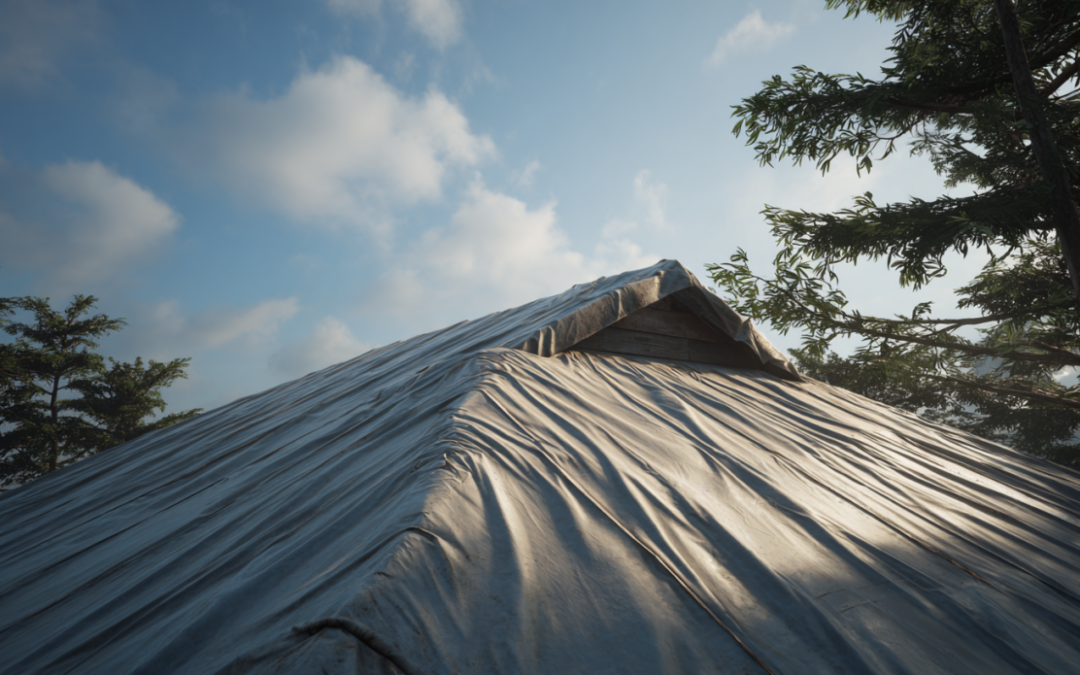
Roof Tarping Explained: When It’s Necessary and How It Protects Your Property
Every single day, your home takes a beating from the elements. Whether you live in the historic neighborhoods of Maryland or the bustling suburbs of Northern Virginia, your roof is the unsung hero keeping the rain, wind, and sun from ruining your living room. Most homeowners do not give their roofs a single thought until water starts dripping onto the kitchen table. By then, a simple fix has turned into an expensive headache.
Maintaining a home requires real work, and your roof is your primary line of defense. Understanding the hidden issues that weather creates can save you thousands of dollars down the road. Let us take a practical look at what your roof goes through, how to spot trouble before it starts, and what you can do today to keep your home safe and dry.
Key Takeaways for Homeowners
- Regular inspections prevent small leaks from turning into major structural water damage.
- Local weather requires roofing materials designed to withstand extreme wind, heavy snow, and intense summer heat.
- Catching storm damage early is essential for successful insurance documentation and claims.
- Professional contractors ensure local building codes are met and warranties remain valid.
Why Does Local Weather Call for a Stronger Roof?
Your roof faces unique regional weather challenges every year.
Living in the Mid-Atlantic region means experiencing a bit of everything when it comes to weather. We get humid summers, freezing winters, sudden spring hailstorms, and autumn remnants of tropical systems. Each change in season brings a specific type of stress to your asphalt shingles or metal roofing.
During the hot summer months, intense sunlight bakes your shingles, causing them to expand. When the sun goes down and temperature drops quickly, those materials contract. This constant back and forth can lead to thermal shock, which splits shingles and weakens the seals holding them together. Winter brings heavy snow and freezing ice that can back up into your gutters, forming ice dams that push water right under your shingles and into your attic. According to regional climate reports from organizations like the National Oceanic and Atmospheric Administration, our area has seen a steady increase in localized wind and hail events over the last decade. Your roof has to be built tough to handle these rapid shifts without failing.
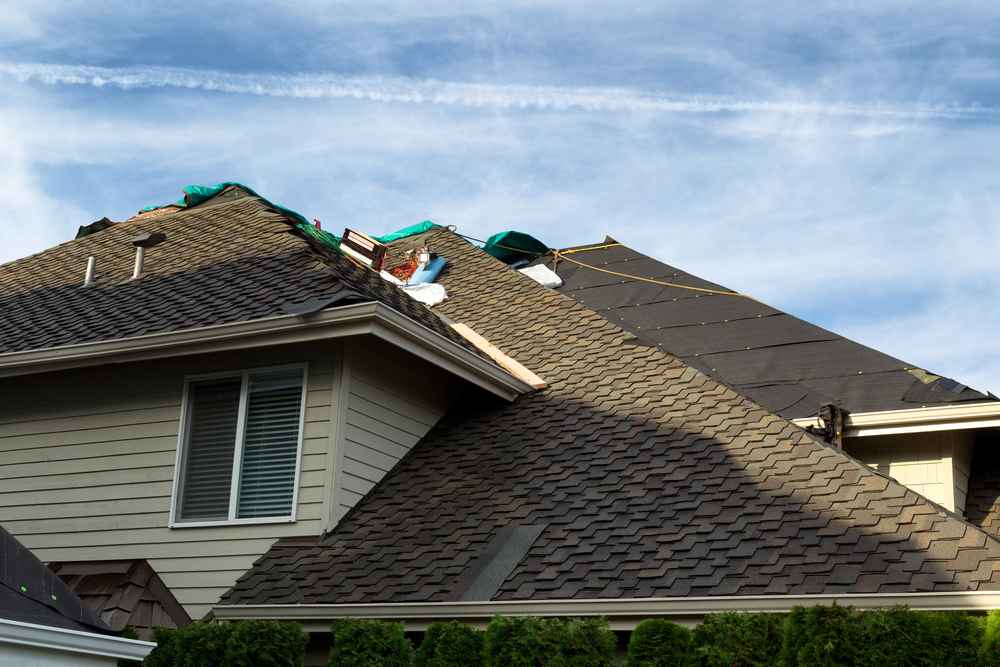
What Are the Hidden Signs of Roof Damage You Might Miss?
Roof trouble does not always start with a visible water puddle.
Most people think a roof is fine as long as the ceiling stays dry. The truth is that water is patient, and it can find the smallest crack to travel along before it ever shows up on your drywall. Waiting for a visible leak means you are likely dealing with hidden wood rot or mold inside your walls.
You can spot a lot of problems right from the safety of your driveway just by knowing what to look for. Grab a pair of binoculars and check your roof line for a few specific warning signs:
- Granule loss in the gutters: If you clear out your gutters and find piles of dark sand, your shingles are losing their protective coating. This leaves the underlying asphalt vulnerable to sun damage and cracking.
- Curled or buckled shingles: Shingles should lay completely flat. If the edges are curling upward or the middle is buckling, they are no longer shedding water properly.
- Damaged flashing: Flashing is the metal material installed around chimneys, vents, and roof valleys. If it is rusted, bent, or pulling away, water will get inside.
- Dark streaks on the roof: These black streaks are often algae growth, which holds moisture against the shingles and accelerates rot.
Catching these signs early keeps a simple repair from turning into a total replacement. If you notice any of these red flags, it is time to check out our About Us page to see how our trained team evaluates these common regional roofing issues.
How Do Clogged Gutters Ruin a Perfectly Good Roof?
Gutters and roofs work together as a single water management system.
When water cannot flow away from your house, it finds another path. Clogged gutters force rainwater to pool right at the edge of your roof line. That standing water quickly rots the wooden fascia boards and works its way upward under the starter shingles.
Keeping your gutters clear is one of the easiest ways to extend the lifespan of your roof. We recommend cleaning them at least twice a year, once in the spring and once in the late autumn after the leaves have fallen. While cleaning, make sure the gutters are still securely fastened to your home and that downspouts are directing water at least three feet away from your foundation. Taking care of these simple tasks prevents water from backing up and damaging the structural integrity of your home.
Why Is Professional Workmanship Worth the Investment?
A roof is only as reliable as the hands that installed it.
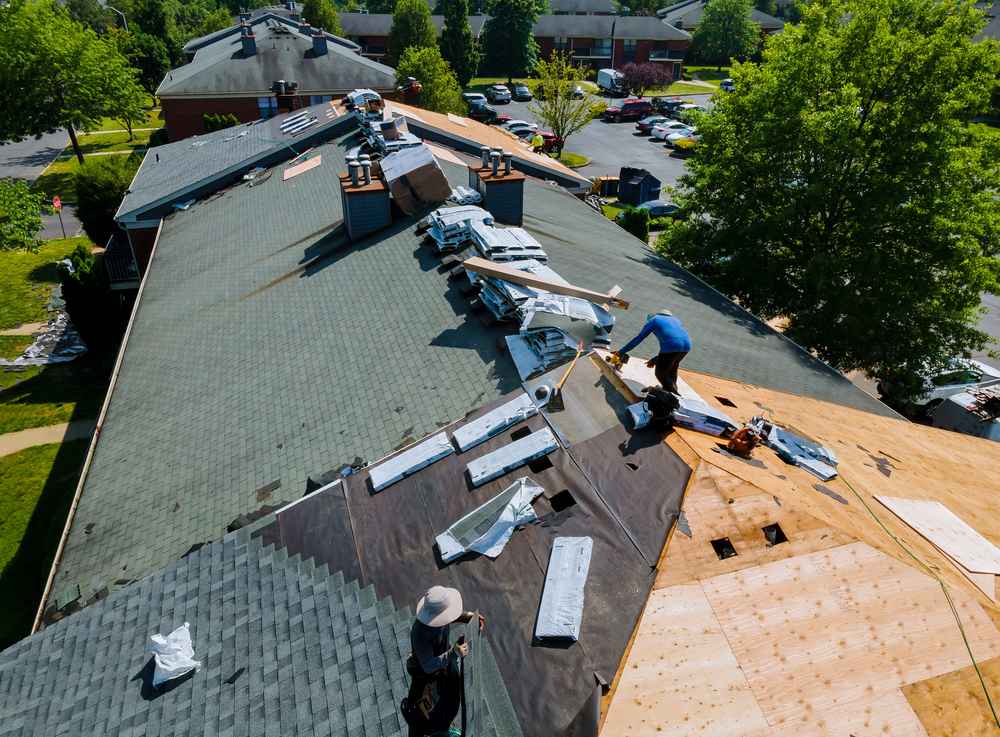
Roofing is hard, honest work that requires specialized skills. Some homeowners try to save a quick buck by hiring a cheap, uncertified contractor or attempting a DIY patch job. This often ends up costing much more when the repair fails during the next heavy storm.
Professional roofing requires an understanding of ventilation, proper fastening techniques, and regional building codes. A certified team ensures your roof has the right amount of intake and exhaust ventilation so heat does not build up in your attic and cook your shingles from the inside out. Furthermore, top manufacturers only honor their extended warranties if the materials are installed by certified contractors. When you work with an experienced team, you receive the peace of mind that comes with proven industry standards and proper licensing. You can learn more about our certified installation practices by visiting our Services page.
Common Questions From Our Neighbors
How long should a standard residential roof last around here?
A standard architectural asphalt shingle roof generally lasts between twenty and twenty-five years in our climate. Metal roofs and specialty materials like slate can last much longer, often exceeding fifty years with proper maintenance. The actual lifespan depends heavily on proper attic ventilation and how well the roof is protected from storm damage.
Can I just install a new roof over my old one to save money?
While some building codes allow for a second layer of shingles, we rarely recommend it. Adding a second layer traps heat, shortens the lifespan of the new shingles, and adds thousands of pounds of extra weight to your home framework. Plus, you cannot inspect or repair the underlying wood decking for rot if you do not tear off the old roof first.
How do I know if my insurance company will cover a roof repair?
Insurance typically covers roof damage caused by sudden, accidental events like hail storms, fallen tree limbs, or high winds. They generally do not cover damage caused by neglect or normal wear and tear from an old roof. The key to a successful claim is detailed documentation from a professional inspection right after a storm occurs. The National Roofing Contractors Association emphasizes that regular inspections provide the necessary paper trail to prove the baseline condition of your roof before a storm hits.
Let Us Get Your Home Protected Before the Next Storm Hits
Your home is where your family stays safe, and the roof over your head keeps it that way. Do not wait for a major storm to find out that your shingles are failing or your flashing is loose. Taking a proactive approach today protects your investment, keeps your family dry, and gives you complete peace of mind when the weather turns rough.
Our team is dedicated to providing honest, hardworking service to our community. We believe in educating homeowners so you can make the absolute best decisions for your property. Whether you need a quick repair, a complete replacement, or just a dependable inspection after a bad storm, we are here to handle the heavy lifting. Get in touch with us through our Contact Us page to set up a free, no-pressure inspection with Mars Roofing in Maryland and Virginia for expert services. Let us make sure your home is ready for whatever the sky throws at it next.