


Is Your Roof Ready for Storm Season? What Maryland and Virginia Homeowners Need to Know Right Now
If you live in Maryland or Northern Virginia, you already know how fast the sky can turn. One afternoon it is sunny and still. By evening, a nor’easter is pushing through, dropping two inches of rain an hour and sending tree branches sailing across your yard. Your roof is the only thing standing between all of that and your living room ceiling.
The Mid-Atlantic region sees it all: tropical storms, heavy snowfall, ice storms, hailstorms, and the occasional hurricane remnant that refuses to quit. Most homeowners think about their roof twice a year, if that. Storm-proof homeowners think about it before the forecast changes.
This guide walks you through what extreme weather actually does to your roof, what warning signs to watch for, and how to get ahead of damage before it costs you thousands. Because a little preparation now is worth a lot more than a bucket in the hallway at midnight.
Quick Takeaways
- Maryland and Virginia homeowners face a wide range of storm threats year-round, not just in summer
- Annual roof inspections are the single most effective way to catch damage early
- Gutters, flashing, and attic ventilation are just as important as the shingles themselves
- Storm damage often hides in places you cannot see from the ground
- Acting fast after a storm protects your home and strengthens your insurance claim
What Kind of Storms Should Maryland and Virginia Homeowners Actually Worry About?
More than you might expect, and they each hit your roof differently.
The region sits at a crossroads of weather systems. Cold Canadian air, warm Gulf moisture, and Atlantic storm tracks all converge here. That means your roof is not just facing one type of threat. It is facing several, often back to back.
Nor’easters bring sustained high winds and heavy rain or snow that can last for days. Tropical storms and hurricane remnants drive intense rainfall and gusts that test every seal and fastener on your roof. Summer thunderstorms can drop golf ball-sized hail in a matter of minutes. Ice storms coat everything in a layer of freezing rain that adds massive weight and creates ice dams along your eaves.
Each of these events stresses your roof in a different way. Wind lifts and peels shingles. Hail bruises them, cracking the granule coating that protects the asphalt underneath. Heavy snow and ice add weight that can exceed what older decking was ever designed to handle. And water, given any opening at all, will find it.
According to the National Oceanic and Atmospheric Administration, Maryland and Virginia regularly rank among the top states for wind and hail events per year. That is not a statistic to scroll past. That is a reason to take your roof seriously.
How Do You Know If Your Roof Is Actually Storm-Ready?
Start with an honest look at what you have got up there.
Most homeowners cannot tell you how old their roof is, let alone whether it is in good shape heading into storm season. That is not a criticism. Roofs are easy to ignore when they are doing their job quietly. The problem is they rarely announce trouble until the trouble is expensive.
A storm-ready roof starts with knowing its current condition. That means a professional inspection, not a glance from the driveway. A thorough evaluation checks the shingles for cracking, curling, or missing granules. It looks at the flashing around chimneys, vents, and skylights, because that is where most leaks actually start. It checks the gutters, the soffits and fascia, the ridge cap, and the attic ventilation.
Our team at MARS Roofing offers free exterior inspections for homeowners in Maryland and Northern Virginia. You get a written report. No pressure, no surprise charges. Just an honest picture of where your roof stands before the next storm season hits.
What Are the Most Common Signs of Storm Damage That Homeowners Miss?
Damage is not always obvious, and what you cannot see can still cost you.
After a major storm, most people look for the obvious: missing shingles, visible holes, water on the ceiling. But storm damage is often more subtle than that, and it tends to get worse over time if it goes unaddressed.
Here are the signs worth knowing:
- Granules in your gutters or downspout runoff. Shingles shed granules when they get hit by hail or reach the end of their lifespan. A sudden surge in granule loss often points to impact damage.
- Dents on metal components. Check the gutters, flashing, vents, and AC housing. Hail leaves marks on soft metals that tell the story even when shingles look fine from the street.
- Soft spots or sagging areas. These often mean water has been sitting somewhere it should not be, soaking into the decking below the shingles.
- Cracked or lifted flashing. Flashing seals the joints between your roof and structures like chimneys and vents. When it pulls away, water gets in fast.
- Dark streaks or staining on interior ceilings. By the time you see this, the leak has already worked its way through multiple layers of your home.
If any of these show up after a storm, do not wait. Damage that is caught within days of a storm event is much easier to document, repair, and file an insurance claim for than damage that sits for weeks.
What Can Homeowners Do Right Now to Protect Their Roof Before a Storm Hits?
Preparation is not complicated. It is just consistent.
You do not need to be a contractor to get your home storm-ready. There are real, practical steps you can take before the forecast gets dramatic.
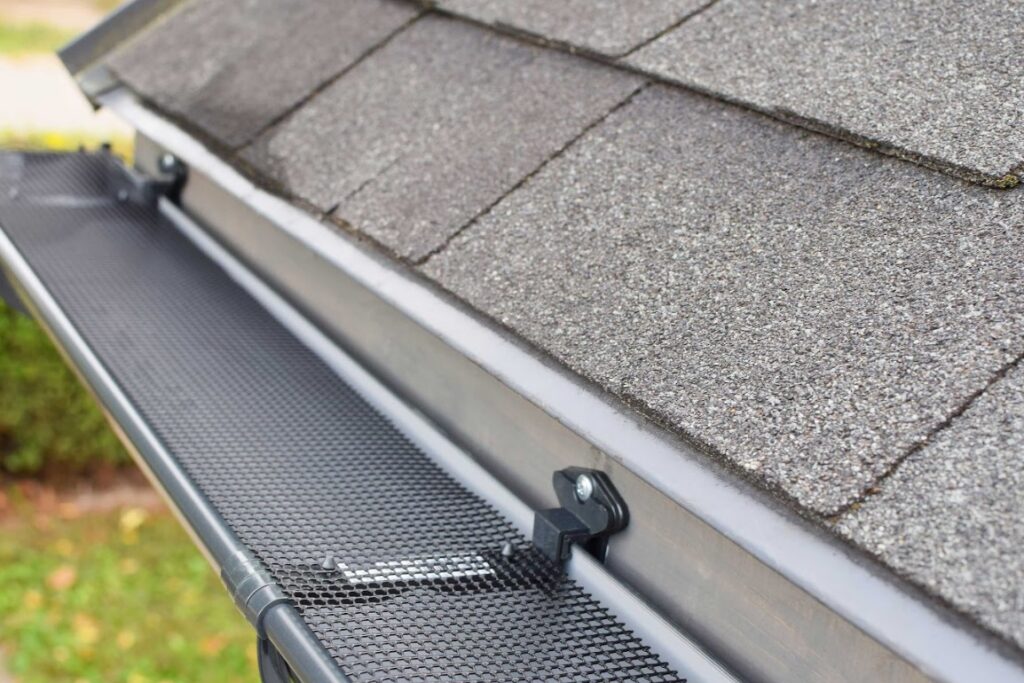
Clean your gutters at least twice a year, in spring and fall. Clogged gutters force water to back up under the edge of your roof, which leads to rot, ice dams, and interior leaks. While you are at it, check that gutters are securely attached and draining away from the foundation.
Trim trees that overhang your roof. A branch that looks harmless in calm weather becomes a wrecking ball in a 60-mile-per-hour wind. Professional arborists can help identify which limbs pose a real risk.
Check your attic ventilation. Poor airflow in the attic creates heat buildup in summer and moisture problems in winter, both of which shorten your roof’s lifespan and make it more vulnerable to storm damage. A well-ventilated attic is one of the least talked about and most important parts of a storm-ready roof.
Know your roof’s age. Most asphalt shingle roofs last 20 to 30 years. If yours is approaching that range, it may not be worth patching. A roof that is already compromised does not hold up well in a major storm event. If you are not sure where you stand, our residential roofing team can help you figure that out with a no-obligation assessment.
What Should You Do Immediately After a Major Storm?
Speed matters, and so does documentation.
Once the storm passes and it is safe to go outside, your first job is to document everything. Walk around the perimeter of your home with your phone and take photos of anything that looks off: debris on the roof, dented gutters, downed tree limbs, water stains on exterior walls. Do this before you touch or move anything.
Then call a roofing professional before you call your insurance company. A qualified inspector can give you an unbiased assessment of what actually happened to your roof. That documentation is powerful when you file a claim. Insurance adjusters are not always on-site within the first few days, and having an independent inspection report puts you in a much stronger position.
Our storm damage repair team works with homeowners throughout the claims process. We help you understand what is covered, what to document, and what repairs are needed to get your home protected again. We have seen too many homeowners get shortchanged on claims because they did not have the right documentation. That is something we can help you avoid.
The Insurance Information Institute recommends keeping a home inventory and reviewing your homeowners policy annually to make sure your coverage reflects your home’s current value.
Real Questions From Real Homeowners: Answered
How often should I have my roof inspected?
Once a year is the baseline. Twice is better if your home has been through a significant storm or if your roof is over 15 years old. Do not wait for visible damage to schedule one. By then, the damage has already had time to spread.
Does homeowners insurance cover storm damage to my roof?
Most standard policies cover sudden storm damage from wind, hail, and rain. What they often do not cover is damage from neglect or wear over time. That is why regular maintenance and prompt reporting matter so much. Document everything, and get a professional inspection before filing so you have the strongest possible record of what happened.
Is it worth repairing or should I replace the whole roof?
It depends on the age of the roof and the extent of the damage. If your roof is under 15 years old and the damage is isolated, repair is usually the right call. If it is older and the damage is widespread, replacement often makes more financial sense in the long run. A good contractor will give you an honest answer, not just the most expensive one.
Can I put a new roof on top of an existing one?
In some cases, yes. This is called a roof overlay and it can save money in the short term. But it adds weight, hides existing damage, and typically does not last as long as a full replacement. Most roofing professionals recommend a full tear-off when your roof is already compromised.
How long does storm damage repair usually take?
Minor repairs can often be completed in a day. Full replacements typically take one to three days depending on the size of the roof and the scope of work. Emergency tarping can be done the same day if needed to stop active water intrusion.
Your Roof Has One Job. Let’s Make Sure It Can Do It.
Living in Maryland or Northern Virginia means accepting that storms are part of the deal. But a damaged roof does not have to be. With the right preparation, the right team, and a little attention before the season changes, you can face whatever the sky throws at you with a whole lot more confidence.
MARS Roofing has been protecting homes across the region since 2014. Our team knows local weather, local building codes, and what it actually takes to build a roof that holds up through nor’easters, hailstorms, and everything in between. We are GAF certified, BBB A+ rated, and proud of every roof we put our name on.
Get ahead of storm season. Schedule your free roof inspection today and find out exactly where your home stands. No guesswork. No pressure. Just the honest answers you need to protect the most important investment you have.
Contact MARS Roofing now or call (240) 319-7311. Your roof is ready to do its job. Let us make sure it can.