Let’s get something straight: your home is likely the biggest financial investment you’ll ever make. And your roof? That’s your first line of defense in protecting that investment. So when it’s time to repair or replace it, you better believe that who you hire matters—a lot.
If you’ve been wondering how to find a reliable roofing contractor or what questions to ask a roofing contractor before signing anything, you’re already taking smart steps. Being proactive is one of the best ways to avoid costly mistakes—and keep your finances on track.
Too many Maryland homeowners rush to hire the first contractor who gives them a price they like. But listen, that’s not how you protect your investment. That’s how you lose it.
Ask the right questions. Get clear answers. And if you don’t? You walk away. That’s what financially empowered homeowners do.
Let’s dive into six essential questions to ask your prospective roofer—questions that can save you time, money, and headaches.
1. Are You Licensed and Insured in Maryland?
This is non-negotiable. Any contractor who steps foot on your property should be licensed to operate in Maryland and carry both general liability and workers’ compensation insurance.
Ask for documentation. Don’t settle for verbal assurances. If they can’t provide proof, that’s a red flag—and a reason to walk.
Why it matters: If something goes wrong—say a worker is injured on your property or a ladder crashes into your neighbor’s car—you could be on the hook. Insurance protects everyone.
2. What Warranties Do You Offer—and Will You Put It in Writing?
Warranties aren’t a nice bonus—they’re your financial safety net. You want two types:
A manufacturer’s warranty on materials
A workmanship warranty on labor
Ask how long each one lasts, what it covers, and most importantly, get it in writing. A contractor’s word means nothing if you can’t prove it later.
At MARS Roofing, we offer lifetime warranties on both materials and labor—because we stand behind our work.
3. Can You Share References or Verified Reviews?
You wouldn’t invest in a stock without researching the company first. So why invest in a roofer without checking their track record?
Ask for references. Read online reviews. Look for consistency in how customers describe their experience.
And remember: if a contractor gets defensive or dodges this question, that’s your cue to say “Thanks, but no thanks.”
Still thinking through your options? Make sure MARS Roofing is on your shortlist. We’ll answer every one of these questions openly—and invite you to verify our work with Maryland homeowners just like you.
4. How Will You Protect My Property During the Job?
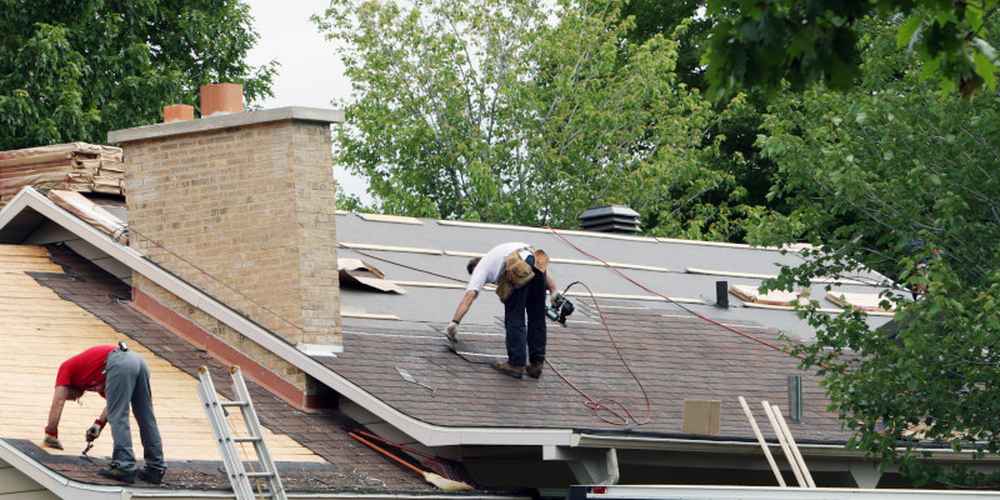
A roof replacement is a construction zone. Don’t assume your contractor will protect your gutters, siding, landscaping, or driveway—ask how they plan to do it.
Look for answers like:
Use of tarps to protect plants and exterior finishes
Magnetic nail sweepers for post-job cleanup
Daily debris management
Bottom line: You shouldn’t have to deal with a mess or damage when the job is done. MARS Roofing treats your property with the same care we give our own homes.
5. Who’s Supervising the Project and Managing Communication?
You need to know who’s in charge. Who do you call if something goes wrong? Who’s answering your questions?
Ask:
Will there be a dedicated project manager?
Will the crew be company employees or subcontractors?
How will I receive updates?
A reliable roofing contractor has structured systems and designated contacts. If the answer sounds vague, it probably is.
6. What’s Included in the Estimate and How Does Payment Work?
This is where too many homeowners get burned. An estimate should be detailed and transparent—not a scribbled total on a napkin.
You should see:
Material types and quantities
Labor costs
Tear-off and disposal
Cleanup
Payment schedule
And let’s be clear: Never pay in full up front. A typical structure might include a deposit, a mid-project payment, and a final balance upon completion.
Want tips for finding a roofing contractor who’s honest about pricing? Look for someone who answers this question clearly and backs it up with documentation.
Bonus Tips for Finding a Roofing Contractor in Maryland
Stick with local contractors—they know Maryland’s codes, climate, and permitting requirements.
Check their rating with the Better Business Bureau.
Ask if they offer 24/7 emergency repairs (you’ll want that if a storm hits unexpectedly).
Look for roofing pros who offer storm damage assistance—without using misleading insurance claims language in marketing (it’s the law!).
MARS Roofing checks all the boxes, from expert crews and lifetime warranties to fair, transparent pricing.
Protect Your Roof, Protect Your Wallet
Let’s be honest—hiring a contractor is a risk if you don’t do your homework. But with the right questions, you flip the script. You take control. You protect your home and your money.
We’re here to make that easier for you. At MARS Roofing, we believe in empowering homeowners through education and honest, high-quality work.
Ready to get answers? Give us a call at 240-319-7311 or email [email protected] to schedule a free, no-pressure consultation.
You know your roof is on its last legs—maybe you’ve spotted curling shingles, a few leaks, or that one neighbor who keeps giving you the look because your roof is bringing down the block’s curb appeal. So, you’ve decided it’s time for a roof replacement. Great! But now comes the next big question: how long does it take to replace a roof?
The good news? A roof replacement doesn’t have to drag on for weeks. In fact, most homes can get a brand-new roof in just one to two days. The not-so-good news? Weather, roof size, and unexpected repairs can throw a wrench in the timeline. If you’re in Maryland, where we get everything from scorching summers to unexpected snow, timing can be tricky.
At MARS Roofing, we’ve replaced enough roofs to know that homeowners want two things: speed and quality. In this guide, we’ll break down what affects the timeline, what to expect from start to finish, and how to prepare for the smoothest roof replacement possible.
Thinking about replacing your roof? Give MARS Roofing a call at 240-319-7311 for a professional inspection today!
What Affects How Long a Roof Replacement Takes?
Most standard residential roof replacements take one to two days, but several factors can extend or shorten that timeline. Here’s what plays a role.
1. Roof Size and Complexity
The bigger and more complicated the roof, the longer the job will take. A simple, single-story home? One day, easy. A multi-story house with steep slopes and dormers? Add an extra day or two.
Small homes (1,000-1,500 sq. ft.): 1 day
Medium-sized homes (1,500-3,000 sq. ft.): 1-2 days
Large homes (3,000+ sq. ft.): 2+ days
2. Roofing Material Selection
Some materials are quick and easy, while others take time and precision.
Asphalt Shingles: The fastest option—usually 1-2 days
Metal Roofing: Requires extra measuring and fastening—2-3 days
Slate or Cedar Shake: More detailed work—3-5 days
Flat Roofs (TPO, EPDM, PVC): Varies based on size—2-4 days
If speed is your priority, asphalt shingles are the way to go. But if you want a lifetime investment, metal or slate might be worth the wait.
3. Maryland Weather
Let’s talk about the one thing none of us can control—Maryland’s unpredictable weather.
Ideal conditions: 50-80°F with clear skies = fast installation
Delays: Rain, high winds, and snow can pause work for safety reasons
Extreme heat: Slows down workers, leading to longer breaks and a slightly extended timeline
At MARS Roofing, we track the forecast to schedule jobs when the weather is on our side.
4. Hidden Repairs
Here’s a common scenario: We tear off the old roof and find unexpected problems.
Rotten or water-damaged decking
Structural issues from previous poor installations
Mold or mildew hiding underneath
These fixes add extra time, but skipping them would shorten your roof’s lifespan. We always perform a thorough inspection before starting, so there are fewer surprises.
What to Expect During a Roof Replacement
If this is your first time replacing a roof, here’s a breakdown of what actually happens.
Step 1: Pre-Installation Setup (1-2 Days Before)
Before we even touch your roof, we:
Deliver materials to your home
Set up tarps and protective coverings to keep your yard clean
Move outdoor furniture (if needed)
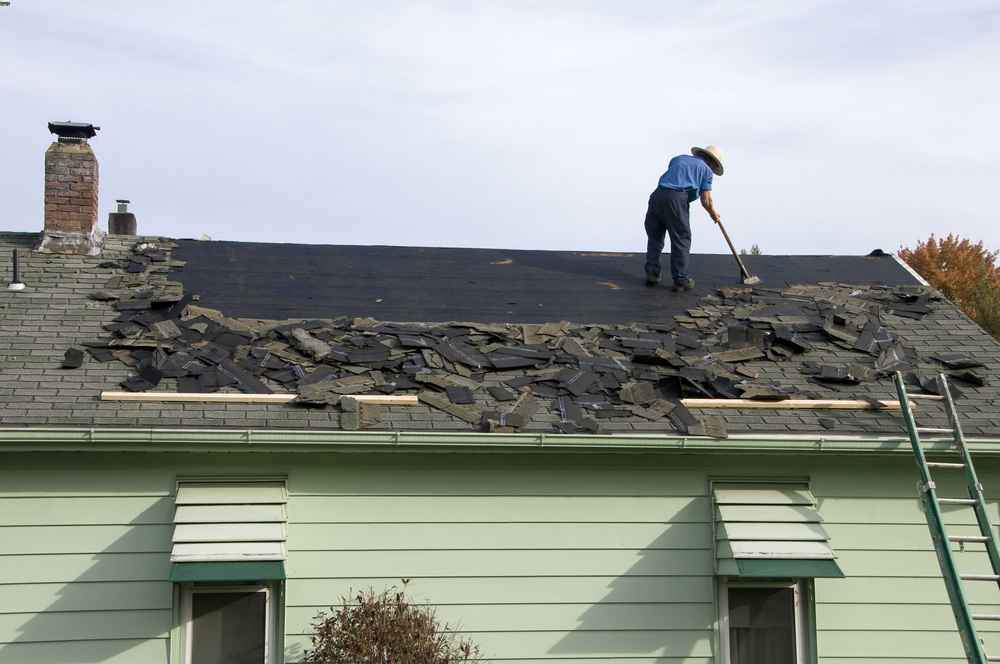
Step 2: Removing the Old Roof (Half a Day – 1 Day)
This is the loud, messy part. We:
Strip off shingles, metal, or tiles
Inspect and repair any underlying issues
Clean up debris as we go
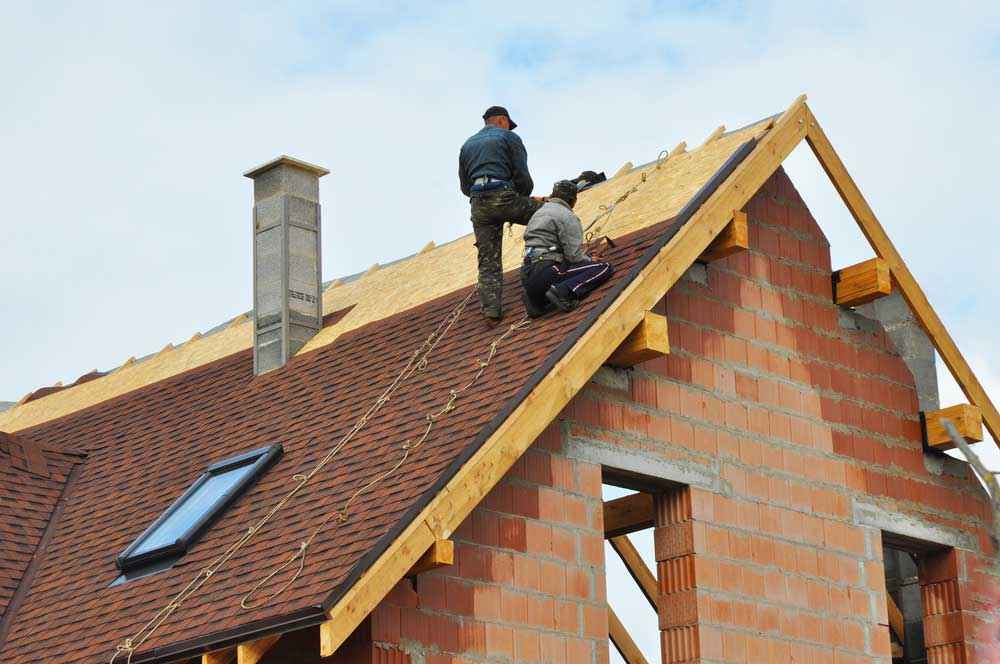
Step 3: Installing the New Roof (1-2 Days)
Now the fun part—your new roof goes on! This includes:
Underlayment installation for extra weather protection
Shingles, metal panels, or other materials
Flashing around chimneys, vents, and skylights
Step 4: Final Inspection and Cleanup (Same Day as Completion)
We don’t just finish the job and leave you with a mess. Our team:
Does a full inspection to ensure top-notch installation
Uses magnets to sweep for stray nails
Walks you through the finished work and answers any questions
Why Choose MARS Roofing for Your Roof Replacement?
At MARS Roofing, we know that a roof replacement is a big deal, and we make the process as quick and hassle-free as possible. Here’s what makes us stand out:
We use top-quality materials from leading manufacturers like IKO, CertainTeed, and Owens Corning to ensure your roof lasts for decades. Our team is highly experienced, meaning we complete most jobs in just one to two days without cutting corners. Plus, we offer free gutter cleaning with every roof replacement to keep your home in top shape. And if a storm hits? Our 24/7 emergency team is ready to assist with urgent repairs.
We’re not just replacing roofs—we’re helping homeowners protect their biggest investment with confidence.
Ready for a Roof Replacement? Call MARS Roofing Today!
Still wondering, “How long does a roof replacement take?” With the right team, the answer is faster than you think! If you need a roof replacement in Maryland, we’ve got you covered.
Call MARS Roofing at 240-319-7311 or email [email protected] to schedule your inspection today! Let’s get your new roof installed quickly, professionally, and stress-free.
At MARS Roofing, we’ve been working on Maryland roofs long enough to know one thing for sure—every homeowner wants their roof to last as long as possible. And why wouldn’t you? A new roof is a major investment, and no one wants to deal with unexpected repairs or replacements sooner than necessary. But the real question is: how long will a new roof last in Maryland?
The answer depends on several factors, including the type of roofing material, local weather conditions, and regular maintenance. Maryland’s climate brings a mix of hot summers, cold winters, heavy rain, and the occasional hurricane or tornado, all of which can impact a roof’s lifespan. At MARS Roofing, we believe that educating homeowners is the best way to take the stress out of roofing, so let’s break it down.
We’ll go over the different types of roofing materials, what affects their longevity, and how you can extend the life of your roof. Whether you’re planning for the future or wondering if your current roof is reaching the end of its life, this guide has the answers you need.
Want to know how much life is left on your roof? Call MARS Roofing at 240-319-7311 to schedule an inspection today!
What Affects a Roof’s Lifespan in Maryland?
If every roof had an expiration date stamped on it, life would be much simpler. Unfortunately, that’s not the case. Several factors impact how long a roof will last in Maryland’s climate.
1. The Type of Roofing Material
Not all roofing materials are created equal. Some last twice as long as others, making the right choice essential for homeowners. Here’s a quick breakdown of how long different roofing materials typically last:
Asphalt Shingles: 15–40 years (depending on type)
Metal Roofing: 40–70 years
Slate Roofing: 75–100+ years
Cedar Shake Roofing: 30–50 years
Flat Roofs (TPO, EPDM, PVC): 20–30 years
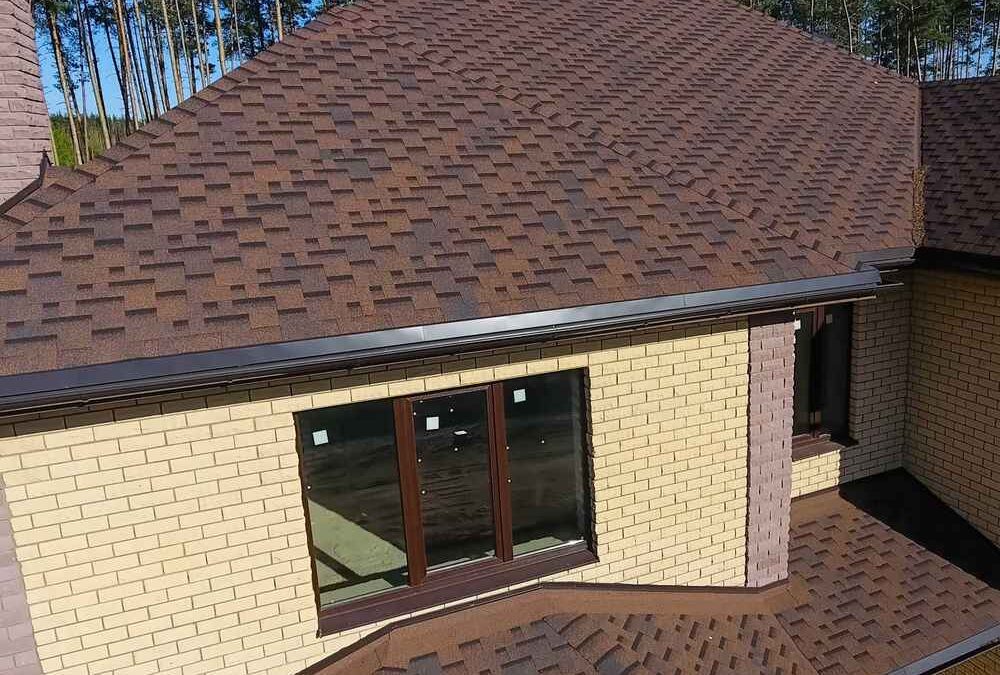
If durability is your priority, consider architectural asphalt shingles, metal roofing, or synthetic slate, which all hold up well against Maryland’s varying weather conditions.
2. Maryland’s Weather Conditions
From hot, humid summers to freezing winters, Maryland’s weather can be tough on a roof. Some of the biggest threats include:
Heavy Rain and Storms: Maryland gets plenty of storms, especially in spring and summer, which can weaken shingles and lead to leaks.
High Winds: Coastal storms and tornadoes can lift shingles or even cause structural damage.
Hail Damage: Hailstorms, though less frequent, can crack or dent roofing materials.
Snow and Ice: Cold winters bring snow, ice dams, and freeze-thaw cycles, which can cause roofing materials to expand and contract, leading to premature wear.
If your home is regularly exposed to these conditions, choosing impact-resistant shingles or metal roofing can help maximize your roof’s lifespan.
3. Installation Quality
A roof is only as good as the contractor who installs it. Poor installation leads to leaks, premature aging, and costly repairs. That’s why it’s critical to work with an experienced Maryland roofing company that understands local building codes and climate challenges.
At MARS Roofing, our expert crews ensure proper ventilation, shingle placement, and flashing installation, all of which are key to a long-lasting roof.
4. Regular Maintenance and Repairs
Would you drive a car for years without changing the oil? The same logic applies to your roof. Regular maintenance can add years—even decades—to its lifespan.
Schedule yearly inspections to catch small issues before they become major problems.
Keep gutters clear to prevent water from backing up and causing leaks.
Trim overhanging branches that could scrape or fall onto the roof.
Address missing shingles or minor leaks quickly to avoid bigger structural issues.
Not sure if your roof needs maintenance? Call MARS Roofing at 240-319-7311 for a professional inspection!
How Long Will Your Roof Last? A Breakdown by Material
Asphalt Shingles: The Most Common Choice
Asphalt shingles are affordable and widely used, but their lifespan varies based on the type:
Three-tab Shingles: 15–20 years
Architectural (Dimensional) Shingles: 35–40 years
Impact-Resistant Shingles: 40+ years
If you’re looking for a longer-lasting and more storm-resistant option, architectural or impact-resistant shingles are the way to go.
Metal Roofing: Long-Lasting and Energy-Efficient
Metal roofing is becoming more popular due to its durability and energy efficiency. It reflects heat in the summer and withstands heavy storms better than shingles.
Aluminum & Steel: 40–50 years
Standing-Seam Metal: 50–70 years
Copper Roofing: 75+ years
Metal roofing is ideal for homeowners who want a low-maintenance, long-term investment.
Slate Roofing: The 100-Year Roof
Slate is one of the most durable roofing materials available. While the upfront cost is high, it can last a lifetime or longer.
Natural Slate: 75–100+ years
Synthetic Slate (DaVinci): 50+ years
If you’re looking for timeless beauty and superior longevity, slate roofing is an excellent choice.
Cedar Shake Roofing: Classic and Durable
Cedar shakes and shingles provide a rustic look, but they require regular maintenance to prevent mold and insect damage.
Cedar Shingles: 30–40 years
Cedar Shakes: 40–50 years
If properly maintained, cedar roofing can last for decades while adding unique curb appeal to your home.
Flat Roofing: Common for Commercial Properties
Flat roofs are popular for commercial buildings and multi-family homes. Their lifespan depends on the material used:
TPO & PVC Roofing: 20–30 years
EPDM Roofing: 25–30 years
Modified Bitumen & BUR Roofing: 20–30 years
Regular maintenance is essential to extend the life of a flat roof.
Why Homeowners Choose MARS Roofing
At MARS Roofing, we believe that a great roof starts with great service. That’s why we use high-quality materials from top manufacturers like IKO, CertainTeed, and Owens Corning, ensuring durability and long-term protection. We back our work with lifetime warranties on both materials and labor, giving homeowners peace of mind. To keep your roof in top shape, we also provide free gutter cleaning with every roof replacement. And because roofing emergencies don’t wait for business hours, our 24/7 emergency team is always ready to handle storm damage and urgent repairs. We’re not just here to sell you a roof—we’re here to help you make the right choice for your home, budget, and long-term needs.
Need a Roof Inspection? Call MARS Roofing Today!
If you’re wondering how long a roof lasts in Maryland and whether it’s time for a replacement, we can help. Whether you need a full replacement, minor repairs, or an expert opinion, MARS Roofing has the knowledge and experience to guide you.
Call us at 240-319-7311 or email [email protected] to schedule an inspection today. Your roof protects your home—let’s make sure it’s built to last.
You’ve probably heard about shingles, gutters, and even ventilation when it comes to roofing, but what about flashing? Many homeowners aren’t familiar with this critical component—until they start experiencing leaks. Roof flashing plays a crucial role in keeping your home dry by preventing water from seeping into vulnerable areas. Without it, even the best roofing materials can fail.
If you’re dealing with an aging roof, planning a replacement, or simply want to prevent expensive repairs, understanding flashing is essential. Knowing what it does, the different types available, and how to spot potential issues can save you from major headaches down the road. In this guide to flashing on roof systems, we’ll cover what to know about roof flashing, the different types available, common problems, and how professional installation can make all the difference for homeowners in Maryland.
What Is Roof Flashing and Why Does It Matter?
Flashing is a thin, durable material—typically aluminum, steel, or copper—installed in areas where the roof meets another surface. It prevents water from infiltrating seams and joints, directing it safely away from the home.
Even if you have high-quality shingles, your roof can still develop leaks if flashing is missing or installed incorrectly. Over time, exposure to rain, wind, and temperature changes can weaken flashing, making it essential to keep an eye on its condition. Proper installation and maintenance are key to ensuring that your home stays protected from water damage, especially in Maryland’s unpredictable weather.
What to Know About Roof Flashing: Types and Their Uses
Not all flashing is the same. Different parts of the roof require specific types to ensure proper water management. Here are the most common types of roof flashing and their functions.
Step Flashing
Step flashing is used where a sloped roof meets a vertical surface, such as a wall or chimney. It consists of small metal pieces layered between shingles in a stair-step pattern. This method ensures water is directed away from the intersection, preventing leaks where walls and roofs meet.
Valley Flashing
Valleys are the areas where two roof slopes meet, creating a natural channel for water runoff. Valley flashing is installed beneath shingles in these areas to prevent water from pooling and causing damage. Without proper valley flashing, heavy rain can quickly overwhelm these points, leading to leaks and deterioration.
Chimney Flashing
Chimneys are one of the most vulnerable points on a roof. Chimney flashing consists of multiple components, including step flashing along the sides and a continuous metal apron at the front and back. If chimney flashing fails, water can easily seep into the home, causing interior damage.
Drip Edge Flashing
Drip edge flashing is installed along the edges of the roof, guiding water into the gutters instead of allowing it to run down the fascia or siding. This type of flashing is crucial in preventing wood rot and extending the lifespan of your roof’s edge.
Vent Pipe Flashing
Any vent or pipe protruding through the roof requires flashing to prevent leaks around the opening. This type of flashing typically includes a metal base with a rubber or silicone boot that forms a tight seal around the pipe. Over time, the rubber can crack due to UV exposure, so regular inspections are necessary.
Counter Flashing
Counter flashing is used in conjunction with step flashing to create a watertight seal. It is often installed on masonry surfaces like chimneys, where it overlaps step flashing to provide an extra layer of protection against moisture.
Common Roof Flashing Problems and How to Prevent Them
Flashing is durable, but it isn’t indestructible. Over time, it can deteriorate, loosen, or develop issues that compromise its ability to protect your home. Recognizing these problems early can save you from costly repairs.
Rust and Corrosion
Metal flashing, particularly steel, is prone to rust if not properly coated or maintained. Corrosion weakens the material, making it more susceptible to leaks. Choosing rust-resistant materials like aluminum or copper can prevent this issue, as can regular inspections to catch early signs of damage.
Loose or Missing Flashing
Strong winds, heavy rain, and improper installation can cause flashing to shift or detach over time. If flashing is missing, water can easily find its way into your home. A professional roofer can assess your roof for any loose or missing sections and secure them properly.
Cracked Sealant
Many flashing installations rely on sealants to reinforce the connection between materials. However, over time, these sealants can dry out, crack, or shrink, leaving gaps that allow water to seep through. Reapplying sealant when necessary ensures that flashing continues to perform effectively.
Poor Installation
One of the biggest causes of flashing failure is improper installation. If flashing isn’t secured correctly or the wrong type is used, it won’t provide adequate protection. This is why working with an experienced roofing contractor is so important.
How MARS Roofing Ensures Proper Roof Flashing Installation
At MARS Roofing, we understand that even the best roofing materials won’t perform well without properly installed flashing. That’s why we take extra care to ensure flashing is placed correctly, sealed properly, and built to last.
Expert Installation for Leak Prevention
Our team follows industry best practices to install flashing with precision. Whether it’s step flashing for a chimney or valley flashing for a high-water runoff area, we ensure everything is fitted securely to provide long-term protection.
Comprehensive Inspections to Catch Issues Early
If you’re unsure whether your flashing is in good condition, we can help. Our roof inspections include a detailed examination of all flashing areas, allowing us to identify potential weak points before they turn into costly problems.
Reliable Repairs and Replacements
Flashing that is rusted, loose, or missing needs immediate attention. Our team specializes in repairing and replacing damaged flashing to restore its protective function. Whether it’s reinforcing an old chimney flashing system or sealing a leaking valley, we have the expertise to handle it.
When to Call a Professional for Roof Flashing Repairs
While some homeowners attempt DIY repairs, flashing installation and repairs require precision. A small mistake can lead to major water damage, so it’s best to call a professional in certain situations:
Water stains appear inside your home, especially near walls or ceilings
You notice missing or visibly damaged flashing
Your roof has been exposed to severe weather, and you want to ensure everything is intact
You’re planning a roof replacement and want to make sure flashing is installed correctly
An experienced roofer has the tools and knowledge to install and repair flashing the right way, ensuring maximum protection for your home.
Schedule a Roof Inspection with MARS Roofing
If you’re concerned about the condition of your roof flashing, now is the time to schedule an inspection. Our team will assess your roof, identify any problem areas, and recommend the best solutions to keep your home dry and protected.
Don’t wait until a small issue turns into a costly repair. Contact us today to schedule a professional roof inspection. Call 240-319-7311 or email [email protected] to book your appointment.
If you think your roof will never give you trouble, think again. While it may seem sturdy from the ground, roofs experience constant wear from wind, rain, and fluctuating temperatures. Even the best-built roofs have vulnerable areas that can develop problems over time. The challenge for homeowners is spotting these weaknesses before they lead to costly repairs.
A small leak or missing shingle might not seem like a big deal today, but over time, these issues can escalate. Water damage, mold growth, and structural deterioration are just a few of the risks that come with an unchecked roof problem. The good news is that you don’t need to be a roofing expert to catch early warning signs. By exploring vulnerable areas of your roof, you can learn how to spot weak points on your roof before they turn into major problems.
Whether you’ve recently experienced a storm or just want to ensure your home stays protected, this guide will help you identify the most at-risk areas—and explain how professional inspections can save you time and money.
The Most Common Weak Points on Your Roof
Not all sections of your roof wear down at the same rate. Some areas are naturally more exposed to weather and structural stress. If you know where to look, you can prevent small problems from becoming major headaches.
Roof Valleys: A High-Risk Zone for Leaks
Roof valleys, where two sloping sections of your roof meet, are one of the most vulnerable areas for leaks. These valleys act as natural channels for rainwater and melting snow. Because so much water flows through these areas, even a small gap in the roofing material can let moisture in.
Signs of trouble include cracked, missing, or lifted shingles in the valley, rust or damage on metal flashing, and water stains on ceilings or walls inside your home. If left unchecked, leaks in these areas can spread quickly, damaging insulation, drywall, and even structural components of your home.
When it comes to roof valleys, early intervention is key. MARS Roofing provides thorough inspections to detect weaknesses and professional repairs to prevent water infiltration.
Roof Flashing: The First Line of Defense Against Leaks
Flashing is a thin metal material placed around chimneys, vents, skylights, and roof edges. It helps direct water away from these openings, preventing leaks. When flashing becomes loose, rusted, or improperly installed, it creates an entry point for moisture.
To check for flashing issues, look for warped or detached metal, rust or corrosion, and visible gaps between the flashing and the roof surface. A compromised flashing system can lead to persistent leaks, especially during heavy rain.
MARS Roofing specializes in flashing replacement and resealing, ensuring that these critical areas stay watertight and durable.
Chimneys and Skylights: Beautiful but Problematic
Chimneys and skylights add character and functionality to a home, but they are also weak points in your roofing system. The seals and flashing around these structures wear down over time, increasing the risk of water leaks.
Common warning signs include water stains near the chimney or skylight, cracked seals or deteriorating caulk, and loose bricks or mortar on chimneys. Small cracks can allow moisture to seep into the roofing structure, leading to interior water damage and even mold growth.
MARS Roofing carefully inspects and reseals chimneys and skylights using long-lasting, weather-resistant materials to prevent leaks.
Roof Edges and Eaves: Battling Wind and Water Damage
The edges of your roof face constant exposure to wind, rain, and debris. Without proper sealing and ventilation, they can weaken over time, leading to shingle loss and rot. Ice dams in winter can also build up along the eaves, preventing water from draining properly and forcing it under the shingles.
Signs of potential damage include peeling or missing shingles along the roof edges, sagging areas near the gutters, and visible signs of moisture damage on the underside of eaves. Proper ventilation and drainage are crucial to maintaining the strength of these areas.
MARS Roofing ensures proper roof ventilation and drainage, protecting these exposed areas from premature deterioration.
Gutter Systems: Often Overlooked but Critically Important
Gutters play a crucial role in directing water away from your roof and foundation. When clogged or damaged, they can cause water to back up onto the roof, leading to leaks and structural issues.
Signs of gutter problems include overflowing or sagging gutters, detached or broken sections, and pooling water near your home’s foundation. Blocked gutters can also contribute to ice dam formation in winter, increasing the risk of roof damage.
As part of every roof replacement, MARS Roofing provides free gutter cleaning, ensuring that your drainage system functions properly to protect your home.
How Regular Roof Inspections Prevent Expensive Repairs
Routine inspections are the best way to catch roof damage before it turns into a costly problem. Many homeowners only think about their roof when a leak appears, but by then, the damage may already be extensive. A proactive approach can save thousands in repairs.
Early Detection Saves Money
A single missing shingle may not seem like a big deal, but if water seeps in, it can lead to rot, mold, and structural damage. By catching small problems early, homeowners can avoid more extensive and expensive repairs down the road.
Protecting Your Home’s Value
A well-maintained roof enhances curb appeal and can increase your home’s resale value. If you plan to sell in the future, a strong, damage-free roof will be a major selling point.
Peace of Mind During Severe Weather
Maryland experiences strong winds, heavy rain, and the occasional hurricane or tornado. Knowing that your roof is in top condition provides peace of mind that your home is protected against severe weather events.
How MARS Roofing Ensures a Strong, Durable Roof
When it comes to protecting your home, working with experienced professionals makes all the difference. MARS Roofing understands the unique challenges of maintaining a durable, weather-resistant roof.
Comprehensive Inspections
MARS Roofing doesn’t just take a quick look at your roof. Our team carefully examines every part of your roofing system, identifying weak spots before they turn into major problems.
High-Quality Materials
We work with leading manufacturers like IKO, CertainTeed, and Owens Corning to ensure your roof is built with the best materials available. Quality materials mean longer-lasting protection.
Lifetime Workmanship Guarantee
MARS Roofing stands behind its work. With a lifetime labor warranty, homeowners can feel confident knowing their investment is protected for the long term.
24/7 Emergency Roof Repairs
Storm damage can happen at any time, and waiting for repairs isn’t always an option. That’s why MARS Roofing offers emergency tarping and repair services, providing fast, reliable protection when you need it most.
Take the Next Step: Schedule Your Roof Inspection Today
Now that you know how to spot weak points on your roof, don’t wait until small problems turn into major headaches. A professional inspection can save you thousands in repairs down the road.
If you’re concerned about your roof’s condition, contact MARS Roofing today at 240-319-7311 or email [email protected] to schedule a free consultation.
Protect your home, save money, and enjoy peace of mind with a roof built to withstand the elements.
If you’re considering a roof upgrade, metal roofing might be on your radar. Known for its durability and sleek appearance, metal roofing offers plenty of benefits but also comes with some challenges. This guide explores the pros and cons of metal roofing to help you decide if it’s the right choice for your Maryland home.
Why Consider Metal Roofing?
Your roof is one of the most important components of your home, protecting against the elements, adding curb appeal, and contributing to energy efficiency. Metal roofs have become a popular choice for homeowners due to their long lifespan and ability to withstand extreme weather conditions. However, they’re not for everyone. By understanding the advantages and disadvantages of metal roofing, you can make a decision that suits your needs and budget.
The Pros of Metal Roofing
Exceptional Durability
Metal roofs are designed to last significantly longer than traditional roofing materials like asphalt shingles. On average, a metal roof can last 40 to 70 years, depending on the type of metal and quality of installation. This longevity makes metal roofs a cost-effective option for homeowners planning to stay in their home for the long term.
In Maryland, where weather conditions can range from summer heatwaves to winter snowstorms, durability is key. Metal roofs are resistant to cracking, shrinking, and warping, which can occur with materials like wood or asphalt. Additionally, they are excellent at withstanding high winds, heavy rain, and even hail, making them ideal for storm-prone areas.
Energy Efficiency
One of the most attractive advantages of metal roofing is its energy efficiency. Metal reflects solar heat rather than absorbing it, which can lower cooling costs by up to 25%. During Maryland’s hot summers, this can make a noticeable difference in indoor comfort and monthly utility bills.
For those looking to maximize energy efficiency, many metal roofing systems include cool roof coatings that enhance reflectivity. These coatings can further reduce heat absorption, helping to create a more comfortable indoor environment while reducing strain on air conditioning systems.
Low Maintenance
Unlike traditional roofing materials that require frequent repairs or replacements, metal roofs need little upkeep. They do not easily degrade over time, and simple maintenance—such as clearing debris and checking fasteners—is typically all that’s required.
Eco-Friendly and Sustainable
Metal roofs are one of the most environmentally friendly roofing options available. Many metal roofs are made from recycled materials and can be recycled again at the end of their lifespan. This makes them an excellent choice for homeowners looking to reduce their environmental impact.
Additionally, metal roofs pair seamlessly with solar panels, making them an excellent option for eco-conscious homeowners planning future energy upgrades.
The Cons of Metal Roofing
Higher Initial Costs
The upfront cost of a metal roof is one of its biggest disadvantages. Depending on the material and style, metal roofing can cost two to three times more than traditional asphalt shingles.
However, the long-term benefits often offset this expense. A metal roof’s durability means fewer replacements, and its energy efficiency can result in significant savings on utility bills over time.
Noise Levels
Metal roofs can be noisier than other roofing materials during rain or hailstorms. The sound of precipitation hitting the metal surface can be amplified, which may be a concern for some homeowners.
Fortunately, this issue can be mitigated with proper insulation and underlayment. These materials can help dampen sound and create a quieter living environment, though they may add to the overall cost.
Susceptibility to Denting
While metal roofs are highly durable, certain materials, such as aluminum, are more prone to denting from hail or falling branches. Homeowners in areas with frequent severe weather should consider sturdier options, such as steel or copper, to minimize this risk.
Expansion and Contraction
Metal expands and contracts with temperature fluctuations, which can lead to fastener or panel issues if not installed correctly. Choosing an experienced contractor familiar with thermal movement is essential to avoid long-term problems.
Types of Metal Roofing Materials
Metal roofing comes in several materials, each with its own set of benefits and drawbacks.
Aluminum: Lightweight, corrosion-resistant, and ideal for coastal areas, though more prone to denting.
Steel: Durable, cost-effective, and available in galvanized or galvalume finishes for added protection against rust.
Copper: A premium option known for its longevity and distinct patina, though it’s among the most expensive materials.
Each material offers unique advantages, so the best choice depends on your budget, location, and aesthetic preferences.
Frequently Asked Questions About Metal Roofing
Will a metal roof increase the value of my home?
Yes, a metal roof can boost your home’s resale value due to its durability, energy efficiency, and low maintenance requirements. Many buyers are willing to pay more for homes with high-quality, long-lasting roofs.
Are metal roofs safe in lightning storms?
Metal roofs do not increase the likelihood of a lightning strike. In fact, they can provide additional protection by safely dispersing the energy if struck.
How do I know if metal roofing is right for me?
Consider factors like budget, the local climate, and your long-term plans. If durability and energy efficiency are priorities, metal roofing may be an excellent choice.
How MARS Roofing Solves Metal Roofing Challenges
At MARS Roofing, we understand the unique challenges that come with choosing and installing metal roofing. Our team has extensive experience working with various metal roofing materials, including aluminum, steel, and copper, ensuring that your roof is both durable and visually appealing.
Our skilled professionals account for key considerations, such as thermal expansion and proper fastener techniques, to prevent common issues like warping or panel separation. We also offer a thorough consultation process to help you choose the material and style that best suits your needs and budget.
Metal Roofing and Maryland’s Weather
Maryland’s diverse climate makes metal roofing an excellent option for many homeowners. Metal roofs naturally shed snow, reducing the risk of ice dams during winter. Their resistance to wind, hail, and rain ensures reliable protection during storms.
Additionally, metal roofing’s energy efficiency makes it a smart choice for Maryland summers, when cooling costs can skyrocket. By reflecting heat, metal roofs help keep homes cooler and more comfortable.
Is Metal Roofing Right for Your Home?
Choosing a metal roof depends on your priorities. If you’re looking for a long-lasting, energy-efficient, and environmentally friendly option, metal roofing is worth considering. However, it’s important to weigh the higher upfront costs and potential noise issues to determine if it’s the right fit for your household.
Take the Next Step with MARS Roofing
If you’re weighing the pros and cons of metal roofing, MARS Roofing is here to help. Our team offers free inspections and expert advice to guide you through the process of choosing and installing the perfect roof for your home.
Contact us today via email at [email protected] or by phone at 240-319-7311 to schedule a consultation. Let us help you protect your home with a roof that lasts for decades.
Cookies are small text files that can be used by websites to make a user's experience more efficient. The law states that we can store cookies on your device if they are strictly necessary for the operation of this site. For all other types of cookies we need your permission. This site uses different types of cookies. Some cookies are placed by third party services that appear on our pages.
Necessary cookies help make a website usable by enabling basic functions like page navigation and access to secure areas of the website. The website cannot function properly without these cookies.
Marketing cookies are used to track visitors across websites. The intention is to display ads that are relevant and engaging for the individual user and thereby more valuable for publishers and third party advertisers.
Preference cookies enable a website to remember information that changes the way the website behaves or looks, like your preferred language or the region that you are in.