
Roof Depreciation: How The Age Of Your Roof Impacts Insurance (2022 Guide)

Roof Depreciation: How The Age Of Your Roof Impacts Insurance (2022 Guide)

It’s no secret that the age of your roof can dramatically impact the value of your home. But, something that many homeowners aren’t aware of is the effect that age has on your roof insurance claims. As we go through this blog post, the information we’re using is specific to asphalt roofing shingles. Other roofing materials will be similar, but their rates of deprecation differ.

You deserve to know how roof depreciation affects your insurance claims, so we’re here to tell you all about it. We’ll also cover ACV vs. RCV insurance policies and break down some simple depreciation rates.

WHAT IS ROOF DEPRECIATION?

Roof depreciation is a term used to describe the rate at which your roof depreciates from when you bought it or bought your home until the day you make a claim. Roofs usually depreciate at a rate of 5% each year from the date of purchase or installation. The first five years after installation will see the smallest amount of depreciation.

The two other factors that can also impact the value of your roof are wear and obsolescence. Your roof obviously wears with age, but in some cases, the wear will be more extensive due to improper roof care. Obsolescence specifically refers to different elements of your roof becoming outdated. This can, however, be argued as to how much it truly affects the cost of replacement.
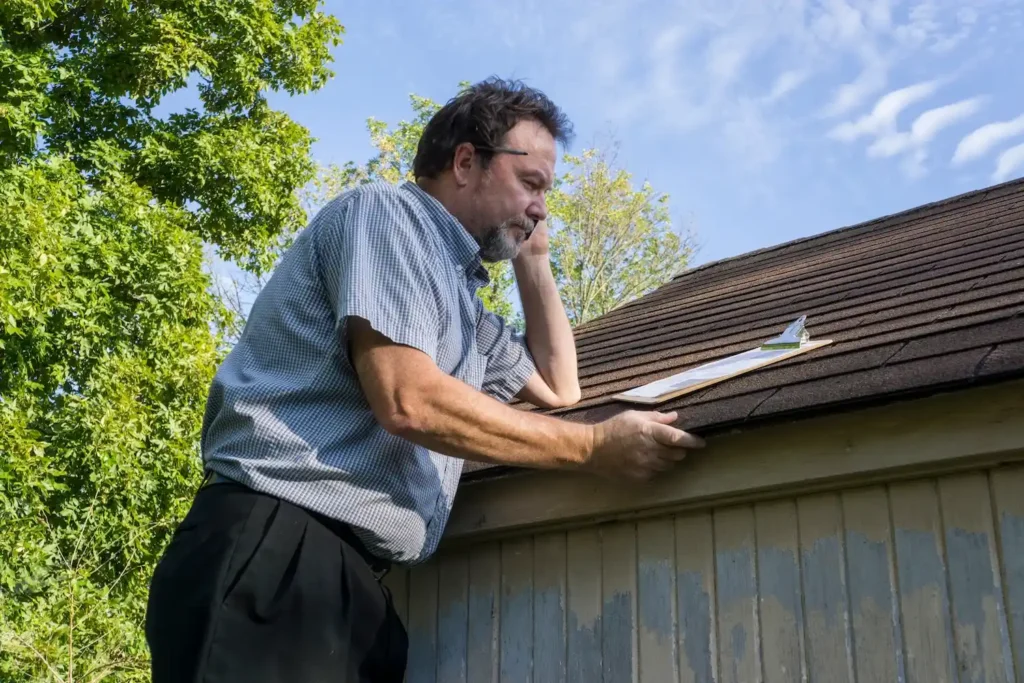
Insurance adjuster figuring hail damage done to insured roof; roof depreciation

WHY DOES IT MATTER?

Because your roof was worth more when you purchased it than the time it was damaged, your insurance company will use the rate of depreciation to determine how much money they’ll need to pay you for a claim.

However, two different insurance models affect how your insurance company will approach a roofing claim.

ACV VS. RCV

Roof depreciation is calculated at the time you make a claim. All three factors are taken into account. The sooner you make a claim after your roof is installed, the more money you’ll receive for the claim under either insurance model. But here’s how they both work.

ACV (Actual Cash Value)

ACV stands for Actual Cash Value. With this model, your roof insurance company will take the cost of a new roof and subtract it from the value of your roof at the time you make a claim. For example, if your roof has a listed ACV of $20k and you make a roofing claim at 20 years old, it may only have an estimated value of $5k after roof depreciation. In that instance, your insurance company is going to pay you $5,000 to help with repairs, and you’ll have to cover the rest.

woman on phone looking over roofing insurance papers; roof depreciation

RCV (Replacement Cost Value)

This model is a little different in that it considers roofing depreciation when you make a roofing claim. It’s possible that your roof has an RCV of $20k, but after 12 years, it may only be worth $12k. A roofing claim in this scenario could see a recoup of 100% of the cost to replace your roof through the RCV model. The downside to this insurance model is that it’s significantly more expensive for homeowners.

ACCURATELY ASSESSING ROOF AGE FOR INSURANCE

It’s important to remember that roof depreciation is calculated at the time of a roofing claim. If you have an ACV insurance policy, you’ll need to take roof depreciation into account when assessing roof age. You won’t be penalized for the roof being older, but it may have a reduced value because of its age.

The best way to protect yourself and get a fair assessment is to document your roof’s age and condition from year to year. Take several pictures and date them to show your insurance company when you make a claim.

An RCV roof insurance policy, however, will be calculated at the time of a roofing claim regardless of roof age. That’s a benefit that you’ll have to pay for in your home insurance policy, but it is a huge one.
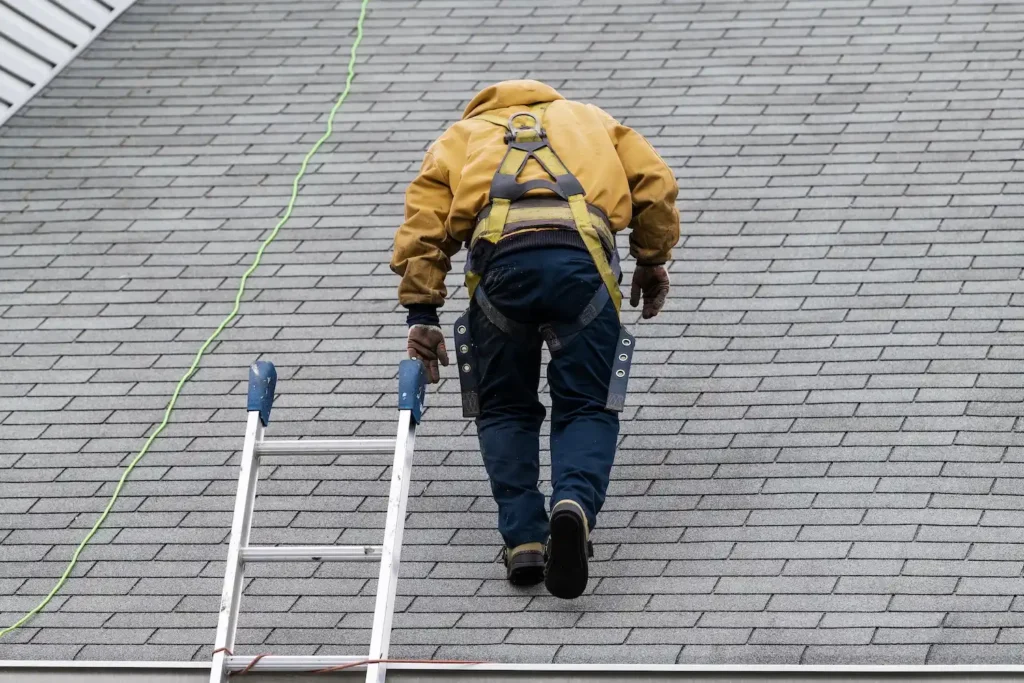
House during day with gray color Single Family Home and construction man in yellow uniform walking on roof shingles and ladder during repair; roof depreciation

ROOF DEPRECIATION RATES

If you’ve been trying to determine whether you want to pay for ACV or RCV insurance on your roof, then you’re probably wondering how much and what rate your roof will be depreciating. Here’s a simple chart that can help you easily understand what the cash value of your roof would be on average.

COST OF ROOF WHEN INSTALLED CASH VALUE

20k after 1 year 20k

20k after 5 years 15k

20k after 10 years 10k

20k after 15 years 5k

20k after 20 years <5k

GET HELP FROM THE PROFESSIONALS!

If you’re overwhelmed with the insurance process, we’re here to help you. As a roofing company, we’ve dealt with a few insurance claims over the years, and we’ve learned some of the best ways to handle claims.

The benefit of having MARS Roofing help with the insurance claims process is that you’ll be getting help filing a claim and a roofing company that helps get the job done.
Roofing 101: Learn The Basics Of Roof Installation (Step By Step Guide)

Roofing 101: Learn The Basics Of Roof Installation (Step By Step Guide)

Ready to learn the basics of roofing?

The roof replacement process can be deceivingly straightforward, especially when a team of 5 professional roofers can knock out a project in 8-10 hours.

Now, not every roof installation project will go that fast. Depending on the material, size of the home, and weather, a project will vary from around 1-3 days. It’s also important to remember that this roofing team has all of the proper tools, training, and years of experience to do this. Nonetheless, that’s still pretty quick. Roofing projects must get done quickly because the more time that a roof is left without a surface.

Here’s how the roofing process works.

ROOFING 101: WHAT YOU’LL NEED TO BEGIN

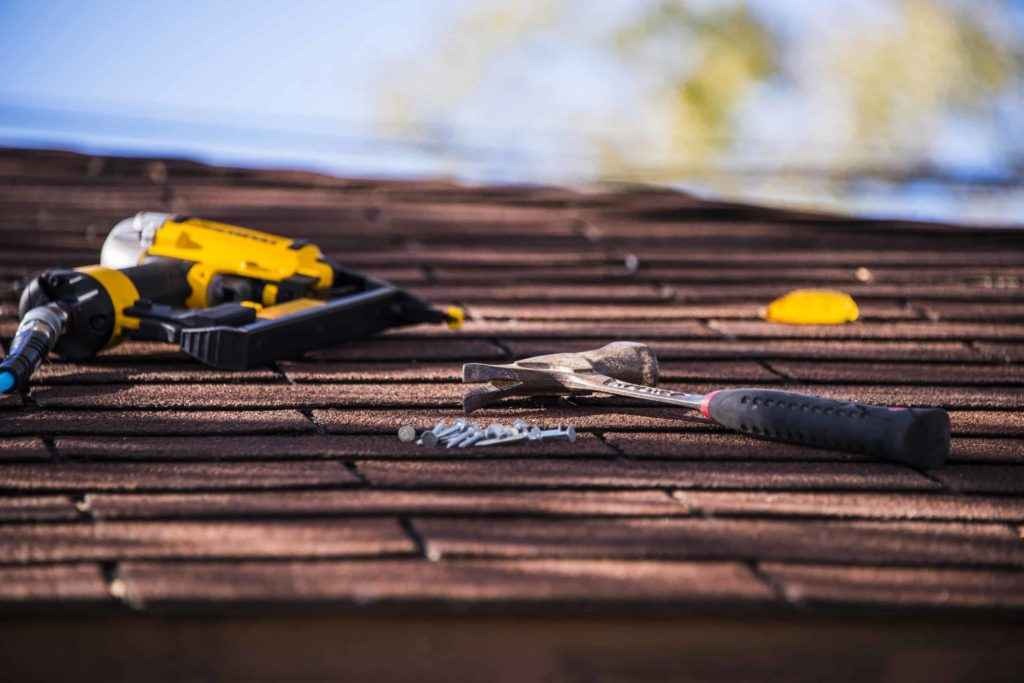
roofing tools for roofing 101

ROOFING TOOLS

Before you’re able to start roofing your home, you’ll need to have the correct tools.

  • Roofing Nail Gun
  • Roofing Hammer/Hatchet
  • Air Compressor
  • Hammer Tacker Stapler
  • Scoop Shovel
  • Pry Bar
  • Tarps
  • Chalk Line
  • Measuring Tape
  • Tin Snips
  • Caulking Gun
  • Skill Saw
  • Saw Horse
  • Ladders
  • Broom and Rake
  • Safety Equipment

ROOFING MATERIALS

These are the roofing materials that you’ll commonly need to roof an asphalt shingle roof.

  • Asphalt Shingles
  • Drip Edge
  • Roofing Nails
  • Tar Paper (Ice and Water Shield)
  • Staples

Roofer putting shingles on the roof of a home; roofing 101

REMOVING THE OLD ROOF

Unless the roofing project takes place on a new build, the roofing company you choose will need to remove the old roof before installing a new one. Occasionally, a re-roofing application is possible, which is when new asphalt shingles are placed over the existing shingles. This can only be done one time, and the next time that the roof is replaced, all of the material will need to be removed.

Cleaning up after scraping everything off the roof can be difficult. If you’re worried about your grass having nails and such in them, ask your roofing contractor how they plan to keep things cleaned up.

CHECKING VENTS AND INSTALLING TAR PAPER

After all of the shingles and tar paper is cleaned off the roof, you’ll be able to check on the rest of the roof. The exposed sheeting on the roof should be inspected for water damage or places where it might not be as secure as it should be. It’s also a good time to replace any vents that are damaged from hail. These vents can be easily changed out after the shingles are removed.

After you feel confident that the roof is in good condition, you can start rolling out tar paper over the roof. Tar paper acts as a vapor and water barrier for your roof. Installing the tar paper is fairly simple. All you need to do is roll it out and staple it down.

INSTALLING FLASHING

Next up is flashing. Flashing is the metal part of your roof that goes directly against the different seems in the roof. It helps protect your house and siding from the heavier amounts of water that often run around the edges of your home.

In some cases, you will need to bend and cut the flashing to fit the different areas of your roof. Getting the cuts and bends right is difficult and takes someone with experience to get it right.

Roofing a home; roofing 101

SHINGLING THE ROOF

With tar paper and flashing all in place, you’ll be able to start installing shingles. The best way to go about installing shingles on your roof is to work from the bottom of the roof to the top. The reason roofers need to work from the bottom of the roof to the top is that roofing shingles overlap each other. By starting on the bottom, you’re able to place the next row over the top of the last and continue that all the way up.

Asphalt shingles are also designed to have a pattern. This means that where you start the row after the first row matters. You’ll need to follow the pattern so that your shingles line up and properly shed water. Continue repeating this process until you reach the ridge of the roof. A ridge cap is used along all of the ridges of your roof to attach the two different sides of your roof.

MAKE SURE YOUR GUTTERS ARE IN GOOD SHAPE

When you’re done with the shingles and happy with how your roof looks, you should definitely take a look at your gutters. Gutters are essential in every home because they help to carry water away from the foundation.

Without gutters, a home will have an uncontrolled spill of water rushing off the roof and down around the foundation. This can lead to water in your basement and eventually a weaker foundation if it’s not taken care of.

KNOW WHEN TO CONTACT THE PROFESSIONALS

While doing your own roof installation is a great way to save money, it is also a great deal of work and if not done correctly, can lead to extensive repair costs in the long run. This is why it is important to know your handyman limits and when to contact the professionals.

When you hire a quality contractor for your roof installation, not only do you get a properly installed roof that will last you years to come, but you will also get workmanship and manufacturer warranties which will further protect you incase anything goes wrong (manufacturer warranties are often void when not done by a licensed contractor).

If you are looking for a trusted contractor to re-roof your home, give us a call at Mars Roofing. We’d love to help! The team at Mars Roofing is accomplished and ready to roof your home. Give us a call or fill out the form on our website to get started!