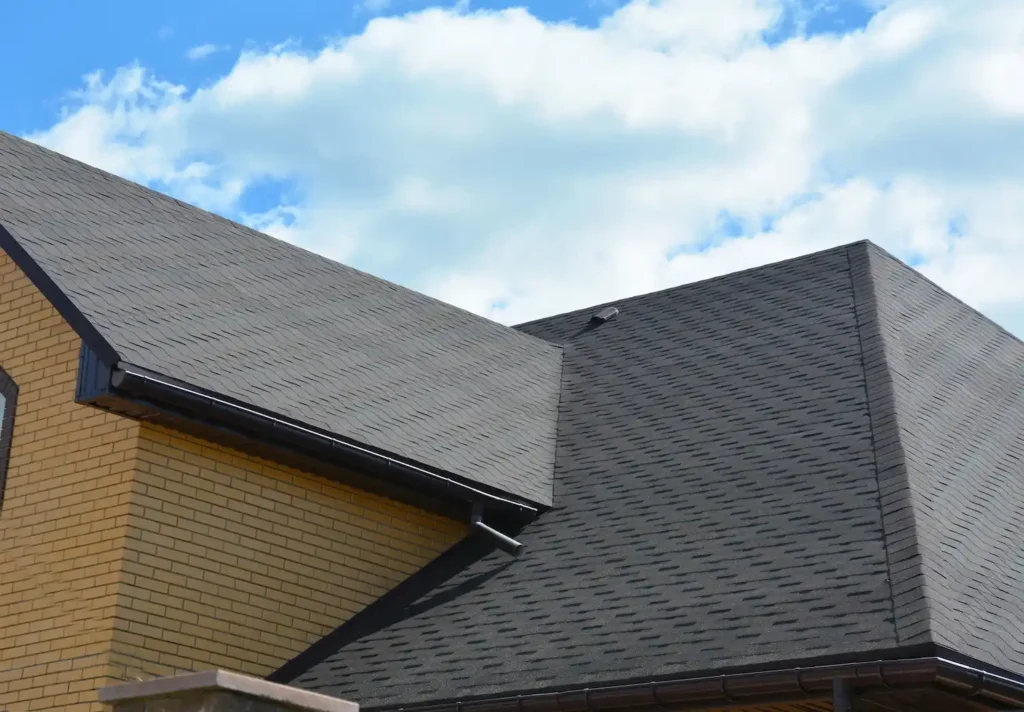

What Is A Gable Roof? [Picture Guide]

What Is A Gable Roof? [Picture Guide]

While the use of gable roofs in architecture dates as far back as ancient Greece, this roof style was most popular in the United States in the 19th and early 20th centuries. Just because it’s not as ubiquitous as it once was, however, it doesn’t mean that this roof style doesn’t still have its merits.

Let’s break down the qualities of a gabled roof, examples of gabled roof styles, and why a gable roof might be the right choice for your home.

GABLE ROOF CHARACTERISTICS

All gabled roofs have a few characteristics in common:

  • Two or more (often steeply-pitched) roof sides
  • One or more ridges, which are formed where the tops of two roof sides meet
  • Two or more gables, or the sections of wall or siding that run perpendicular to the roof sides

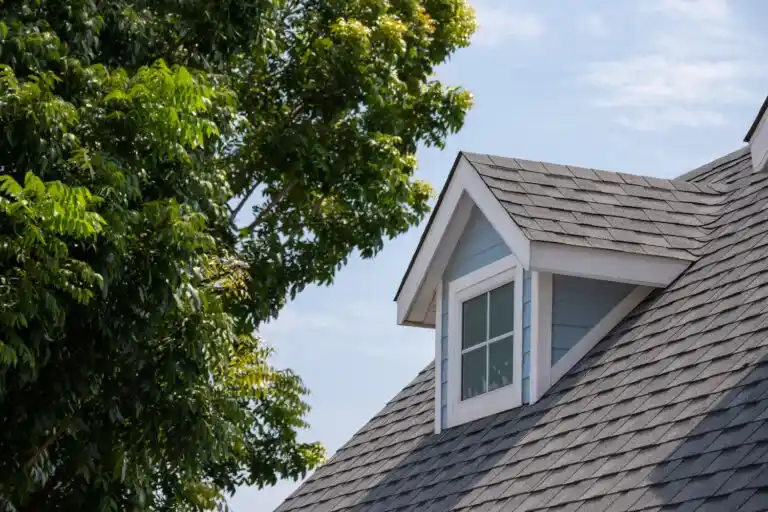
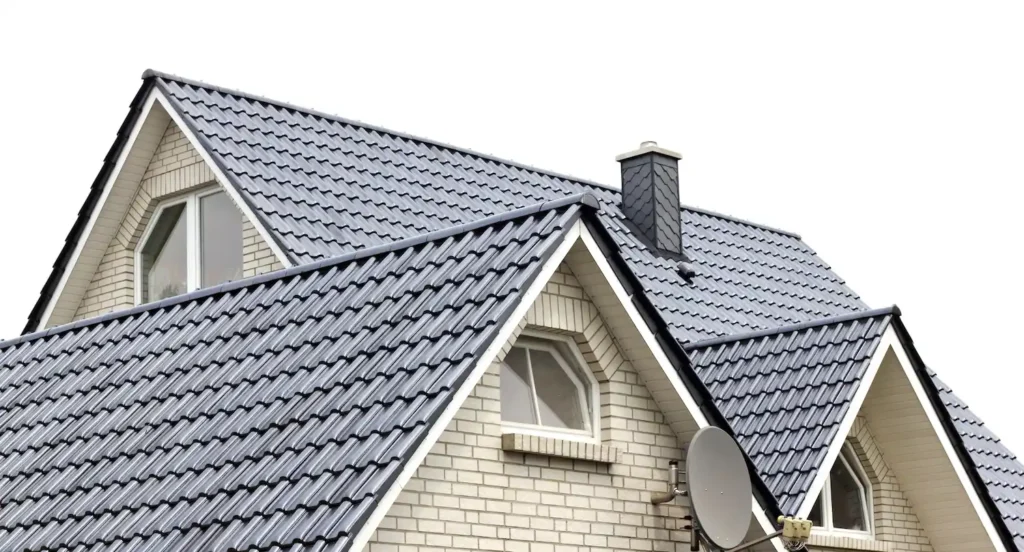
Nearly any roofing material can be used to build a gable roof, including concrete tile, asphalt shingles, and cedar shakes. The gables are usually made of the same material as the siding on the rest of the house. A gable roof may or may not have dormer windows as well.

TYPES OF GABLE ROOFS

Different kinds of gable roofs are distinguishable by the location of their gables, the number of ridges they have, and the pitch of the roof.

FRONT, SIDE, AND CROSS GABLE
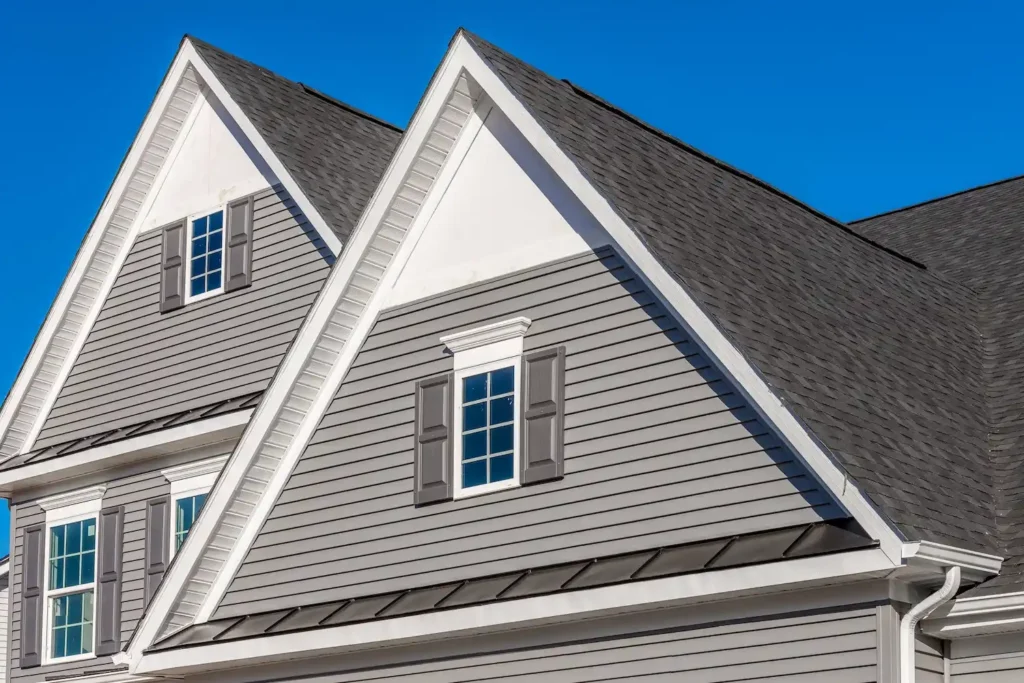
gable roof cross

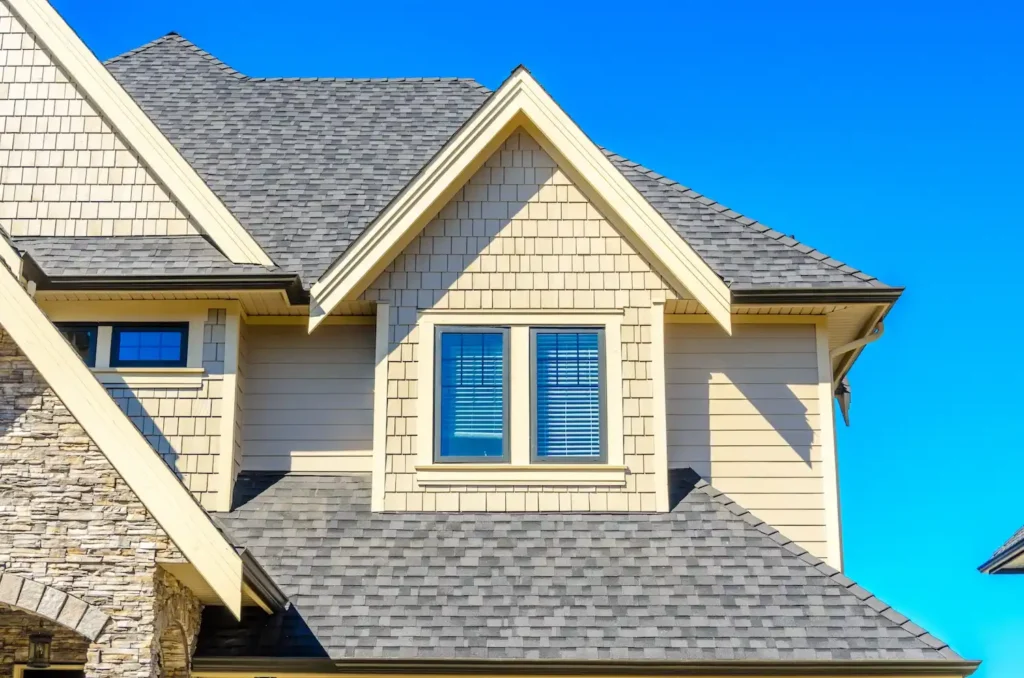
Sometimes called open gable roofs, both front and side gable roofs have the typical sloping sides and open gables that you expect from a gable roof. For a front gable roof, the gables are located on the front and back sides of the house. A side gable roof, as the name suggests, has gables on the sides of the home.

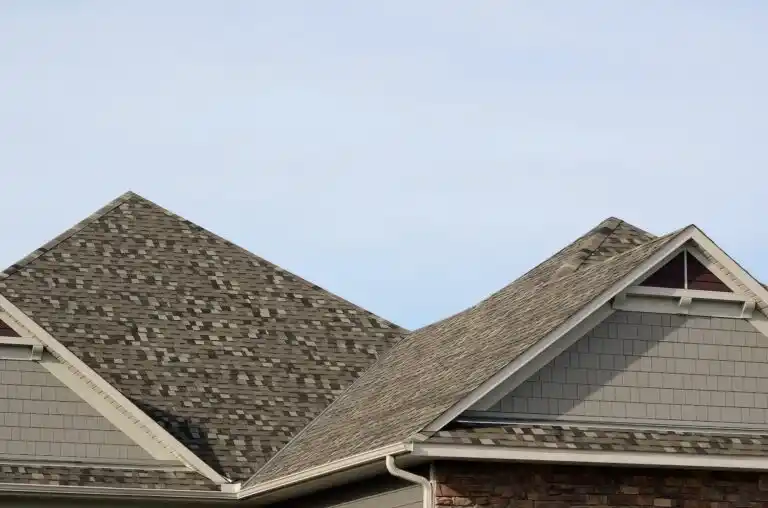
A cross-gable roof is a blend between both front and side gable roofs. This roof design is somewhat complex and results in a roof with multiple ridges, several pitched sides, and four gables in total.

BOX GABLE
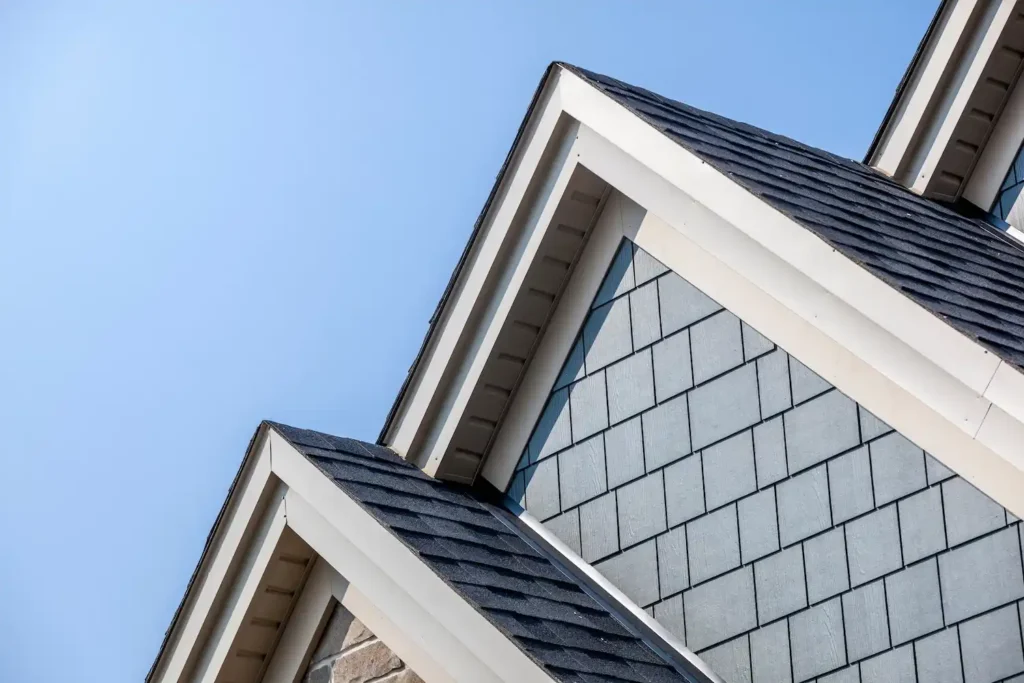
gable roof peak

A box gable roof looks like most standard gable roofs, except that the triangular sections of the gables are boxed in. This makes them a more prominent part of the architectural design than on a standard gable roof.

GAMBREL
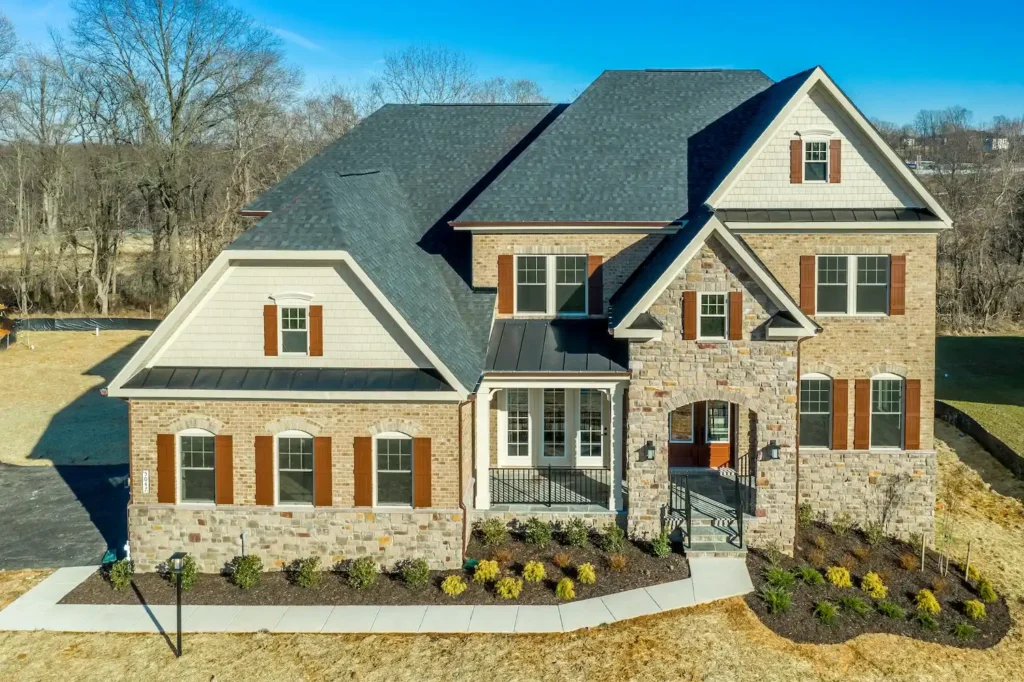
gable roof gambrel

A gambrel roof is a type of gable roof design made of two parts: the lower halves of the roof sides have steep pitches, and the upper halves of the roof have more shallow pitches. If you picture the shape of a typical barn roof, you’ll have a sense of the shape of a gambrel roof. This roof style is great for adding additional storage space inside the building or for creating enough ceiling space for a loft.

✅ GABLE ROOF ADVANTAGES

  • Because of their simple design, gable roofs tend to be one of the most cost-effective roof styles out there.
  • The steep pitch of these roofs also allows snow and ice to slide off the sides easily. This makes them ideal for cold-weather climates and climates that experience high levels of rainfall.
  • Because two sides of the roof are not pitched, you also get a lot more attic space with a gable roof than you do with a hip roof. You can even supplement your existing attic ventilation by adding gable vents to get rid of extra moisture in your home and increase the air quality inside.

❌ GABLE ROOF DISADVANTAGES

  • Gable roofs do not hold up well to high winds, so if you live in a windy climate or in an area that has a good chance of experiencing high-speed windstorms, this may not be the best roof choice for you.
  • Although the base cost of a gable roof is relatively inexpensive, if you’re planning on building a complex gable roof design (think cross gable or gambrel), you may run into increased costs. This is especially true if the interior walls need to have support added to them or if your walls need to be built to different heights to accommodate the complex design.

START YOUR NEW ROOF PROJECT TODAY

With our cold and snowy winters, a gable roof is an ideal choice for any home in Maryland. The attractive and practical design is sure to make your home the talk of the neighborhood.

Interested in getting your gable roof repaired or installed? Look no further! Get in touch with one of our experts today.
How To (Quickly) Patch A Roof Leak

How To (Quickly) Patch A Roof Leak

Knowing the basics of how to patch a roof leak as soon as you notice it is key to mitigating damage and preventing unwanted risk in the structure of your home. Let’s see the leading causes of roof leaks and the most practical DIY fixes to prevent a leak from getting bigger!

CAUSES OF ROOF LEAKS

What causes a roof leak? Can a garden hose and pry bar really fix my issues? Finding out the causes of why you may have a leak can help homeowners find immediate solutions that will not break the bank.

OLD AGE

One of the most common reasons for a leaky roof is old age. Roofing material can break down over time, leading to leaks, holes, cracks, and curling shingles. You can help prevent roof leaks from old age through maintenance, roof repair, removing debris, and getting roof inspections every few years.

DAMAGED FLASHING

If your flashing was improperly installed or damaged in an event, such as humid/warm weather or a storm, it could cause damaged flashing that leads to weak points and instability in the roof. Flashing can be damaged by exposure, deterioration, and impact on the structure.

BROKEN TILES

The third reason your roof may leak is due to damaged roof tiles. The roof tiles help protect against impact and weather in your home — if roofing tiles are damaged, they can crack or fall off completely, leading to dampness, moisture build-up, condensation, and rotting.

DAMAGED ROOFING UNDERLAYMENT

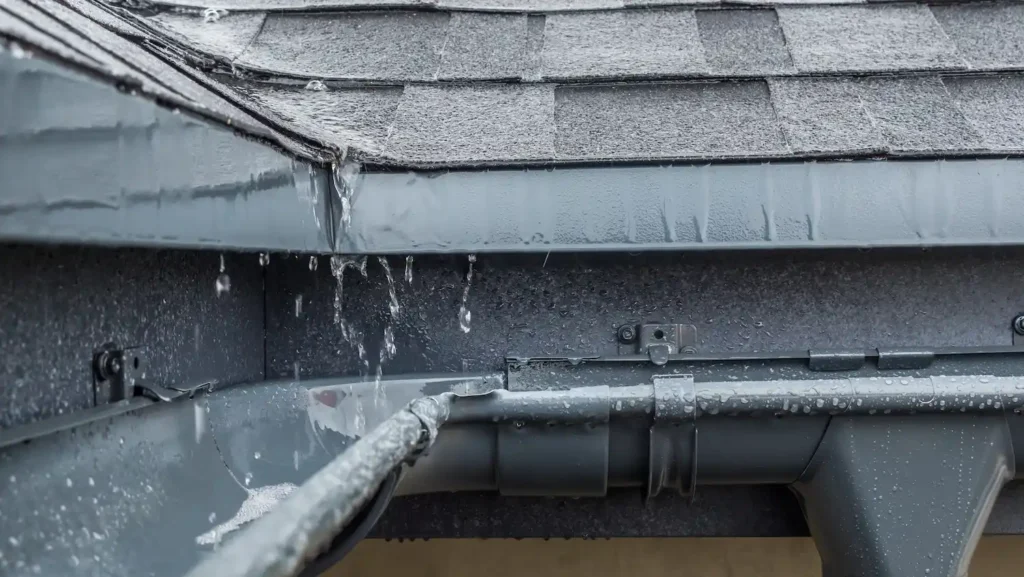
If your roof has been damaged under the initial protective layer, this can cause moisture in the home, gutter cracks, and pooling water, leading to leaks inside your home.

WRONG ROOFING MATERIALS

Another common reason for leaking in your home is due to improper installation of roofing materials, cheap material, or the wrong material for your climate and home. For example, if your house does not have a double-layer of waterproof protection and you live in a wet climate, this can cause leaks.

HOW TO PATCH A ROOF

If you notice your roof is leaking, you need to find out the best ways to quickly patch the roof to prevent any more damage, emergency situations, and large-scale instability in your home.

USE A TARP

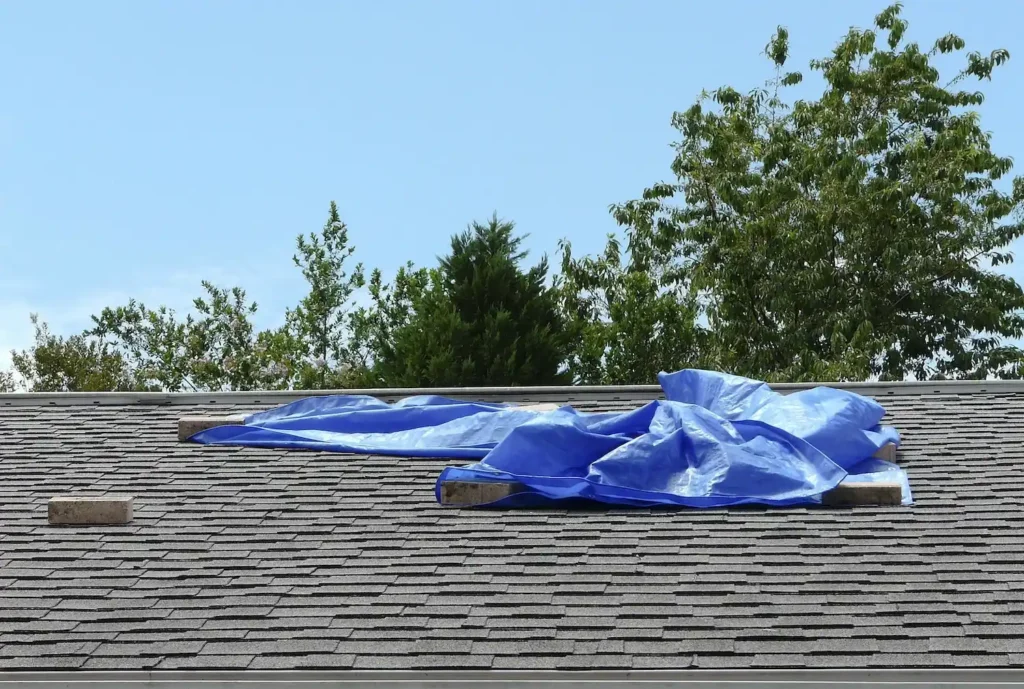
The first way to quickly patch a roof is to use a tarp to cover the spot that is leaking. Although this is not a long-term solution, the tarp will catch the water and prevent the moisture from getting into your house. Use a hammer and roofing nails to secure the edges of the tarp and prevent it from moving.

how to patch a roof tarp

USE ROOFING CEMENT

The second way to patch a roof is to use roofing cement to block any cracks, holes, or leaks in your roof. Get rid of any debris or large particles from your roof, and then use the roof cement to secure the leak.

USE A CAULK GUN

The third method to patch a roof is to use silicone gel or a caulk gun to plug a small gap or hole in your roof. Even though this is not a long-term fix, it can help stop leaks as soon as you notice them.

USE RUBBER ROOF SEALANT

The fourth method to help eliminate leaks in your house is using a rubber sealant to block leaks and holes. If you have a large-scale leak, try to use both a rubber boot and a tarp to stop the leaks and prevent water damage. For small leaks, use the rubber sealant and spray it on the damaged area.

USE ROOF FLASHING

The next way to prevent any leaks from growing in your home is to use aluminum flashing to cover leaking spots in your home and prevent further damage. One of the most common spots where you can use new flashing in your house is the chimney, edge, siding, or attic.

USE ROOF REPLACEMENT SHINGLES

For a more long-term fix, you can try to use roof replacement shingles on the leaking area. Although you may need a professional to do the official installation process, you can use new shingles to replace any missing shingles showing signs of age or deterioration.

Some shingles may be warped, broken, cracked, or curling, meaning that you need to replace these as soon as possible to identify the leak’s location and replace the old shingle. Identifying curled back shingles and old shingles is key to preventing a breakdown of most roofs.

USE TAR PAPER

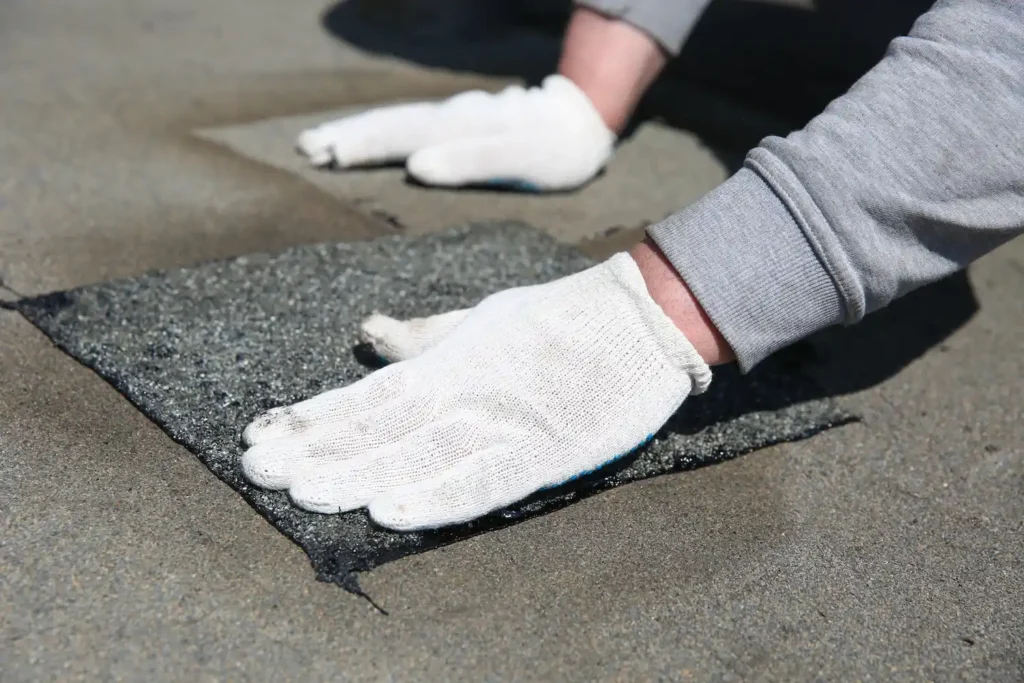
You can also use tar to replace a shingle or high-density fiberboard. This is one of the easiest ways to repair the edge of your roof. Use a nail to secure the paper while repairing the leak in your house. You may need to use a pry bar to remove a generous amount of the roofing structure.

how to patch a roof gloves

USE SHEET METAL

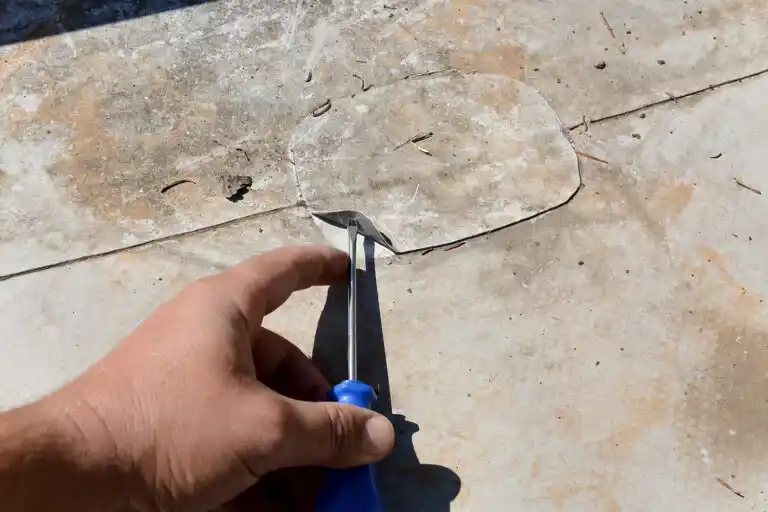
The following way that homeowners can fix a leak in their house is to use a DIY shingle from metal or plastic that can cover the gap in the house. Measure the right size of the surrounding shingles to see how big of a piece of metal to use to replace the asphalt shingles. You can cut the right size of metal using a utility knife or putty knife to measure the new shingle.

USE PIPE FLASHING

The last way to stop a leak in your house ASAP is to use pipe flashing to replace old flashing or step flashing. If your leak is coming from the area around your water system or pipes, getting a new pipe flashing boot is the best way to prevent any moisture from soaking into your ceiling. If you need to remove the flashing, use a pry bar or flat bar to replace damaged flashing or roof sheathing.

FIXING A LEAKY ROOF: CONCLUSION

Do you have a leaky roof? Are your asphalt shingles breaking and cracked? What are the steps for repairing a leaky attic?

Although you may think you need a professional roofer or roofing contractor to repair a leak, you can usually do the repair effectively on your own. Sometimes, replacing curled shingles, fixing nail heads, and peeling back corners of neighboring shingles can be done on your own!

Whether you have asphalt shingles or curled shingles, learning the basic DIY steps of how to patch a roof is key. Although there are different roof types, the typical repair steps are the same when repairing a leak in your home.

How To (Temporarily) Fix A Leaking Roof From The Inside

How To (Temporarily) Fix A Leaking Roof From The Inside

Sometimes time or finances can cause you to put off general maintenance around the house. If you noticed that you have a leaking roof and have not gotten around to fixing it, you know that the problem will only worsen with time. If a heavy rainstorm comes along and you notice roof leaks have suddenly gotten significantly worse, you may begin to panic.

The only true solution to a leaky roof is to call a professional to fix it or replace the roof altogether. But if it is leaking badly you have to do something or risk a lot of damage to your home. If there is a thunderstorm you cannot climb on the roof. You may be wondering how to fix a leaking roof from the inside of the house.

PATCHING THE ROOF

Putting a patch on the inside of your leaking roof is a temporary fix. It is a way to keep the water from coming in until you can get someone to do a proper repair on the outside. Never patch the inside and leave it as a permanent repair of roof leaks.

GO INTO THE ATTIC

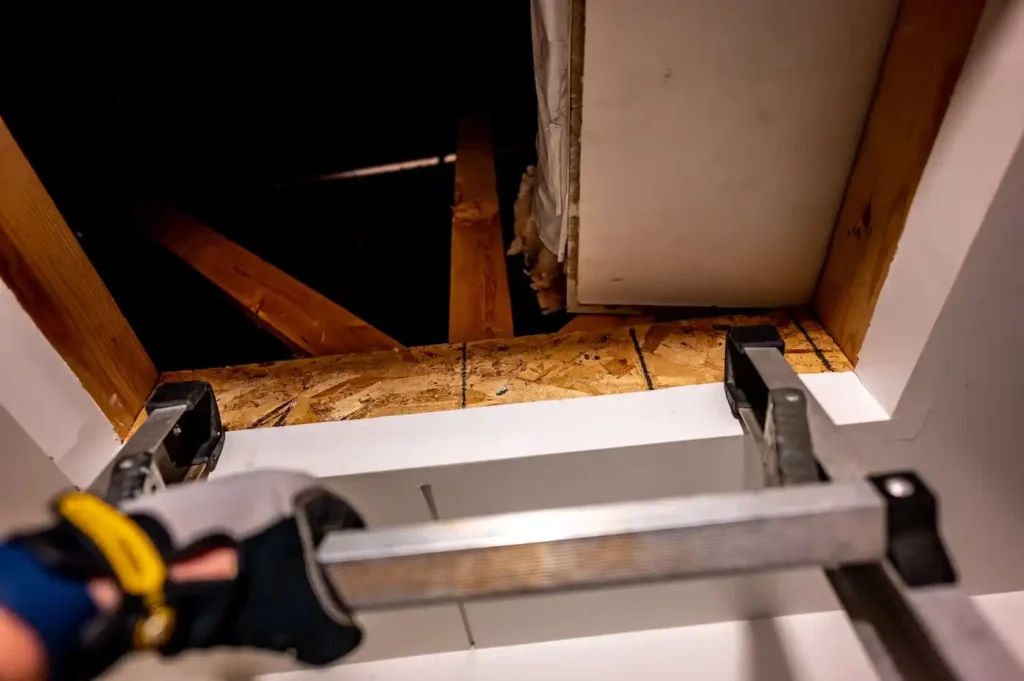
To fix a leaking roof you will have to gain access to your attic with a ladder and search for where the water is originating from. Remember that the place you see water may not be the origin point. Water from a leaky roof can travel along surfaces before it starts to drip onto the ground.

Once you find the leak, open the drywall and remove as much insulation as you can to get to the leak. Be careful that you are not working around any of your home’s wiring. The drywall should be easy to get through if it has been leaking for a while. Use sponges or towels to soak up as much standing water from the roof leak as possible to prevent further damage.

how to fix a leaking roof from the inside attic

MAKE A PATCH

If you have some extra roofing shingles and tar, they will be the best tools to use to patch the leaking roof. If not, you will need to make a quick trip to one of the hardware stores and pick up a piece of plywood and roofing tar. Use a utility knife to spread the tar evenly across the small holes. Put it on thick to prevent the roof leak from opening up again before you can fix it properly.

After applying the tar to the leak, stick the shingle over it. Put more tar around the edges to seal it as well and careful as possible. You have to cover every opening or the water will find another way to get in.

MAKE A MAP

Use a tape measure to determine how far the roof leak is from the edge of the ceiling. Once the rain has stopped and everything has dried out, you will want to use this measurement to find the leak from the outside. You do not have to be precise, but try to give yourself an idea of where to look.

PATCH THE ROOF WITHOUT PLYWOOD OR SHINGLES

You know how to fix a leaking roof from the inside, but there is a good chance you do not have any roofing shingles laying around. And if you cannot get any wood you can still put a patch on the ceiling. You will still need some roof patch or leak cement. It will cost you about $25 at your local hardware store.

Once you have found the leak, dry the standing water as best as you can. The roof patch substance works best in a dry site. Then apply a generous amount directly to the leak and spread it evenly with a putty knife. Once the roof patch dries you can either apply more of the roof patch or you can go around the edges with caulk to be sure you have closed up all the holes.

OTHER OPTIONS

If it is late, the hardware store is closed, or you cannot afford to buy shingles or roof patch, you still have options. The water will do damage to your home if you do nothing, or the roofing tar may not work in wet conditions. If you cannot patch the roof from the inside, the next best thing is to divert the water or cover the leaking hole in the attic ceiling.

DIVERT THE WATER

Once you have found the leak, stick a large nail in it. The nail will give the water something to run onto and it will all drip away from the leaking area in one direction. That will keep it from continuing to spread into your insulation and drywall. Remove standing water and then place a large plastic bucket or container beneath it to collect the water.

If it is raining heavily, the bucket may fill up quickly. You may have to sit and babysit it until the rain stops or the leaks slow down. You may also need a second bucket to swap out so you can go empty it when it gets full.

how to fix a leaking roof from the inside roof

COVER THE HOLE

If you cannot patch your roof from the inside but you have access to a tarp or plastic sheeting, you can use it to temporarily deal with a small leak. This will only work if the rain outside is not heavy and it is even more of a temporary solution than patching it. You can cover the area of your roof with the tarp and attach it to the ceiling joists in your attic with a staple gun, but realize that the roof is still leaking and that water is now collecting inside the tarp. If it goes on for too long you might have a bigger mess on your hands.

CONCLUSION

If it is raining and you have discovered a large leak in your roof, you will not be able to do a proper fix until it dries. However, in a pinch, you can use some of these methods to temporarily fix the problem. The only true repair for leaky roofs is calling a roofing professional or replacing the whole thing. Be sure to make that call as soon as possible to prevent an even bigger problem later on.

Does A New Roof Increase Home Value? (Value Of New Roof)

Does A New Roof Increase Home Value? (Value Of New Roof)

Are you looking to sell your home soon for a good price? If so, how great does your roof look? If your old roof needs roof repair, then consider replacing shingles. If you want to have a large house sale price, you may wonder – does a new roof increase home value?

You’ll find that an entire roof replacement will lead to a large increase in the full asking price when you sell your home. If you need a new roof installed, you’ve come to the right place. Here, we will detail:

  • The reasons why your home sale price will grow
  • How much added value to expect
  • The costs of a new roof
  • The roofing materials and shingles you’ll need
  • And more!

If you have an old or sagging roof, you should consider replacing the entire thing before selling your home. That way, you can get more money from the home sale. Are you ready to learn more? Then, let’s get started!

WHY DOES A NEW ROOF INCREASE HOME VALUE?

You don’t want your real estate agent putting buckets in your house to catch the raindrops when showing off your place to potential buyers. Many buyers will not put down a bid on a home with an older roof in poor condition.

Research shows that you will get back 66 to 69 percent of the cost spent on a new roof from the home sale. Your return on investment (ROI) isn’t dollar for dollar, but it will boost home value.

does a new roof increase home value new

HOW MUCH VALUE DOES A HOME GAIN AFTER A ROOF REPLACEMENT?

A new asphalt shingle roof replacement will increase your home value by as much as $15,247 based on national data from 2019. However, the average national cost of an asphalt shingle roof replacement is $22,636.

However, if you’re looking for an incredibly durable roof with minimal maintenance, you may need to install a metal roof. The average resale value of your home will increase by around $23,526 if you choose metal roofing.

DOES A METAL ROOF FURTHER BOOST HOME PRICES?

A metal roof does increase your full asking price and improve your home’s exterior. It adds as much as $8,279 on average to your home sale value as compared to replacing a roof with asphalt shingles.

However, you should also consider the initial costs of installing metal roofs. The average national cost of metal roofing replacements is $38,600. That price is much higher than the average price of asphalt shingle replacement, which is only $22,636.

HOW MUCH DOES A NEW ROOF COST?

Roof prices vary greatly depending on the roofing materials used, the size and shape of your home, and the location of your property. Wood shingles, metallic materials, and clay tile tend to have a larger price due to their greater durability. Roofing material is key when it comes to price.

When using asphalt roof shingles, on the other hand, the average roof replacement costs between $4,200 to $6,000 for a 1,600-square-foot home. For more superior materials, however, the cost will range between $9,500 to $16,000.

WHAT TYPE OF SHINGLES ARE BEST FOR YOUR HOUSE?

Asphalt shingles are usually the best choice for the majority of houses nationwide, according to Consumer Reports. That’s because these shingles are easy to install, lightweight, and quite affordable. However, if you live in a tropical or hot climate, metal roofs are great at reflecting sunrays, keeping your house cool, and cutting cooling costs.

TOP REASONS FOR A NEW ROOF

There are numerous major reasons you may need a new roof for your house, such as:

  • Your roof is leaking
  • You have missing, broken, or torn shingles
  • You’ve found mold and mildew growing on your roof
  • The roof materials have gotten too soft and rotten

HOW TO MAXIMIZE THE ROI OF A FULL ROOF REPLACEMENT

If you have chosen to replace your roof such as a tear-off roof replacement, there are steps you can take to maximize your return on investment. You’ll need to make some upgrades to keep your new roof protected, such as:

  • Installing seamless gutters
  • Adding gutter guards
  • Adopting heated gutter systems if you live in snowy, cold environments

does a new roof increase home value metal

FREQUENTLY ASKED QUESTIONS (FAQS) ABOUT A NEW ROOF

Below, we answer several typical questions about a roof replacement and its associated increase in home value.

HOW MUCH VALUE DOES A NEW ROOF ADD IN 2022?

While you may not have as much ability to get full ROI from a new roof once you sell your place, replacing your roof can add an average of $12,000 to your home’s value. Yet, if you have decided on using metallic material for your roof, you will gain as much as $23,526 on your home sale price.

DOES A NEW ROOF ADD HOME VALUE DURING AN APPRAISAL?

Fixing your old roof with new shingles can add home value to your property during an appraisal. On average, your new shingle roof can raise your home’s resale value by $15,427, according to  Remodeling magazine’s Cost vs. Value Report 2019.

When an appraiser considers the overall value of your home, the appraisal will include all home improvement projects, such as a new long-term roof.

WHAT HOME IMPROVEMENTS ADD THE MOST VALUE TO A HOUSE SALE PRICE?

Besides a new roof, several of the biggest home improvement projects that add the greatest value to your home sale price include:

  • Finishing a basement
  • Adding an extra bedroom
  • Installing a new bathroom
  • Renovating your kitchen completely
  • Partaking in a complete bathroom remodel

FINAL WORD

So, does a new roof increase home value? The clear answer is yes! A new roof will increase your home’s value, as it will keep your home dry and free of mold. Home buyers prefer properties with new roofs and renovations.

To increase your home resale value, consider repairing the shingles with new ones or replacing the entirety of your home’s roof with metallic materials. Soon, you’ll sell your place for a reasonable price.

Hip Roofs: Everything A Homeowner Should Know (Guide)

Hip Roofs: Everything A Homeowner Should Know (Guide)

Choosing a certain roof design is a huge decision. It’s a huge financial investment that can either protect the rest of your home or leave it vulnerable to the elements. So, how do you choose the right type of roof?

There are many roof types out there, but one of the most popular is the hip roof. Aesthetically pleasing and perfect for contemporary homes, the hip roof can greatly increase your curb appeal. Today, we’ll be discussing what to consider when it comes to selecting a hip roof for your next project.

WHAT IS A HIP ROOF? 🤔

A hip roof has four downward sloping sides, with no flat face along the roof. The hip roof is one of the most commonly used roof styles in North America, after the gable roof. The gable roof differs because it has only two sides that slope downward, and the other two sides are walls that extend higher.

hip roof sky

Besides the hip roof and the gable roof styles, you have other roofing style options:

  • Mansard roof
  • Gambrel roof
  • Valley roof
  • Pavilion roof
  • Half hip roof
  • Dutch hip roof
  • Pyramid hip roof
  • Pyramid roof
  • Dutch gable roof
  • Clipped gable roof

You have a lot of options, but we’re focusing on the hipped roof today. This roof style originated in South East England, and because of that, it became very popular in North American homes. But throughout the centuries, why has it remained so popular?

✅ BENEFITS OF THE HIP ROOF

Hip roofs offer a lot of advantages that you might not have considered. Here are the top three benefits of this style of roof:

SAVES SPACE

Hip roofs are typically used on houses in neighborhoods or cities where space is limited. If you live in a very tight, crowded area, you may want to opt for a hipped roof when replacing your own.

EXTREME WIND RESISTANCE

This type of roof can also be used to protect buildings from high winds, making them a good choice for coastal regions. It’s self-bracing, which means these types of roofs need less vertical support than other types of roofs. If you live in an area with high winds, a hipped roof slope is often ideal.

EASY TO BUILD

Many builders prefer building hip roofs because they’re generally easier to construct. If you decide you want this type of roof, your builders will often be happy and confident heading into the project.

hip roof shingles

⛔ CONS TO CONSIDER

This roof style is great for a lot of families, but there are some cons to consider before deciding to go with it. Here are the cons:

LESS ATTIC SPACE

If you want a big attic, this type of roof slope is not for you. A gable roof has far more attic space. If you choose a hipped roof, you’ll have to accept the fact that you’ll be compromising on the extra space.

ISN’T GREAT FOR SNOW

Unfortunately, if you live in an area with high snowfall, hipped roofs are generally not your friend. If you still want this style of roof, speak with your architect about specifically designing it to better withstand snow. You can also further support your roof with snow and water barriers.

In contrast, the gable roof is great for withstanding snow, which is why they’re popular in colder climates, such as New England and Canada.

MORE EXPENSIVE

Compared to gable roofs, hip roofs are more costly. They require more roofing materials, which makes them more expensive to build. However, depending on what area you live in, it can be a great investment to protect your home.

CHOOSING HIGH-QUALITY BUILDERS 👷

It’s easy to get overwhelmed by all your options when it comes to choosing the right style of roof for your home. But don’t worry—we’re here for you! We’ll help you determine what kind of roof style is best for your home.

No matter what roofing style you choose, we can help you repair or replace it. At Mars, all we want is for you to feel comfortable in your own home, knowing that your roof is constantly protecting you and your family. Plus, we’ll get the job done well and efficiently.

If you’re ready to trust our high-quality builders, fill out our contact form today to schedule your free roof inspection. We look forward to helping you fall even more in love with your home and taking the stress off your plate.