
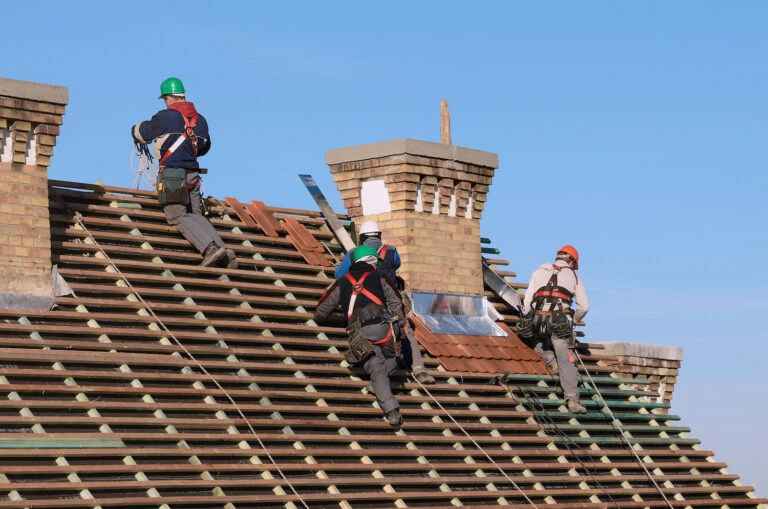
4 Cheapest Roofing Options For Homeowners On A Budget

4 Cheapest Roofing Options For Homeowners On A Budget

Replacing a roof can cost anywhere between $5,000 and $50,000, with prices varying depending on roof material, home size, and installation complexity. Fortunately, there are ways to cut costs without diminishing the quality and safety of your new roof.

One of the best ways to stick to a tight budget while investing in a roof replacement is to choose the cheapest roofing material. But, of course, if you’re unfamiliar with the options available, you might not be sure which to choose.

In this article, we’ll discuss the cheapest roofing options to ensure you don’t exceed your budget!

1. ASPHALT ROOFING

Without a doubt, the cheapest roofing material is asphalt. In addition to being the most cost effective roofing material, asphalt is also the most common option used on North American homes.

There are several types of asphalt shingles, with the most affordable being 3 tab shingles (flat), followed by architectural shingles (raised).

Of course, if you’re looking for the most stylish and durable option, you may want to consider choosing luxury asphalt shingles. These dimensional and luxury shingles often cost slightly more than basic flat varieties, but they’re generally more durable.

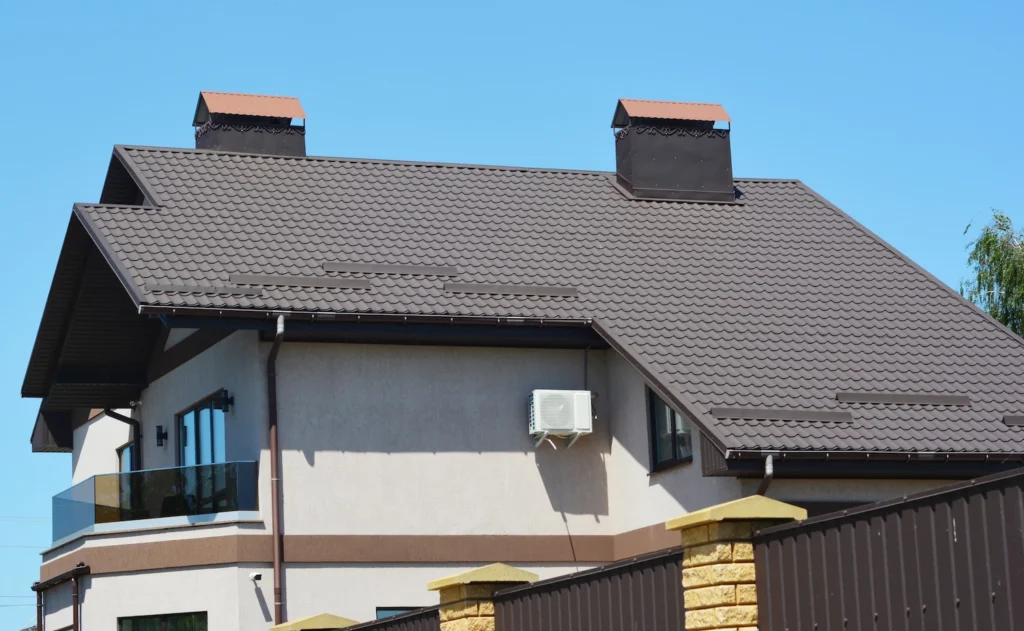
cheapest roofing material house

PRICE

The average price per square foot for asphalt shingle roofing is about $4, installation included. The cheapest asphalt shingles (like 3 tab shingles) can cost as little as $1.50 per square foot, while more luxurious options can cost upwards of $7.50 per square foot to install.

BENEFITS

The primary benefit of choosing an asphalt shingle roof is that it won’t cost nearly as much as other roofing types.

But lower installation costs are another benefit. After all, installing a new asphalt shingle roof typically only takes a few days (sometimes only a few hours), as asphalt shingles are lightweight and easy to attach to roof frames.

Consequently, you can enjoy reduced labor costs by selecting an asphalt roof.

POTENTIAL DRAWBACKS

But though asphalt roofs are the cheapest option available to homeowners, they’re also the least durable. Additionally, asphalt roofing tends to require more maintenance than metal or stone roofs, which can increase overall long-term roofing costs.

The lifetime cost of maintaining, installing, and replacing an asphalt roof can exceed that of other roof types, making it a poor long-term option. That said, if you’re in need of an affordable short-term roofing solution, it’s challenging to do better than asphalt.

2. CORRUGATED METAL ROOFING

Metal roofs are often considered some of the priciest options, but there are a handful of exceptions, including corrugated metal.

While the average installation cost for a steel roof might cost you up to $14 per square foot, corrugated metal panels can cost as little as $1 per square foot. If you’re searching for the cheapest roofing material, you might not need to look much further than corrugated metal.

PRICE

Though the base price for corrugated sheeting is quite low, it’s crucial to consider installation costs.

Because metal panels are far heavier than asphalt shingles, this roofing is typically more labor intensive. Consequently, the cost to install metal roofing is often higher than asphalt roof replacement costs.

BENEFITS

The primary benefit of investing in corrugated metal roofing is longevity. While asphalt shingles can fly off during a strong rainstorm, metal is solid and heavy enough to remain in place. It tends to last more than 30 years, making it a better long-term option.

That said, this roofing type isn’t without a few drawbacks.

POTENTIAL DRAWBACKS

While asphalt can absorbs impacts and sound, metal is far more resonant and susceptible to dents and warping. Additionally, corrugated metal can develop rust, especially if installed on a home in a coastal area.

3. CEDAR SHAKE SHINGLES

The classic look of wood shingles can make home more appealing, but did you know that you could also save money by investing in a wood roof?

One of the best (and cheapest) options for homeowners are cedar shake shingles, and they’re an ideal complement to brickwork or Tudor-style properties.

PRICE

With installation, this type of roof will set you back (on average) about $8 per square foot. Of course, the final price depends on the precise type of wood shingles you choose, as well as the size of your home.

BENEFITS

Cedar shingles are aesthetically pleasing, traditional, and comparatively cheap. They’re also slightly more durable than asphalt options. A well-maintained cedar shake roof can last up to 30 years, potentially even longer!

POTENTIAL DRAWBACKS

Though cedar shake shingles are treated to prevent them from rotting away, they are made of wood, a naturally porous material that’s particularly prone to damage via environmental elements (rain, snow, sunlight).

If you’re not prepared to maintain a cedarwood roof, you may find that that it doesn’t last a long as other options.

4. CONCRETE TILES

Though the idea of covering your home in concrete might not sound particularly appealing, concrete tiles enjoy exceptional longevity, are comparatively affordable, and come in a variety of colors and designs.

Homeowners searching for the cheapest roofing material should consider concrete as an alternative to traditional asphalt shingles.

PRICE

With installation, the average cost of a concrete tile roof is about $5 per square foot. But prices for a new roof made of concrete tiles could dip as low as $3 per square foot or rise as high as $15 per square foot, depending on roof size, material type, and your chosen installation service.

BENEFITS

Apart from lower-than-average costs, the most significant benefit of choosing a concrete roof is durability.

This material can develop cracks over time (especially in areas that experience wet and freezing weather), but it last far longer than asphalt—some concrete tile roofs can last a full century!

POTENTIAL DRAWBACKS

If you’ve ever handled a bag of solidified concrete, you’re likely aware that this stuff is heavy. While this heftiness makes concrete a fantastic choice for sidewalks and driveways, it can contribute to declining structural integrity, especially on older homes with wood frames.

MOST EXPENSIVE ROOFING MATERIALS

cheapest roofing material clay

Now that we’ve explored the cheapest roofing materials, let’s take a moment to briefly touch on the priciest options. That way, you’ll know which materials to avoid when sticking to a budget.

Generally, the priciest roofs are:

  • Slate shingles
  • Clay tiles
  • Ceramic tiles
  • Steel roofing
  • Solar tiles (solar panels)

While these options are exceptionally durable, that durability comes at a higher cost. Of course, roofing material isn’t the only factor impacting roof replacement costs.

FINAL THOUGHTS

If you’re looking to cut costs without cutting corners, you may want to invest in an asphalt roof. While asphalt shingles aren’t as durable as other roofing materials, luxury asphalt shingles can last decades and are far more aesthetically pleasing than simple, black asphalt shingles.

Of course, asphalt is far from the only option available. Corrugated metal, wood shingles, and ceramic roofing are almost as inexpensive, and they could last just as long (if not longer) as asphalt.

No matter your chosen material, proper installation is crucial. Consult with a reputable roofing contractor today to begin planning your roof replacement!

Understanding The Layers Of Your Roof (Homeowner’s Guide)

Understanding The Layers Of Your Roof (Homeowner’s Guide)

If you’re like most homeowners, you don’t spend much time thinking about your home’s roof until you notice a tell-tale spot of discoloration growing across your attic floor or hear suspicious dripping every time it rains.

HOW MANY LAYERS DOES A ROOF STRUCTURE HAVE?

Your roof is made up of much more than shingles and sheet metal. Each component is designed to increase your home’s water resistance, insulate against extreme temperatures, and keep your family safe from the elements.

A modern roofing system consists of nine layers:

  1. Framing
  2. Insulation
  3. Roof decking
  4. Flashing and drip edge
  5. Ice and water barrier
  6. Underlayment
  7. Starter strip
  8. Roof Covering (asphalt shingles for sloped roofs/MBR or rubber for flat roofs)
  9. Ridge vents

Read on to learn more about these roof layers, including their purpose, the different materials they’re made from, and how they keep your home safe from the elements.

FRAMING

While it’s not necessarily a part of the roof, the framing in your attic provides an extra layer of support for the roof deck.

Depending on the weight of the roofing materials you choose, these trusses can vary in width and spacing.

INSULATION

layers of a roof insulation

Without fiberglass insulation installed into your attic floor and between the framing trusses, your air conditioning would have to work overtime to regulate the temperatures inside of your home.

It also keeps things comfortable in the winter by stopping hot air from escaping through your roof and preventing ice dams from building up around the eaves.

ROOF DECKING

The first layer is the roof deck or sheathing, constructed from plywood or oriented strand board (OSB). It provides the foundation for the rest of the layers, ensuring the roof stays sturdy and evenly distributed weight.

When installing a new roof decking, contractors attach it directly to the attic framing.

FLASHING AND DRIP EDGE

Roof flashing is galvanized steel plates installed underneath the shingles to keep water from penetrating vertical cracks around edges, valleys, vents, skylights, and chimneys.

One of the essential pieces of flashing is the drip edge, which is installed along the edge of the decking to drain water away from your roof and prevent it from compromising the integrity of the different layers.

ICE AND WATER BARRIER

Next comes the ice and water shield, a self-adhesive, watertight seal that stops wind-driven rain from reaching the rot-susceptible wooden decking.

The peel-and-stick waterproof membrane attaches directly to the roof deck in areas more prone to damage from water intrusion and snow buildup, including valleys, rakes, and eaves. They are also vital on low-pitch or flat roofs.

While they are not always a legally-mandated roof layer, be sure to check your local building codes. Some areas, particularly those that get a lot of snow, require them for all new roof and replacement roof installations.

UNDERLAYMENT

Next comes the roof underlayment, a felt or fiberglass water-resistant barrier that allows your home to be adequately ventilated by allowing moist air and heat to escape through the attic without letting rain drip into the decking.

Underlayment should cover the entire roof deck to be an effective water shield. Otherwise, you risk serious water infiltration issues, including rot, mold, and leaks.

STARTER STRIP

The next roof layer is the starter strip, which consists of specialized shingles that prevent strong winds from uplifting the regular shingles.

They also help keep wind-driven rain from getting underneath the roof’s edges.

ROOF COVERING

When most homeowners think about roofing materials, their mind immediately goes to the most visible layer: the roof covering.

While there are many different materials you can choose from, we’ll focus on a few of the most common options for family homes: asphalt shingles, architectural shingles, MBR, and rubber.

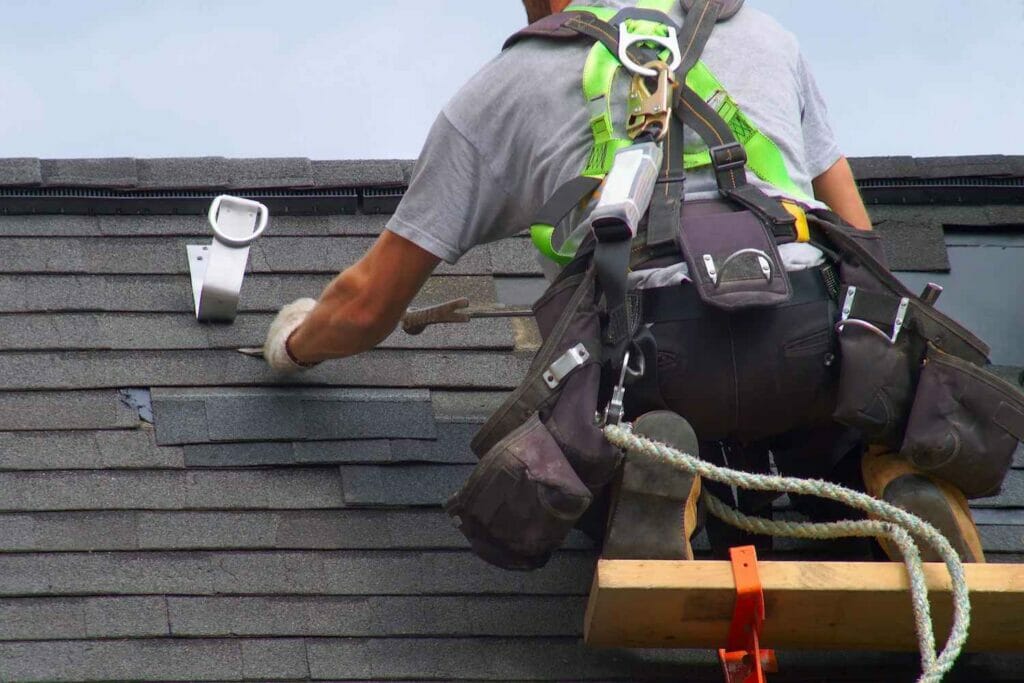
layers of a roof worker

ASPHALT SHINGLES FOR A SLOPED ROOF

Standard, 3-tab asphalt roofing shingles are the most popular roofing material for a sloped roof. They are relatively inexpensive and lay flush against the inner layers.

If you’re willing to invest in the aesthetics of your roof, architectural shingles are an excellent option. While they have the same basic construction as asphalt shingles, the additional ceramic and mineral coating adds a multidimensional color similar to traditional cedar shakes.

MBR OR RUBBER FOR A FLAT ROOF

If you have a flat roof, you’ll require a different roofing material for the final layer of protection. In modern homes, this is typically a modified bitumen roof or rubber.

Modern MBR comes in peel-and-stick polymer sheets studded with fiberglass bits. It’s an excellent water barrier and fire-retardant roofing material.

Alternatively, a flat roof system might use ethylene propylene diene monomer (EPDM), a single-ply membrane attached with metal fasteners. It’s lightweight, DIY-friendly, and easy to patch should a leak spring up.

RIDGE VENTS

To cap everything off, the peak of your roof comes equipped with a ridge vent or ridge cap. This piece allows hot, moist air to escape from your attic. Not only does this help keep your home consistently cooler, but it also stops trapped moisture from causing mold and mildew.

Some homes also have static vents that allow heat to escape even more easily, but you’ll need to keep an eye out for leaks where the two edges of the roof and the vent meet.

Heavy rain can sometimes enter through the cracks, especially if your roof lacks water barriers around the external ventilation systems.

WRAPPING UP

Improper roof installation, roof replacement, or low-quality roofing materials can seriously damage your home, from the attic to the foundation.

However, wear and tear damage in the different layers can also become a more significant issue if you don’t follow a regular maintenance schedule.

The best way to understand the scope of repairs for an existing roof is to let a roofing contractor inspect it. They’ll be able to diagnose your issues, identify which layers need help, and quote you a price for your next roofing project.

How To Negotiate A Roof Replacement With Insurance (Guide)

How To Negotiate A Roof Replacement With Insurance (Guide)

When you need to replace your roof, it’s never a fun experience. However, it can be incredibly stressful if you’re dealing with an insurance claim. The good news is that most insurance companies will cover the cost of part, if not all, of a home’s roof after a large storm or another natural disaster like hail or wind damage. In this guide, we’ll go over how to negotiate roof replacement with insurance companies.

UNDERSTAND YOUR HOMEOWNERS’ INSURANCE COVERAGE

Before your roof is damaged, you’ll want to ensure you know what your homeowner’s insurance covers. Many people think their insurance will cover roof damage. Before you make a home insurance claim, it’s essential to understand what your policy covers and doesn’t cover.

WHAT INSURANCE COVERS

When it comes to roofing insurance coverage, the first thing you need to know is that there are five different types of damage that homeowner’s insurance typically covers:

  • Water damage from rain, hurricanes, or similar weather events.
  • Wind damage or lightning strikes.
  • Unexpected falling debris, like trees or branches, breaks through your roof and causes damage inside the house.
  • Some fires (not all types of fire).
  • Vandalism.

Now that you know what is covered under most homeowner’s insurance policies let’s look at some things that aren’t.

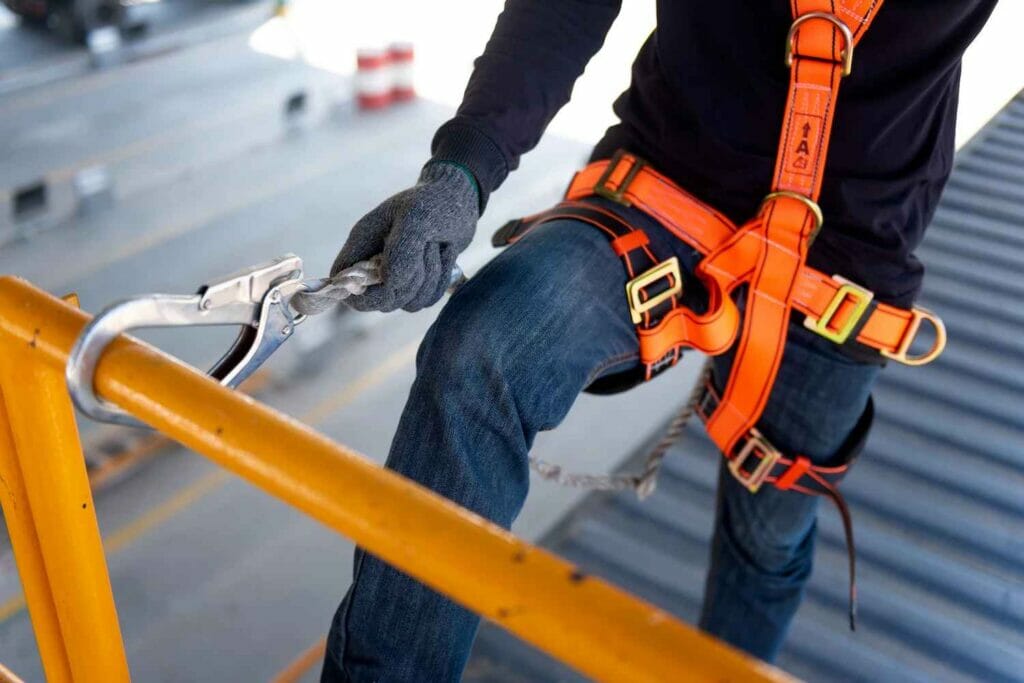
how to negotiate roof replacement with insurance hardhat

WHAT INSURANCE DOESN’T COVER

You might be surprised to find your expensive insurance policy doesn’t cover 100% of all the damage that could occur to your roof. Typically, a homeowners insurance policy doesn’t cover:

  • Damage caused by the homeowner.
  • Poorly maintained roof leads to damage.
  • Natural disasters like earthquakes, tornados, or floods.

Some homeowners don’t know what their policies cover until after they’ve already been affected by natural disasters and need their entire roof repaired.

1. ASSESS ROOF DAMAGE

Before contacting your insurance company, you first need to assess the damage to your roof.

When assessing damage to your roof, start on the ground floor. Look for damaged shingles, cracks, holes, or loose materials.

Check gutters and downspouts—debris can clog these and cause water damage. Look at flashing around chimneys and vents—this is common for water damage.

Check your attic and crawlspace for signs of mold. If you see mold or feel moisture, call an expert immediately to prevent further damage and health issues.

If you have a ladder, safety gear, and someone to assist you, climb onto the roof; otherwise, call a roofing company.

Make sure to look for cracked, curled, or missing shingles. Inspect for water damage like staining or mold growth.

2. DOCUMENT ROOF DAMAGE

After assessing the damage to your roof, you need to document the roof damage. Take photos from different angles, including below the roof and inside your attic.

In addition to taking clear pictures of the damaged area, it’s also important that your documentation includes specific details about:

  • When the damage occurred (date and time)
  • Where the damage occurred (address)
  • Location of damage on your roof (i.e., along chimney flashing or in the attic)
  • What was damaged (type of roof, shingles, etc.)
  • Description of the damage, including a description of the type of damage on your roof and what caused it (i.e. wind damage)

After documenting the damage, contact the professionals.

3. ENLIST ROOFING PROFESSIONALS FOR INSPECTION

Before contacting your insurance company with the details of the damage, it’s essential to enlist the help of a reputable roofing company. A good roofing contractor will inspect the damage, determine necessary repairs, and estimate the repair costs.

Get three or four detailed estimates from different roofing professionals. Ensure that all their costs, materials, and labor are included in their written estimates.

Give them some context for their quote if any other damage-related issues need addressing during the repair process.

Ask the roofing pros if they have experience with your roofing insurance claims.

how to negotiate roof replacement with insurance worker

4. CONTACT INSURANCE ADJUSTER

With estimates in hand, it’s time to contact your insurance company. Call them, email them, or fill out the form on their website asking for a claims adjuster to contact you about your roof damage.

When an adjuster comes over to look at the damage, they must take notes of everything that was lost and not just visually inspect it all from one spot in the yard.

Insurance adjusters look for evidence when calculating how much money you’re entitled to receive under your policy’s terms and conditions (which dictate how much you’ll receive).

5. FILING AN INSURANCE CLAIM

Once you’ve talked to the roofing contractors and an insurance adjuster, submit a roof claim to your insurance company. Collaborate with your insurance agent to ensure you satisfy all necessary dates and conditions for prompt and complete roof replacement coverage.

You’ll have a far better chance of getting a complete settlement if you come prepared with visual evidence and several estimates from a trustworthy roof repair business.

Your adjustor will review all of this material before calling back with their decision about what they’ll pay for repairs or replacement costs.

6. PREPARE TO NEGOTIATE WITH YOUR INSURANCE COMPANY

When you’re ready to negotiate a roof replacement with your insurance company, ensure you have all your ducks in a row. Here are a few tips to ease you into the negotiation process:

  • To keep your expectations in check, calculate the replacement cost of a new roof based on the current value of your home.
  • Document your damaged roof with pictures and descriptions.
  • Keep copies of warranties and know your roof’s age.
  • Get 3-4 of your roofing estimates before the adjuster arrives.
  • Meet claim paperwork deadlines and fill out all forms honestly and accurately.
  • Know what your homeowner’s insurance policy says.

Keeping these tips in mind, you’ll be on your way to a smooth and successful new roof replacement claim.

7. PAYMENT AND REPLACEMENT

The insurance company will decide how much to pay for either partial roof repair or total roof replacement. Once you have that amount, schedule your contractor for immediate roof repairs.

CONCLUSION

It can be challenging to navigate the world of insurance claims for a roof replacement, but if you follow these tips, you should have no problem getting what you deserve after a disaster strikes!

Dutch Gable Roofs: Pros & Cons For Homeowners

Dutch Gable Roofs: Pros & Cons For Homeowners

Whether you want to increase the curb appeal or create unique living spaces in your dream home, you might consider having a Dutch gable roof. A Dutch gable roof is beneficial for a few reasons:

  • They allow more natural sunlight than traditional gable roofs. 
  • They are energy-efficient, reducing heating bills.
  • They offer more available storage space than hip roofs.
  • They present an opportunity to add a window.

Choosing the type of roof you want or need for your new home can be difficult, but we’ll make it easy by walking you through what a dutch gable roof is and how it compares to similar roof styles.

WHAT IS A DUTCH GABLE ROOF? 🤷

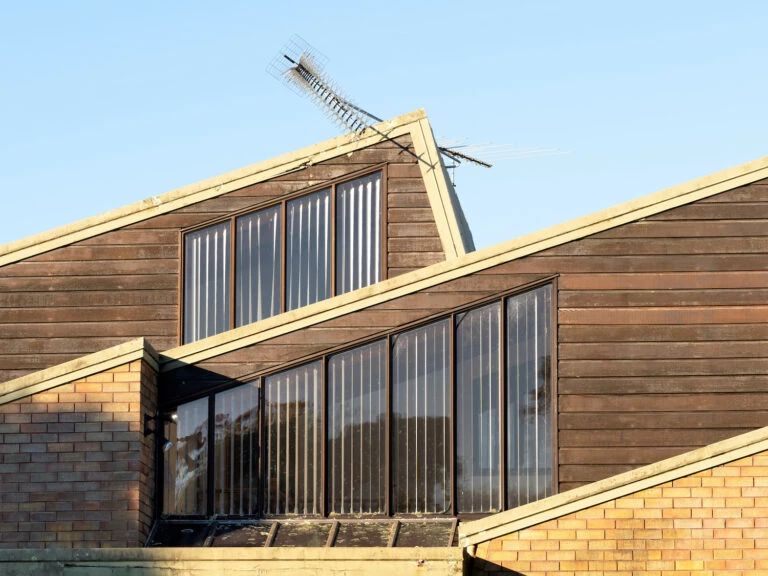
dutch gable roof

At first glance, Dutch gables can appear to be two different roofs combined – that’s because they are. Dutch gables, also known as gambrel or gable roofs, have a four-sloped skirt with a gable roof called the gablet. Some benefits of a dutch gable roof include:

  • ✅ The gablet allowing for more attic space; often, the gablet will have windows to brighten up vaulted ceilings or make for a unique room.
  • ✅ Depending on the size of the structure, some builders will put mezzanines in the cavity.
  • ✅ Outside, Dutch gables can have a higher curb appeal and withstand extreme weather events.

As previously mentioned, Dutch gables combine two common roof styles in North America: hip and gable roofs. Of course, both types have pros and cons, and the Dutch gable does a great job at countering the cons, but before we get into that, let’s take a moment to understand the hip and gable styles better.

HIP ROOFS 

Hip roofs have been described as more modern-looking and have many variations. A simple hip roof has four slopes that meet at a peak – sort of like a pyramid. More elaborate hip roofs, like the half-hipped or cross hip roofs, intersect and divide multiple hip roofs. Some awesome benefits of a hip roof include:

  • ✅ The four sloped sides of the roof create more structural stability, making them superior to gable roofs.
  • ✅ The four slopes allow rain and snow to roll off the structure in all directions and have eaves (the overhang on the edge of a roof) in all directions.
  • ✅ They’re ideal in areas that experience severe storms and precipitation year-round.

dutch gable roof hip

Hip roofs with low pitches tend to be located in areas prone to hurricanes or extreme winds due to the structure allowing wind to pass over the house with little to no obstruction freely.

However, hip roofs have some drawbacks that make gable roofs more attractive.

  1. The hip roof’s structural stability comes from a complicated design which increases costs due to labor and material.
  2. Because of the complex structure of the roof, there is often no attic space.

GABLE ROOFS

Gable refers to the triangular wall between the intersecting roof pitches, not the actual roof. Basic gables styles have two slopes that meet at a single point with an exposed wall – like an old tent. Like hip roofs, there are many styles of gable roofs. It is common to see the gable(s) facing the street to give more curb appeal.

Gable roofs are far more common than hip roofs in North America due to:

  • Being easy to build and design and, depending on the style of gable, less material.
  • This style can also allow for better ventilation and sealability, making it less likely to experience water damage.
  • Gable roofs also tend to have higher pitches, making it easier for rain and snow to roll off the top and larger attic spaces.

However, one major drawback to gable roofs is that they are more prone to wind damage than hip roofs and require more robust support.

👍 ADVANTAGES OF DUTCH GABLE ROOFS

Dutch gables can be an excellent choice depending on the house’s design. The hip skirt of the structure can become a four-season porch or a living space with many windows. Dutch gables may also have better ventilation and more storage space depending on how the gablet is utilized.

To make a room feel larger and brighter, ceilings can be vaulted, and the gables could be windows. The gablet can also become another room or loft to create more unique spaces in a house.

Dutch gables also look unique and visually interesting, increasing the house’s curb appeal. In addition, the roof’s shape makes it easy for snow and rain to roll off and withstand strong winds.

👎 DISADVANTAGES OF DUTCH GABLE ROOFS

Like hip roofs, Dutch gables are structurally complex. The structure’s complexity depends on the size of the gablet and what you want to do with that space. More material will be needed to build the roof, and strong supports will also need to be in place.

Depending on the shape of the gablet, snow might hang out under the eaves, potentially leading to water damage. Because of this, it’s recommended to ensure all joints are sealed and waterproofed. Furthermore, you might want a waterproof coating on the rest of the roof to be safe.

READY TO ADD A DUTCH GABLE TO YOUR NEXT HOME?🏠

We recommend taking time to look up different styles of houses with Dutch gable roofs. Then, explore the area you would like to build to see what styles architects chose. Once you have an idea of what you want your next house to look like, speak with the pros at MARS Roofing to see what is possible. Contact us for a FREE consultation!

What Is Roof Sheathing & What Does It Do? (Picture Guide)

What Is Roof Sheathing & What Does It Do? (Picture Guide)

First-time homeowners may not realize how complex a roof system is until they encounter a ceiling leak and need to call a professional roofer. A roof’s structure encompasses more than just the shingles themselves. Equally crucial to the material used on top of your home is something called the roof sheathing underneath. This article will explain roof sheathing, what it does, and why it’s essential for your home.

WHAT IS SHEATHING ON A ROOF?

Roof sheathing, or roof decking, is the layer of wood installed on the roof’s trusses and joists. Roof sheathing is the first piece of protection for your roofing and helps keep them from getting damaged by moisture and the elements.

WHAT’S THE DIFFERENCE BETWEEN ROOF SHEATHING AND UNDERLAYMENT?

Roof decking and underlayment are two vital elements of your roofing system. Both protect the structure of your home from the elements and keep it watertight, but they do so in different ways.

what is sheathing on a roof beams

ROOF SHEATHING

The roof sheathing is the layer of wood that acts as a barrier between the rafters and felt underlayment.

UNDERLAYMENT

Underlayment is an additional layer of support that goes on top of roof decking to protect from rain and snow and any moisture that might come up through gaps in your sheathing. You might know it as tar paper or felt paper. Underlayment is made of asphalt-soaked organic mats or asphalt-coated paper, which resist water.

INSTALLATION ORDER

Your roof is covered with roof sheathing materials, which protects the joists underneath. Felt paper underlayment prevents leaks and adds insulation. A layer of asphalt shingles protects against rainwater and heat loss in cold weather.

WHAT ROOF SHEATHING IS MADE OUT OF

Roof sheathing is typically made from plywood or OSB (oriented strand board). These wood boards are designed to be strong enough to support the weight of the roofing system and its components while also being flexible enough to withstand changes in temperature and moisture.

Each type of roof system has its own benefits and drawbacks regarding durability and cost efficiency.

ORIENTED STRAND BOARD OSB

Oriented strand board (OSB), is made from wood strands that are pressed into sheets. Plywood is made from sheets of veneer glued together to create a more robust panel for your roof.

OSB is lighter and less expensive than plywood, so it’s often used for roofs where the weight requirements aren’t as high.

PLYWOOD

Plywood is much more durable than strand board OSB, but it’s also a significantly heavier material and costs more. It’s often used for roofs that need to carry heavy loads like slate or concrete roofing tiles.

ROOFING SERVICES

Most roofers will use OSB on the entire roof unless they’re working with a heavier material like slate or concrete roofing tiles—in which case, they’ll use plywood instead.

WHAT DOES ROOF SHEATHING DO?

Roof sheathing, also known as roof decking, provides structural support for the roof. When installed by a licensed professional, a strong layer of sheathing ensures roofing materials are distributed evenly.

INSTALLATION

When installed properly, it helps the roof resist fires and keeps it from leaking. It can cause leaks, uneven ridges and valleys, and other problems when installed incorrectly.

ROOFING SHEATHING BENEFITS

Sheathing is an essential part of a roof because it helps to ensure that your home is structurally sound and durable. Sheathing offers a sturdy support system to roofing systems, and many other benefits, including weather resistance and fire protection.

STRUCTURAL INTEGRITY

The roof sheathing offers a surface for the underlayment to be applied to. A strong layer of sheathing maintains the correct distance between the trusses and rafters. When sheathing is put over several trusses or rafters, the rafters and trusses become one solid unit rather than separate structural components. This sturdy support system supports the weight of shingles, making sure it’s distributed evenly.

WEATHER RESISTANCE

Sheathing boards provide even more protection for the roof’s trusses from the elements than asphalt shingles, which already have weatherproofing treatment. Most sheathing boards receive weatherproofing treatments to resist the elements, which protects your roof and home from wear and tear and rot.

RESIST FIRES

The sheathing of a roof can also prevent fires. Although nothing is entirely fireproof, several types of roof sheathing receive fire retardant treatment to prevent fires from breaking out or spreading on the roof or in the attic. Class A asphalt shingles and underlayment provide an additional layer of protection with fire retardant treatment.

IS SHEATHING NECESSARY?

It wasn’t always standard practice to utilize roof sheathing when individuals first started constructing asphalt shingle roofs. Over time, most roofers and homeowners discovered that roof leaking was far more common when several weatherproofing treatments like sheathing or decking boards weren’t installed.

Before the development of plywood, the most common kind of decking was made of long, individual wood boards.

SHEATHING CODE

Now, it is part of the International Residential Code (IRC R905.2.1) to fasten asphalt shingles to sheathed decks for any new roof.

what is sheathing on a roof worker

WHEN TO REPLACE ROOF SHEATHING

When determining whether or not your roof sheathing boards need replacing, look for a few signs in your attic. Other symptoms that might indicate damaged or worn-out roof sheathing include the following.

SAGGING

If the shingles aren’t straight across the house, it’s possible that the roof sheathing boards need replacing. If left too long, the problem may require an entire roof replacement.

ROTTING WOOD

Rotting wood will be discolored, soft, and musty along planks. Mold growing in black streaks on boards from previous leaks in the attic.

HOLES

If you can see the sky inside the attic or crawlspace, it’s time to replace your roof sheathing. You might also hear water running through the walls or ceiling after heavy rain.

WATER DAMAGE

Telltale signs of damaged sheathing boards show as water stains on your ceiling or puddles on your floors.

BROKEN BOARDS

The damaged sheathing is easy to identify since it causes the roof to droop. Look for sawdust or shattered pieces of the roof structure or planks overhead.

CONCLUSION

Roof sheathing is a crucial part of several weatherproofing treatments for your roofing system. Whether you have asphalt shingles or tile, you need to ensure that the roof sheathing is in good condition before it can protect your home from rain and wind damage. If your house’s sheathing is damaged, it needs replacing so that moisture doesn’t seep through into other parts of the house, causing more damage.