Winter in Maryland doesn’t usually arrive with a single dramatic snowfall. It sneaks in sideways—freezing rain one week, heavy wet snow the next, then a quick thaw followed by a deep freeze. That back-and-forth is exactly what makes ice dams such a common and costly problem for homeowners across Maryland and Northern Virginia.
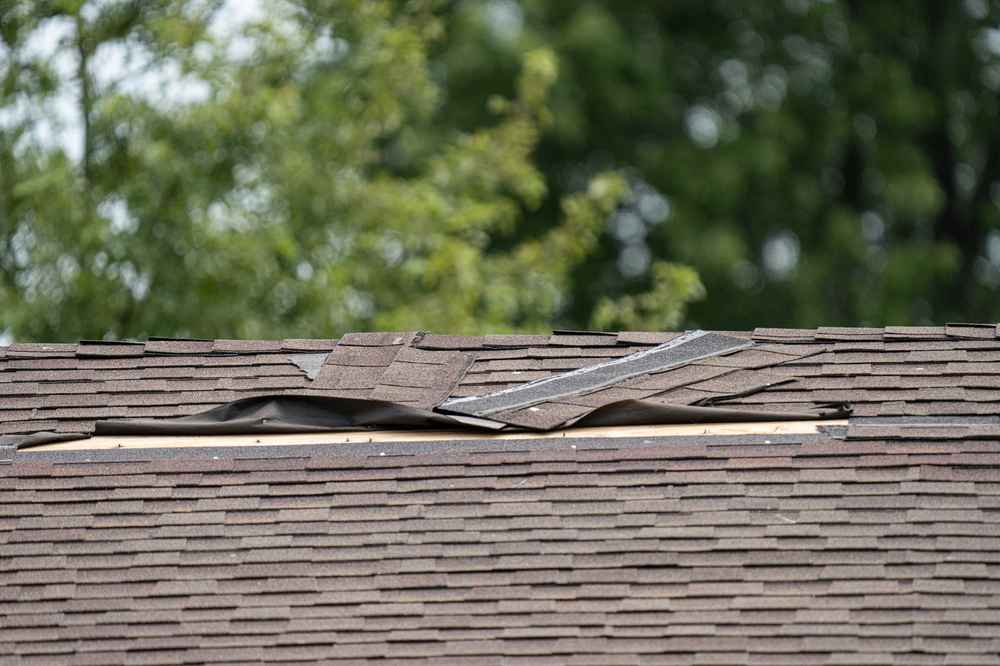
Ice dams don’t just look bad hanging off your roofline. They quietly force water where it doesn’t belong—under shingles, into insulation, and eventually into ceilings and walls. The good news? Ice dams are preventable, and you don’t need to wait for a disaster to start protecting your home.
Key Takeaways Before We Get Started
Ice dams form because of uneven roof temperatures, not just snow
Insulation and ventilation matter more than most homeowners realize
Small fixes now can prevent major water damage later
Professional inspections often catch problems homeowners can’t see
Maryland’s climate requires a different approach than colder northern states
What Exactly Is an Ice Dam and Why Should Maryland Homeowners Care?
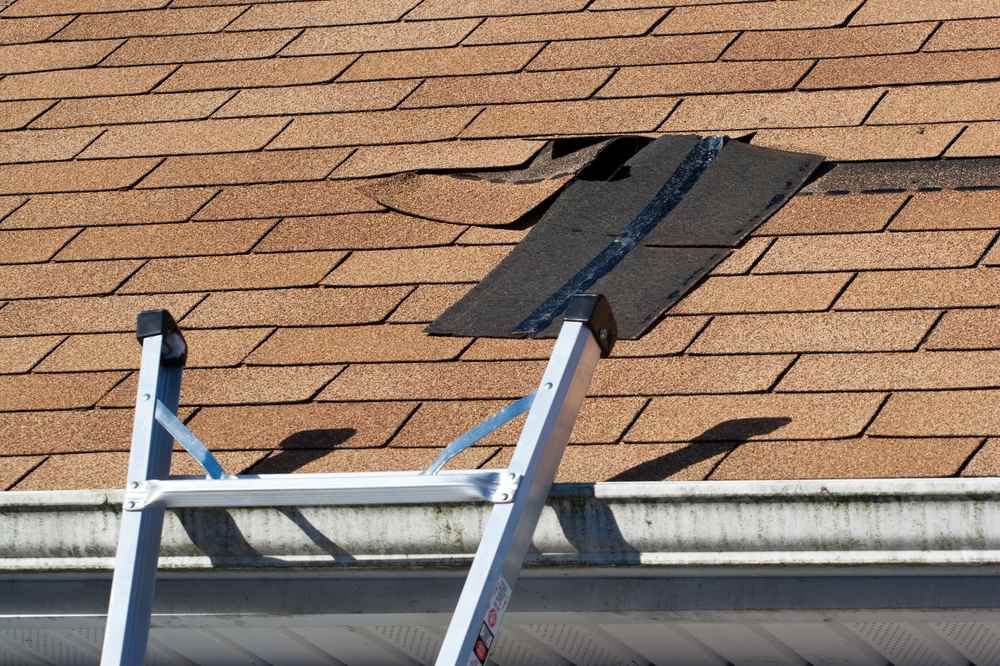
An ice dam forms when melting snow refreezes at your roof’s edge
An ice dam starts with heat. Warm air escapes from your home, warms the roof surface, and melts snow higher up on the roof. That water runs down until it reaches the colder eaves, where it refreezes. Over time, ice builds up and traps more melting water behind it.
In Maryland, where winter temperatures hover right around freezing, this cycle repeats constantly. That trapped water has nowhere to go except backward—under shingles, through nail holes, and into your home.
Why Are Ice Dams So Common on Maryland Roofs?
Maryland’s freeze-thaw cycles create perfect ice dam conditions
Unlike regions with consistently cold winters, Maryland experiences frequent temperature swings. Snow melts during the day and refreezes overnight. Add older homes, mixed insulation quality, and complex rooflines, and you’ve got a recipe for ice dams.
Homes in Central Maryland and Northern Virginia often have:
Finished attics or bonus rooms that trap heat
Rooflines with multiple valleys and dormers
Older insulation that doesn’t meet current standards
All of these increase the chance of uneven roof temperatures.
How Can Proper Insulation Stop Ice Dams Before They Start?
Insulation keeps heat inside your home where it belongs
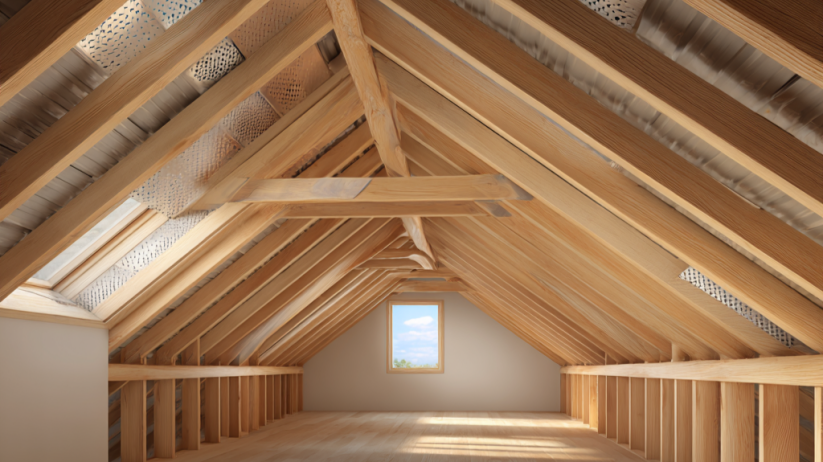
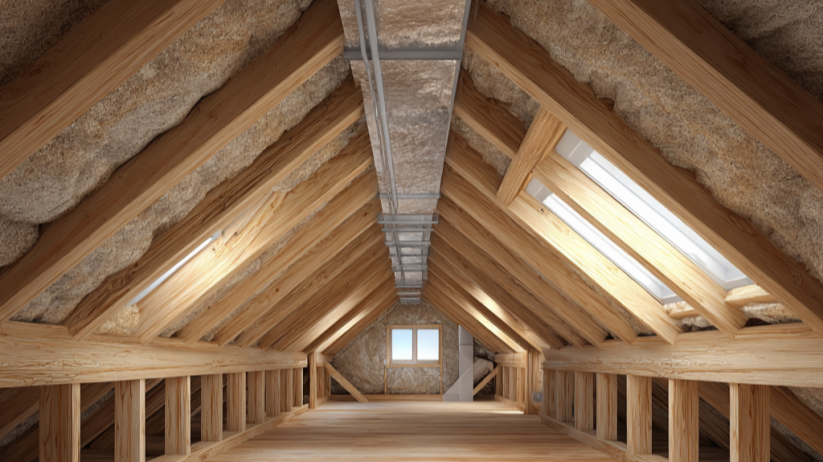
Your roof shouldn’t be warm in winter. Proper attic insulation creates a thermal barrier that prevents indoor heat from reaching the roof deck.
When insulation is inadequate or uneven:
Snow melts higher on the roof
Water refreezes at the edges
Ice builds up layer by layer
Upgrading insulation—especially in older Maryland homes—is one of the most effective long-term solutions for ice dam prevention.
Why Does Attic Ventilation Matter Just as Much as Insulation?
Ventilation keeps roof temperatures consistent from ridge to eave
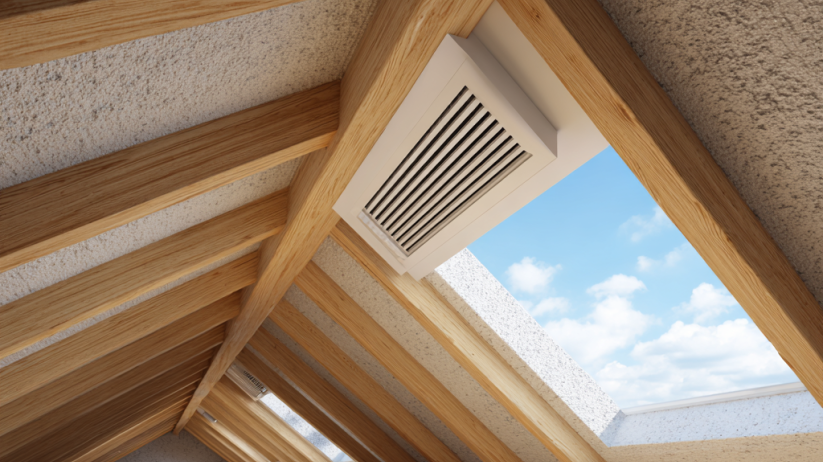
Insulation slows heat transfer, but ventilation removes it entirely. A well-ventilated attic allows cold air to flow in at the eaves and exit at the ridge, keeping the roof surface uniformly cold.
Without proper ventilation:
Warm air gets trapped
Roof temperatures fluctuate
Ice dams become more likely
Balanced ventilation is especially important during Maryland’s milder winters, when temperature swings are frequent.
What Role Do Gutters and Roof Edges Play in Ice Dam Formation?
Clear drainage paths prevent water from backing up
Clogged gutters don’t cause ice dams, but they absolutely make them worse. When melting snow can’t drain freely, it refreezes faster and builds thicker ice along the roof edge.
Before winter hits:
Clean out leaves and debris
Check gutter slope and fasteners
Make sure downspouts move water away from the foundation
This simple maintenance step often gets overlooked, but it can dramatically reduce ice buildup.
What Can Homeowners Do Right Now to Reduce Ice Dam Risk?
Small proactive steps make a big difference
You don’t need to overhaul your entire roof to start protecting your home. These practical steps help immediately:
Seal attic air leaks around vents, chimneys, and access hatches
Add insulation to low-coverage areas
Ensure bathroom and kitchen fans vent outside, not into the attic
Remove heavy snow buildup safely using a roof rake
Each of these steps helps keep roof temperatures consistent and reduces melt-and-refreeze cycles.
Are Heat Cables a Good Solution for Maryland Roofs?
Heat cables can help, but they’re not a cure-all
Heat cables are often marketed as an easy fix, but they should be viewed as a backup measure—not the primary solution.
They can:
Create drainage paths through ice
Reduce immediate water backup
Help in problem areas like valleys
But they don’t address the root cause. Without insulation and ventilation improvements, ice dams will continue forming around them.
How Can Professional Roof Inspections Prevent Winter Damage?
Experienced eyes catch hidden problems early
Many ice dam issues start long before snow ever falls. A professional inspection can identify:
Insulation gaps
Ventilation imbalances
Failing flashing
Roof areas prone to heat loss
For Maryland and Northern Virginia homes, this proactive approach often prevents thousands of dollars in interior damage.
What Happens If Ice Dams Are Ignored?
The damage often shows up where you least expect it
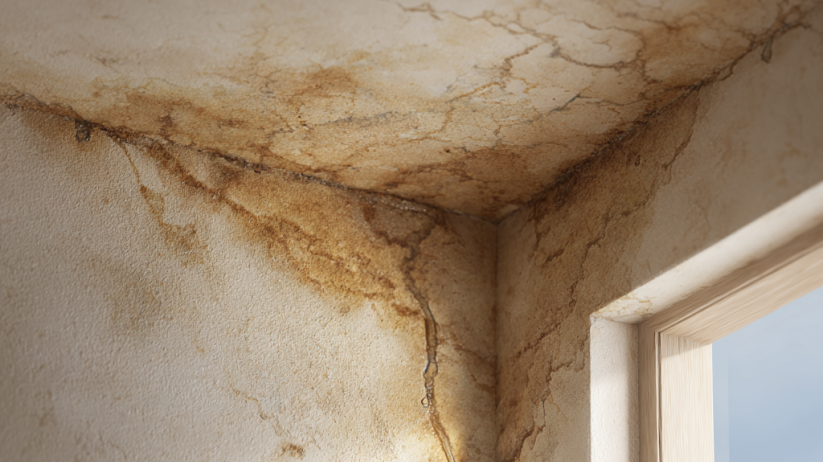
Ice dam damage isn’t always dramatic. It often starts quietly:
Stained ceilings
Peeling paint
Damp insulation
Mold growth
By the time water damage becomes visible, repairs are already more extensive—and expensive.
Straight Answers for Cold-Weather Roofing Questions
Your ice dam questions, answered without the fluff
Can ice dams damage a new roof? Yes. Even newer roofs can develop ice dams if insulation or ventilation is inadequate.
Do ice dams mean my roof is failing? Not necessarily. They usually point to airflow or insulation issues rather than shingle failure.
Is snow removal always necessary? Not always, but heavy, wet snow should be removed carefully to reduce melt volume.
Are Maryland homes more vulnerable than northern homes? In many cases, yes. Frequent freeze-thaw cycles increase ice dam risk.
Ice dams aren’t a sign that winter won—they’re a sign something underneath your roof needs attention. With the right insulation, ventilation, and preventative care, Maryland homeowners can stop ice dams before they ever form.
If you’re unsure where your home stands, that’s where expert guidance matters.
MARS Restoration proudly serves Maryland and Northern Virginia, helping homeowners protect their roofs, their interiors, and their peace of mind—season after season. If winter weather has you concerned or you want to get ahead of potential problems, reach out to MARS Restoration today for trusted, local expertise that gets the job done right.
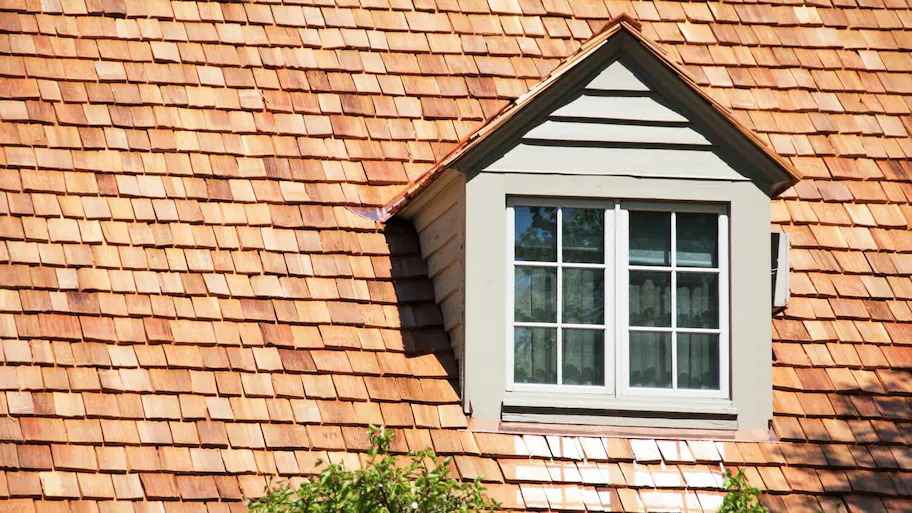
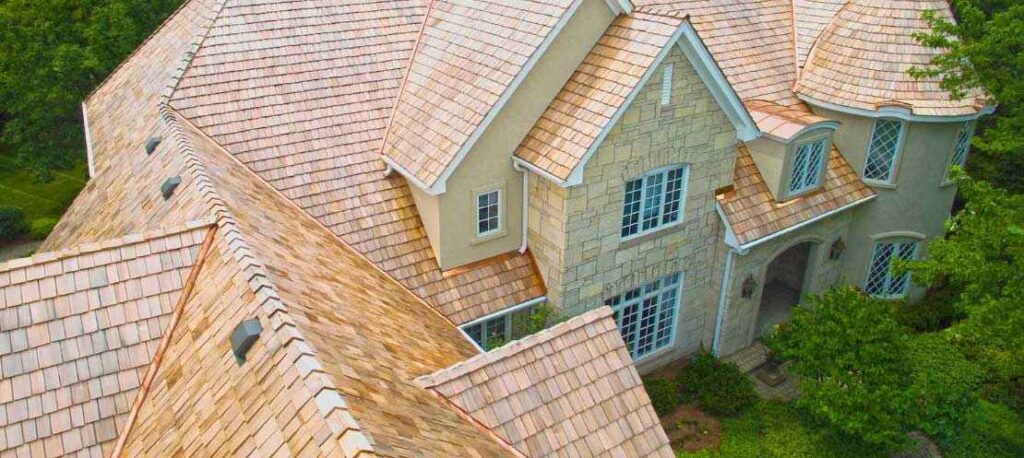
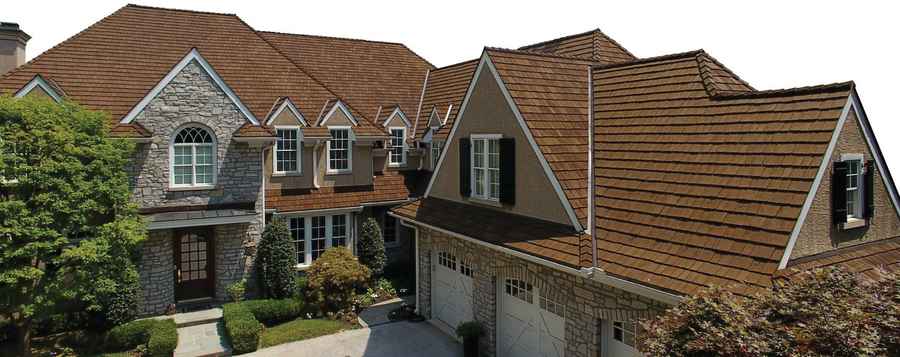
Cedar roofs are stunning. There’s just no getting around it. They bring that rich, natural beauty you can’t fake—warm tones, rustic charm, and a personality that modern shingles only dream about. It’s the kind of roof that makes you stop mid-walk and think, okay, that house has character.
But before you picture yourself sipping coffee under your perfectly weathered cedar shakes, let’s talk about the real story. Because while cedar roofing has its perks, it also comes with responsibilities. Think of it like owning a classic truck—beautiful, tough, and inspiring… but it needs care and attention.
So if you’ve been daydreaming about going all-in on cedar roofing in Maryland, here’s everything you need to know before making the leap.
Why Cedar Roofing Gets So Much Love
Cedar roofing has a reputation—and a good one. Homeowners love it for its natural beauty, its durability, and the kind of energy efficiency you would never expect from wood. Cedar gives homes warmth, life, and a little bit of that historical Chesapeake-Bay-meets-cottage-core charm.
There’s a reason you see cedar roofs across historic districts, upscale neighborhoods, and coastal communities here in Maryland. They just fit. And beyond the curb appeal, cedar provides meaningful benefits that go way beyond looks.
The Pros of Cedar Roofing
Let’s start with what cedar does right—because when cedar wins, it really wins.
Natural Insulation That Saves Energy
Cedar isn’t just wood—it’s nature’s built-in insulation system. Cedar roofs naturally regulate temperature, helping keep your home cooler in summer and warmer in winter. Maryland weather doesn’t play fair, so efficiency matters. With cedar, you get help handling that steamy July humidity and those freezing January mornings.
Durability and Impact Resistance
Cedar roofs can take a punch. Hail? Wind? Branches? Cedar stands its ground. Unlike standard shingles, cedar can endure high-impact weather, making it ideal for Maryland storms and gusty spring fronts.
Beautiful Aging & Timeless Style
Most materials fade. Cedar ages. There’s a difference. Over time, cedar shifts into a soft silver-gray patina that feels coastal, classic, and expensive—in the best way. It’s one of the few roofing materials that looks better with time.
Naturally Resistant to Insects and Rot
Cedar contains natural oils that help protect it from rot, pests, and decay. While no roofing material is completely maintenance-free, cedar already has defenses built in. It’s like nature’s original pressure-treated lumber.
Strong, Lightweight, and Eco-Friendly
Cedar is lighter than tile or slate, so it’s easier on your home’s structure. Plus, it’s naturally biodegradable. If sustainability is on your radar, cedar checks that box too.
The Cons of Cedar Roofing
Cedar is impressive—but not perfect. You need to know the maintenance expectations before jumping in. This isn’t a “set it and forget it” type of roof.
Maintenance Matters—A Lot
Cedar needs periodic cleaning, treatments, and check-ins to stay strong and beautiful. Skipping maintenance can shorten its lifespan and lead to moisture issues.
If you’re the type who forgets to replace your HVAC filter for six months… cedar might not be your match.
Higher Upfront Cost
A cedar roof costs more than asphalt shingles. There’s no sugar-coating it. You’re paying for quality, natural material, and craftsmanship. Over time, cedar’s long lifespan and efficiency can balance that investment—but the initial commitment is real.
Vulnerable to Moisture if Neglected
Maryland humidity can test a cedar roof’s patience. If your home lacks proper ventilation or the roof isn’t maintained, moisture can sneak in. Moss growth, mold, or rot become more likely—especially in shaded or wooded properties.
Fire Considerations
Cedar roofs can be treated to boost fire resistance, but untreated cedar is naturally more combustible than asphalt or tile. Always check local codes and treatment options.
Quick Breakdown: Pros & Cons at a Glance
Cedar Roofing Advantages
Long lifespan when maintained properly
Energy-efficient natural insulation
Stunning curb appeal and timeless charm
Lightweight yet durable
Resistant to insects and decay
Eco-friendly and biodegradable
Potential Drawbacks
Higher upfront investment
Regular maintenance required
Can be affected by moisture without proper care
Fire treatment may be recommended
Who Cedar Roofing Is Best For
Cedar roofing isn’t a trend—it’s a lifestyle choice. It’s for homeowners who value craftsmanship, character, and curb appeal. It’s for folks who don’t mind giving a little effort in exchange for lasting beauty.
Cedar might be right for you if:
You appreciate natural, high-quality materials
You plan on long-term ownership
You want standout curb appeal
You’re okay with routine maintenance
You love that rustic, classic Maryland aesthetic
It might not be the right fit if you want a zero-maintenance roof or you’re preparing to sell soon and need a fast, budget-friendly fix.
Cedar Roofing Maintenance: What It Actually Looks Like
Cedar roofs perform best with a little TLC. Nothing extreme—just periodic check-ins and care so it stays strong and beautiful.
Here’s the kind of upkeep homeowners should expect:
Regular professional inspections
Cleaning to remove moss, debris, and mold
Treatment or conditioning to prevent drying or moisture buildup
Repairing or replacing individual shakes as needed
Ensuring proper attic ventilation
It’s like caring for a high-quality hardwood floor or a classic car—just part of the experience.
How Cedar Roofing Performs in Maryland Weather
Maryland isn’t shy about tossing a year’s worth of seasons into a single week. Cedar holds its own in:
Hot, humid summers — thanks to natural ventilation and insulation
Cold winters — with excellent temperature regulation
Wind & storms — cedar has strong impact resistance
Coastal climates — cedar ages beautifully near the water
But moisture control is key, especially in shaded areas or wooded neighborhoods. Ventilation and routine cleaning keep cedar healthy and long-lasting.
Final Verdict: Is Cedar Roofing Worth It in Maryland?
Absolutely—if you want beauty, performance, and character. Cedar roofing brings an unmatched aesthetic and long-term durability when properly cared for. It’s not the cheapest option and not the lowest-maintenance one either. But it’s one of the most rewarding.
Homes with cedar roofing don’t just look good—they feel grounded, warm, and custom. It turns your house into a standout, not just another roof on the block.
Ready to Explore Cedar Roofing?
If you’re curious whether cedar roofing makes sense for your Maryland home, getting professional insight is the best first step. Whether you’re planning a new roof, comparing materials, or wondering what maintenance would look like for your property, you don’t have to figure it out alone.
Contact Mars Restoration in Maryland today for expert cedar roofing advice, detailed estimates, and craftsmanship you can trust.
Your dream roof is closer than you think—and we’ll help you get there the right way.
There’s nothing quite like that sinking feeling when you spot a brown stain spreading across your ceiling, or worse—hear the slow plink, plink of water dripping from above. Maryland homeowners know that between heavy summer storms, winter freezes, and salty coastal moisture, roofs here get put through the wringer.
A small leak may not seem like much at first, but give it a little time and suddenly you’re staring down warped drywall, moldy insulation, ruined floors, and repair bills that make you wince. The good news? Many leaks start small and can be stopped before they turn into a full-blown headache.
Let’s walk through how to spot roof leaks early, what causes them, and how to get them fixed right—without wasting time or money.
What Causes Roof Leaks in Maryland?
Roofs don’t start leaking for no reason. Maryland’s mix of humid summers, storm seasons, and freeze-thaw cycles gives roofs a workout. Some of the most common culprits include:
Damaged or missing shingles
Cracked flashing
Worn pipe boots
Clogged gutters pushing water under shingles
Ice dams forming along the roof edge in winter
Aging roof materials that simply give out over time
If you’re thinking, “My roof looks fine from the ground,” remember—most leaks start in places you can’t see without getting up close. And no, we’re not recommending homeowners start climbing ladders in flip-flops. That’s how emergency rooms stay busy.
How to Spot a Roof Leak Before It Gets Ugly
Sometimes leaks make themselves obvious. Other times, they hide. Here’s where to look:
Inside Your Home
Check for:
Ceiling stains or bubbling paint
Damp or peeling drywall
Musty smells in attic or upper rooms
Light shining through attic roof boards
Damp insulation
A roof leak doesn’t always drip straight down. Water travels along framing and beams before dropping someplace completely different from the entry point. That’s why DIY “find the hole and patch it” often falls short.
Outside Your Home
From the ground, look for:
Missing or lifting shingles
Bent, cracked, or rusty flashing around chimneys and vents
Overflowing or sagging gutters
Granule piles near downspouts (a sign shingles are wearing out)
If everything looks fine but you still suspect a leak, don’t ignore your gut. Problems rarely fix themselves, and roof leaks love making a quiet mess before showing their face.
Maryland’s Weather & Roof Leaks: A Tough Combo
Living in Maryland means dealing with a bit of everything—coastal storms, heavy rain, snow, hail, and humidity thick enough to chew. Roofs fight these battles daily.
Here’s how our regional weather plays into leaks:
Heavy Rain & Hurricanes: Wind-driven rain sneaks under loose shingles or flashing.
Freeze-Thaw Cycles: Water seeps into cracks, freezes, expands, and breaks roofing materials apart.
Summer Heat: UV rays weaken shingles over time.
Humidity & Coastal Air: Speeds up roof material deterioration and encourages mold.
A roof that never gets inspected is a roof begging to leak.
DIY Leak Check vs. Calling a Pro
There’s no shame in wanting to handle minor fixes yourself, but roof leaks aren’t the place to gamble. Water doesn’t like to play fair.
What You Can Do Yourself
Remove debris from gutters
Look for visible missing shingles
Check attic insulation for dampness
Place buckets & tarp areas if water is actively leaking
Seal tiny gaps with exterior-grade caulk as a temporary measure
What You Should Leave to Professionals
Roof climbing & on-surface inspections
Flashing and chimney seal repairs
Shingle or roof membrane replacement
Underlayment and decking repairs
Mold-related fixes
A professional roofer has safety gear, trained eyes, and tools to trace water back to its real source—not where it shows up.
Common Roof Leak Fixes
Every leak comes with its own cause and solution, but here’s what often needs to be done:
Problem
Fix
Loose or damaged shingles
Replace shingles + secure seal
Cracked chimney flashing
Reseal or replace flashing
Worn pipe boot
Replace boot and seal joints
Clogged gutters causing overflow
Gutter cleaning + check for rot
Roof aging, curled shingles
Repair if minor, replace if widespread
If you’re thinking, “Can’t I slap some sealant up there?”—you’re not alone. But quick fixes often trap moisture and cause bigger damage later. The right repair is the one that solves it for good, not just for the week.
Prevent Roof Leaks With Simple Maintenance
A few smart habits help your roof stay strong and leak-free:
Inspect your attic every couple of months
Keep gutters clear year-round
Have your roof professionally inspected once per year
Trim branches near the roofline
After big storms, check for shingle debris in your yard
Homeownership isn’t always glamorous, but catching issues early? That’s winning.
When a Leak Means It’s Time for a New Roof
Not every leak calls for a full replacement, but sometimes patching becomes a band-aid on a sinking ship. Signs you may be due for a new roof:
Shingles cracking or curling across large areas
Roof over 20 years old
Frequent leaks or repairs
Moss growth or soft, spongy spots
A good roofer will tell you honestly whether repair or replacement makes the most sense. You shouldn’t feel pressured—just supported with clear facts.
Protect Your Home—Call Maryland’s Roof Leak Experts
A roof leak doesn’t care about your schedule, your budget, or how badly you want to ignore that water stain. But with the right help, you can stop damage early, protect your home, and breathe easy again.
If you’re seeing signs of a leak—or want a professional eye on your roof before one starts—Mars Restoration in Maryland has you covered. Our team handles inspections, repairs, and full replacements with honest advice, clear pricing, and craftsmanship that stands up to Maryland’s weather.
Stop the drip before it becomes a disaster. Contact Mars Restoration today for expert roof leak repair in Maryland and peace of mind that your home is protected.
Picture a hot July afternoon in Maryland. The air feels thick enough to slice, humidity is doing its best impression of a wet blanket, and your attic? That thing is hotter than a crab steamer in peak season. Or think winter—freezing temps outside, warm cozy air inside, and a roof quietly sweating under trapped moisture.
Most homeowners never think about roof ventilation until something goes wrong—like mold creeping across attic rafters, energy bills creeping up every month, or shingles aging faster than they should. But good ventilation isn’t just a roofing bonus; it’s the silent system that keeps your home healthy, efficient, and dry all year long.
Let’s dive into why proper roof ventilation matters in Maryland, how it works, and what happens when your roof can’t breathe. Spoiler: it’s not pretty, and it’s not cheap to fix if ignored.
Why Roof Ventilation Matters in Maryland
Maryland weather is dramatic. Scorching summers, humid air, cold winters, and sudden temperature swings put our roofs under serious pressure. Without proper ventilation, heat and moisture build up in your attic—leading to issues that spread way beyond the roofline.
So why care about ventilation? Because your attic is more than a dusty storage spot; it’s the lungs of your home’s roofing system.
What Proper Ventilation Does
Keeps attic temps controlled year-round
Reduces humidity and prevents moisture damage
Protects shingles and roofing materials
Improves indoor comfort, especially upstairs
Lowers heating and cooling costs
Prevents mold, wood rot, and insulation damage
A well-ventilated roof works like a two-way street—fresh air flows in, hot/moist air flows out. When that traffic stops? Problems build fast.
The Real-World Problems Poor Ventilation Causes
Nobody wakes up thinking, “Time to check my attic airflow!” But ignoring ventilation can lead to repair bills that make you wish you had.
In summer, trapped attic heat radiates into living areas, forcing your AC to work overtime. In winter, heat buildup can melt snow unevenly and cause ice dams—those frozen ridges that force water under shingles.
Mold and Moisture Damage
Maryland humidity loves a poorly ventilated attic. Moisture from daily living—showers, cooking, laundry—rises and condenses, feeding mold like a buffet.
Roof Damage and Shorter Lifespan
Shingles literally bake from underneath, curl, blister, and lose granules faster. Wood framing and decking weaken from moisture exposure.
Comfort Issues Indoors
Hot second floor? Cold drafty rooms? A lot of homeowners blame insulation alone—but airflow errors often play a huge role.
Roof ventilation isn’t glamorous, but its absence is painfully obvious.
How Roof Ventilation Works (Without the Tech Speak)
Think of your attic as a pressure zone. Air wants to move—hot air rises, cool air sinks. A proper ventilation system just helps that process happen in a controlled, efficient way.
Two key components work together:
Intake vents (usually along the soffits) pull fresh air in
Exhaust vents (ridge vents or other high points) release hot, stale air out
If you only pull air in and don’t let it out, moisture builds. If you only exhaust air without intake, your roof can start sucking conditioned air from your living spaces. Balance is the name of the game.
Signs Your Roof Ventilation Isn’t Doing Its Job
You don’t need to be a roofer to notice warning signs. Issues often show up inside the home long before you ever see a roofing problem.
Watch for:
Hot upstairs rooms or stuffy attic
Ice dams in winter
Mold or mildew in attic or insulation
Peeling paint or warped ceilings
High energy bills with no change in usage
Musty smell near attic access
Rust on nails or metal fixtures in attic
If your attic feels like a sauna—or smells like one—ventilation is likely struggling.
Maryland Climate: Ventilation Challenges Unique to the State
Marylanders deal with weather extremes most regions don’t juggle:
Summer humidity saturates attics quickly
Coastal moisture and salt air speed up shingle wear
Winter snow + freeze-thaw cycles boost ice dam risk
Sudden temperature swings challenge building materials
Roofs here work overtime. Ventilation isn’t a luxury; it’s a necessity.
Best Ventilation Options for Maryland Homes
There’s no one-size-fits-all system. Good roofers choose ventilation based on house design, roofing materials, attic size, and local climate demands.
Common options include:
Ridge vents – continuous airflow at roof peak, ideal for most homes
Soffit vents – intake vents along roof overhangs
Gable vents – useful additions, not ideal as sole system
Powered attic fans – used strategically for homes with severe heat issues
Static roof vents – individual vent caps for additional exhaust
The key isn’t just the type—it’s balance, placement, and installation quality.
Why DIY Ventilation Fixes Often Go Wrong
YouTube makes everything look easy. But ventilation mistakes can turn a small problem into a very expensive one.
Common mistakes homeowners accidentally make include:
Blocking soffit vents with insulation
Installing more exhaust vents without intake
Adding attic fans that pull conditioned air from living spaces
Sealing attic without airflow plan
Using ridge vents without proper baffle
Ventilation is one of those “measure twice, cut once” situations—only you’re cutting into the health of your home.
Quick Maintenance Tips to Support Good Ventilation
Here’s what you can do to help keep airflow moving:
Keep soffit vents clear of insulation and debris
Clean gutters to prevent moisture pooling
Peek in your attic every few months for mold or moisture
After snowfalls, watch for uneven roof melt (a sign of heat buildup)
Ask for ventilation assessment during roof inspections or repair visits
Little steps now prevent big messes later.
How Mars Restoration Ensures Proper Roof Ventilation
Proper roof ventilation isn’t guesswork—it’s building science. Mars Restoration examines your roof and attic as a connected system, not just parts and pieces.
Their process typically includes:
Evaluating existing vents and airflow
Checking insulation placement
Inspecting for moisture, mold, and wood damage
Assessing roof age and shingle condition
Recommending balanced ventilation solutions tailored to your home
The goal is simple: protect your home, control your energy costs, and help your roof last as long as it should.
Give Your Roof the Breath It Deserves
Your roof protects you—proper ventilation protects your roof. Over time, good airflow saves you money, prevents insulation damage, stops mold from creeping in, and keeps your home more comfortable in every season Maryland throws at you.
If you’re noticing heat buildup, attic moisture, high energy bills, or just want peace of mind knowing your roof is breathing right, the pros at Mars Restoration are ready to help.
Protect your home from the top down. Contact Mars Restoration in Maryland today for expert roof ventilation assessment, upgrades, and roofing services you can trust.
If you’ve lived in Maryland for long, you know humidity isn’t just a summer nuisance—it’s a year-round challenge. One week you’re battling muggy, 90-degree heat, and the next, cold rain or snow is testing your roof’s limits. All that moisture in the air doesn’t simply make the day uncomfortable; it creates the perfect storm for leaks, mold, and roof deterioration.
The truth is, not every roofing material can hold up to Maryland’s damp, unpredictable climate. Homeowners who pick the wrong option often end up with streaked shingles, warped wood, or costly repairs they didn’t budget for. The good news? When you understand how humidity affects your roof—and which roofing materials stand up best—you can make a confident decision that keeps your home protected and looking great for decades.
At MARS Roofing, we’ve spent years helping Maryland homeowners choose roofs that thrive in humid conditions. Here’s everything you need to know.
How Maryland’s Humidity Impacts Roofing
Humidity isn’t just water vapor—it’s a constant stressor on your roofing system. When the air is damp, your roof doesn’t get a chance to fully dry out, and that can create long-term problems.
Mold and mildew growth: Moisture makes it easy for mold spores to grow on shingles and underlayment. This not only looks unsightly but can weaken your roofing materials over time.
Wood rot and warping: Cedar or wood decking absorbs water, which leads to warping, soft spots, or even structural damage if left untreated.
Algae streaks: Those black stains you see on roofs in Bowie or Germantown? That’s algae feeding on trapped moisture. It spreads fast in humid climates.
Shortened lifespan: Excess moisture degrades shingles and underlayment, forcing you to replace your roof sooner than expected.
Humidity is unavoidable in Maryland—but with the right materials and installation practices, you can fight back.
Asphalt Shingles: Affordable and Dependable
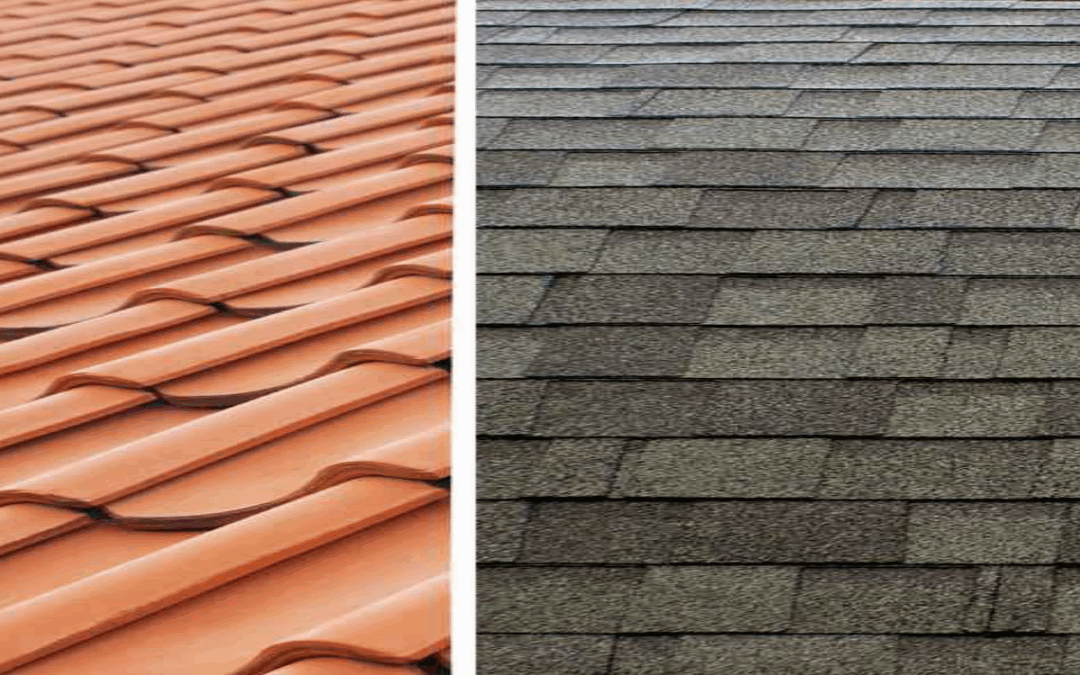
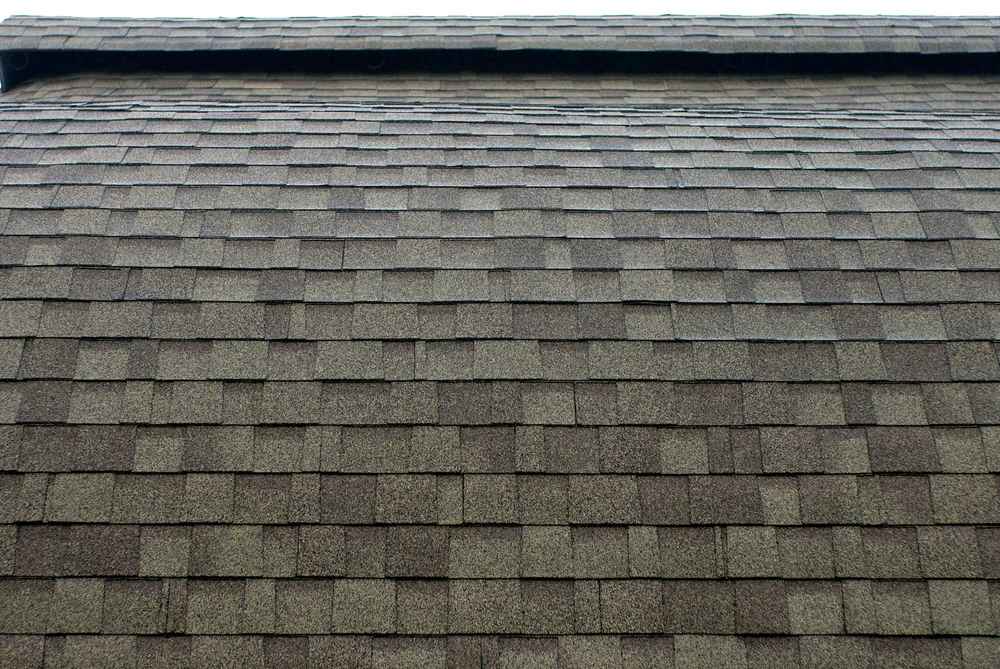
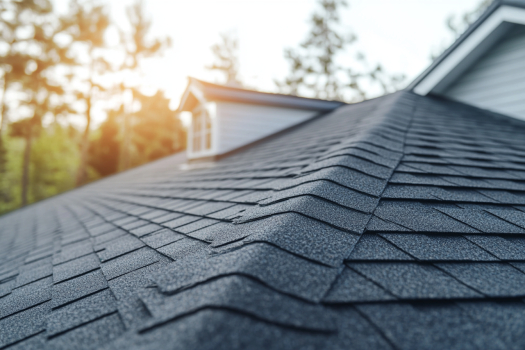
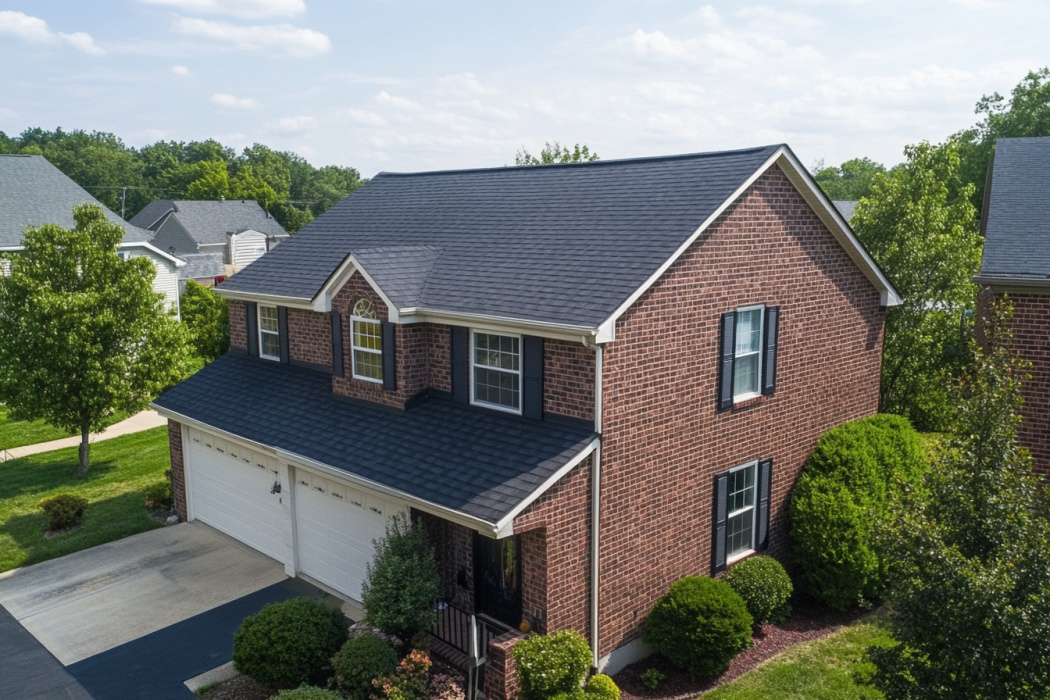
Asphalt shingles are the most common roofing material in Maryland, and for good reason. They’re budget-friendly, easy to install, and designed to handle fluctuating temperatures. High-quality asphalt shingles are manufactured with algae-resistant granules, which prevent streaking and discoloration from humid conditions.
Homeowners in Bowie, Germantown, and Columbia often choose architectural shingles over standard three-tab varieties. Architectural shingles are thicker, more durable, and offer better resistance to the constant dampness in our state. They also come in a wide range of colors and styles, making them a practical yet stylish option.
If you want a balance of affordability, protection, and curb appeal, asphalt shingles are a safe choice.
Metal Roofing: The Humidity-Proof Powerhouse
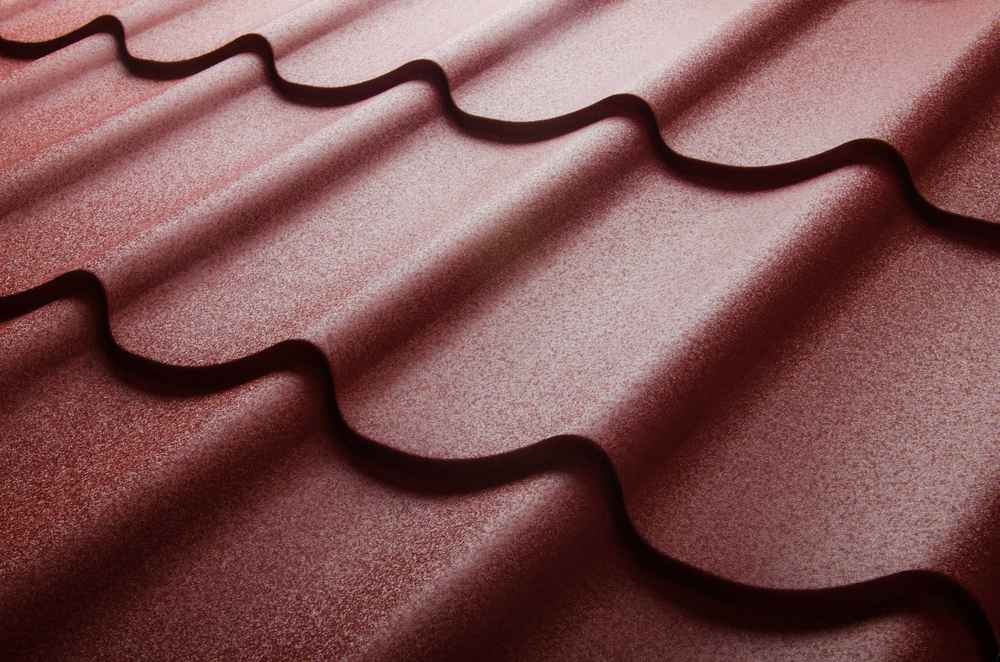
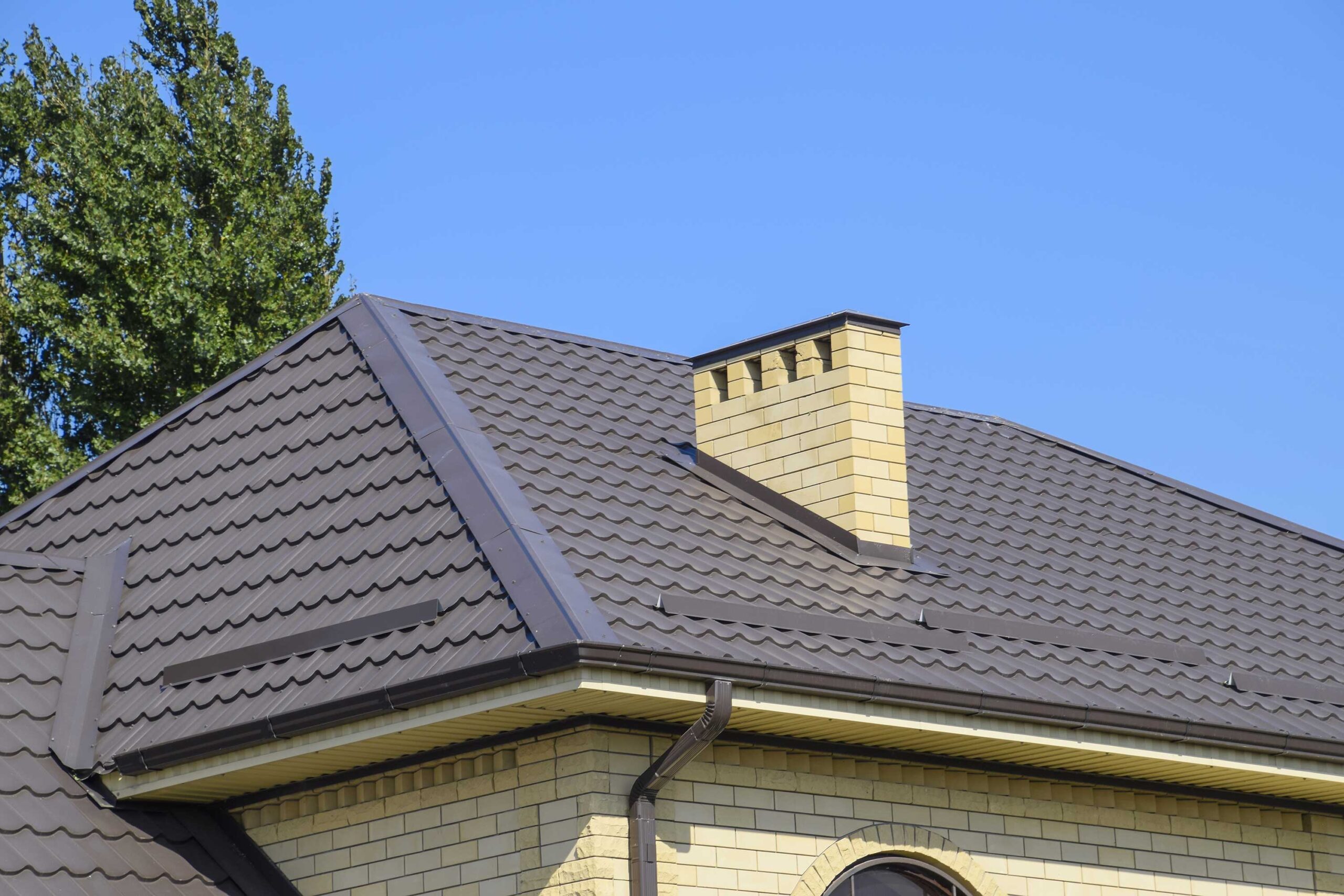
For homeowners tired of constant maintenance, metal roofing is hard to beat. Unlike shingles or wood, metal doesn’t absorb moisture, which means it naturally resists mold, mildew, and rot. Instead, rainwater slides right off its sleek surface.
Metal also reflects sunlight, making it an energy-efficient choice during Maryland’s hot summers. And with a lifespan of 40–70 years, it lasts decades longer than asphalt. While the upfront cost is higher, many homeowners view metal roofing as an investment that pays off in reduced energy bills and fewer repairs.
If longevity and low maintenance top your priority list, metal is one of the best roofing materials for Maryland’s humid climate.
Cedar Roofing: Rustic Beauty with Extra Maintenance
There’s no denying the charm of a cedar shake roof. Its rustic warmth gives homes in Old Town Bowie or historic neighborhoods a timeless appeal. Cedar also provides natural insulation, helping regulate your home’s temperature.
But cedar has one drawback: it’s not humidity’s best friend. Wood absorbs moisture, which can lead to rot, warping, or insect infestations without proper care. Homeowners who choose cedar should plan on routine sealing, inspections, and maintenance to preserve its beauty and durability.
For those willing to put in the extra effort—or partner with a trusted roofing company—cedar roofing can last decades while adding unmatched character to your home.
Slate Roofing: Timeless Strength
If you’re looking for the gold standard in roofing materials, slate is it. Naturally water-resistant, fireproof, and virtually indestructible, slate roofs are ideal for Maryland’s humidity. They resist algae, mold, and moisture damage better than almost any other material.
The lifespan? Seventy-five to one hundred years or more with proper installation. While slate requires a larger upfront investment and professional installation due to its weight, homeowners who choose it enjoy peace of mind knowing their roof will last for generations.
If long-term durability and classic beauty are your goals, slate is a worthwhile investment.
Comparing Roofing Options for Humid Climates
Still not sure which material is right for you? Here’s a side-by-side comparison:
Asphalt shingles – Affordable, versatile, and reliable with algae-resistant upgrades.
Metal roofing – Low maintenance, energy-efficient, and incredibly durable.
Cedar shakes – Gorgeous and insulating but requires ongoing care in humidity.
Slate roofing – The ultimate long-term investment, offering unmatched resilience.
No matter your budget or style, there’s a roofing material designed to withstand Maryland’s humid climate.
Why Proper Installation Matters
The material you choose is only half the equation. Even the best roofing option can fail if it’s not installed correctly. Humid climates demand extra attention to underlayment, flashing, and attic ventilation. Without proper airflow, trapped moisture can undermine your roof from the inside out.
At MARS Roofing, we:
Use water-resistant underlayment to prevent leaks.
Ensure proper attic ventilation to reduce trapped moisture.
Install flashing and gutters designed for Maryland’s heavy rainfalls.
Back every project with lifetime workmanship warranties.
It’s this combination of materials and expertise that truly protects your home.
Protect Your Home with the Right Roof
Maryland homeowners don’t get to escape humidity—but you can choose a roof that’s built to handle it. Whether you’re leaning toward asphalt shingles, metal, cedar, or slate, the key is picking a material that matches your lifestyle, budget, and long-term goals.
With expert installation and maintenance, your roof can withstand Maryland’s toughest weather while keeping your family safe, comfortable, and dry.
If you’re ready to explore the best roofing materials for your Bowie, Germantown, or Columbia home, MARS Roofing in Maryland is here to help. Our team offers free inspections, honest guidance, and solutions tailored to Maryland’s climate.
Contact MARS Roofing today to schedule your free inspection and discover the best roof for your Maryland home.
At MARS Roofing, we know that your roof does more than just keep out the rain — it defines your home’s curb appeal, protects your family, and plays a major role in your home’s energy efficiency. That’s why we offer expert roofing services of four top-performing roofing materials: asphalt shingles, metal roofing, cedar roofing, and slate tiles. Whether you’re dealing with coastal humidity, freezing winters, or the occasional Nor’easter, we help Maryland homeowners find a roofing system that delivers both beauty and durability.
But with so many options on the market, how do you choose the best one for your home? The right roofing material depends on a mix of local climate conditions, budget, style preferences, and long-term goals. Here’s what to consider when making your choice.
1. Understand the Demands of Maryland’s Climate
Maryland weather can be a wildcard. From humid summers to icy winters and unpredictable storm systems, your roof needs to withstand a wide range of conditions. This makes durability and moisture resistance top priorities. For example, metal roofing is excellent for shedding snow and resisting rust, while asphalt shingles offer strong wind protection at an affordable price point. Slate and cedar are also weather-tough but may require more maintenance depending on your home’s exposure and tree coverage.
2. Consider Your Home’s Aesthetic and Architectural Style
Your roof should enhance your home’s appearance, not clash with it. Asphalt shingles are available in a bunch of colors and styles to match most suburban and traditional homes, while cedar roofing gives off a charming, rustic appeal ideal for cottages and Cape Cod-style homes. Slate roofing, with its high-end, natural stone finish, is perfect for historic or stately homes, especially in areas like Annapolis or Frederick. If your taste leans modern or farmhouse-inspired, a standing seam metal roof can add sleek character and long-lasting performance.
3. Weigh Initial Cost vs. Long-Term Investment
Budget matters, but so does longevity. Asphalt shingles are the most affordable upfront and can last 20–30 years with proper maintenance. Metal roofing costs more initially, but its 40–70 year lifespan can offset the need for future replacements. Cedar and slate roofs are premium materials, often lasting 50 years or more, and may even increase your home’s resale value. Consider not just the price tag today, but how your roofing decision impacts your home’s value and maintenance costs down the line.
4. Know Your HOA and Neighborhood Requirements
Some Maryland neighborhoods, especially in communities like Potomac or Columbia, may have guidelines about roofing materials or colors. Always check with your homeowners association before selecting a system. Our team at MARS Roofing is familiar with local building codes and HOA requirements and can help you navigate the approval process quickly and efficiently.
5. Choose a Trusted Local Roofing Partner
The right roofing system won’t perform well without expert installation. That’s where we come in. At MARS Roofing, our licensed and insured team brings years of experience to every project. We’re proud to serve homeowners across Maryland with personalized service, detailed roof inspections, and high-quality workmanship using materials we trust.
Ready to Upgrade Your Roof?
Choosing a new roof is a big decision, but you don’t have to make it alone. Whether you’re leaning toward the budget-friendly durability of asphalt or dreaming of a timeless slate roof, MARS Roofing is here to help. Contact us today for a free consultation, and let’s find the roofing system that fits your Maryland home perfectly.
Cookies are small text files that can be used by websites to make a user's experience more efficient. The law states that we can store cookies on your device if they are strictly necessary for the operation of this site. For all other types of cookies we need your permission. This site uses different types of cookies. Some cookies are placed by third party services that appear on our pages.
Necessary cookies help make a website usable by enabling basic functions like page navigation and access to secure areas of the website. The website cannot function properly without these cookies.
Marketing cookies are used to track visitors across websites. The intention is to display ads that are relevant and engaging for the individual user and thereby more valuable for publishers and third party advertisers.
Preference cookies enable a website to remember information that changes the way the website behaves or looks, like your preferred language or the region that you are in.