When you are evaluating siding for your home, the real question is not what looks good today. It is what will continue protecting your home through years of humidity, storms, and seasonal changes.
That is exactly why Hardie Board siding and LP SmartSide continue to stand out in Maryland. These are not just popular products. They are materials designed to handle the specific conditions that cause other siding systems to fail over time.
On one hand, you have the proven strength and durability of fiber cement, which performs exceptionally well in moisture-heavy environments. On the other hand, engineered wood siding options like LP SmartSide offer flexibility and impact resistance that can be just as valuable depending on your home’s exposure.
In this guide, you will learn:
How each material performs in Maryland’s climate
Where fiber cement and engineered wood siding differ in real-world conditions
What to expect before starting a siding project
How to decide which option is right for your home
If you want clear answers based on real conditions, MARS Restoration can help with a professional inspection and straightforward guidance.
Why Siding Choice Matters in Maryland
Before you can understand why these materials are considered top choices, you need to understand what your siding is up against.
Maryland presents a challenging environment for exterior materials. It is not just one factor. It is the combination of moisture, temperature swings, and storm exposure that creates long-term stress on your home.
Key Terms Explained
To make the right decision, it helps to understand how these materials are built to perform.
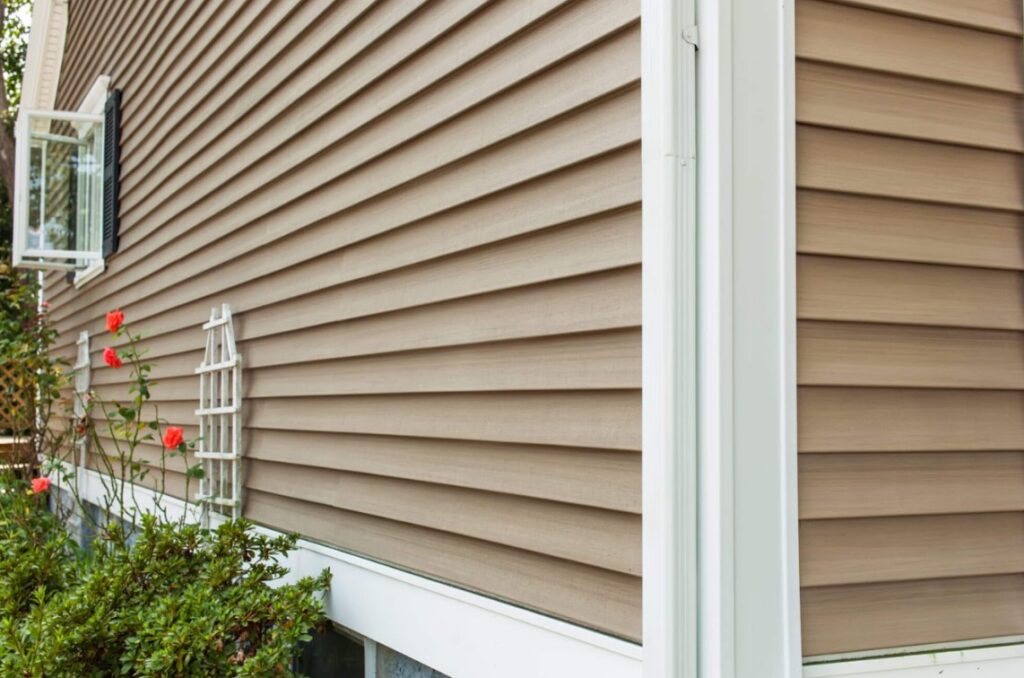
Hardie Board siding (fiber cement): A composite material made from cement, sand, and cellulose fibers. It is specifically engineered to deliver long-term performance in environments where moisture and weather variation are constant.
LP SmartSide (engineered wood siding): A treated wood product designed to improve strength, flexibility, and resistance to environmental damage while maintaining a natural wood appearance.
Durability in this context: Not just how a material looks when installed, but how well it continues to perform after years of exposure to humidity, wind, and seasonal changes.
Local Conditions That Impact Siding
With those definitions in mind, it becomes clear why material choice matters so much in this region:
High humidity increases the risk of moisture intrusion
Strong winds test the structural integrity of siding
Temperature swings cause expansion and contraction
Storm activity introduces both water and impact stress
Because of these conditions, materials like Hardie Board siding and LP SmartSide are often recommended. They are built to handle these exact challenges.
What to Know Before Choosing New Siding
Now that you understand why these materials stand out, the next step is understanding how they fit your specific situation.
Every home is different, and choosing between fiber cement and engineered wood siding comes down to how each performs relative to your priorities.
Budget Expectations
There is a noticeable difference in upfront cost between these two options.
Hardie Board siding typically requires a higher initial investment. That cost reflects both the material itself and the level of installation required to ensure it performs as intended.
LP SmartSide, as an engineered wood siding product, is generally more affordable to install. Its lighter weight and easier handling can reduce labor time.
But stepping back, the more important question is this: Are you prioritizing lower upfront cost, or long-term performance with less maintenance?
Installation Requirements
Installation plays a major role in how well siding performs over time.
Fiber cement requires a more precise installation process. That added complexity contributes to its long-term durability, especially in moisture-prone environments.
Engineered wood siding is more flexible and easier to install, which can make it a practical option without sacrificing performance when done correctly.
Permits and Local Codes
Because siding protects your home from moisture and environmental exposure, it must meet local building requirements. A properly managed project ensures everything is compliant and built to last.
Material Availability and Style
Both materials offer a wide range of styles, textures, and finishes. That means you do not have to choose between performance and appearance.
Cost Differences Between Hardie Board and LP SmartSide
Cost is often where the decision between these two materials becomes more focused.
Hardie Board siding comes with a higher upfront cost, largely due to the strength of the material and the installation process required to support the durability of fiber cement.
LP SmartSide, by comparison, offers a lower initial investment while still delivering strong performance as an engineered wood siding option.
However, looking only at upfront cost can be misleading.
Fiber cement siding often reduces long-term maintenance needs
Engineered wood siding may require more upkeep depending on exposure
This is why both remain top choices. Each offers value, just in different ways depending on your priorities.
Hardie Board vs LP SmartSide: Which Is Better?
At this point, the decision becomes less about which material is better overall and more about which one is better for your home.
The durability of fiber cement is one of the main reasons Hardie Board siding is so widely used in Maryland.
It performs exceptionally well in environments where moisture is a constant concern. Over time, it resists:
Water absorption
Rot and swelling
Structural breakdown
This makes it especially effective for homes where long-term stability is the priority.
Engineered Wood Siding: Where LP SmartSide Excels
While fiber cement focuses on moisture resistance, LP SmartSide brings strength in a different area.
As an engineered wood siding product, it is designed to handle:
Impact from debris
Movement from temperature changes
Stress from wind exposure
This makes it a strong option for homes that need flexibility as well as durability.
Side-by-Side Comparison
Feature
Hardie Board Siding (Fiber Cement)
LP SmartSide (Engineered Wood)
Moisture Resistance
Excellent
Very good
Impact Resistance
Moderate
High
Fire Resistance
Non-combustible
Treated
Maintenance
Low
Moderate
Installation
More complex
Faster
Cost
Higher upfront
Lower upfront
Looking at this comparison, it becomes clear why both materials are considered top choices. They each solve different problems effectively.
Is Hardie Board Worth the Higher Cost in Maryland?
For many homeowners, the answer comes down to how important long-term protection is.
In real-world conditions, especially during inspections, moisture-related issues are one of the most common problems found behind older siding systems.
This is where the durability of fiber cement becomes especially valuable. Hardie Board siding is less likely to absorb moisture or degrade over time, making it a reliable option for homes exposed to humidity or poor drainage conditions.
That is why it continues to be a top choice for homeowners focused on long-term performance.
Does LP SmartSide Hold Up in Humid Climates?
It does, but understanding why helps reinforce its role as a top siding option.
LP SmartSide is engineered to resist moisture while still offering the flexibility of wood. That balance is what makes engineered wood siding so effective in certain environments.
It is often a strong fit for:
Homes exposed to wind and debris
Areas where impact resistance is important
Homeowners who want a natural wood look with improved durability
Its ability to handle both stress and movement is what keeps it competitive with fiber cement in Maryland.
Which Siding Adds More Home Value?
When it comes to value, both materials contribute in meaningful ways.
Hardie Board siding adds value through long-term durability and reduced maintenance, which appeals to buyers looking for reliability.
LP SmartSide adds value through appearance and design flexibility, offering the look of traditional wood with improved performance.
In both cases, what makes them top choices is not just appearance or cost. It is how well they perform over time in Maryland conditions.
What to Expect During a Siding Inspection
At this stage, understanding your home becomes the most important step in choosing between these materials.
A siding inspection allows you to see how your current exterior is performing and what challenges your home is actually facing.
During an inspection, MARS Restoration evaluates:
Existing siding condition
Signs of moisture intrusion
Structural and ventilation concerns
Areas where durability or impact resistance is most needed
This process connects everything discussed so far back to your home, helping you determine whether Hardie Board siding or LP SmartSide is the better fit.
Deep Dive: Performance, Warranties, and Long-Term Value
To fully understand why these materials are top choices, you need to look beyond surface-level comparisons.
In many cases, siding issues are not immediately visible. Moisture damage, for example, often develops behind the surface over time.
This is where both fiber cement and engineered wood siding demonstrate their value when properly installed.
Material Performance Over Time
Hardie Board siding
Maintains structural integrity in moisture-heavy environments
Holds paint and finish longer
Reduces long-term maintenance concerns
LP SmartSide
Performs well under impact and stress
Easier to repair if damaged
Requires consistent maintenance to maintain performance
Appearance and Curb Appeal Differences
Hardie Board siding offers a clean, uniform appearance that holds up over time.
LP SmartSide provides a more natural wood grain look, giving homes a different type of visual appeal.
Both materials succeed because they combine performance with design flexibility.
Warranty Protection
MARS Restoration supports both options with:
Lifetime product warranty options
Lifetime labor warranty
2-year workmanship coverage
These protections help ensure that the benefits of each material are fully realized.
Pros and Cons Summary
Hardie Board Siding Pros
Exceptional moisture resistance
Long lifespan
Lower maintenance
Hardie Board Siding Cons
Higher upfront cost
More complex installation
LP SmartSide Pros
Strong impact resistance
More affordable upfront
Easier installation
LP SmartSide Cons
Requires more maintenance
Less fire resistance
Each material remains a top choice because it addresses different priorities effectively.
Common Questions About Hardie Board and LP SmartSide Siding in Maryland
As you compare Hardie Board siding and LP SmartSide, these are some of the most common questions homeowners ask when deciding which option is the better fit for Maryland homes.
What makes Hardie Board siding and LP SmartSide top choices in Maryland?
Hardie Board siding and LP SmartSide are top choices in Maryland because they are built to handle moisture, storms, and long-term wear. The durability of fiber cement makes Hardie Board effective in humid conditions, while engineered wood siding like LP SmartSide performs well against impact and environmental stress.
Which siding performs better in storms?
The siding that performs better in storms depends on the type of exposure your home faces. LP SmartSide offers stronger impact resistance from debris and wind, while Hardie Board siding provides better protection against moisture during heavy rain.
How long does Hardie Board siding last?
Hardie Board siding lasts 30 to 50 years in most Maryland environments. The durability of fiber cement allows it to resist moisture, rot, and long-term structural breakdown when properly installed.
Is engineered wood siding like LP SmartSide a long-term solution?
Engineered wood siding like LP SmartSide is a long-term solution when it is properly installed and maintained. It is designed to resist moisture and impact while providing flexibility that performs well in changing weather conditions.
Which siding requires less maintenance over time?
The siding that requires less maintenance over time is typically Hardie Board siding. Fiber cement materials hold paint longer and resist moisture-related damage, while LP SmartSide may require more upkeep depending on exposure.
How do I know whether Hardie Board or LP SmartSide is right for my home?
Knowing whether Hardie Board siding or LP SmartSide is right for your home starts with a professional inspection. The decision depends on whether your home needs more moisture resistance or impact durability based on its environment.
Can new siding improve energy efficiency?
New siding can improve energy efficiency when it is installed with proper insulation and sealing. Both fiber cement and engineered wood siding contribute by reducing air leaks and improving overall exterior performance.
Conclusion: Choosing the Right Siding for Long-Term Value
Hardie Board siding and LP SmartSide are considered top choices for a reason. They are designed to handle the real conditions that Maryland homes face every year.
One offers the proven durability of fiber cement in moisture-heavy environments. The other delivers the strength and flexibility of engineered wood siding where impact and movement matter most.
MARS Restoration helps homeowners understand these differences through detailed inspections and clear recommendations, so the decision is based on facts, not assumptions.
If you are deciding between these two options, schedule your siding inspection today and get expert guidance on which material is the right fit for your home.
Here’s a question most homeowners don’t ask until it’s too late: was your siding actually designed for the climate you live in? Not the climate on a mild Tuesday in April. The real climate — the 95-degree August days with 80% humidity, the coastal air rolling in off the Chesapeake, the ice storms that hit in February and don’t apologize for it. Maryland and Northern Virginia don’t give your home’s exterior a gentle ride. They test it constantly, and the wrong siding material will tell you so within just a few years of installation.
The good news is that the right material makes an enormous difference. Choosing siding based on your actual climate — rather than just price or curb appeal — is one of the smartest investments you can make as a homeowner. This guide breaks down exactly what holds up and what doesn’t, so you can make a decision you won’t regret in five years.
Key Takeaways
Climate-specific siding selection is one of the most important exterior decisions you’ll make.
Humidity, heat, and coastal air each degrade different materials in different ways.
Some of the most popular siding options handle the mid-Atlantic climate much better than others.
Installation quality matters just as much as material choice — improper sealing defeats even the best product.
MARS Roofing helps Maryland and Northern Virginia homeowners choose and install siding that’s built for where they actually live.
Why Does Climate Matter So Much When Choosing Siding?
Because the wrong material in the wrong environment doesn’t fail slowly — it fails visibly
Walk through almost any neighborhood in the DC suburbs or along the Maryland coast and you’ll find evidence of this everywhere. Siding that’s warped away from the wall. Paint that’s peeling in sheets. Panels that have absorbed so much moisture they’ve become a breeding ground for mold and mildew. These aren’t just cosmetic problems. They’re signs that a material was chosen for a showroom, not for a mid-Atlantic summer.
The mid-Atlantic region throws a combination of challenges at your siding that few other parts of the country match. You get intense summer heat paired with high humidity — a combination that causes many materials to expand, trap moisture, and eventually buckle. You get coastal air loaded with salt particles that accelerate corrosion and surface breakdown. And you get a real winter, with freeze-thaw cycles that exploit every small crack and gap in your exterior.
According to the U.S. Department of Energy, the building envelope — which includes your siding — plays a major role in both moisture management and energy efficiency. Choosing a material that can’t handle your local conditions undermines both, driving up your energy bills alongside your repair costs.
What Siding Materials Actually Hold Up in High Humidity and Heat?
Not all siding is created equal — here’s what performs when the mid-Atlantic does its worst
The market is full of siding options, and manufacturers will tell you each one is excellent. What they won’t always tell you is how each material behaves specifically under the conditions you face in Maryland and Northern Virginia. Here’s an honest breakdown.
Fiber cement siding is consistently one of the strongest performers in humid, hot climates. It’s made from a blend of cement, sand, and cellulose fiber, which means it doesn’t absorb moisture the way wood does and doesn’t expand and contract with temperature swings the way vinyl can. It resists rot, insects, and fire, and it holds paint exceptionally well — important in a climate where UV exposure is significant. Brands like James Hardie engineer their products specifically for regional humidity and temperature ranges, which makes fiber cement a particularly smart choice along the Chesapeake coast.
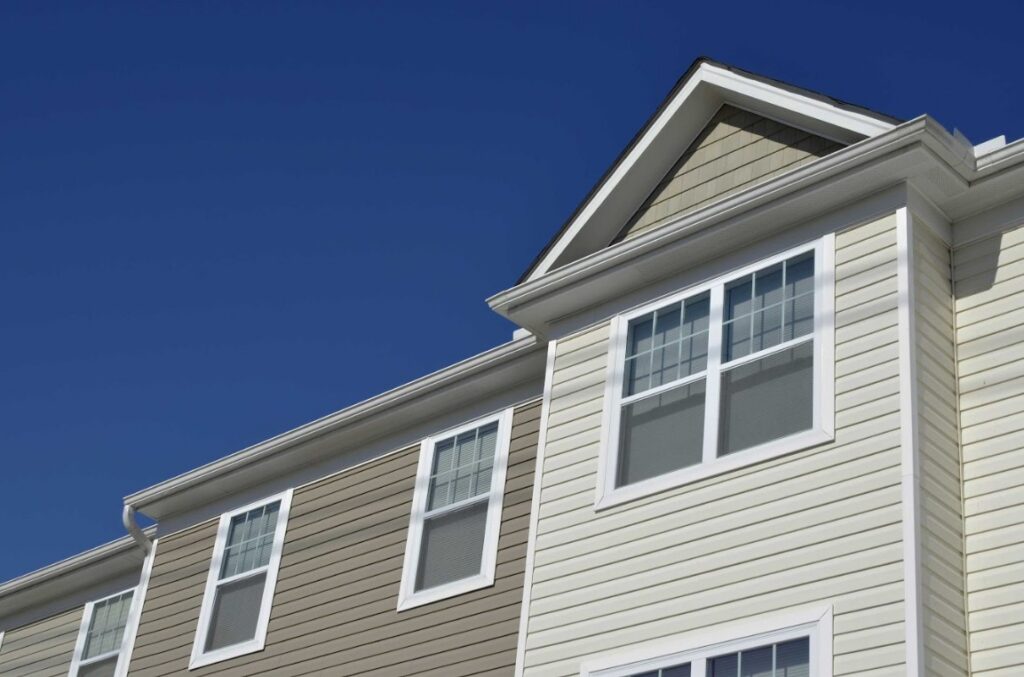
Vinyl siding is the most common choice in the region, and for good reason — it’s affordable, low maintenance, and doesn’t rot or rust. But it does have a limitation worth knowing: extreme heat can cause cheaper vinyl to warp and buckle, especially on south- and west-facing walls. If you go with vinyl, thicker panels and premium grades are worth the upgrade in this climate. Properly installed with the right expansion gaps accounted for, quality vinyl siding performs reliably for decades.
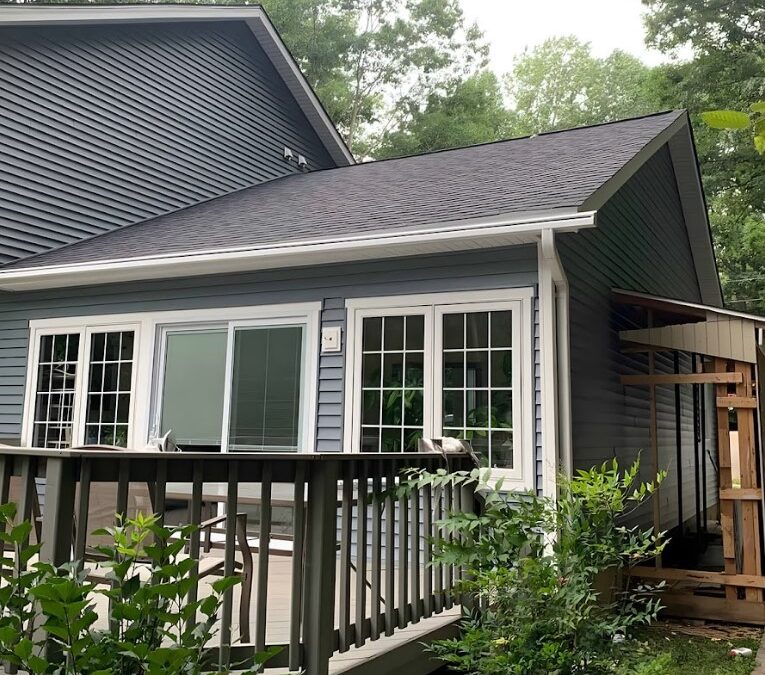
Engineered wood siding has improved dramatically in recent years. Products like LP SmartSide are treated to resist moisture and insects, making them far more durable than traditional wood in humid conditions. They offer the warm, natural look of wood without the high maintenance demands. That said, proper installation — especially around windows, doors, and trim — is critical to keeping moisture out.
What tends to struggle in this region:
Untreated or poorly sealed natural wood, which absorbs humidity rapidly and requires constant maintenance to prevent rot and warping
Lower-grade vinyl panels, which may warp in intense direct heat on exposed walls
Any material that’s installed without proper moisture barriers, flashing, and sealant, regardless of how good the product itself is
The siding installation team at MARS Roofing works with all of these materials and helps homeowners understand which option makes the most sense for their specific home, orientation, and exposure before a single panel goes up.
How Does Coastal Air Make Siding Selection Even More Complicated?
Salt air is a slow, invisible adversary — and not every material can handle it
If your home is within a reasonable distance of the Chesapeake Bay, the Potomac River, or any tidal waterway, coastal air is a real factor in your siding decision. Salt particles carried on coastal breezes are mildly corrosive, and over time they work on fasteners, paint finishes, and the surface of siding materials in ways that inland homes never experience.
Metal fasteners on wood or fiber cement siding need to be stainless steel or hot-dipped galvanized in coastal environments — standard fasteners will rust and stain, and eventually fail structurally. Paint finishes need to be high-quality and properly applied, because salt air will accelerate peeling on anything that’s marginally applied. The National Association of Home Builders notes that coastal homes require more frequent exterior maintenance cycles precisely because of accelerated weathering from salt and moisture exposure.
This is why the installation process matters just as much as the product itself. A premium fiber cement panel installed with the wrong fasteners in a coastal environment will still fail early. Getting both the material selection and the installation details right — together — is what produces a siding job that actually lasts. That’s the approach the MARS Roofing team takes on every coastal and near-coastal installation in the region.
What Are the Signs That Your Current Siding Isn’t Handling the Climate Well?
Your siding will tell you it’s struggling — you just have to know what to look for
Most siding doesn’t fail all at once. It gives you signals first, and catching those signals early is the difference between a straightforward repair and a full replacement project.
Watch for these warning signs:
Warping, bowing, or panels that have pulled away from the wall surface
Discoloration, streaking, or persistent mold growth that returns quickly after cleaning
Paint or finish that’s peeling, cracking, or chalking excessively within just a few years
Soft spots or sponginess when you press against the wall — a sign of moisture damage behind the panels
Noticeably higher energy bills, which can indicate that moisture has compromised your wall insulation
Visible gaps at seams, corners, or around window and door trim where caulk has failed
If you’re seeing any of these, a professional inspection is the right next step — not to scare you, but to give you an accurate picture of what you’re actually dealing with before deciding on repair versus full replacement.
Your Exterior, Answered: Real Questions from Maryland and Northern Virginia Homeowners
What’s the single best siding material for the Maryland and Northern Virginia climate?
Fiber cement is the most consistently recommended material for this region’s combination of heat, humidity, and coastal air. It handles moisture, temperature swings, and UV exposure better than most alternatives. That said, the right choice also depends on your budget, your home’s style, and how close you are to the water.
How long should quality siding last in this climate?
Fiber cement, when properly installed and maintained, typically lasts 30 to 50 years. Quality vinyl can last 20 to 40 years. Engineered wood products generally fall in the 20 to 30 year range. In all cases, installation quality and regular inspection dramatically affect where your siding lands in that range.
Does MARS Roofing handle siding replacement as part of a larger exterior project?
Yes — and this is actually one of the biggest advantages of working with them. Because they handle residential roofing, siding, and gutters together, the integration between systems is done right the first time. No gaps in flashing, no mismatched warranties, no handoff between contractors.
Is it worth replacing siding before selling a home?
In most cases, yes. New siding has strong curb appeal and signals to buyers that the home has been cared for. More practically, it removes a potential negotiating point during inspection. Talk to a contractor before making that call — sometimes targeted repairs are the smarter investment.
How do I know if I need repair or full replacement?
If damage is isolated to a few panels and the underlying structure is dry and sound, repair is often the right move. If moisture has gotten behind the siding and into the sheathing or framing, replacement is usually necessary to address the root problem. A professional inspection gives you that answer without guesswork.
Make the Right Call for Your Home — Before the Climate Makes It for You
Your siding is the layer between your home’s structure and everything the mid-Atlantic throws at it. Humidity. Heat. Salt air. Freeze-thaw cycles. That’s not a mild operating environment — it’s a demanding one. And the material and installation quality you choose today will determine how your home holds up over the next 20, 30, or 40 years.
The team at MARS Roofing has been helping Maryland and Northern Virginia homeowners make smart, climate-informed siding decisions since 2014. They know this region, they know these materials, and they know how to install them the right way the first time — with the warranties to back it up.
If your siding is showing its age, or you’re simply not sure how it’s holding up behind the surface, reach out for a free exterior inspection. It costs you nothing and gives you a clear, honest picture of where things stand. That’s a pretty good trade.
Most homeowners think of their roof, siding, and gutters as three separate projects — three separate headaches, three separate bills. But here’s the truth that experienced contractors know well: these systems are not independent. They are one coordinated defense, working together every single day to keep your home dry, structurally sound, and worth what you paid for it. When one part breaks down, the other two feel the stress. And before long, a small problem in one place becomes a very expensive problem everywhere.
If you live in Maryland or Northern Virginia, you already know what these systems are up against. Hot, humid summers. Ice and freezing rain in the winter. Spring storms that seem to come out of nowhere. Your home’s exterior takes a beating — and it needs every part of its defense working in sync.
Key Takeaways
Your roof, siding, and gutters are one integrated system — not three separate projects.
A failure in any one component puts extra strain on the other two.
Regular inspections catch small issues before they become major water damage events.
Maryland and Northern Virginia’s climate makes system-wide maintenance especially critical.
MARS Roofing handles all three systems, so nothing falls through the cracks — literally.
What Does It Mean for These Three Systems to Actually Work Together?
Think of it as a relay race, not a solo act
When rain hits your home, it starts at the roof. Shingles and underlayment shed water down the slope toward the edges. From there, the gutters catch it and channel it safely away from your foundation. And the whole time, your siding acts as a vertical barrier — keeping wind-driven rain from sneaking in around windows, corners, and wall seams.
Each system hands the problem to the next. If the roof has missing shingles, water doesn’t make it to the gutters — it soaks straight into the decking instead. If the gutters are clogged, water overflows and runs down the siding, pooling against the foundation. If the siding is cracked or improperly sealed, moisture works its way behind it and starts rotting the structure underneath — regardless of how good the roof and gutters are.
The relay breaks down when one runner drops the baton. And in your home, dropped batons mean water damage, mold, and repair bills that can easily climb into the tens of thousands.
How Does Your Roof Set the Stage for Everything Else?
The roof is where your home’s defense either starts strong or starts to unravel
Your roof does more than keep rain off your head. It controls how water moves across your entire exterior. A properly installed roof with adequate slope, flashing, and ventilation moves water efficiently — off the shingles, into the gutters, and away from your home. According to the National Roofing Contractors Association, roofs should be inspected at least twice a year to catch small issues before they escalate. In the mid-Atlantic region, freeze-thaw cycles alone can turn a minor soft spot into a full-blown leak within a single season.
When your roof is compromised — from storm damage, aging shingles, failed flashing, or poor attic ventilation — the downstream effects are immediate. Water backs up under shingles and presses into the walls. Ice dams form at the eaves in winter and push moisture directly behind your siding. Your gutters can’t do their job because they’re receiving water from places they were never designed to handle.
The residential roofing services at MARS Roofing are built around this big-picture thinking. When the team inspects a roof, they’re not just looking at shingles — they’re looking at how the entire exterior system is functioning, because one weak point changes everything downstream.
What Role Does Siding Play in Keeping Water Out?
Siding is your home’s vertical shield — and it works harder than most people realize
People tend to think of siding as cosmetic. And yes, a fresh installation looks great. But its primary job is to act as a water-resistant barrier across every vertical surface of your home. It keeps wind-driven rain from penetrating the wall assembly, protects the insulation underneath, and plays a direct role in your home’s energy efficiency.
When siding fails — when it cracks, warps, pulls away from trim, or loses its caulk — several things happen at once. Water infiltrates the wall cavity. Insulation gets saturated and loses its effectiveness. Wood framing begins to rot. Mold starts growing in places you’ll never see until the damage is severe. And because this happens gradually and quietly, many homeowners don’t discover it until they’re staring at a major repair bill.
Watch for these warning signs that your siding may be failing:
Bubbling, warping, or cupping on the surface of panels
Visible gaps where panels meet at corners or around windows
Paint peeling from the inside out — a sign of moisture trapped behind the siding
Soft or spongy spots when you press against the wall, indicating rotted sheathing underneath
Higher-than-normal heating and cooling bills with no other obvious cause
Mold or mildew streaks running down from the roofline
The siding services offered by MARS Roofing address both the cosmetic and structural sides of the problem, making sure new installations are properly flashed, sealed, and integrated with the roof system above. That’s what keeps homes in Maryland and Northern Virginia genuinely protected — not just painted over.
Why Do Gutters Matter So Much — Aren’t They Just Channels for Water?
Gutters protect your foundation, your siding, and your roof all at once
Yes, gutters channel water. But where they send it is what matters. A properly functioning gutter system collects water at the roofline and directs it away from your home’s foundation through downspouts. When that system works, you never think about it. When it doesn’t — when gutters are clogged, sagging, or improperly pitched — the consequences ripple through every other part of your exterior.
Overflowing gutters dump water directly against your siding and down toward your foundation, which over time leads to basement flooding, foundation cracks, and serious siding damage. Clogged gutters are also a leading cause of ice dams in winter, because water that can’t flow freely freezes at the eaves and backs up under the shingles. The EPA’s guidance on moisture control is clear: managing water at the roofline and foundation is one of the most effective ways to prevent mold and structural degradation inside your home.
Proper gutter installation from MARS Roofing means sizing gutters correctly for your roof’s pitch and square footage, ensuring the right slope toward downspouts, and positioning those downspouts to discharge well away from the foundation. It’s detail-driven work — and when it’s done right, it protects everything above it and below it.
What Happens When One System Fails — Does It Really Affect the Others?
Yes, and faster than you’d expect
Here’s a scenario that plays out constantly in Maryland and Northern Virginia. A homeowner notices their gutters are sagging and figures they’ll deal with it next spring. In the meantime, water overflows all winter. By spring, there’s rot in the fascia boards that hold the gutters — which also means the lower edge of the roof is now compromised. Water has been running down the siding, getting behind the lower panels. What started as a gutter issue has become a roofing, siding, and carpentry problem. The repair bill has grown to three or four times what the original gutter fix would have cost.
This isn’t a scare tactic. It’s just how moisture works. It finds every weakness and exploits it. The only way to stay ahead of it is to treat your home’s exterior as the system it actually is — and to address problems early, before they cascade into something much bigger.
That’s exactly why MARS Roofing offers a comprehensive 20-point exterior inspection that covers all three systems together. You can learn more about who they are and how they work on the MARS Roofing About page.
How often should I have my roof, siding, and gutters inspected?
At least once a year — ideally in the fall before winter weather arrives. After any significant storm, a quick visual check is a smart habit. MARS Roofing offers free exterior inspections that cover all three systems at once, which is the most efficient way to catch anything you might miss on your own.
Can I replace my gutters without touching the roof or siding?
Sometimes, yes. But a good contractor will always check the fascia and soffit behind the gutters during any gutter replacement, because rot in those areas is very common. Installing new gutters on compromised fascia is a temporary fix at best.
How do I know if my siding damage is cosmetic or structural?
Cosmetic damage stays at the surface — a scratch, a small dent, faded color. Structural damage involves moisture getting behind the panels. If you see soft spots, warping, mold streaking, or paint peeling from the wall outward, you likely have moisture behind the siding. That calls for a professional assessment.
What’s the most common mistake homeowners make with their exteriors?
Waiting. Problems with roofing, siding, and gutters almost always start small. A missing shingle, a loose gutter spike, a hairline crack in the caulk around a window — these are cheap fixes when caught early. They become expensive repairs when ignored for one or two more seasons.
Does MARS Roofing handle storm damage?
Yes. Their storm damage repair services cover roof, siding, and gutter damage, and their team can help document the damage for your insurance claim. They’re available 24/7 for emergency situations.
Ready to Protect Your Whole Home? Here’s Where to Start
Your roof handles what falls from the sky. Your siding handles what blows in sideways. Your gutters handle everything that’s left. When all three are working together, your home is as protected as it can be. When one of them is lagging, the whole system is only as strong as that weakest link.
The good news is you don’t have to figure it all out on your own. The team at MARS Roofing has been serving homeowners across Maryland and Northern Virginia since 2014, and they specialize in exactly this kind of whole-home exterior thinking. With a free 20-point inspection, lifetime warranties, and financing options available, there’s no reason to put it off another season.
If you’re in Maryland or Northern Virginia and you want to know where your home’s exterior actually stands, reach out to MARS Roofing today. A free inspection takes an hour. The peace of mind it gives you lasts all year.
A commercial roof doesn’t usually fail all at once. It fades. It cracks. It starts letting in a little water here, a little heat there. And before you know it, you’re staring down a full roof replacement that wasn’t in the budget.
Here’s the good news: you may not need to replace it at all.
Roof coatings are one of the most practical, cost-effective ways to extend the life of commercial and multi-family roofing systems. When applied correctly, they restore performance, seal weak spots, and buy you valuable time—sometimes a decade or more.
If you manage an apartment complex, office building, retail center, or industrial property, understanding roof coatings could save you serious money.
Key Takeaways
Roof coatings can extend the life of commercial and multi-family roofs by 10–20 years.
They seal small cracks, prevent leaks, and protect against UV damage.
Coatings are often more affordable and less disruptive than full roof replacement.
Not every roof qualifies—inspection and preparation are critical.
Maryland’s climate makes preventative protection especially valuable.
Professional installation ensures proper adhesion and long-term performance.
What Is a Commercial Roof Coating?
A roof coating is a protective layer applied over an existing roofing system
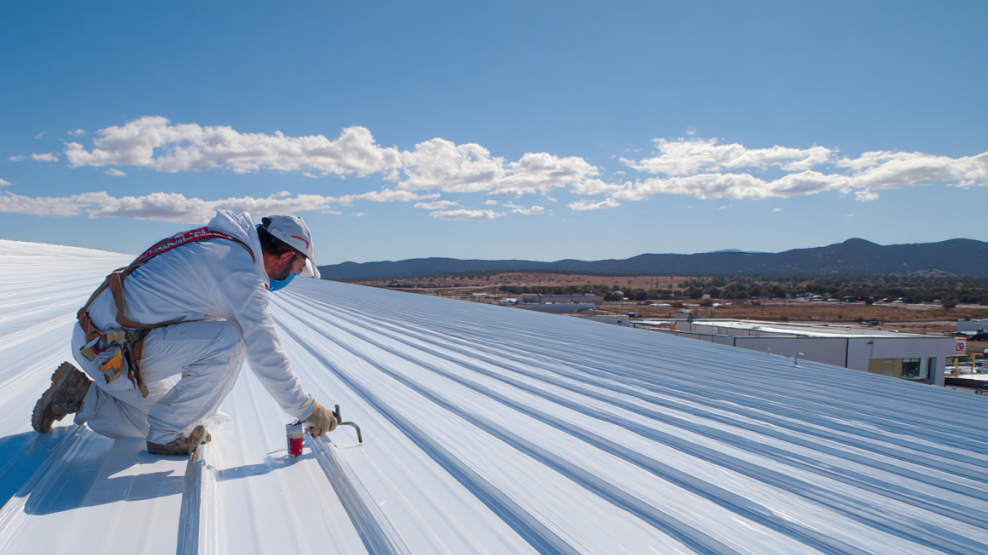
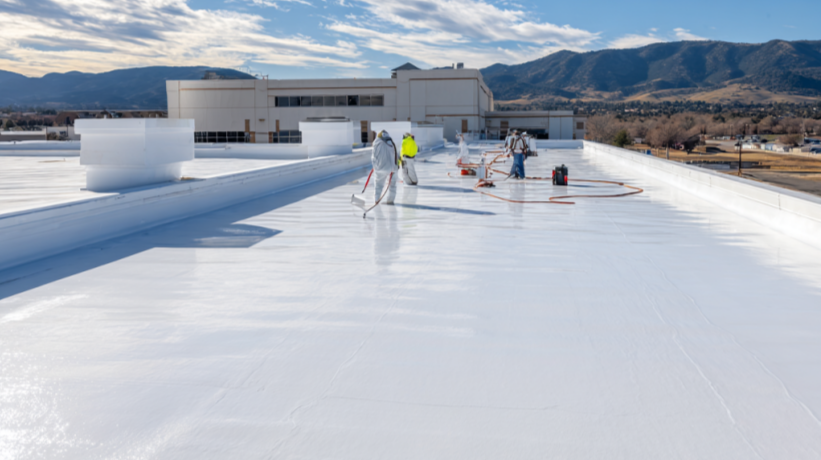
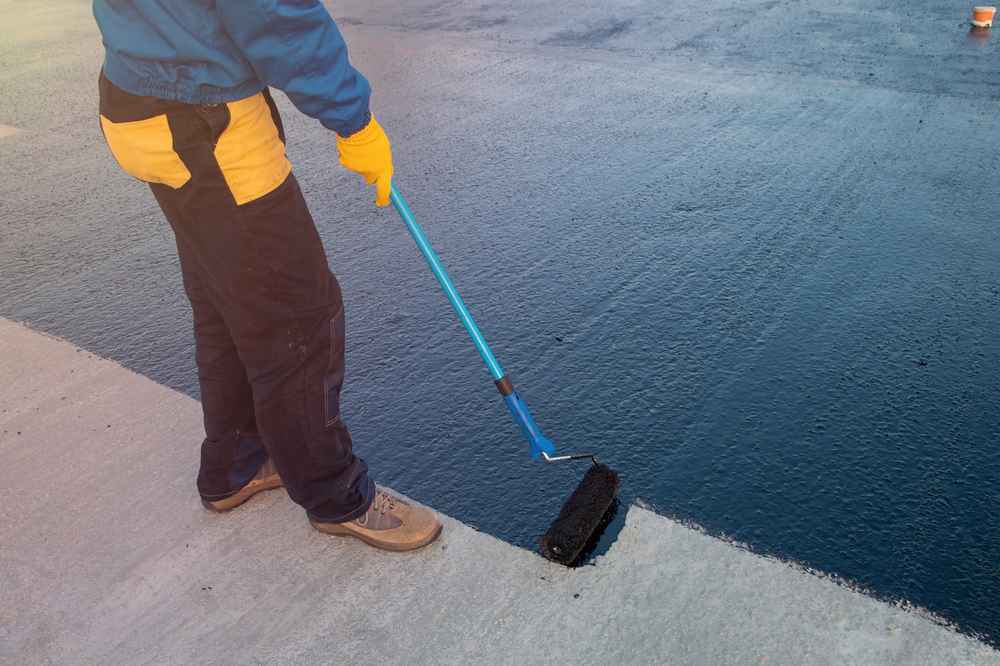
Think of a roof coating as a liquid-applied membrane that cures into a seamless, waterproof barrier. It’s rolled or sprayed over your current roof and bonds directly to the surface.
Common types of commercial roof coatings include:
Acrylic coatings
Silicone coatings
Polyurethane coatings
Each type has strengths, but they all share one goal: extend the life of your existing roof without tearing it off.
If your roof is structurally sound but showing signs of aging, a coating can restore protection at a fraction of the cost of replacement.
How Do Roof Coatings Extend the Life of a Commercial Roof?
They protect what you already have instead of starting from scratch
Roofs fail for predictable reasons—UV exposure, thermal expansion, ponding water, and small cracks that turn into big leaks.
A roof coating works by:
Sealing minor cracks and seams
Creating a waterproof barrier
Reflecting UV rays
Reducing thermal movement
Protecting against further surface degradation
Maryland summers bring strong sun and humidity. Winters bring freezing temperatures and expansion cycles. That constant movement wears down roofing materials over time.
A coating adds a flexible layer that moves with the roof instead of fighting it.
Can a Roof Coating Help Stop Leaks?
Yes—but only if the roof is still structurally sound
One of the most common questions property managers ask is: “Will a coating fix my leaks?”
If the leaks are coming from minor cracks, aging seams, or surface wear, the answer is often yes. A properly applied coating seals those vulnerable areas and prevents new moisture intrusion.
However, coatings are not magic. They cannot fix:
Saturated insulation
Structural deck damage
Major membrane failure
That’s why a professional inspection matters. You need to know what you’re working with before deciding whether restoration is realistic.
How Much Money Can a Roof Coating Save Compared to Replacement?
In many cases, significantly less than a full tear-off
Commercial roof replacement is expensive. Labor, disposal, new materials, disruption to tenants—it adds up fast.
Roof coatings typically cost substantially less because:
There’s no tear-off required in many cases
Less labor is involved
Installation is faster
Disposal costs are reduced
For multi-family properties, that also means fewer disruptions to residents. No loud demolition. No dumpsters blocking parking lots for weeks.
If your roof still has life left in it, a coating helps you maximize that investment instead of discarding it early.
Do Roof Coatings Improve Energy Efficiency?
Yes, especially reflective coatings
Many commercial roof coatings are bright white or light-colored. That matters.
Reflective coatings bounce sunlight away instead of absorbing it. That reduces rooftop temperatures and lowers heat transfer into the building.
Benefits can include:
Lower cooling costs in summer
Reduced strain on HVAC systems
Improved tenant comfort
Extended lifespan of rooftop equipment
In Maryland, where summers are humid and hot, that reflectivity can make a measurable difference.
Even darker roofs can be upgraded with reflective coatings to improve energy performance.
What Types of Commercial Roofs Can Be Coated?
Most flat and low-slope roofs are candidates
Roof coatings work well on:
TPO roofing
EPDM roofing
PVC roofing
Modified bitumen
Metal roofing
The key factor isn’t the material—it’s the condition.
A roof that is dry, structurally intact, and properly prepared can often be restored. A roof that’s been neglected for years may not qualify.
Preparation usually includes cleaning, repairing damaged sections, reinforcing seams, and ensuring proper drainage.
Skipping prep work is one of the fastest ways to shorten a coating’s lifespan.
How Long Does a Commercial Roof Coating Last?
That depends on thickness and maintenance
Most commercial roof coatings last 10–20 years, depending on:
The type of coating used
Application thickness
Environmental exposure
Ongoing maintenance
Many systems can even be recoated at the end of their service life, extending protection again without full replacement.
Regular inspections—especially after major storms—help ensure the coating continues performing as intended.
Are Roof Coatings a Good Fit for Multi-Family Properties?
They’re often ideal for apartment and condo buildings
Multi-family properties have unique challenges:
Budget constraints
Tenant comfort concerns
Limited downtime for major construction
Roof coatings address all three.
Because installation is faster and less invasive, residents experience minimal disruption. There’s no full tear-off exposing units to the elements. And the lower upfront cost helps property owners manage capital expenses more strategically.
If you manage multiple buildings, coatings can also help stagger long-term roof planning rather than replacing everything at once.
What Are the Warning Signs That a Roof Coating Might Be a Smart Move?
Watch for early aging—not total failure
If you notice:
Small recurring leaks
Cracking or surface wear
Fading membrane
Rising cooling bills
Minor seam separation
It may be time to explore restoration before damage worsens.
Waiting until the roof is beyond repair eliminates coating as an option. Early action preserves flexibility—and your budget.
What Should You Ask Before Investing in a Roof Coating?
The Rooftop Reality Check
Before committing to a coating system, ask:
Is my roof structurally sound enough for restoration?
What prep work is required before application?
How thick will the coating be applied?
What warranty options are available?
How will drainage issues be addressed?
A reputable contractor will walk you through the entire process and explain whether a coating truly makes sense—or if replacement is the smarter move.
Honesty here saves everyone headaches later.
Why Does Maryland’s Climate Make Roof Coatings So Valuable?
Because four seasons test every roofing system
Maryland delivers:
Humid summers
Intense sun exposure
Heavy rain
Winter snow and ice
Freeze-thaw cycles
That combination slowly breaks down roofing membranes.
A flexible, reflective roof coating acts as armor against that wear. It reduces UV degradation in summer and helps prevent cracking during cold snaps.
Preventative protection in this climate isn’t optional—it’s strategic.
What’s the Bottom Line on Commercial Roof Coatings?
They’re not a shortcut. They’re a smart extension plan.
If your roof is still structurally sound, a coating can add years of performance without the cost and disruption of replacement.
It protects your investment. It stabilizes your maintenance budget. It buys you time to plan long-term improvements without rushing into emergency spending.
But it only works when done correctly—after proper inspection, preparation, and professional application.
Ready to Protect Your Roof and Extend Its Life?
Your roof doesn’t need to fail before you act.
If you manage a commercial or multi-family property in Maryland and want to explore whether a roof coating is the right solution, it’s time for a professional evaluation.
Contact Mars Roofing for expert roof inspections, honest recommendations, and high-quality coating systems built to handle Maryland’s toughest seasons.
Because the smartest roof investment isn’t always replacing it. Sometimes it’s protecting what you already have—and making it last.
When water starts creeping across ceiling tiles or your energy bills spike for no clear reason, suddenly that flat roof becomes the most important part of the building. Choosing the right system isn’t just about price per square foot. It’s about durability, climate, foot traffic, long-term maintenance, and how much risk you’re willing to live with.
If you’re weighing TPO, EPDM, PVC, or modified bitumen, you’re in the right place. Let’s break it down in plain English and help you figure out what makes sense for your property in Maryland.
Key Takeaways
The best flat roof system depends on your building type, budget, and long-term goals.
TPO and PVC are energy-efficient and reflective, making them popular for commercial buildings.
EPDM performs well in cold climates and offers strong long-term durability.
Modified bitumen is tough and time-tested, especially for buildings with heavy foot traffic.
Maryland’s freeze-thaw cycles and storm seasons make professional installation critical.
A roof inspection can save thousands by matching the right system to your structure.
What Is a Flat Roof System, and Why Does the Material Matter?
Because not all flat roofs are built—or perform—the same
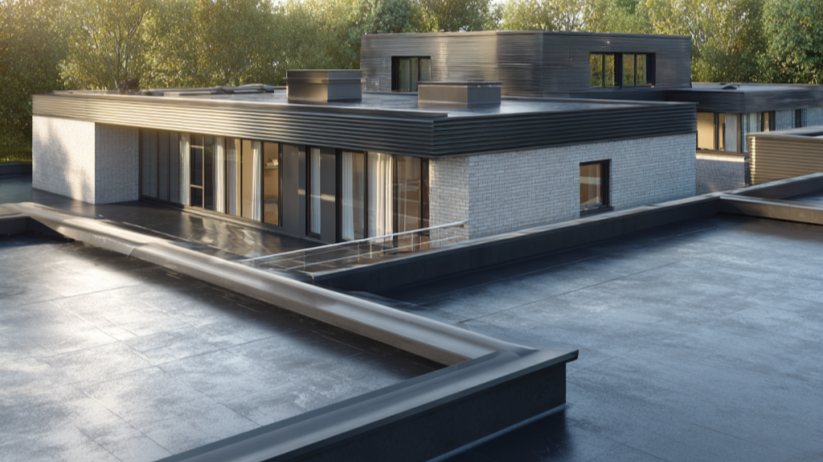
Flat roofs aren’t truly flat. They have a slight slope to drain water, but they rely heavily on the membrane material to keep moisture out.
Unlike steep-slope roofs with shingles, flat roof systems use continuous sheets or layers that act as waterproof barriers. The wrong material can lead to:
Ponding water problems
Premature cracking
Seam failure
High cooling costs
Expensive repairs within a few years
The right material, installed correctly, can last decades.
In Maryland, where we deal with summer heat, heavy rain, winter snow, and freeze-thaw cycles, your roofing system has to handle all four seasons without blinking.
What Is TPO Roofing and When Does It Make Sense?
TPO is a popular, energy-efficient membrane for commercial properties
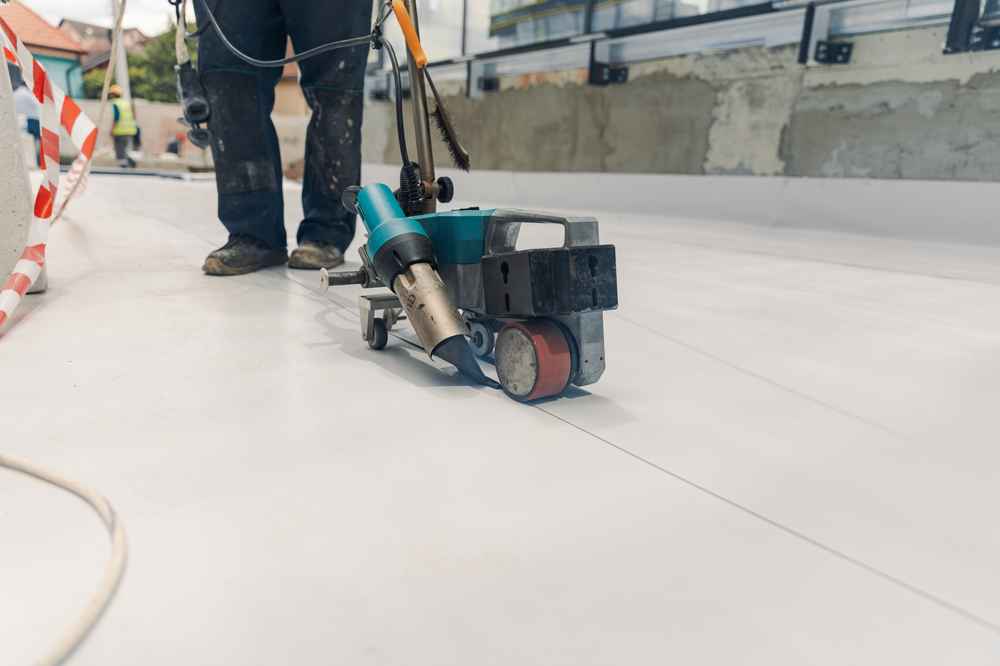
TPO (thermoplastic polyolefin) is a single-ply roofing membrane known for its bright white, reflective surface. It’s one of the most commonly installed flat roof systems today.
Why property owners choose TPO:
Reflects UV rays and reduces cooling costs
Heat-welded seams create strong bonds
Lightweight and flexible
Resistant to mold and dirt buildup
TPO works especially well on large commercial buildings where energy efficiency is a priority. If your utility bills climb during Maryland summers, this system can help reduce rooftop heat absorption.
That said, not all TPO is manufactured equally. Thickness, reinforcement quality, and installer experience matter. A poorly installed TPO roof can fail at the seams.
Is EPDM the Right Choice for Maryland’s Climate?
EPDM handles cold weather like a champ
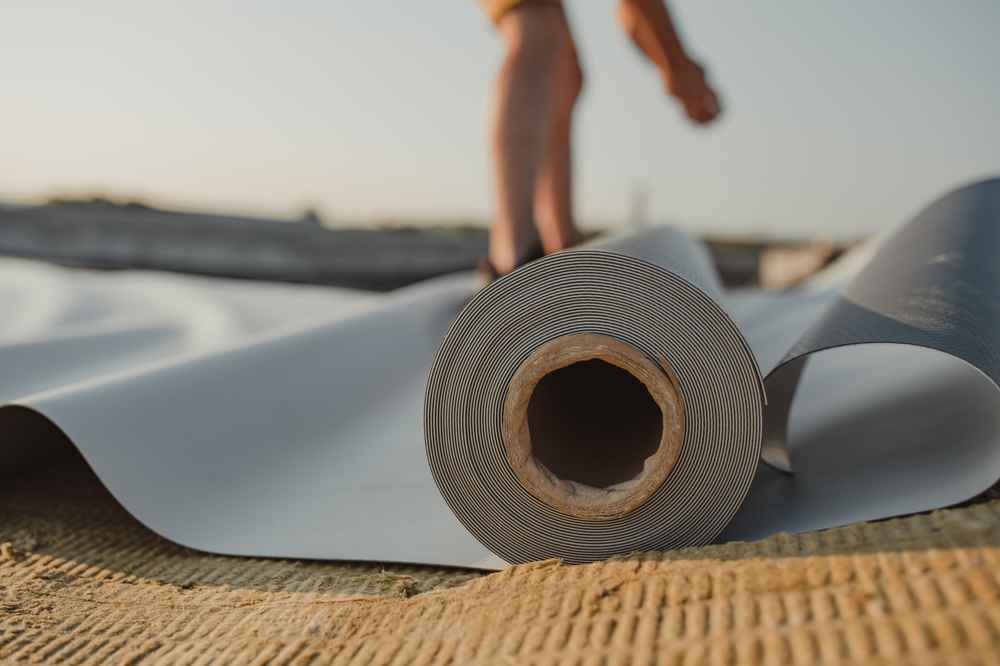
EPDM (ethylene propylene diene monomer) is often referred to as “rubber roofing.” It’s typically black and comes in large rolls that are adhered or mechanically fastened to the roof deck.
Why EPDM stands out:
Excellent flexibility in cold temperatures
Long lifespan when maintained properly
Resistant to UV radiation
Lower upfront cost compared to PVC
In colder climates, EPDM shines because it expands and contracts without cracking. Maryland winters bring freeze-thaw cycles that can stress rigid materials. EPDM handles that movement well.
The trade-off? Its black surface absorbs heat. That’s not always bad—especially in colder regions—but it can increase cooling demands in summer unless paired with proper insulation.
What Makes PVC Roofing Different from TPO?
PVC offers strength, durability, and chemical resistance
PVC (polyvinyl chloride) roofing looks similar to TPO but tends to offer higher performance in certain environments.
PVC is often used on:
Restaurants with grease exhaust systems
Industrial buildings
Facilities exposed to chemicals
It’s resistant to grease, oils, and harsh substances that can break down other membranes.
Advantages of PVC roofing:
Strong, heat-welded seams
Excellent waterproofing performance
Reflective and energy-efficient
Durable against punctures
PVC is usually more expensive than TPO, but in high-risk environments, that extra investment can prevent early failure.
If your building has rooftop HVAC units, frequent service traffic, or exposure to contaminants, PVC might be the smarter long-term choice.
Is Modified Bitumen Still a Good Flat Roof Option?
Yes—especially for durability and foot traffic
Modified bitumen has been around for decades. It’s an asphalt-based roofing system reinforced with fiberglass or polyester and applied in layers.
It’s often installed using heat (torch-down), cold adhesives, or self-adhering sheets.
Why building owners still choose modified bitumen:
Excellent puncture resistance
Multi-layer protection
Strong performance under foot traffic
Proven track record
If your roof sees regular maintenance crews walking across it, modified bitumen offers a rugged surface that stands up to abuse.
While it may not have the same reflectivity as TPO or PVC unless coated, it’s reliable and well-suited for many Maryland commercial and multi-family properties.
How Do You Decide Which Flat Roof System Is Best for Your Building?
Start with your building’s real-world needs
This isn’t a popularity contest. The “best” flat roof depends on how your building functions.
Ask yourself:
Does my roof get heavy foot traffic?
Are energy costs a concern?
Is chemical exposure an issue?
What’s my long-term ownership plan?
How important is lifespan versus upfront cost?
Here’s a simple way to think about it:
Choose TPO if energy efficiency and affordability are priorities.
Choose EPDM if cold-weather flexibility and budget matter most.
Choose PVC if chemical resistance and durability are critical.
Choose modified bitumen if you want toughness and layered protection.
The key is matching the system to the structure—not forcing a one-size-fits-all solution.
How Important Is Professional Installation?
More important than the brand name on the material
You can buy the best membrane on the market, but if it’s installed poorly, it will fail.
Flat roofing requires:
Precise seam welding
Proper drainage design
Correct insulation layering
Attention to flashing details
In Maryland, improper drainage can lead to ponding water, and ponding water leads to premature failure.
That’s why inspection, design, and installation all matter just as much as the product you choose.
What Questions Should You Ask Before Replacing a Flat Roof?
The Rooftop Reality Check
Before signing a contract, ask your contractor:
How long will this system realistically last in Maryland?
What thickness membrane are you installing?
How are seams sealed and tested?
What warranty options are available?
How will drainage be improved?
A good contractor won’t rush these answers. They’ll explain them.
Flat roof replacement isn’t cheap. But choosing wrong is even more expensive.
How Long Do These Flat Roof Systems Typically Last?
Lifespan depends on material, installation, and maintenance
While exact numbers vary, general expectations look like this:
TPO: 15–25 years
EPDM: 20–30 years
PVC: 20–30+ years
Modified bitumen: 20+ years
Regular inspections and preventative maintenance can extend lifespan significantly.
Ignoring small seam issues or flashing cracks? That’s how minor repairs turn into interior water damage.
Why Does Maryland’s Climate Make Roof Selection So Important?
Because your roof sees every season in full force
Maryland experiences:
Humid summers
Heavy thunderstorms
Snow and ice
Freeze-thaw cycles
That combination stresses roofing materials in different ways throughout the year.
The right flat roof system accounts for all of it—not just today’s weather.
What’s the Bottom Line When Choosing Between TPO, EPDM, PVC, and Modified Bitumen?
The best roof is the one built for your building—not someone else’s
There isn’t a universal winner.
There’s only the right match for your structure, budget, and long-term plans.
Flat roofs aren’t flashy. They don’t sparkle. But they quietly protect everything underneath them—your inventory, your employees, your tenants, your investment.
Choosing carefully now means fewer emergencies later.
Ready to Get Your Flat Roof Done Right?
A flat roof isn’t something you want to gamble on.
If you’re considering TPO, EPDM, PVC, or modified bitumen and want expert guidance tailored to Maryland’s climate, it’s time to talk to professionals who understand local conditions and long-term performance.
Contact Mars Roofing today for a thorough inspection and honest recommendations. Whether you need repair, replacement, or a full system upgrade, our team will help you choose the right flat roof solution—built to last through Maryland’s toughest seasons.
Because the best roof isn’t just installed. It’s built with purpose.
Flat roofs are everywhere across Maryland and Virginia. From commercial buildings and apartment complexes to townhomes and mixed-use properties, they’ve become a defining feature of the region’s built environment. But while flat roofs are practical, affordable, and efficient, they also come with unique maintenance needs that can’t be ignored.
If you own or manage a building with a flat roof, understanding why they’re so common and how to care for them properly can save you serious money, stress, and downtime. This guide breaks it all down in plain language, with real-world advice you can actually use.
Key takeaways to keep in mind as you read
Flat roofs suit Mid-Atlantic architecture, zoning, and building density
Weather in Maryland and Virginia puts extra stress on flat roof systems
Standing water is the biggest long-term threat to flat roofs
Routine maintenance prevents leaks, mold, and premature replacement
Working with a local flat roofing expert makes all the difference
Why are flat roofs so common in Maryland and Virginia?
What makes flat roofs practical for this region?
Flat roofs took off in Maryland and Virginia for a few simple reasons. They’re efficient to build, easier to design around tight urban spaces, and well-suited for commercial and multi-family properties. In dense areas like Baltimore, Northern Virginia, and suburban commercial corridors, flat roofs allow for maximum usable interior space without complicated rooflines.
They also make sense from a planning perspective. Flat roofs allow for HVAC units, solar panels, and drainage systems to stay out of sight while keeping building profiles clean and consistent with zoning requirements.
How do climate and weather influence flat roof popularity?
Why do flat roofs still work despite Mid-Atlantic weather?
Maryland and Virginia see it all. Heavy rain, humidity, snow, ice, and wide temperature swings. Flat roofs can handle these conditions when they’re designed and maintained correctly.
Modern flat roofing systems are engineered to manage water, resist UV exposure, and flex with temperature changes. The problem isn’t the roof style. It’s neglect, poor drainage, or outdated materials that cause most failures.
What types of flat roofing systems are most common locally?
Which materials are used on flat roofs in this area?
Most flat roofs in Maryland and Virginia fall into a few proven categories, each with strengths depending on building use and budget.
Common flat roofing systems include
TPO roofing systems known for energy efficiency
EPDM rubber roofing valued for flexibility and durability
Modified bitumen systems offering layered protection
Each of these systems performs well in the Mid-Atlantic when installed correctly and maintained consistently.
What is the biggest problem flat roofs face over time?
Why is standing water such a serious issue?
Water is the number one enemy of flat roofs. Even though they’re called flat, these roofs rely on subtle slopes and drains to move water away. When drains clog or low spots develop, water pools.
Over time, standing water breaks down roofing membranes, seeps into seams, and finds its way inside. Left unchecked, it can lead to leaks, mold growth, insulation damage, and structural issues.
How often should flat roofs be inspected in Maryland and Virginia?
What inspection schedule actually works?
Flat roofs should be inspected at least twice a year, ideally in spring and fall. Inspections are also critical after major storms, heavy snow, or prolonged rainfall.
Routine inspections catch small issues like cracked seams, clogged drains, or punctures before they turn into full-scale leaks. In a region with unpredictable weather, skipping inspections is one of the fastest ways to shorten roof life.
What maintenance tasks keep flat roofs in good shape?
Which simple steps make the biggest difference?
Flat roof maintenance doesn’t have to be complicated, but it does need to be consistent. Property owners who stay ahead of small issues almost always avoid costly repairs later.
Key maintenance tasks include
Clearing drains and scuppers of debris
Checking seams, flashing, and penetrations
Removing standing water after heavy rain
Watching for membrane cracks or bubbles
Keeping roof surfaces clean and unobstructed
These steps protect the roof’s ability to shed water and resist weather damage year-round.
How does seasonal weather affect flat roof maintenance?
What should owners watch for throughout the year?
Each season brings different risks. Summer heat can cause membranes to expand, while winter freeze-thaw cycles stress seams and flashing. Fall leaves clog drains. Spring rain tests drainage systems.
Staying proactive with seasonal maintenance keeps flat roofs stable through constant environmental changes and prevents sudden failures during extreme weather events.
How long should a flat roof last in this region?
What lifespan is realistic for flat roofing systems?
When properly installed and maintained, flat roofs in Maryland and Virginia can last 20 to 30 years depending on the material. The biggest factor is not age, but care.
Roofs that receive regular inspections and prompt repairs often outperform neglected roofs by a decade or more. Maintenance directly extends lifespan and reduces total ownership costs.
What mistakes do property owners commonly make with flat roofs?
Why do flat roofs get a bad reputation?
Flat roofs don’t fail because they’re flat. They fail because they’re ignored. Many owners assume no visible leaks means no problems. Unfortunately, water damage often develops quietly beneath the surface.
Other common mistakes include delaying repairs, using inexperienced contractors, and skipping drainage improvements. These shortcuts almost always lead to bigger problems later.
How can flat roofs improve energy efficiency?
What role does flat roofing play in comfort and cost control?
Modern flat roofing materials reflect heat and support insulation systems that stabilize indoor temperatures. This reduces strain on HVAC systems and lowers energy bills throughout the year.
In commercial buildings, these energy gains add up quickly, improving comfort for occupants while controlling operational costs.
What questions do property owners usually ask about flat roofs?
Straight answers before problems start
How do I know if my flat roof is leaking?
Signs include water stains, bubbling paint, musty odors, or unexplained moisture. Professional inspections catch leaks long before interior damage appears.
Can flat roofs handle snow in Maryland and Virginia?
Yes, when drainage is clear and the structure is sound. Snow becomes a problem only when meltwater can’t escape.
Is flat roof replacement always necessary after a leak?
Not always. Many leaks can be repaired if caught early, which is why routine inspections matter.
Are flat roofs only for commercial buildings?
No. Many townhomes, residential additions, and modern homes use flat roofs successfully across the region.
How does proper maintenance protect your investment long-term?
Why proactive care always pays off
Flat roofs reward owners who pay attention. A well-maintained roof protects interiors, supports energy efficiency, and avoids sudden disruptions. Over time, maintenance costs far less than emergency repairs or early replacement.
In Maryland and Virginia’s demanding climate, a proactive approach isn’t optional. It’s essential.
Where do you go when flat roof care really matters?
The smart next step for long-lasting flat roofs
Flat roofs are everywhere in Maryland and Virginia for good reason. They work. But they only perform their best when maintained by professionals who understand local conditions, materials, and building requirements.
If your flat roof needs inspection, maintenance, or repair, reach out to Mars Roofing in Maryland. Their team brings hands-on experience, practical solutions, and the kind of workmanship that keeps flat roofs performing season after season.
Cookies are small text files that can be used by websites to make a user's experience more efficient. The law states that we can store cookies on your device if they are strictly necessary for the operation of this site. For all other types of cookies we need your permission. This site uses different types of cookies. Some cookies are placed by third party services that appear on our pages.
Necessary cookies help make a website usable by enabling basic functions like page navigation and access to secure areas of the website. The website cannot function properly without these cookies.
Marketing cookies are used to track visitors across websites. The intention is to display ads that are relevant and engaging for the individual user and thereby more valuable for publishers and third party advertisers.
Preference cookies enable a website to remember information that changes the way the website behaves or looks, like your preferred language or the region that you are in.