
How Much Does The Average Roof Repair Cost? (2022 Data)

How Much Does The Average Roof Repair Cost? (2022 Data)

When you ask us to jump, we say “how high?” When you ask us “how much is roof repair cost in 2022″, we’re going to say, “it depends.” Everyone’s two favorite words in the home improvement industry.

But it’s true.

While we could tell you the average cost of roof repairs right now is $950, that number can vary greatly depending on factors such as;

  • Roofing material used
  • Roof size or slope
  • The severity of the damage
  • Location
  • Labor and permits
  • Number of roofing elements

Luckily, we’ve got some more specific answers for you so you can get a closer estimate of what your roof repair costs might be depending on your specific needs and roof.
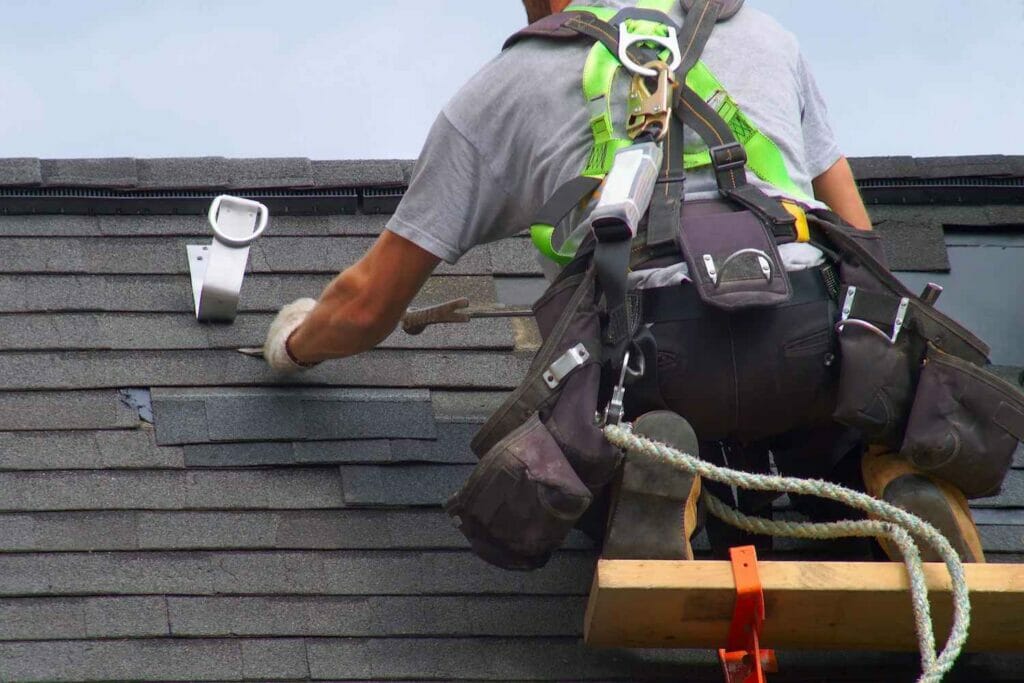
roofer construction roof maintenance rope security worker

HOW MUCH DOES ROOF REPAIR COST (BY MATERIAL)?💰

Besides the size of your repairs, the type of roofing material you need to repair is the next most significant factor in determining the cost of your repairs. Because most roofing materials are priced by the square foot, they can range anywhere from a few bucks to thousands, depending on the extent of your repairs. But for the most part, the average cost of roof repairs for each common material is the following:

ASPHALT SHINGLES $500-$1,000

Asphalt shingles are the most commonly used type of roofing material in the United States, and rightfully so. They are durable, versatile, and cost-effective. They do, however, last much less time than other roofing materials.

That means you might be investing in more repairs in order to prolong your roof’s life. And at $90/square (100 sq. ft.) you can expect to spend anywhere from $500 to $1,000 on roof repairs. Common repairs for asphalt shingle roofs include:

  • Hail damage repair
  • Foof leaks
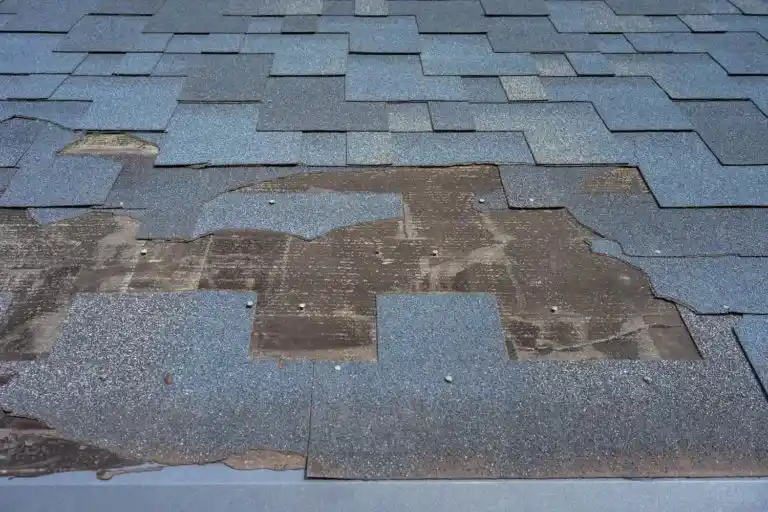
  • Cracked or missing shingles
  • Ice dam damage

METAL ROOFING $1,200-$1,500

Metal roofs are climbing the ladder of popularity and are becoming a top contender for U.S. homeowners today. They are definitely more costly per square and to install in general, but they can last up to 60 years or more with proper maintenance. And part of that maintenance is repairing the metal roof when it gets damaged. They are very durable against impacts (more so than asphalt), but common repairs on metal roofs include:

  • Buffing out scratches
  • Fading color
  • Corrosion
  • Poor installation issues (buckling or coming loose)

FLAT ROOF $300-$500

Flat roofs are common in both residential and commercial roofing. They are more vulnerable to pooling water and leaks, but when installed and maintained properly, they can last up to 20 years. The most common repairs on flat roofs include:

  • Ponding water damage
  • Leaks or cracks
  • Poor installation of the flashing or membrane
  • Fading due to UV exposure

CEDAR SHAKES $700-$800

Cedar shakes are roofing shingles made from real wood. They give your home a rustic look and can last up to 30 years with proper maintenance. But because they are made of wood, they are more susceptible to fire damage and rot. The most common repairs for cedar shake roofs include:

  • Replacing damaged or rotten wood
  • Refinishing
  • Treating for moss growth
  • Replacing individual loose shingles

TILE ROOFS $900-$1,000

Tile roofs can be made of clay or concrete, most likely. They are some of the longest lasting roofs and are super durable against the elements. Most clay and concrete tile roofs can last 50 to 100 years! However, they can still crack or buckle under severe weather conditions. Common repairs of tile roofs might include:

  • Replacing cracked or broken tiles
  • Re-securing loose tiles
  • Repairing roof leaks

SLATE ROOF $1,400-$1,600

Slate roofs are often called the “forever roof” because they last virtually forever (150 years or more). While they aren’t the #1 choice for new roof installs, maintaining an existing slate roof might be more common. Slate is a natural material so it’s intended by nature to withstand the elements— but what can damage a slate roof?

  • Hail damage
  • Buckling under the weight (it’s a very heavy material)

As you can see, it truly does “depend” on the type of material you’re using. But that’s not the only thing that can make your roof repair cost range go from $50 to $1,000+. Check out these instances to consider when you’re getting repair quotes for your roof.
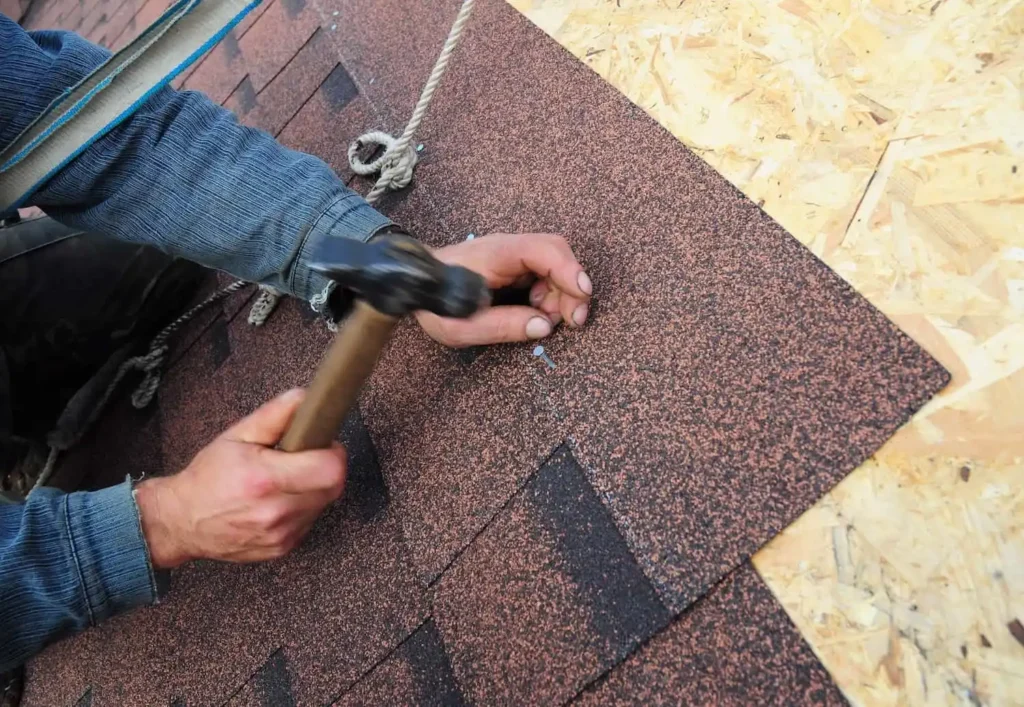
Roofer Install Asphalt Roof Shingles. Close up view on Roofer Installation Asphalt Roofing Shingles Installation. Roofing Construction, Roofer Roofing Repair.

5 FACTORS THAT AFFECT HOW MUCH ROOF REPAIRS COST

The roofing material isn’t the only thing that will affect your roof repair cost. Take note of these other important factors:

1. ROOF SIZE 📏

The roof size (measured in square footage) will obviously have an impact on the overall price tag. Larger roofs = more repairs needed = higher costs.

2. LABOR COSTS 💸

While roofing materials will cost a different price per square foot, the roofing labor costs will usually be the same. That’s because roofers tend to charge a set rate per project (not per hour). The average cost of roofing labor in 2022 is around $350 to $550 per square.

3. TYPE OR STYLE OF ROOF 🏠

Different roofs have different styles such as gable, hip, dutch, etc. This particular shape can change the slope of the roof and can make it more or less accessible. These things can complicate or simplify the repair process, which can drive up labor costs if it’s going to take longer or require more crew.

4. THE EXTENT OF REPAIRS 🤕

Are we just fixing a few roof shingles or is the roof completely caving in? The severity of roof damage will obviously have an effect on repair costs. If shingles were blown off during a storm, then exposed to the elements for a few days before repairs, it can damage the roof deck underneath.

And it would be irresponsible to install new shingles on top of the damaged roof decking. That will just cause mold or mildew growth which can be detrimental to the structure of your roof. A professional inspection can unlock any additional damage done to your roof or home that must be repaired before replacing the shingles.

5. IF PERMITS ARE REQUIRED 📄

Depending on where you live, roofing repairs might require a permit from the city. This is common for roofing jobs that affect more than 30% of the roof or if the job includes changing the roofline.

Obtaining a permit can cost around $100 to $200 but it’s important to make sure your roofer is licensed and insured and shows proof of their permit so you don’t get reprimanded for their error.

ADDITIONAL ROOF REPAIR COSTS TO CONSIDER

On top of the physical repairs, there can be some other costs that come up that you may or may not have expected. Other costs associated with roof repairs might include:

  • Inspections: Most reputable contractors offer FREE inspections, but you might face payments for those if you choose multiple contractors or you find a contractor offering conditional inspections.
  • Upgraded materials: Roof repairs might be your opportunity to choose to upgrade your roofing materials, particularly in problem areas. This can boost costs, but end up saving you some money in the long run.
  • Discontinued materials: Manufacturers of roofing materials, or any materials for that matter, discontinue items all the time. If you find yourself needing roof repairs with a discontinued product, it can complicate things. You may not be covered under warranty anymore and will have to pay some out-of-pocket expenses.
  • Interior damage: If your roof has been damaged, it’s possible that there’s also some interior damage to your home. This can include water stains on the ceiling, warped floors, or peeling paint. These aren’t roof repair costs but they are something you’ll need to address if found. Hiring a professional roofing contractor is always the best way to pinpoint these damages.

WHEN TO REPAIR VS. WHEN TO REPLACE

This might all sound expensive, and it can be, but repairs are definitely going to be far more affordable than a total roof replacement. However, sometimes a roof replacement is necessary in order to remedy the issue with your damaged shingles. But only a professional roofer could inspect and know for sure. Signs of a roof needing repairs include:

  • The roof is still under warranty
  • Repairs don’t affect a large portion of your roof
  • Your roof is less than 20 years old
  • The damage is just surficial to the shingles and roofing materials and not the things underneath (roof decking, flashing, water barrier, etc.)

A roofer might recommend a total roof replacement, however, if they find any of the following during their thorough inspection:

  • The roof is over 20 years old
  • More than half of the roof needs repairs or replacement
  • The roof has significant damage that can’t be repaired such as water leaks, holes, or rotted roof decking.
  • The roof is sagging or has pooling water in a large area
  • The roof is no longer under warranty

Again, the best way to know if your roof can be repaired vs. replaced is to call the pros like a team at MARS Roofing to do a thorough inspection of your roof. You could also end up filing an insurance claim and working with an insurance adjuster to check for the integrity and quality of your roof. Then you will know for sure.

WORKING WITH A TRUSTWORTHY ROOF REPAIR TEAM

To get the most out of your money and get timely, cost-effective repairs is to work with a reputable and trustworthy team of roofers. MARS Roofing has the experience and knowledge to pinpoint even the smallest roofing issues and repair them as quickly as possible.

The last thing we want is for you to face more expensive repairs because you sat on hold with a local contractor. When you contact us for a free inspection, we’ll get to your home as fast as possible to get your repairs done right and done fast. We can’t wait to help!
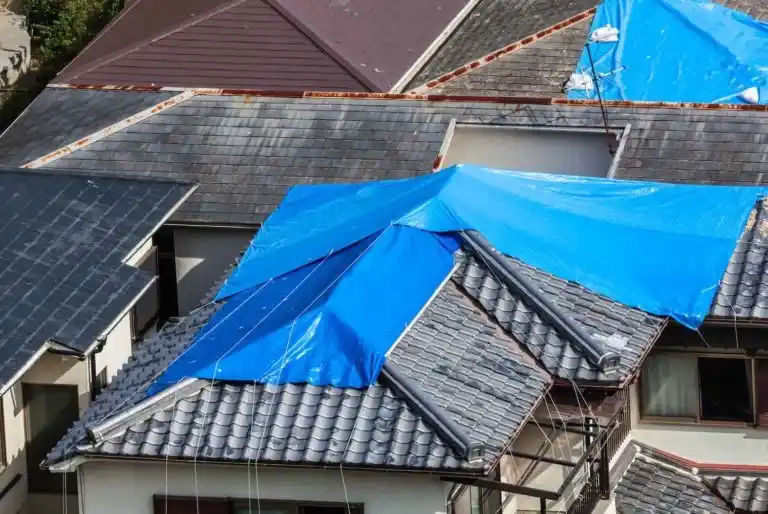
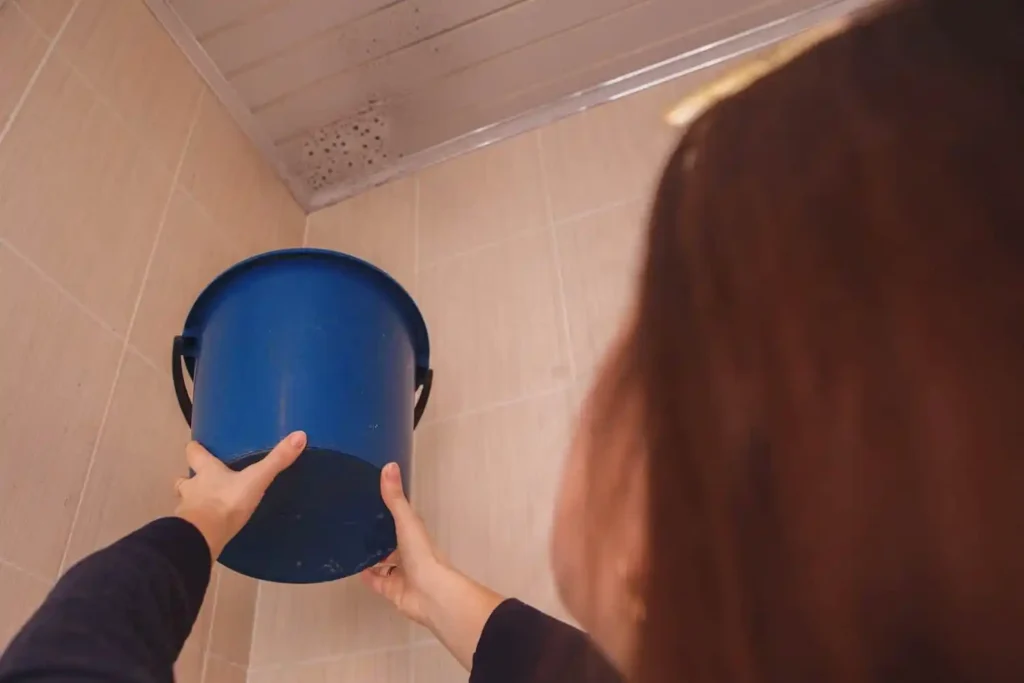
How To Tarp A Roof After Storm Damage (7 Simple Steps)

How To Tarp A Roof After Storm Damage (7 Simple Steps)

When harsh storms hit your home’s roof and leave you in need of emergency repairs, it’s unlikely that you’re the only one in the neighborhood with a problem. With that said, you might need to wait a few days before your roofing contractor can come to tend to any outstanding storm repairs. Fortunately, you can tarp a roof as a reliable but temporary fix for pressing roof damage.

Although it might only work temporarily, tarping the damaged area of a roof is often the best way to avoid further damage to both your home’s interior and exterior until you’re able to make the necessary repairs to your roof with the help of an expert residential roofing restoration company. If you need to learn how to tarp a roof until your preferred roofing professional can make it over to assess your property, keep following this simple seven-step guide to tarping a damaged roof and secure your home successfully.

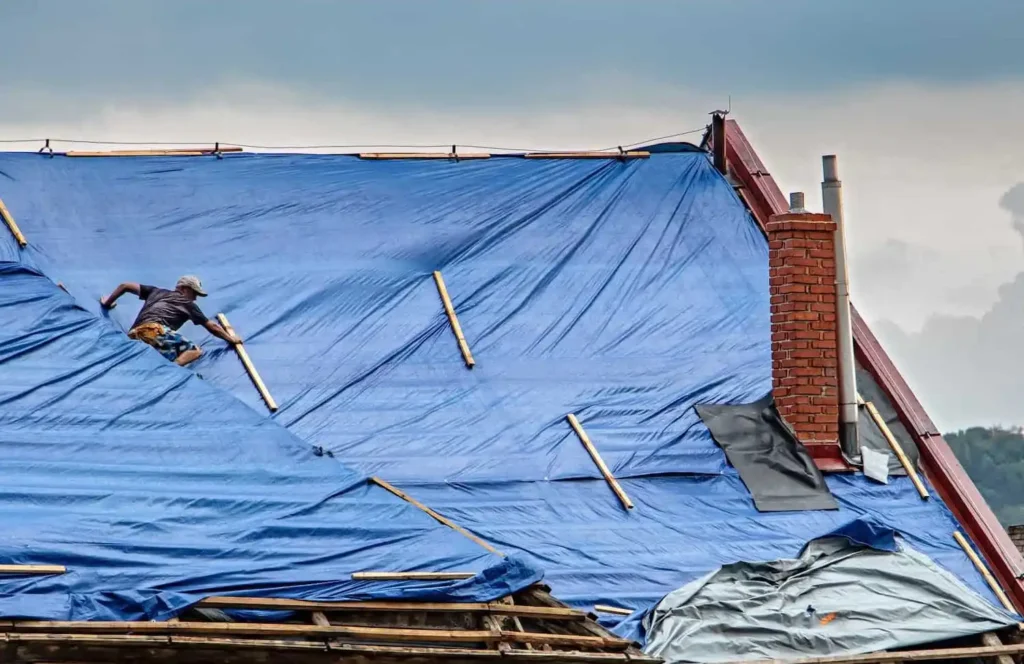
How to Tarp a Roof After Storm Damage leaky roof causes water damage in home

WHAT LEADS TO A LEAKY ROOF?

While storm damage might seem like the most apparent reason that roofs require emergency repairs, those unpredictable moments aren’t the only time you might need to tarp a roof. Holes, leaks, and water damage can occur on the roof of your house at any time. Some reasons your roof might require tarping include:

  • Old age
  • Exposure to the elements
  • Lack of maintenance
  • Poor craftsmanship
  • Cheap materials
  • Bad weather
  • Flying debris
  • Poor insulation

As mentioned above, destruction from a storm is typically pretty obvious. However, there are several other more subtle signs that it might be time to wrap your roof in tarping until the pros can take control. Common signs of failing or damaged roofs include:

  • Water damage in attics
  • Higher energy bills
  • Missing shingles
  • Leaky roof areas
  • Holes and gaps in roofing
  • Sunken attic insulation
  • Heating and cooling issues
  • Excessive moisture
  • Pest infestations

Do any of the issues listed above sound familiar, even with the most fervent attention to your annual roof maintenance? If you find yourself recognizing some of these common problems popping up on your own roof, it might be time to take a climb up the ladder and start tarping your roof. Keep reading to learn more about how to tarp a roof the right way until repairs can be made.

How to Tarp a Roof After Storm Damage professional roofer

USING A ROOF TARP TO STOP ROOF LEAKS (TEMPORARILY)

It can often be challenging to fit into the schedule of a trusted roofing professional or gain quick approval to start emergency storm repairs from your insurance company after your roof becomes damaged. To safeguard your home’s interior and prevent water damage from wreaking havoc on your shingles, roof, and attic, you can tarp a roof until you can get a permanent fix. Simply follow these seven straightforward steps for installing a roof tarp:

STEP ONE: ASSESS THE DAMAGE

First and foremost, an essential thing you need to do after noticing leaks, failing shingles, and other signs of damage to your roof is to assess the extent of the issues. When you realize your roof needs attention, you can walk around your property to complete a visual inspection of the problem areas. Make sure to take a trip up into your attic as well, especially after rain, because a smaller leak you didn’t see from outside could become apparent up there.

STEP TWO: GATHER YOUR TOOLS AND EQUIPMENT

Once you’ve determined the extent of your roof damage and figured out the problem areas, you can start forming your arsenal of tools and equipment. If you’re about to climb and stand on a roof in order to get your repair job done, you don’t want to cut corners when it comes to safety precautions or leave yourself unprepared to complete the project. Who wouldn’t be apprehensive about wandering around a sloped and potentially wet surface several feet off the ground, especially if they’re ill-equipped to tackle the task?

Handy homeowners and experienced contractors alike must utilize the proper safety equipment and tools to ensure that the process of applying a roof tarp goes smoothly. Whether you’re working with a local roofing restoration company or feel competent enough to accomplish a roof tarp installation, you want to have the right items at your disposal during the project. Some of the most typical tools required to safely and successfully install a roof tarp include:

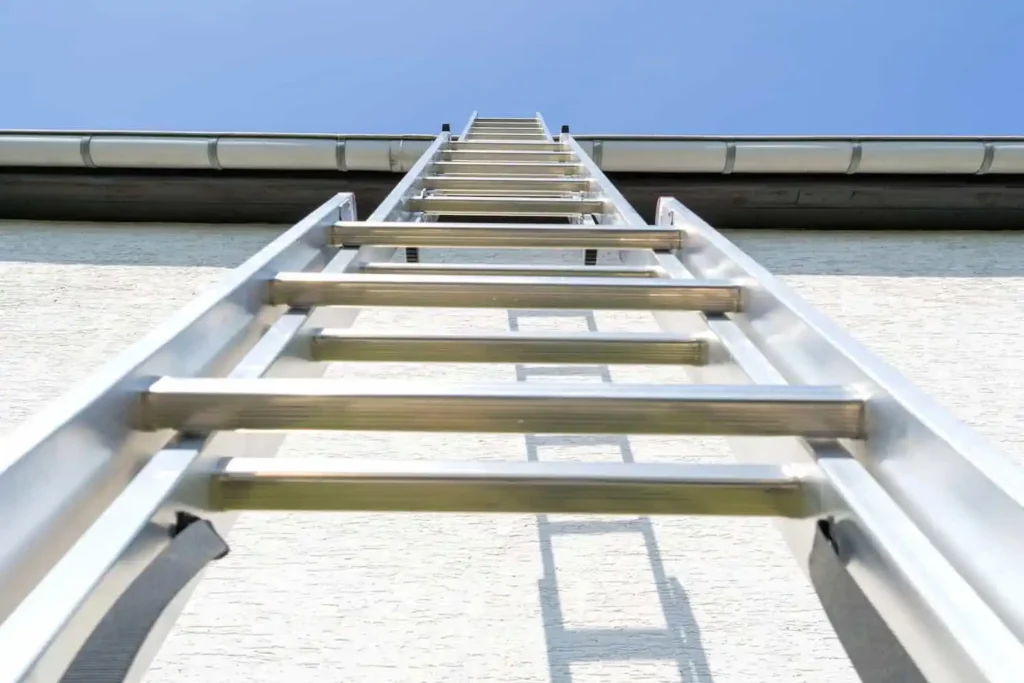
  • Extension ladder
  • Suitably sized tarps (preferably equipped with UV inhibitors)
  • Wooden boards
  • Cap nails and screws
  • Tape measure
  • Screw gun or cordless drill
  • Rubber-soled shoes
  • Mask and eye protection
  • Safety harness

Safety is the most important thing to keep in mind when completing your own roof repairs. Even while using a safety harness to secure yourself while installing the roof tarp, you’ll still want to have a trusted spotter standing by the ladder to assist in an emergency slip or fall. You also want to avoid completing DIY roof restoration during bad weather since rain can make the shingles wet, slippery, and entirely unsafe to walk on. Wait for when the weather is clear, dry, and not excessively hot or cold to fix the damaged area of your roof with minimal risk.

Before starting your roof repairs, get your hands on some of the industry’s top safety harnesses and other essential tools from this Amazon bestseller list. Don’t try to tarp your roof without the proper safety gear because you can become seriously injured in the process. Professional roofers would never go without a reliable roofing harness, so why should you?

All of the other items listed above can be found easily at your local hardware or home improvement store. We’ll talk more about taking proper measurements in the next step, but be prepared to buy wood boards, cap nails, and enough tarping to cover your leaks or broken shingles before your trusted roofer comes to the rescue.

How to Tarp a Roof After Storm Damage climbing ladder

STEP THREE: START TO MEASURE

With your problem area identified, you can now move on to measuring how much of your roof needs to be covered with a tarp. Use a tape measure to find exact calculations for the area and record them in a notebook or your phone. This way, you can purchase the precise amount of tarp you need when taking a trip to your local home improvement store.

STEP FOUR: INSTALL THE TARP

Now that you have precise measurements in hand, you can start the initial installation of your roof tarp to prevent water from damaging your home’s roof, attic, and interior. After equipping yourself with a safety harness and spotter, climb your ladder and get to work!

Roll the tarp out in order to cover your roof surface. You want the tarp to lay flat against your roof and ensure the edges of excess tarp wrap over, extending past the roof’s peak side. Once you position the tarp correctly, you can start to secure the tarp using wooden boards.

STEP FIVE: POSITION PLYWOOD BOARDS

After you roll out the tarp and extend it to cover the affected area, use a sturdy piece of lumber to weigh down the tarp against the roof’s surface. You can use a hammer or screw gun to cleanly drive screws or felt-backed cap nails into each board and back through the tarp for added protection. Place the screws or nails about 16 inches apart for the most reliable amount of added security.

STEP SIX: INSPECT YOUR WORK

This step only applies to homeowners who decide to install a roof tarp themselves. After all the nails and plywood boards are in place, and the repair project is starting to wrap up, you need to make sure your handiwork is perfect. Take time to inspect the tarp and ensure all edges and any excess tarp are secured with sturdy screws or nails to reliable plywood boards. Although this is only a temporary fix, don’t be afraid to be critical of your own craftsmanship because installing a tarp can be crucial to protecting your home.

STEP SEVEN: MAKE SOME CALLS

Now that you know how to tarp a roof to protect your home from further damage, you can actually get the job done. However, for those who don’t want to get up on their roofs themselves, this is the time to start making some calls. If you’re not inclined to try your hand at a DIY repair project that places you several paces off the ground, put your trust in a local contractor like MARS Roofing to lay down a temporary roof tarp before restoration starts.

If your roofing issues are due to storm damage, you’ll also need to contact your homeowners’ insurance company for help. Your insurance company might even cover the costs of a roofing contractor coming to install your roof tarp until the repair project can be completed.

Are you more of a visual learner? After reading this useful guide, follow along with this in-depth video explaining how to tarp a roof the right way until your trusted roofer can come to save the day.

RELY ON MARS FOR YOUR ROOF REPAIRS

After discovering roof damage (after a storm or simply due to old age), you can avoid any other leaks or issues in your home by utilizing a roof tarp to cover the damaged area. Although a roof tarp might be handy right away, it’s essential to address your damaged roof and make repairs as soon as possible, so additional damage doesn’t impact your house in the long run. Working with a reliable roofing restoration company after a heavy storm can help reduce the likelihood of dealing with any further damage down the line.

Now that you know how to tarp a roof, you’re prepared to protect your home until a roofing contractor can come to assess the problem spots. Once you pull the tarp tight to protect your home from harm, make it your next priority to secure the help of professional roofers.

Work with the trusted team at MARS Roofing to repair any roof leak or level of damage. With Mars on your side, you can be rid of your unsightly boards and roof tarps and back to beautiful, reliable shingles in no time.

4 Tips To Improve Your Attic Ventilation

4 Tips To Improve Your Attic Ventilation

Proper attic ventilation is a vital part of a safe and efficient home. Relying on poor attic ventilation that’s not up to local building codes can often be costly and lead to further issues with your roof and attic in the future.

Without adequate roof and attic ventilation in your home, you could be losing out on valuable energy, putting your family at risk for health problems, and exposing yourself to damage in your roof and attic.

Do you want to make your home run more efficiently while also saving money? Read on to learn more about the importance of roof and attic vents and find some helpful tips to improve your existing attic ventilation system below.

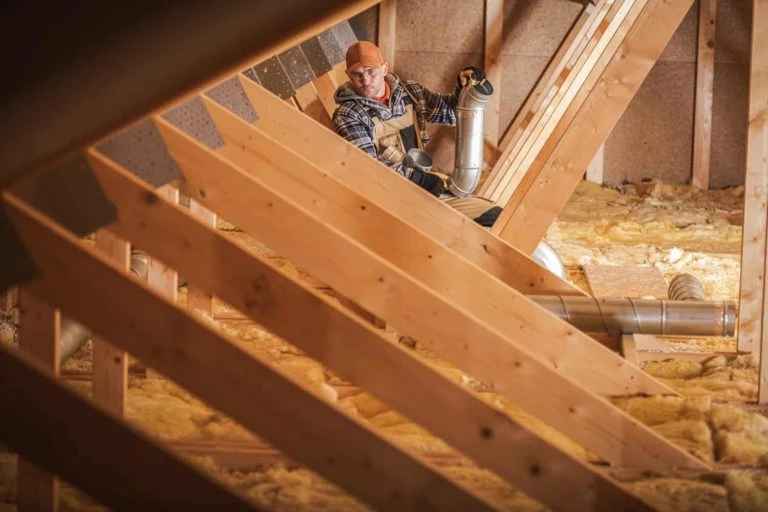
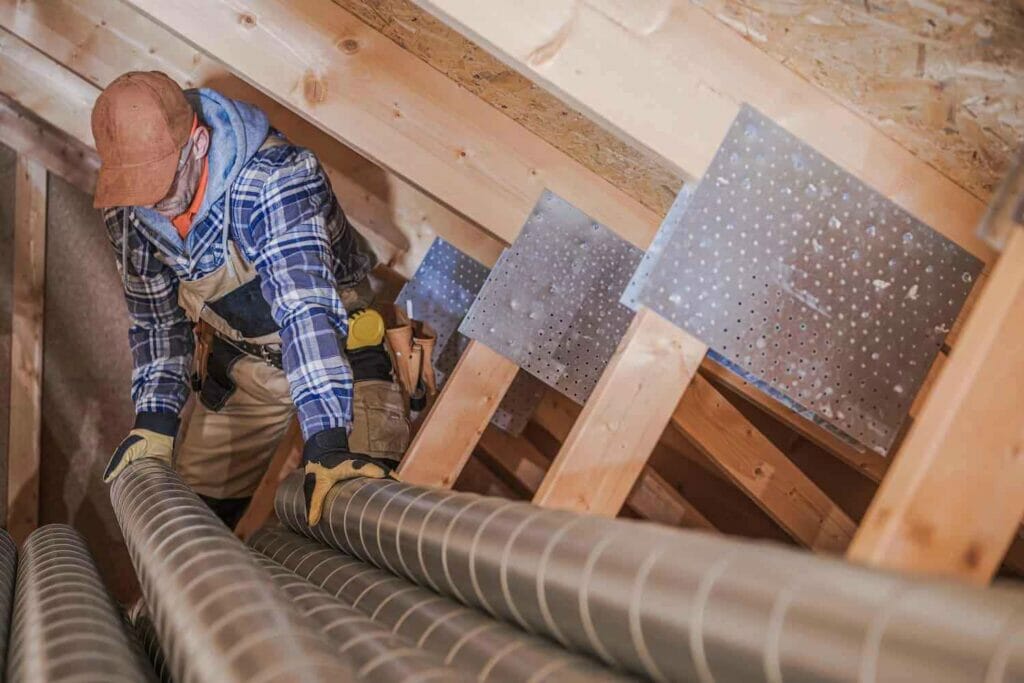
tips to improve attic ventilation installing HVAC ducts

6 SIGNS OF POOR ATTIC VENTILATION

Utilizing the right roof vents and attic ventilation is vital for ensuring that everything in your home is working safely and correctly. Look out for some of the most unmistakable signs that your vent system is underperforming or entirely failing, such as:

MOLD OR MILDEW

When your roof lacks the right amount of vents, or your attic isn’t adequately vented altogether, you might find yourself running into issues with excessive moisture lingering in the air. Water damage on your roof or in your attic can cause harmful bacteria like mold and mildew to grow. These bacteria remain in the air, causing harm to human health while also leaving behind foul-smelling and unsightly stains.

Installing the proper amount of attic vents inside and a balanced system of roof vents on the exterior of your home can help minimize the likelihood you’ll have to deal with mold and mildew down the road.

NOTICEABLE TEMPERATURE CHANGES

Have you ever felt a significant difference between temperatures as you travel from room to room in your house? You might notice higher heat levels on the top floors and cooler air downstairs. This can be because you lack the proper vents to regulate the air throughout your home. Installing different kinds of vents will help combat these noticeable temperature changes quickly.

HIGH ENERGY BILLS

Have you started noticing increasingly expensive heating, cooling, and electricity bills as each month passes? This can often be because of issues with roof vents or attic ventilation. Failing attic vents can lead to air leaks in the attic area. This lets cool air flow outside, forcing your air conditioner to work double-time in the summer. With the heat rising into your attic during the winter months, warm air will also escape and cause further energy loss through the roof.

TRAPPED MOISTURE

Another common indicator of less-than-stellar ventilation is lingering moisture. Poor insulation or a lack of things like soffit vents, intake vents, exhaust vents, or ridge vents altogether can lead to trapped moisture buildup in your home, helping mold and mildew to grow. Installing the right kinds of vents in your home and on your roof can keep excessive amounts of moisture from creating even further issues for your house.

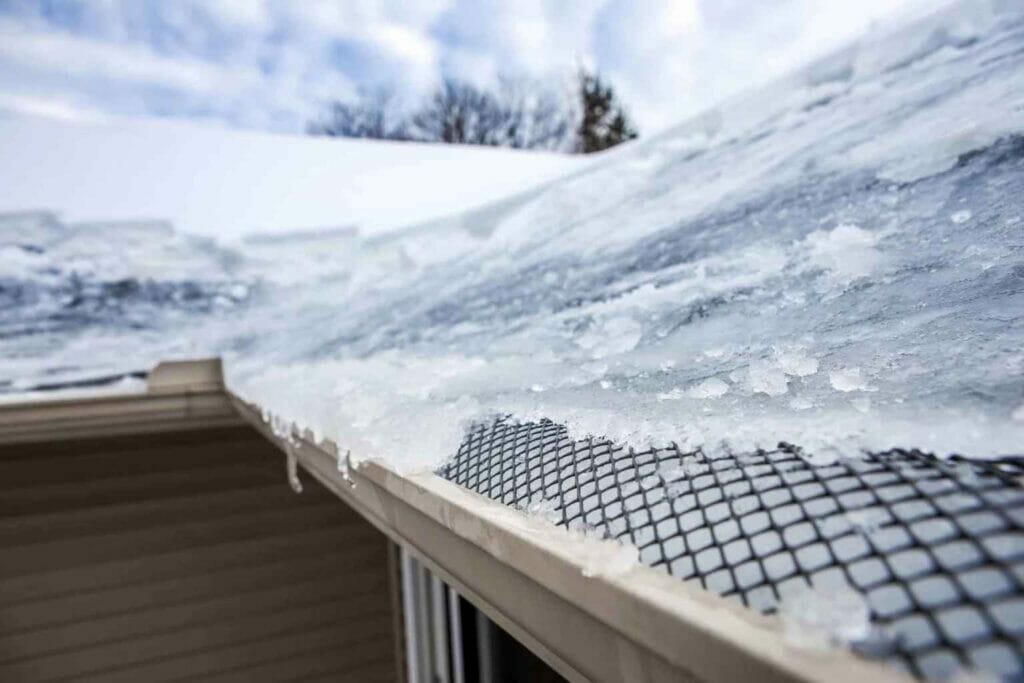
CONSISTENT ICE DAMS

Ice dams form when snow on your roof’s peak and surface melts and re-freezes along the roof ridge. Poor attic and roof ventilation can exacerbate ice dam formation, especially if hot air remains trapped inside your home’s attic. Good ventilation regulates the temperature of your roof, so snow won’t melt as quickly to create ice dams.

Specialized ice dam steaming equipment can also clear off your roof, but if ice damming is consistent, carefully examine your roof and attic ventilation. Ensuring that your attic is well ventilated will help avoid any further issues with ice dams.

tips to improve attic ventilation ice dams in gutter and on roof

PROPER ATTIC VENTILATION IS VITAL

Equipping your attic and roof with the right vents is a simple yet valuable way to ensure your attic and roof stay free from any water damage or other issues. Proper vent outfitting for your attic and roof can also provide a wide range of other great benefits, including:

  • Upholding the integrity of your roof
  • Maintaining your home’s temperature
  • Keeping noxious fumes out of your home (bathroom, kitchen, furnace)
  • Circulating fresh air while pulling stale air out
  • Preventing animal or insect infestations
  • Protecting items stored in your attic from mold or mildew
  • Prolonging your roof’s lifespan

As you can see, the benefits of installing more vents in your attic are undeniable. Hiring a professional residential roofing company will help ensure you’re equipped with proper attic ventilation and can put it to good use.

TYPES OF ATTIC OR ROOF VENTS

There are several different aspects of attic ventilation to consider installing in order to improve your home’s energy efficiency, value, and overall performance. We dive even farther into the different kinds of attic and roof vents below:

  • Soffit vents are installed under the eaves of your roof and extend into your home’s interior, helping you to provide adequate airflow and maintain a balanced ventilation system within your attic and home.
  • Ridge vents are installed at the top intersection of your roof’s peak beneath shingles, so they’re virtually indistinguishable from the sidewalk. Ridge vents are types of exhaust vents that enable uniform ventilation throughout your attic.
  • Intake vents allow cool air to enter your attic. You can install intake vents underneath soffit vents to help the colder air cycle through your home.
  • Plumbing boots, better known as roof boots, are made from flexible materials to allow water and air to move freely between your roof and attic. This helps regulate air intake and minimize any lingering air in your attic. Whether they’re plastic vents or a more modern material, roof boots can benefit your home.
  • Wind turbines are another popular kind of intake ventilation that relies on natural wind patterns to propel their blades and expel air from within your home.
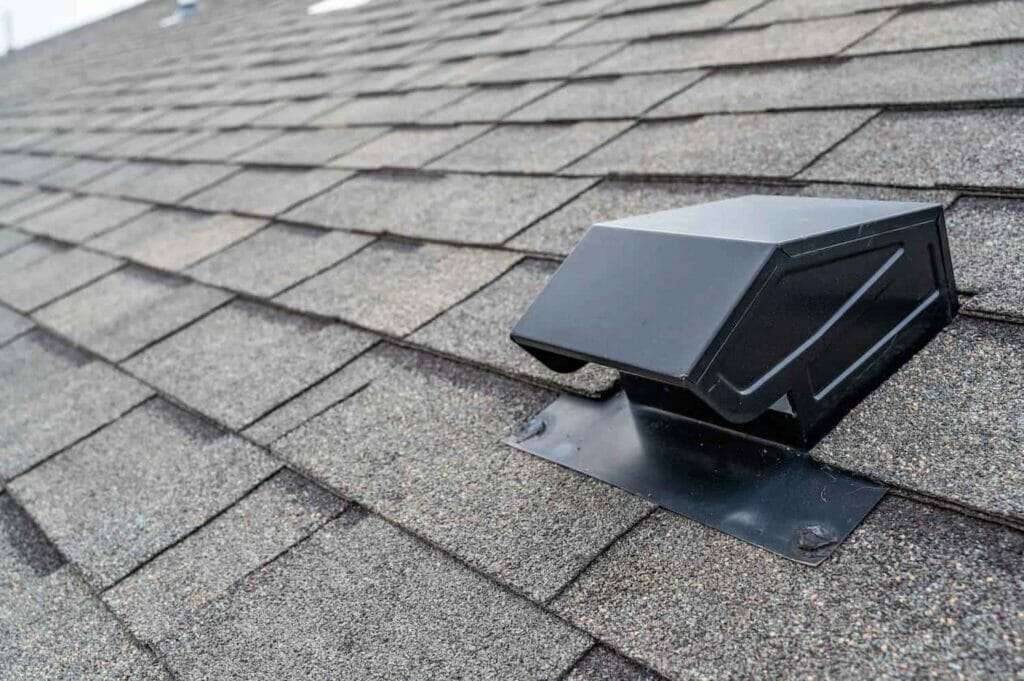
  • Exhaust vents are affordable roof ventilation options that look like little boxes along your roof’s edge. These are a more traditional kind of vent that lets warm air in your house move out through the exhaust vents through natural convection.
  • Gable vents allow for passive ventilation within your roof and attic spaces. Just like when you open windows on opposite sides of a room, gable vents allow fresh air to flow freely in a perpendicular pattern and easily pass through the area.

There are many kinds of vents to consider when improving your home’s attic ventilation. Talk with your local roofing restoration company to determine which type of vent best suits your current budget and existing roofing style.

tips to improve attic ventilation roof vent

4 TIPS FOR IMPROVING YOUR ATTIC VENTILATION

Have you noticed more issues arising with your attic ventilation system recently? When your attic isn’t properly ventilated, you can be left with a wide range of problems with your roof, attic, and even your home’s interior.

Try out some of the helpful tips listed below to make your attic ventilation significantly better this season.

PRIORITIZE REGULAR ROOF MAINTENANCE

Keeping up with regular attic and roof maintenance throughout the year is a critical aspect of responsible homeownership. Inspect your roof vents and attic ventilation system to ensure that everything is working properly and no repairs are required. Stay vigilant and keep your eyes out for the common signs of inadequate attic ventilation we touched on earlier by assessing individual vents for any glaring issues.

INSTALL SOFFIT VENTS

As mentioned above, soffit vents allow air to enter your attic and the rest of your house and help regulate temperatures throughout the space. Soffit vents are one of the most vital parts of your home’s ventilation system, so installing soffit vents should be a top priority to improve venting and avoid other problems.

INSULATE YOUR ATTIC

Attic insulation is an essential piece of the puzzle when it comes to improving ventilation in your attic and roof. Use insulation baffles to hold up attic insulation along the perimeter of the attic area and on the attic ceiling after you install soffit vents. The insulation baffles will help the outside airflow from the exterior soffit vents into your attic more efficiently, keeping temperatures regulated year-round.

CLEAN THINGS UP

Another simple tip to improve your attic ventilation is cleaning up your attic floor and surrounding space. Take time to ensure your attic is neat and organized since boxes and other items left in disarray can lead to further attic ventilation issues, such as blocked soffit vents. When soffit vents are blocked (on top of already lacking proper attic ventilation), heat and moisture can cause even bigger problems.

Moist air and heat buildup paired with poor ventilation can impact the integrity of your roof shingles and lower your roof’s lifespan, or leave mold and mildew to destroy your attic. So what’s a reliable way to avoid these attic ventilation issues? Confirm that all attic vents and roof vents are working properly and free from any blockages by cleaning up your attic regularly. Although you might require the help of a professional to install roof vents and a better attic ventilation system, this is one quick fix for attic ventilation issues any homeowner can handle.

tips to improve attic ventilation professional installation on roof

PUT YOUR TRUST IN THE PROFESSIONALS

While some people possess the confidence and abilities to complete DIY roof repairs themselves, that’s not the case for most average homeowners. Thus, the best way to complete roof repairs and achieve better attic ventilation is often to call on a team of roofing and ventilation experts like ours at MARS Roofing.

If you’re ready to improve your attic and roof ventilation, put your trust in a reliable team. Contact us to learn more about the benefits of proper attic ventilation and start your project today.

5 Ways To Prevent Ice Dam Damage To Your Roof

5 Ways To Prevent Ice Dam Damage To Your Roof

When harsh, snowy weather conditions start becoming a common occurrence in winter, that’s when your home will be most susceptible to ice dams. Preventing ice dams is an integral part of every homeowner’s annual checklist since they can cause serious problems for your roof and even the people that occupy your house. Ice dams are a hazard, and you will likely need help to keep them at bay.

Learn more about how ice dams form, ice dam removal, and how to prevent ice dams in this helpful guide.

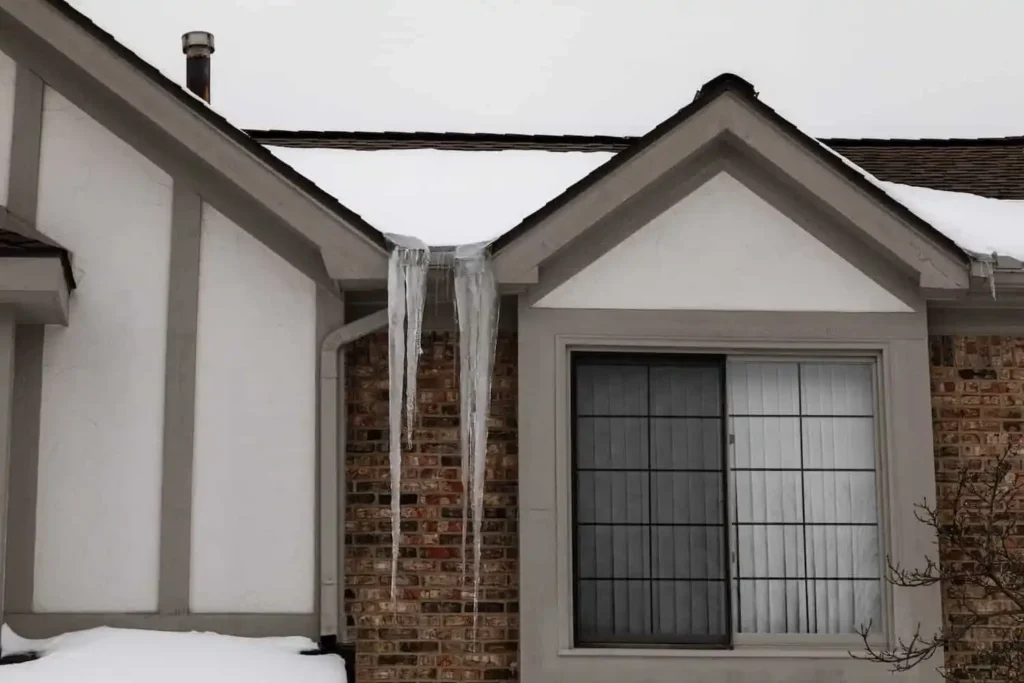
ice dam damage icicle formation on roof

WHAT ARE ICE DAMS AND WHY DO THEY FORM?

If you’re a new homeowner, you might be unfamiliar with what an ice dam actually is, but don’t worry; we’re here to explain. So, what exactly is an ice dam, and how does an ice dam form? Let’s take a closer look at this not-so-complicated cold-weather phenomenon:

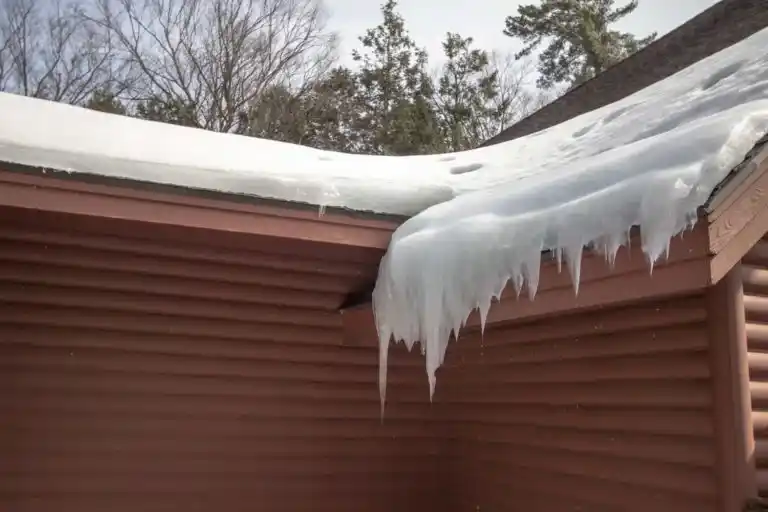
When accumulated snow on your home’s roof is exposed to heat, the melting snow begins to flow off the roof surface. After the snow melts, it drains towards the roof’s edge and collects around gutters, especially if they’re clogged. At night as the temperature drops, the water freezes after the warm air disappears; thus, an ice dam forms.

Essentially, ice dams are large ice formations along the edges of roofs made by the melting and freezing of snow when the temperature changes throughout the winter season. Ice dams can harm the roof surface, impact gutters, cause interior damage, and create unsafe conditions around the ground of your house. It’s crucial to inspect your house each year and take action to prevent ice dams from forming.

Some places to assess around your roof and house for heat loss, water damage, and other issues indicating you may form ice dams this season include areas such as:

  • Attic space
  • Exterior walls
  • Dryer vents
  • Chimneys
  • Shingles
  • Eaves
  • Gutter system
  • Attic ceilings
  • Soffit vents

Things like a ceiling leak or water damage in your walls if often due to an ice dam. You can prevent melting snow flows and future ice dams on your roof in a variety of ways, but installing adequate ventilation and insulation in your attic space is a surefire way to stay ice dam-free.

ICE DAMS ARE A SIGN OF POOR VENTILATION AND INSULATION

When your home’s roof isn’t ventilated properly, it can prevent heat and moist air from exiting the attic space. This moist air and heat buildup in your attic can warm the roof surface, melting snow on the roof.

Poor insulation will also lead warm air to flow out of the attic space. The warm roof will help form ice dams. Old, failing shingles also allow heat to leak out, so adding insulation to your attic walls and ceilings is essential. When your attic is well-insulated, you can avoid any severe damage caused by ice dams.

Another way ice dams form is because of faulty or clogged gutters, which don’t allow snow and ice to melt or drain. The freezing conglomeration creates an ice dam when snow and ice and other debris build up along your gutters. Whether you have metal gutters or a seamless system, you can still be susceptible to an ice dam issue. Remove snow and ice from your roof to keep ice dams at bay.

HOW TO REMOVE ICE DAMS THE RIGHT WAY

So, what is the best way to remove an ice dam? Getting up on a ladder to remove snow on the roof during winter can be dangerous work. Although there are some at-home remedies to rid your roof of ice dams, taking the DIY repairs route can often lead to trouble if you don’t have the right tools or skill set. Instead, work with a professional roofing restoration team to remove ice dams the right way.

Here are a few prime examples of how the experts (or some “handy” homeowner) remove ice dams from a house:

INSTALL HEAT CABLES (AT A COST)

Homeowners have started to battle ice dam formation by installing heat cable systems. As you can likely guess, heat cables help melt any snow and prevent the melted snow from freezing on roofs. Several different models can be found to outfit your house at popular home improvement retailers.

Although heating cables can be helpful, it’s important to note that this isn’t the most effective way to eliminate ice dams from your house. It often takes a long time to melt the snow, making it challenging to keep up with any temperature fluctuations. Additionally, running heating cable systems throughout the winter season can rack up an expensive electricity bill, so it’s better to consider ice dam steaming instead.

SAVE MONEY AND STEAM

Avoid outrageous energy bills by utilizing ice dam steaming services from a trusted ice dam removal company in your area. The process of ice dam steaming is simple: specialized equipment is used to heat sections of shingles along your roof and melt the snow, so ice dams never even get the chance to form.

It essentially works the same way as the average clothing steamer seen in your laundry room, just on your roof and shingles. Ice dam steaming is the most widely accepted and recommended method of making sure your roof is free from ice dams. Check out an informative video on how ice dam steaming works below before scheduling your own services.

TAKE A CHANCE ON CALCIUM CHLORIDE

Remember those DIY remedies I mentioned earlier? Well, the compound calcium chloride, a member of the salt family, is one of the popular fixes homeowners like to try. Like the rock salt that you sprinkle on your driveway to melt freezing ice, calcium chloride can melt freezing ice dams without any damage caused to your shingles, chimneys, or gutter system.

Easily found at your local hardware or home improvement store, calcium chloride can be a beneficial tool, but it’s only a temporary solution.

AVOID ICE RAKES

Like we said before, ice dam removal is dangerous work, so you really don’t want to DIY this project. Before innovative equipment like ice dam steamers that revolutionized ice dam removal, homeowners used primitive tools to knock down each ice dam (and put themselves at risk.)

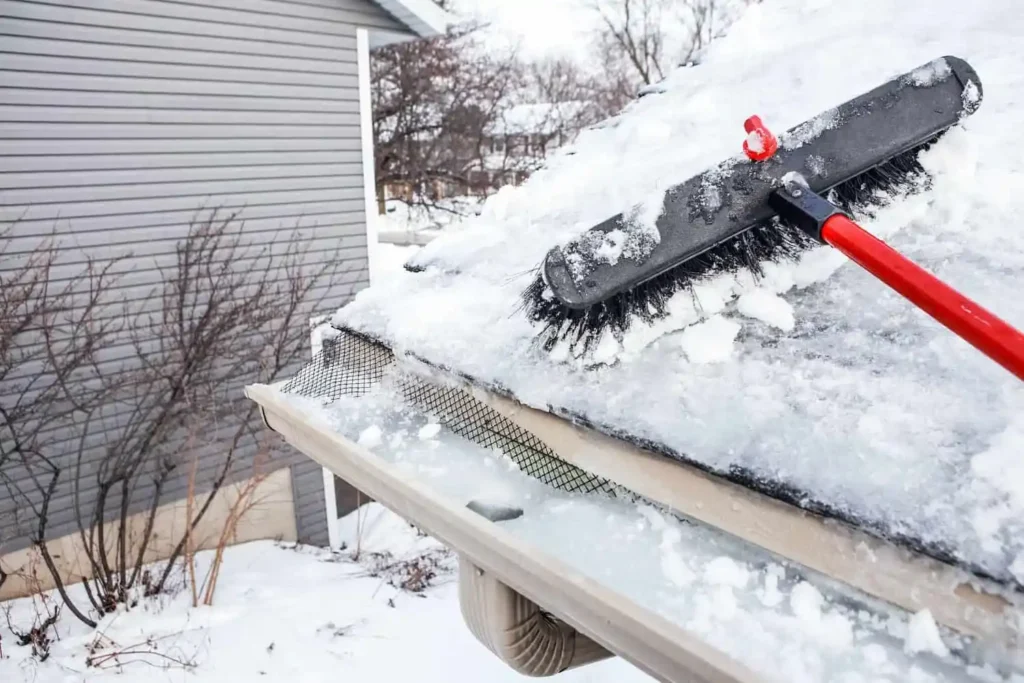
A roof rake or snow rake can be used to clear snow and ice from the roof covering. Another out-of-date tool is the push broom, but using these items instead of professional ice dam steaming services can put you at risk of slips, falls, or far worse.

ice dam damage in gutters cleaning with broom

5 OF THE BEST TIPS TO KEEP ICE DAMS FROM COMING BACK EACH WINTER

Take advantage of some of our top tips to prevent ice dams from impacting your house this winter:

START WITH YOUR GUTTER SYSTEM

Clogged gutters can be one of the primary culprits causing ice dam issues at your house. If you notice that ice and snow are accumulating in your gutter system, ensure that they’re free of debris or opt for a covered system to avoid further ice dam formation.

INSTALL INSULATION

Ensuring that your roof and attic are well insulated is essential to avoiding ice dams since poor insulation can lead to warm air and heat loss. Look for gaps or leaks in your attic insulation and take the proper steps to remedy these problem spots before an ice dam starts to creep in.

SELECT QUALITY SEALANT

Another thing to add to your shopping list before heading out to the home improvement store is a sealant for your shingles and roof surface. Choose a high-quality caulk or sealant from a reputable brand like Loctite to fill in any leaks and ensure you’re covered before winter comes. Filling in the gaps found in your attic will stop air from exiting the attic space.

MAKE SURE TO MONITOR

Keeping an eye on your house throughout the year is a critical aspect of owning a home. You don’t want water damage and other issues caused by ice dams to impact day-to-day activities in your primary living space.

Check on your roof, attic, and shingles to ensure there’s no water damage or a leak and that everything is well-insulated. Stay up-to-date on annual maintenance to make sure you’re prepared for preventing ice dams.

VENTILATION IS VITAL

Perhaps the most vital part of preventing ice dams from forming is installing proper attic ventilation. Just like attic insulation, the right ventilation system will stop your roof from warming up in the cold weather. Work with a professional roofing restoration team to tackle this important job, ensuring each vent is placed in the correct spot to avoid further issues.

TACKLE YOUR ICE DAM ISSUES TODAY

Are you tired of using harsh salts or dangerous tools to remove ice dams from your roof each year? Stop spending money and energy on outdated ice dam removal solutions that still might not even work. Instead, call on the professionals to clean up this wintry mess with specialized ice dam steaming equipment.

Contact MARS Roofing today and get expert ice dam removal services you can rely on every winter.

How To Repair Shingles On A Roof (DIY Guide)

How To Repair Shingles On A Roof (DIY Guide)

Ensuring their roofs are safe and stable is one of the most vital responsibilities homeowners must remember throughout the year. Roof shingles can quickly become damaged when exposed to harsh weather or even just with age, so it’s crucial to keep up with maintenance and keep an eye out for any issues with your shingles.

While you can always call your local roofing company, some prefer to take a different route. Learning how to repair shingles on a roof yourself is a smart way to save money and maintain your roof. Learn more about repairing damaged roof shingles in this in-depth and easy-to-follow guide below before taking on your own DIY job.

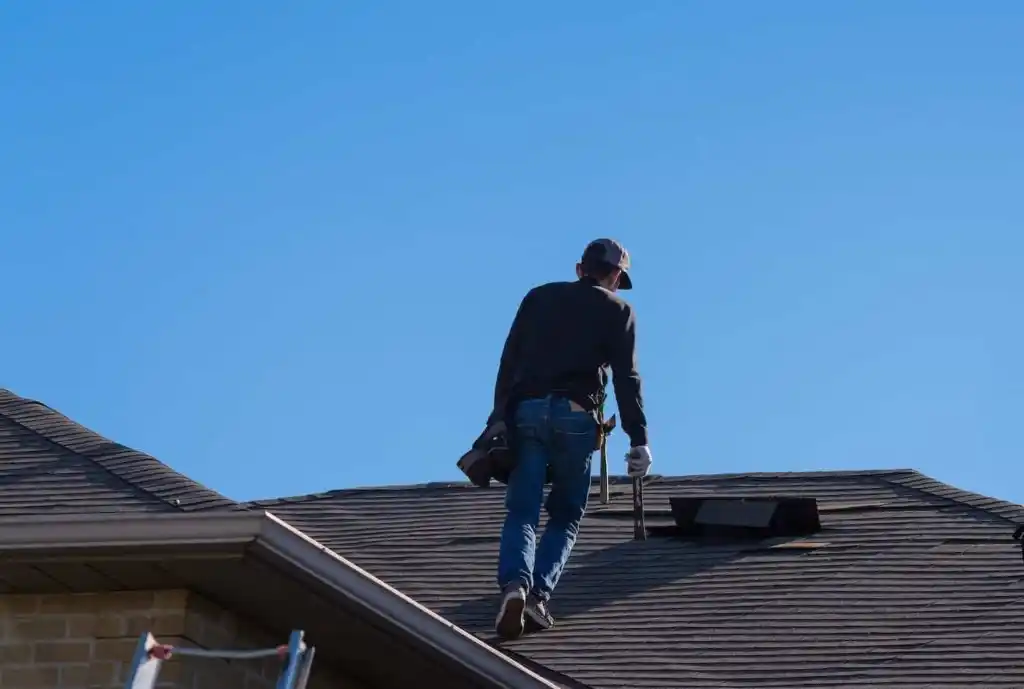
contractor walking showing how to repair shingles on a roof

WHAT CAN DAMAGE YOUR ROOF SHINGLES?

There are many ways your roof can get damaged throughout the year. Sudden and severe storms, prolonged cool weather, and old age can all adversely impact each shingle. Between strong winds, heavy hail and snow, sun exposure, and blowing debris during storms, your roof takes a serious beating over time.

Of course, the age of your shingles and the quality of work put in when the roof was installed will also play into how susceptible your home will be to roof and shingle damage. It’s important to inspect your roof annually or after a particularly intense storm to ensure all the shingles are still intact so further issues don’t start to develop.

COMMON SIGNS OF A DAMAGED SHINGLE

Even a simple broken shingle can have enormous consequences if not dealt with swiftly and correctly, whether it occurs during a storm or after years of exposure to the elements. Shingle damage often leads to leaks and water damage in places like your attic or the upper level of your home’s interior.

It’s crucial to install a replacement shingle right away when you spot a sign of damage to avoid issues in another location of your home. Watch for signs your roof is in need of a fix, such as:

  • Discolored shingles
  • Missing shingles
  • Hail dents
  • Water stains on ceiling (leak in the roof from damaged shingle)
  • Granules in your gutters
  • Curled or crooked shingles

Even just a few broken shingles can cause a big problem. If you notice that you need to replace a damaged shingle, you can either seek out professional services or take a stab at doing the replacement yourself. DIY roof repairs can be a rewarding challenge for the right person. Do you think you have what it takes to put yourself to the test?

ROOFING NAILS, SEALANT, & SO MUCH MORE: START WITH THE RIGHT TOOLS

Have you spotted one of the telltale signs that your roof requires imminent repairs? Replacing or repairing damaged shingles can often be a simple DIY job with the right tools and materials on hand to help throughout the process. You might even have a few of the following things lying around the house:

  • Flat bar or roof rake
  • Roofing nailer
  • Hammer
  • Roofing nails
  • Putty knife
  • Caulk and caulk gun
  • Roof patch
  • Spare shingles
  • Extension ladder
  • Proper shoes and safety gear

If your house isn’t equipped with the tools and materials required to start your roof repairs right away, you don’t need to worry about spending a lot of money to make a replacement happen. Most of the items you need to give yourself what looks and seems like a new roof are available at budget-friendly prices, leaving most people more than happy to have done this themselves.

Slide over to your local home improvement store to select quality tools and materials to protect you and make the repair process a smoother experience. Whether you’re replacing whole strips of shingles or simply repairing the old ones, you always want the right tools on hand to enhance your at-home workmanship.

man next to chimney showing how to repair shingles on a roof

HOW TO REPAIR SHINGLES ON A ROOF

Depending on the type or extent of the damage, broken shingles with minor issues can easily be replaced by savvy homeowners. Here are a few common DIY roof repairs that you can handle with the right tools and know-how:

REPLACING MISSING SHINGLES

When roof damage is severe, sometimes whole shingles can fall off your roof. As you might imagine, when an entire shingle goes missing, you’ll need to use a new shingle to complete the repair correctly. Fortunately, with a few pieces of valuable equipment and a little instruction, following the installation process for replacement shingles is easy. The required tools to replace a missing shingle with a new shingle are:

  • Flat pry bar
  • Hammer
  • Utility knife
  • 1 1/4″ roofing nails

Once you have the right tools gathered to repair roof shingles correctly, you can start the installation process. When initially installed, each shingle is attached with four nails, but when the row above is installed, those nails pass through the first row of shingles too. That means there are eight nails total to remove in order to replace and install your new shingles. You can use a flat pry bar to remove each shingle easily.

Slide the pry bar under the row of shingles and lift gently. By sliding along and pulling upwards with the pry bar, the nails of each shingle should become easily loosened. Ensure you search for all eight nails from each section before moving on to the next steps.

After you pull out all the nails, you can start installing your new roof shingles. Most modern shingle models come as adhesive strips, giving you a fast way to fix your roof. Once your old shingles are removed, and strips of new roof shingles are in place, utilize roofing nails to secure the materials. Work in reverse, and affix each shingle with four nails, or eight nails total, when you consider the second row.

Do a quick search online for more details on how a new shingle or row of shingles is installed. YouTube is stocked with videos on how to repair or replace roof shingles yourself. This video below really nails all the required details with in-depth visual guides so that you can deliver a successful end result in the DIY process.

FIXING CURLED SHINGLE CORNERS

When asphalt shingles start to age, they will often curl up around the edges. It’s easy to stop an old shingle from curling with the help of a few easy-to-find items. Head to your local hardware store and grab some caulk, a caulking gun, and a couple of loose bricks.

Any old caulking gun will do the trick, and you can typically purchase a solid model for under $10. All in all, this should be an inexpensive trip to the store and a straightforward fix for your damaged shingles.

With your caulking gun, carefully lift the curling corner of your asphalt shingles and apply a small amount of roofing sealant. Press the freshly repaired shingles down and place a brink on the top edge to weigh down the shingle. After 24 hours, remove the brick, and your asphalt shingles should look as good as new!

FIXING A CRACKED SHINGLE

When a shingle is cracked or torn, it doesn’t need to be replaced entirely. You probably won’t even require a nail to replace a cracked shingle yourself. Just use some inexpensive store-bought sealant and a few pieces of the essential equipment we listed above to complete the steps as follows:

  1. Apply a substantial bead of sealant beneath the cracked shingles.
  2. Press the damaged one down firmly.
  3. Apply a second row of the seal over the cracked shingles.
  4. Spread the sealant with a putty knife.
  5. Use a utility knife to scrape granules from an old shingle into a cup.
  6. Cover the exposed sealant with the collected shingle granules.

Applying a solid seal to your damaged shingle can be incredibly beneficial since the sealant acts as a barrier to moisture, which can wreak havoc in other areas of your house. Even the most basic seal can have a significant impact on the stability of your roof.

Although at first, the sealant may look unsightly, that’s a quick fix too. You can utilize the crushed-up granules of old or leftover shingles to help your new repair job blend in with the surrounding shingles. With this simple hack, you can have your damaged shingles looking like a whole new roof in no time.

roofer showing homeowner how to repair shingles on a roof with a nail gun

HIRE A PROFESSIONAL FOR YOUR SHINGLE & ROOF REPAIRS

Although learning how to repair shingles on a roof and making simple repairs to a roof can seem like easy enough DIY projects to the right person, not every homeowner is “handy” enough to pull off the challenging process. Many people ultimately accept that hiring a professional roofer is their best bet at getting the shingles on your roof repaired the right way – and that’s okay! Consulting with an experienced roofing restoration company for replacing shingles is often the best option for busy families or working professionals.

Don’t have the time, energy, or expertise to repair roof shingles yourself? Don’t sweat it. Receive a quality of work you can trust to last for years from the reliable team of expert roofers at MARS Roofing. Don’t hesitate and leave your roof exposed any longer; Call us today to get started.