After a big storm, a roof leak and damage can wreak havoc on your home. It’s not uncommon for homeowners to try and fix their damage to help ensure that their roof is in good condition without hiring a professional company.
DIY roof repair can save you a lot of money, but that doesn’t mean it’s the best course of action for your roof. In most instances, calling a professional is a much safer and wiser thing to do. It can help ensure your home is well taken care of and that there isn’t any damage that’s missed because you’re not a professional roofer.
If you’re thinking of getting up on your roof to undergo a repair, there are a few things you need to know.
4 COMMON DIY REPAIRS AND MAINTENANCE
One of the things that homeowners often overlook is roof maintenance. Regularly cleaning your gutters and making sure there isn’t any debris on your roof can help ensure that water will run off properly and not pool on your roof. This is one of the leading causes of leaks and other damage.
Here are some common and easy DIY roof repairs and maintenance that you can complete.
1) CLEAN OFF THE ROOF AND CLEAN OUT THE GUTTERS
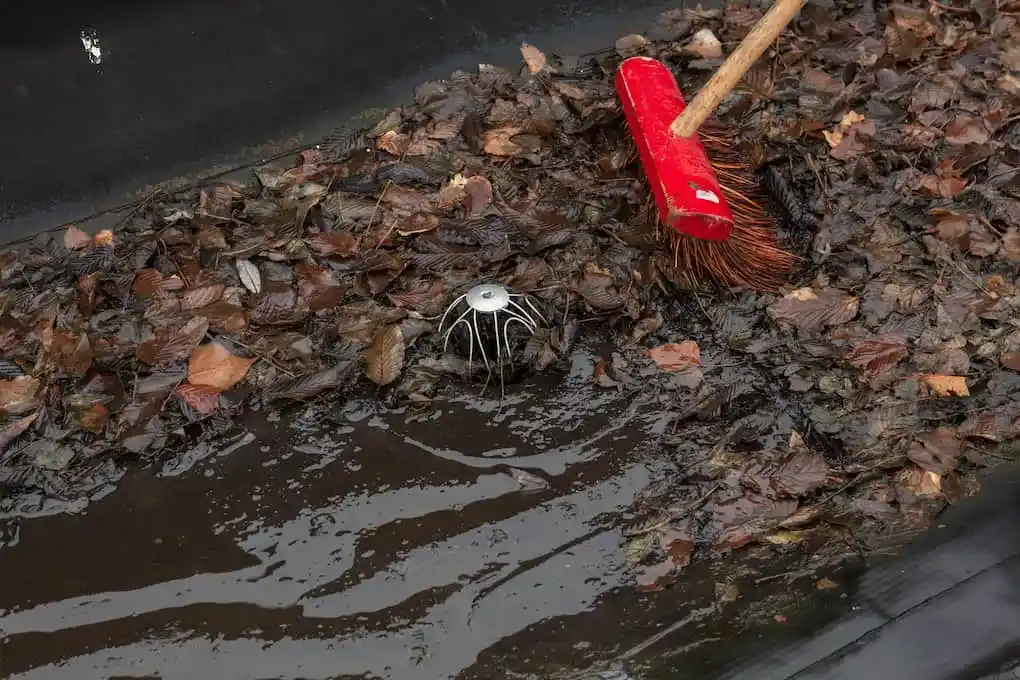
One of the most important things you can do for your roof is to keep it clean. This means removing any leaves, sticks, and other debris that might have gathered on top of it. If sticks and leaves are left to rot on your roof, it can cause your roofing material to rot.
It’s also important to ensure that your gutters are free from debris so that water can properly drain away from your home and not leak back into the rafters.
2) REPLACE DAMAGED AND MISSING SHINGLES
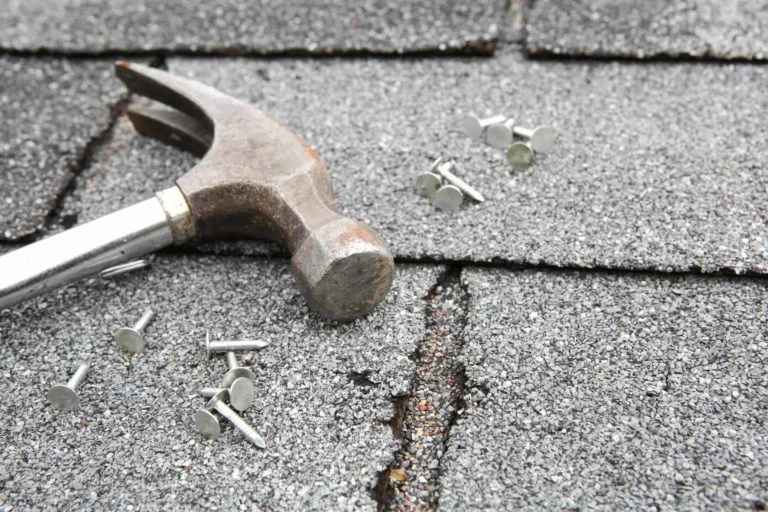
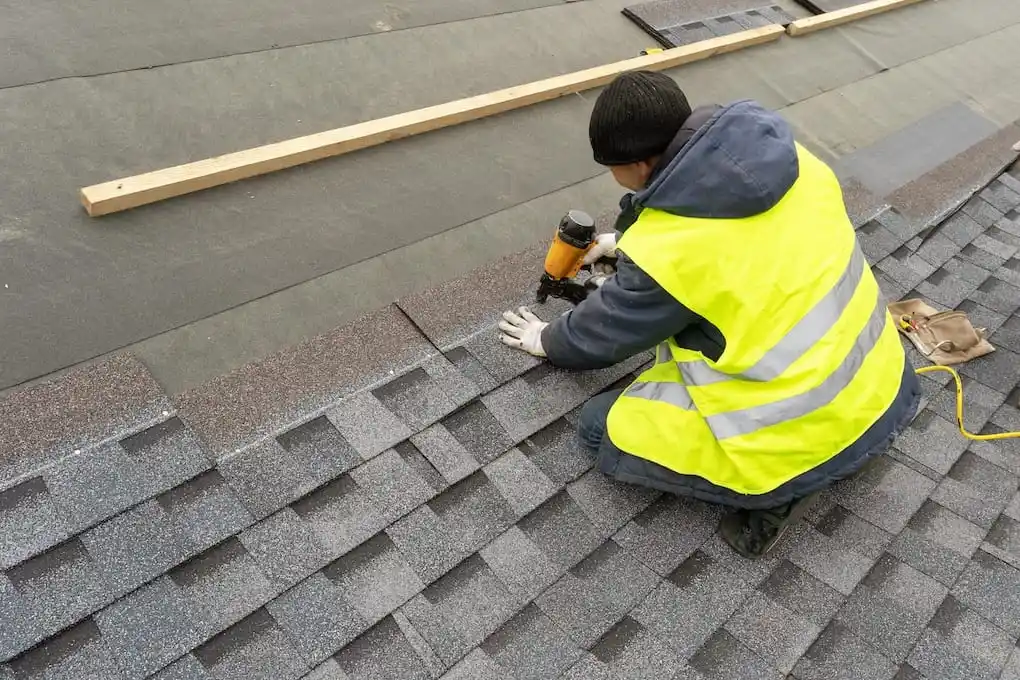
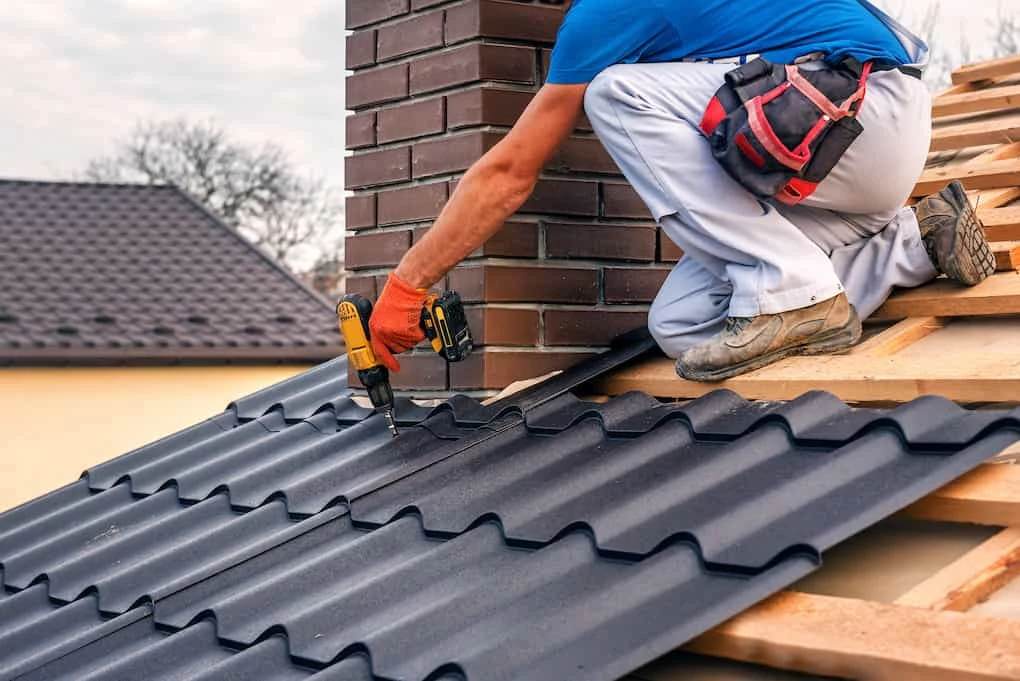
When your shingles are damaged or missing, getting up on your roof to repair those shingles is going to help ensure that your roof doesn’t leak. You want to make sure that you’re using the same type of shingles so that they match the rest of your roof and don’t stand out.
Before you start repairing or replacing any shingles, take a good look at your roof to see if there are any other areas that might be damaged. It’s always best to repair everything at once.
Keep in mind that damaged and missing shingles should be covered by your homeowner’s insurance. Be sure to contact them as soon as you notice the damage to get started with a claim.
3) FLAT ROOF REPAIR
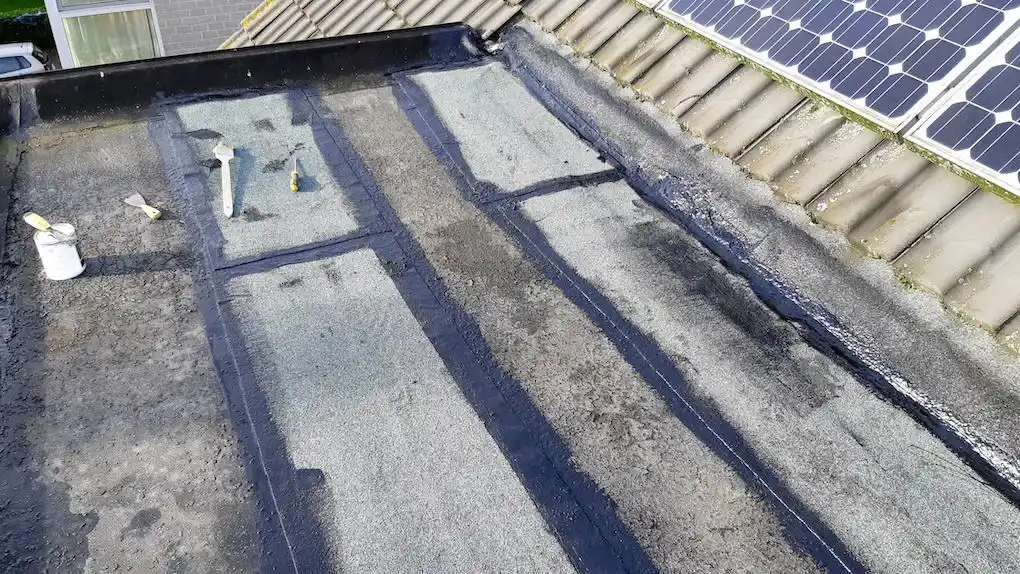
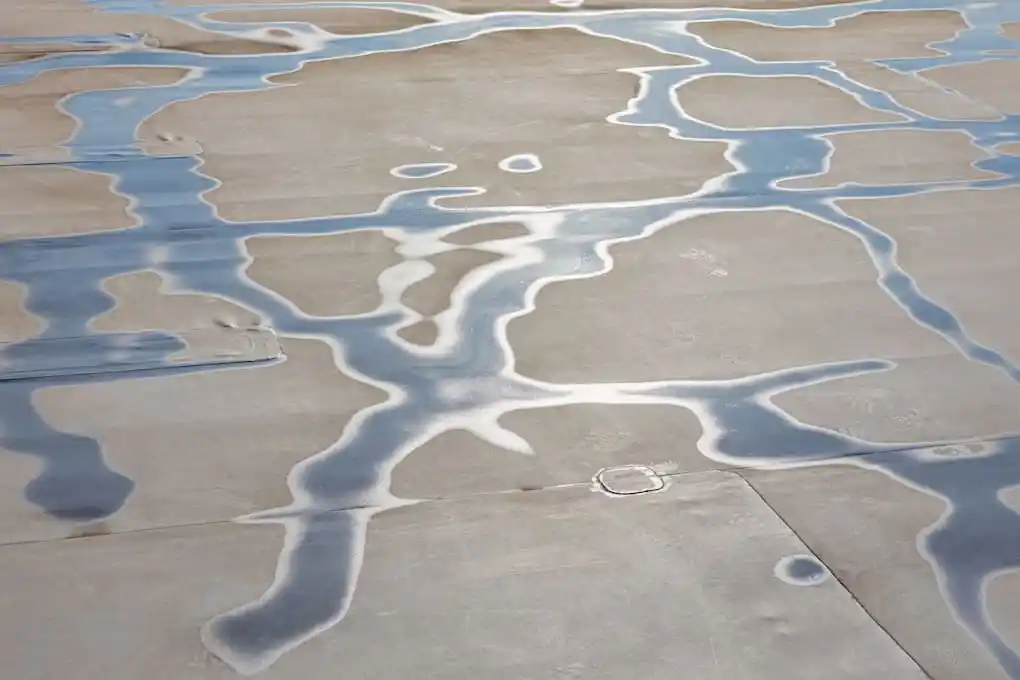
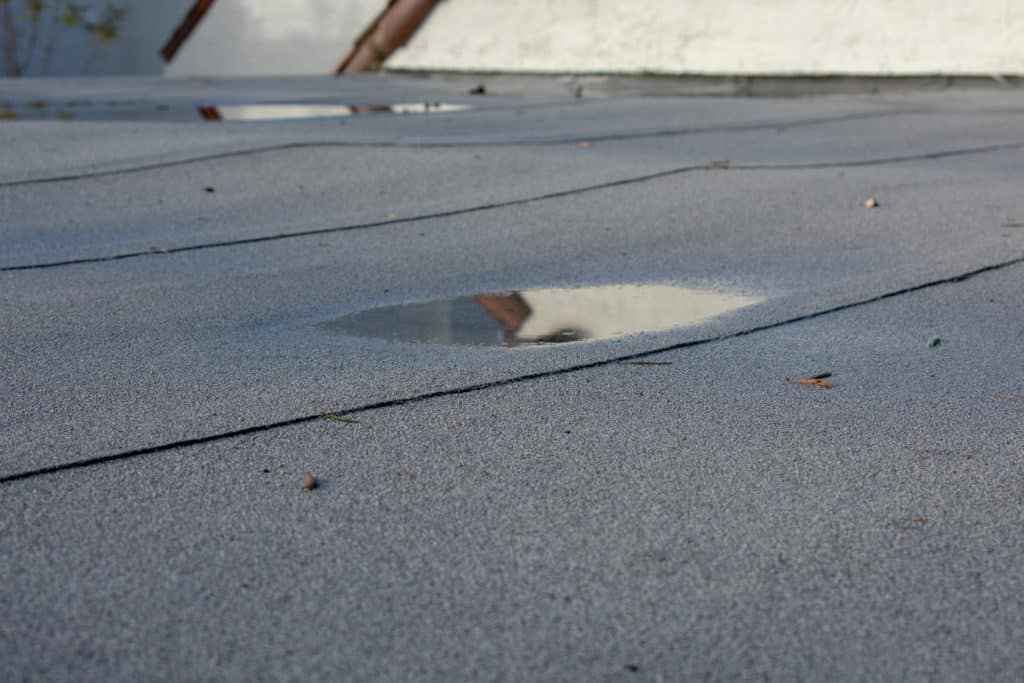
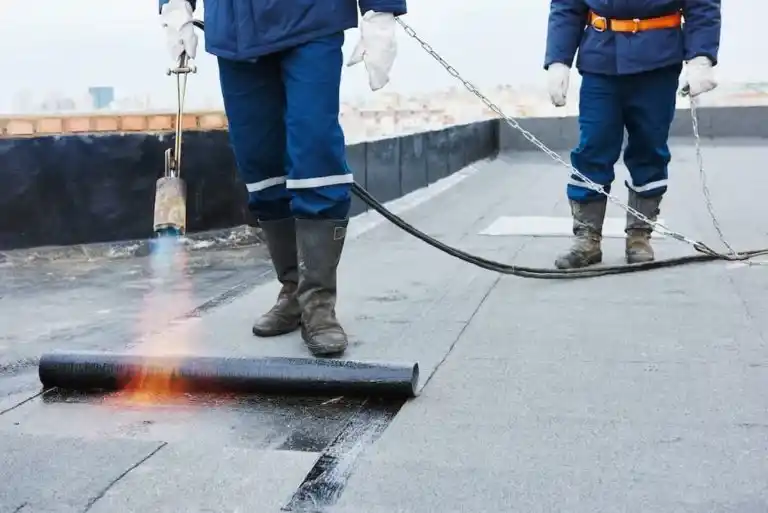
Flat roofs are easier to repair because they don’t require quite as intricate of work. If you have a flat roof, it’s important to inspect it regularly for any ponding water. This is when water pools on your roof and causes a significant leak and damage if left unchecked.
If you do find ponding water, use a garden hose to remove it and then repair the area with a sealant made specifically for flat roofs. Paint on sealant is often your best choice and should help to quickly resolve the problem.
4) REPAIR YOUR FLASHING (ADVANCED REPAIR)
A more advanced repair that probably shouldn’t be undergone by most homeowners is repairing your flashing. Flashing is the metal along your roof’s edges and around any chimneys or vents. When the flashing is damaged, it can cause leaks and lead to roof rot.
If you’re going to attempt to repair your flashing, be sure that you know exactly what you’re doing. It’s easy to make a mistake that will lead to even more damage and void your warranty. There are plenty of videos out there and guides, but it’s probably better to call the pros if you don’t feel comfortable.
5 STEPS TO FINDING AND FIXING A ROOF LEAK
If your roof is leaking, then that’s going to be one of the most pressing issues facing your home. The first step to fixing the leak and ensuring no further damage comes to your home is to find that leak.
1) LOCATE YOUR ROOF LEAK
Locating the leak could be easy or hard, depending on where the water is coming into your home. If you see water stains on your ceiling, that’s a good indicator that the leak is coming in through your attic.
If you don’t see any water stains, it might be more difficult to find the leak. In this case, you’ll want to wait for a rainy day and then go into your attic with a flashlight. Look for water coming through or different areas that become damp. If you’re still not able to find the leak, it might be time to reach out to a professional roofer.
2) CHECK FOR MISSING SHINGLES OR OBVIOUS DAMAGE
Missing shingles or other obvious damage to the surface of your roof after a storm will be an obvious sign that your roof is damaged or needs to be tended to. After you’ve located the leak in your attic, take a look at the outside of your roof to see if there are any missing shingles or damaged areas.
Sticks or branches falling on your roof can cause real damage easily. Hail and strong winds can also damage shingles and lead to future leaks. That’s why it’s always recommended to get up on your roof and check for damage after every storm.
3) TARP THE ROOF UNTIL YOU CAN REPAIR IT
If you have missing shingles or damaged areas on your roof, it’s important to tarp those areas until you can repair them. This will help prevent any further damage from occurring and also help to keep the leaks at bay.
You can buy tarps at most hardware stores or online. Be sure to get one that’s big enough to cover the entire area of your roof that’s been damaged. You might need more than one tarp if the damage is extensive.
4) REPAIR THE SEAL WITH NEW SHINGLES
Once you have the area tarped, it’s time to arrange to make the repairs. If you’re missing shingles, then you’ll need to replace them with new ones. This is a relatively easy process that anyone could do with the right materials and tools.
If the damage is more extensive, then you might need to replace larger sections of shingles. This is where it can start to get difficult. Be careful not to take on more than you’re capable of, and don’t try to walk on a wet roof.
5) USE ROOFING CEMENT FOR A SHORT TERM FIX
If you can’t immediately repair your roof, then you might need to use roofing cement as a short-term fix. This will help to prevent any further leaks and give you some time to save up for or make arrangements for the repairs.
You can apply roofing cement with a putty knife or trowel. This is not a permanent fix, so please don’t use it like one. If you’re going to use roofing cement, it should only be for a very small part of your roof or a very small leak.
WARNING: DIY ROOF REPAIR CAN BE DANGEROUS
It’s important to remember that DIY roof repairs can be dangerous. It’s always best to call a professional if you’re not comfortable with going up on your roof or making repairs yourself.
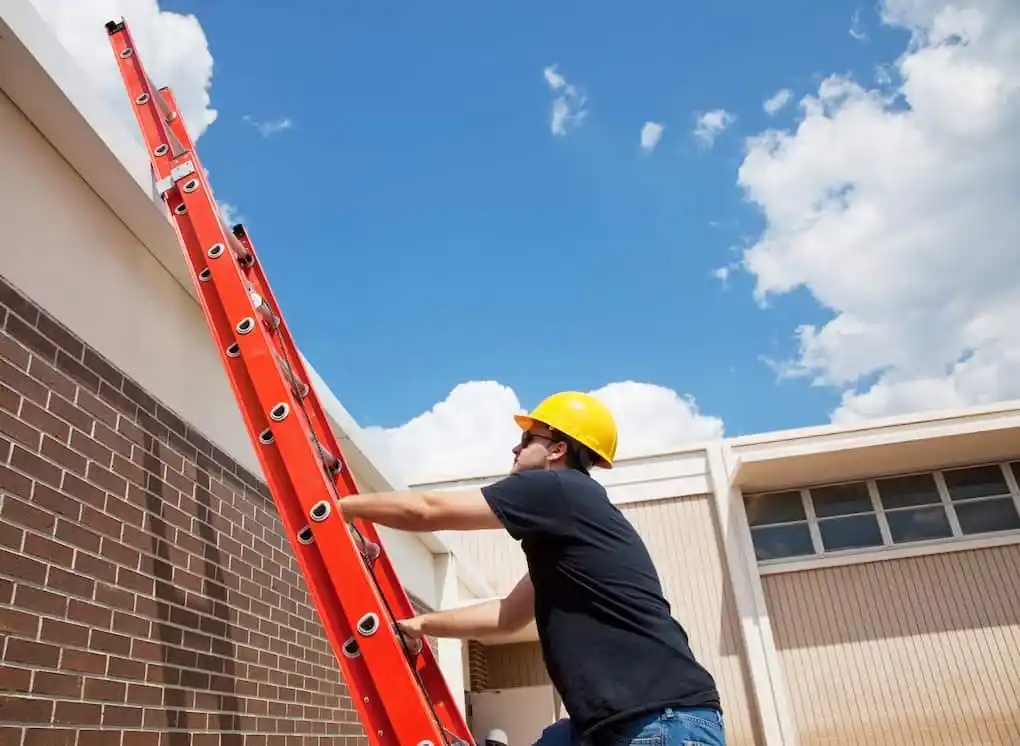
If you decide to do it yourself, be sure to take all the necessary precautions and have someone with you in case something happens. Going up a ladder can be dangerous, and you don’t want to risk injury just to save a couple of bucks.
HIRE A PRO AND GET THE JOB DONE RIGHT
To help ensure your roof is repaired correctly and you’re completely safe throughout the process, you’re best off hiring a pro. A reliable, responsible, and trustworthy contractor is going to be there to provide and ensure that your home is well taken care of for years to come.
Our team at MARS Roofing is ready to step in and provide you with the service you need and deserve. Contact us today for a free estimate and inspection!
As a home or business owner, you might not even know that roof planning is actually the plan used to architecturally design and build your roof. Roof planning is critical because it sets roofing design and construction standards. Roof plans should be followed exactly to ensure that your roof is built correctly and safely.
If you’re looking to have a new roof installed or are simply curious about what goes into roof planning we’ll be covering it all today. And for those looking to remodel your home or business, a new roof plan might be just what you need.
WHAT IS A ROOF PLAN?
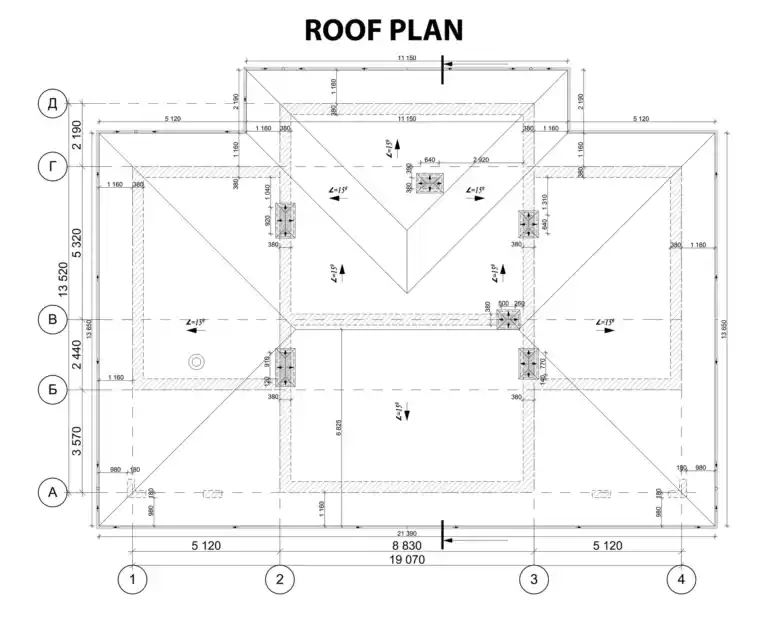
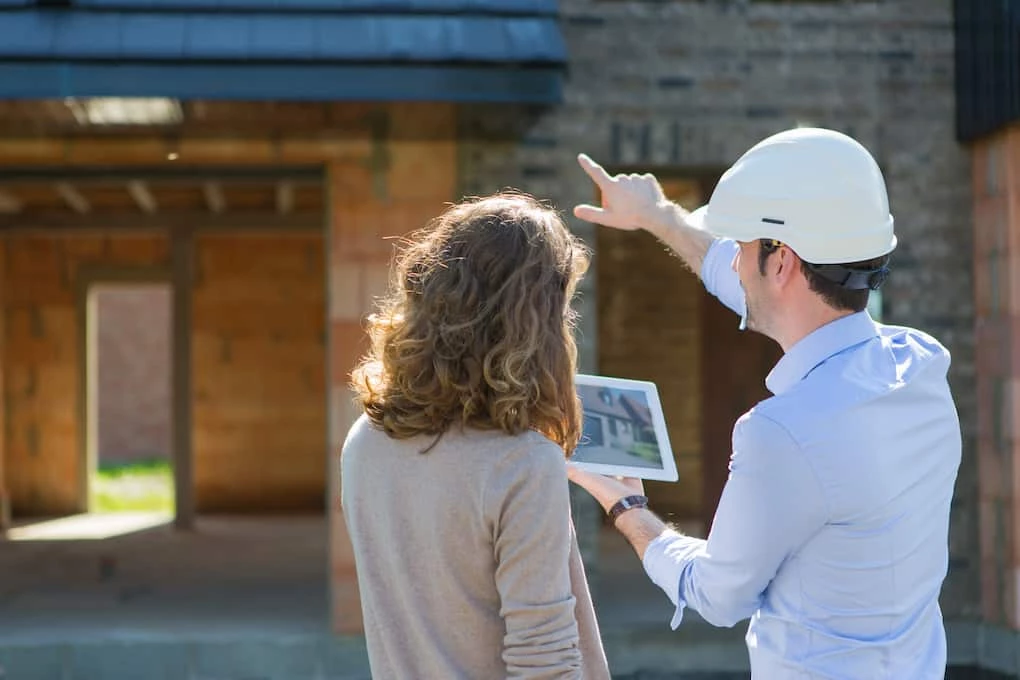
A roof plan is a two-dimensional drawing that illustrates the roof’s design. It contains all of the essential information for the roof, such as roof pitches, ridge heights, and roof loads. A roof plan should also show the location of doors and windows and any other features that will be included on the roof (chimneys, dormers, etc.)
The most important thing to remember about roof plans is that they are not just a pretty picture – they are meant to be used as a construction guide. All of the measurements and angles in a roof plan need to be followed precisely during construction, or your roof could end up looking completely different than what you intended.
WHO CREATES AND USES THE ROOF PLAN?
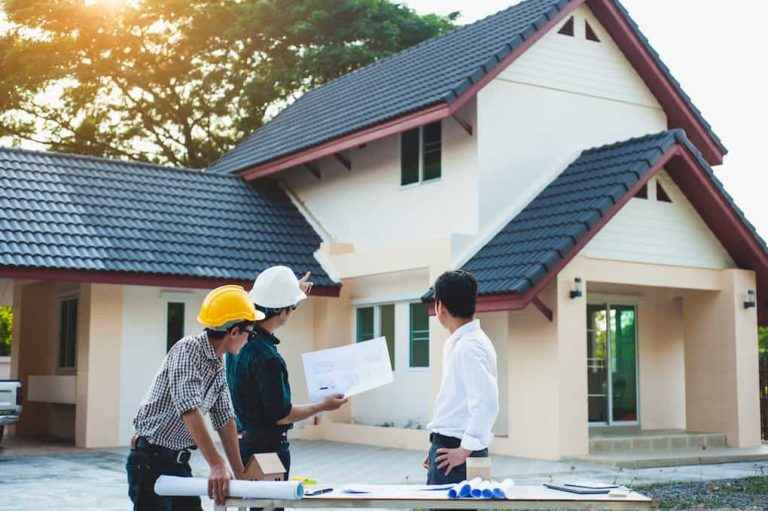
The roof plan is created by an architect or roofing contractor. The home or business owner will provide the architect with their requirements for the roof (such as desired roof pitch, style, and color), and then the architect will create a roof plan that meets those specifications.
The roof plan is used by both the builder and the homeowner during construction. The builder will use it to construct the roof according to the approved design, while the homeowner can use it as a reference to ensure that everything is being built exactly how they want it.
WHAT ARE SOME COMMON ROOF PLAN MISTAKES?
Like any other type of plan, mistakes can be made when creating a roof plan. Here are some of the most common errors:
Incorrect roof pitch
Incorrect roof size
Misplaced doors and windows
Inaccurate roof loads
Not including all required information
Including incorrect measurements or angles
Incorrectly labeled components
These mistakes can lead to several problems, such as a roof that’s not watertight or doesn’t meet building codes. It’s important to have a qualified architect create your roof plan to avoid these errors.
HOW CAN I MAKE SURE MY ROOF PLAN IS FOLLOWED CORRECTLY?
The best way to ensure that your roof plan is followed correctly is by working with a qualified contractor. They will be familiar with the standards outlined in the roof plan and ensure they are followed during construction. If you’re doing the work yourself, it’s important to read through the roof plan thoroughly and make sure that you understand all of the measurements and angles before beginning construction.
COMMON ROOF DESIGNS AND WHAT TO CONSIDER
Now that we’ve covered the basics of roof planning let’s take a look at some of the most common roof designs. When choosing a roof design for your home or business, there are several factors to consider, such as:
The climate in your area
The style of your home or building
Your budget
The type of roofing materials you want to use
Some of the most popular roof designs include gable roofs, hip roofs, and flat roofs.
GABLE ROOF
A gable roof is one of the most common roof designs and is characterized by its triangular shape. Gable roofs are best suited for areas with moderate weather conditions and can be made from various materials, such as shingles, metal, or tile.
HIP ROOF
A hip roof is similar to a gable roof, but it has four sides instead of two. Hip roofs are best suited for areas with high winds or heavy snowfall. They can also be made from various materials, but they are typically more expensive than gable roofs.
FLAT ROOFS
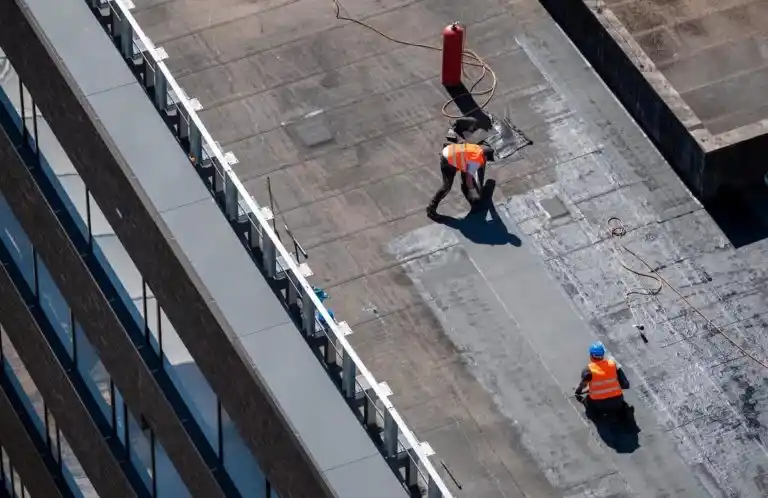
Flat roofs are exactly what they sound like – flat! They are most commonly used in commercial buildings and are not recommended for homes in areas with heavy rains or snowfall. Flat roofs are usually made from asphalt or tar and require regular maintenance to prevent leaks.
MIXES OF DIFFERENT TYPES
Some homes have a mix of different roof designs, such as a gable roof on the main part of the house and a hip roof on the porch or garage. This type of roof is becoming more popular, as it can be more cost-effective than installing two separate roofs.
CHOOSING THE RIGHT ROOFING MATERIAL FOR YOUR DESIGN
Included in roof planning is making sure you pick the right roofing material for your home or business. Different roofing materials have different benefits and drawbacks, so it’s important to do your research before deciding. Here are a few factors to keep in mind when choosing a roofing material:
The climate in your area: Certain roofing materials are better suited for certain climates. For example, metal roofs are a good choice for areas with high winds, while tile roofs work well in hot, dry climates.
The style of your home or business: The roof should complement the overall style of the building. For instance, a traditional roofing material like asphalt shingles would be a good choice for a traditional home, while slate roofing would be more appropriate for a contemporary building.
The budget: Roofing materials can vary in price, so it’s important to find one that fits your budget.
ASPHALT ROOFING SHINGLES
Sloped roofs will most commonly be roofed with asphalt, tile, or metal roofing materials. Asphalt is the most common because it’s very affordable and has a fast install time. Asphalt roofing comes in various styles and colors, so you can find one that will complement your home or business. One downside to asphalt roofing is that it doesn’t hold up as well in cold climates, can become brittle in the winter, and doesn’t have a very long lifespan.
SLATE ROOFING TILES
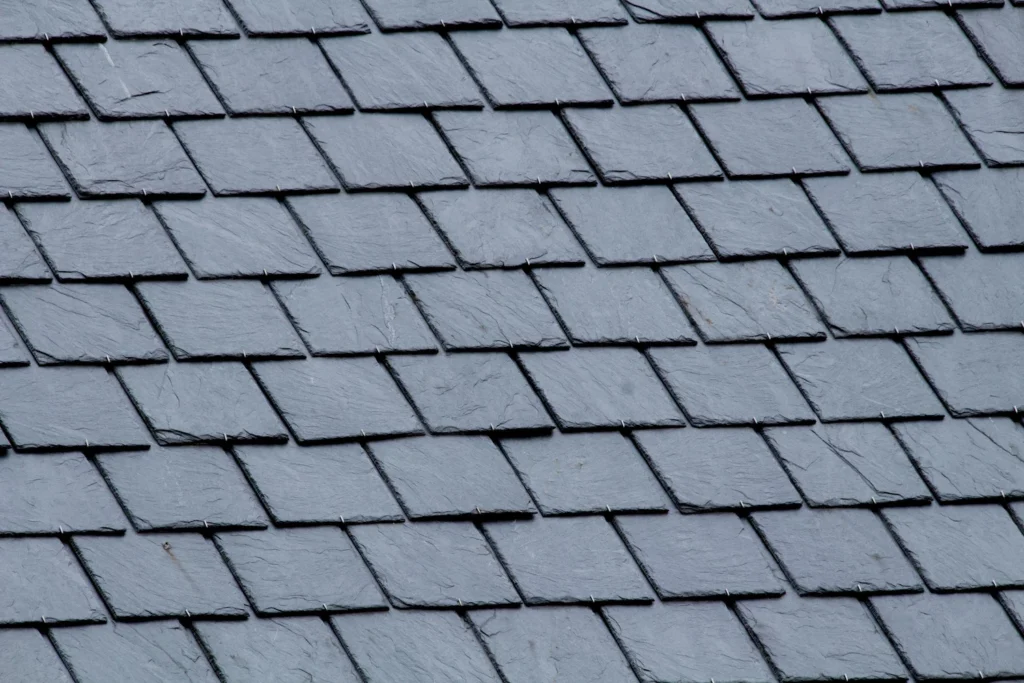
Slate roofing tiles are a popular roofing choice for high-end homes and businesses. It’s a very durable roofing material that can last for 100+ years with proper maintenance. Slate roofing is also fire resistant and has a Class A fire rating, the highest rating possible. With all of these benefits, you might be wondering, “what’s the catch?”
Slate roofing is costly and takes an experienced team a very long time to install. Sometimes up to a week on larger roofs. Each piece of the roofing will need to be meticulously crafted to fit the specific place it’s being set on the roof.
METAL ROOFING
Metal roofing is a good choice for homes and businesses in areas with severe weather conditions. It’s very durable and can withstand high winds and hail. Metal roofing is also one of the most energy-efficient roofing materials available and can help reduce your cooling costs in the summer.
Choosing metal roofing will also help you get the most out of your budget. In the past, metal roofing has been a costly material to install. But today, it’s very affordable and long-lasting. This makes it a great investment.
FLAT ROOFING MATERIALS
There are a few different types of roofing materials that can be used for flat roofs. The most popular options are asphalt, tar, and PVC roofing. All of these roofing materials have their own benefits and drawbacks, so it’s important to choose the one that best suits your needs.
If you have a flat roof, you’ll likely need professional installation and upkeep every few years. They aren’t always “long-lasting” roofing solutions, but they provide protection for your building and have very affordable upkeep.
HIRE A TRUSTWORTHY CONTRACTOR TO HELP WITH YOUR ROOF PLAN
When you need to develop a roof plan for your home or business, contact the team at MARS Roofing. We’d love to help you choose the right roof style, material, and plan for the future of your roof.
Creating a successful roof plan is only half the journey. Getting a roofer you trust to do the work makes all the difference.
The right Annapolis roofing contractor makes all the difference. Whether you’re looking for residential or commercial roofing services, we’re here to help you find the right business to take care of your roofing needs.
At Mars Roofing, we’ve got your back, and we want you to get the best possible roofing services in Maryland.
MARS RESTORATION
At MARS Roofing, we pride ourselves on bringing excellence to every job we do. We have a wide range of services, from roofing to window installation, and we always use the highest quality materials. Our roofing and exteriors team is skilled and experienced.
If you have questions about our services or the roofing process, we’d be happy to help answer them. Call us today to get your questions answered and get a free estimate for the work you need to do. We’re your Annapolis roofer!
Contact: (240) 335-8382
Address: 7732 B Old Alexandria Ferry Rd, Clinton, MD 20735
Google Rating: 4.7 Stars
BENCHMARK ROOFERS
As a top roofing contractor in Annapolis, Benchmark Roofers truly set the benchmark for other roofers and contractors in the area to live up to. Benchmark provides excellent customer service, and their highly trained and experienced staff are always available to answer questions.
Their roofing services cover a wide range of needs, from roof repairs to full roof replacement. They also offer gutter installation and repair, as well as siding installation. Contact them today for a free estimate on the work
Contact: (443) 214-3390
Address: 500 Giddings Ave, Annapolis, MD 21401
Google Rating: 5 Stars
Source: Benchmarkroofers.com
AN ROOFING COMPANY
AN Roofing is another local roofer working hard to raise the standard for roofing in Annapolis. AN Roofing is a full-service roofing contractor that can handle any roofing job, no matter how big or small. Commercial or residential, their team is ready to handle it and get the job done right.
Training and experience in flat roofing, sloped roofs, and other roofing practices set AN Roofing apart from the competition.
Contact: (410) 756-8798
Address: West Woods, 114 Hearne Ct, Annapolis, MD 21401
Google Rating: 5 Stars
50 EAST REMODELING
50 East Remodeling is a general contractor that provides remodeling and roofing services in the Annapolis area. They have a wide range of experience and can handle any type of project, from a small bathroom renovation to full-scale home additions.
50 East is also a specialist in roofing and gutter installation. If you’re looking to get your home remodeled and a roof rebuilt at the same time, 50 East might be the perfect contractor to work with.
Contact: (410) 500-2266
Address: Anne Arundel County, MD
Google Rating: 4.9 Stars
Source: 50eastremodeling.com
SUPERIOR RESTORATIONS & CONSTRUCTION
With more than 10 years in business serving the greater Annapolis area, Superior Restorations & Construction is a general contractor that has the experience and knowledge to do any job, big or small. They offer a wide range of services, from roofing and siding to kitchen and bathroom remodeling.
Superior is also a specialist in water damage restoration. If your home has been damaged by water, Superior can help ensure that everything is taken care of and your home is safe for the future.
As far as Annapolis roofing companies go, you’ll struggle to find one that’s better than Alton’s Roofing Co. They provide a wide range of roofing services, from repairs to replacements, and they have a team of skilled and experienced professionals who never disappoint.
Alton’s also offers a warranty on all new roofs, so you can be sure that your investment is protected. Contact them today for a free estimate on the work you need to be done.
Contact: (410) 263-5765
Address: 66 Silopanna Rd, Annapolis, MD 21403
Google Rating: 5 Stars
THE IMPORTANCE OF CHOOSING A TRUSTWORTHY ROOFING COMPANY
A roof is one of the most important parts of a home, and it is crucial to make sure that it is in good condition. A roof protects a home from the elements and provides insulation. When a roof starts to show signs of wear and tear, it is important to have it repaired or replaced as soon as possible.
One of the most important decisions that homeowners have to make when it comes to their roof is choosing a roofing company. Not all roofing companies are created equal, and it is important to choose one that you can trust. Here are a few things to look for when choosing a roofing company:
Experience – The best way to judge a roofing company’s experience is to look at the projects that they have completed. A good roofing company will have a portfolio of past projects that you can look through.
References – A good roofing company will be able to provide you with references from past clients. You can call these clients and ask them about their experience with the company.
Warranty – A good roofing company will offer a warranty on their work. This shows that they are confident in their ability to provide quality workmanship.
Insurance – A good roofing company will be properly insured. This protects you in the event that something goes wrong during the project.
Pricing – It is important to get quotes from multiple roofing companies before making a decision. This will allow you to compare prices and find the best deal.
You’ll also want your roofing company to be licensed to work in your area. If they don’t carry the proper credentials to do business and work in your neighborhood, then you could be found liable in the event of an accident.
CHOOSE MARS RESTORATION FOR A PREMIUM EXPERIENCE
You deserve the best, and our team at MARS Roofing wants to ensure that you get it. Whether you’re having your roof repaired, replaced, or simply maintained, don’t settle for a team that you can’t put your total trust and confidence in.
Our team provides clear communication, professional customer service, and a work ethic you can count on from start to finish.
Roof repair is critical to the health of any roof, but it’s especially critical to the health of your business. To keep your roof in good repair, you’ll need to be intentional about doing regular maintenance.
When issues arise outside of regular maintenance, it’s time to ensure that your commercial roof gets repaired ASAP. Ignoring roof leaks and damage only leads to bigger problems.
WHAT TO EXPECT WHEN YOUR ROOF NEEDS REPAIR
Depending on the materials of your roof and the severity of the damage, commercial roof repair can be a quick process, or it might take some time. The most important part of the process is getting a roof inspection from a company you can trust.
You can expect a good commercial roofer to:
Inspect the damage to your roof
Give you an estimate for the repairs
Repair any leaks or damaged areas
Replace any materials that are too damaged to be repaired
STEPS TO FINDING THE RIGHT CONTRACTOR FOR YOUR ROOF REPAIR
To better understand how you’ll walk through this process from start to finish, these are the in-depth steps to finding the right commercial contractor. Not all contractors are created equal, and not all can do commercial roof repair. You’ll need a contractor that has experience with your type of roof, as well as insurance and licensing.
STEP 1: COMPARE CONTRACTORS IN YOUR AREA
Once you have a few contractors in mind, it’s time for the next step: comparing them. It’s important to get at least three estimates so that you can compare pricing and services.
Look at reviews; make sure to look out for things like timeliness, quality of work, and customer service.
STEP 2: ASK THE RIGHT QUESTIONS
When you talk to contractors, make sure to ask them the right questions.
Some things you’ll want to know include:
What is their experience with commercial roof repair?
What is included in their estimate? (materials, labor, etc.)
What is their timeline for the project?
Are there any additional fees not included in the estimate?
STEP 3: RECEIVE ESTIMATES FOR THE WORK
After you’ve asked all the right questions, it’s time to get estimates. Ask each of the contractors you’re considering working with for an estimate and compare them to find the best option for your business.
Remember, the cheapest option isn’t always the right option.
WHEN TO GET YOUR ROOF REPAIRED
Commercial roof repair is a process that takes time, so be sure to plan. You’ll want to consider the time of year, the severity of the damage, and what type of roof you have when deciding when to get your roof repaired.
The commercial roof repair process doesn’t have to be a headache if you plan and work with the right people. Be sure that you understand what to expect, how much it will cost, and your options before getting started.
Scheduling commercial roof repair during the off-season can oftentimes lead to cheaper rates, but the most popular time to schedule roof repairs is during the summer thanks to more ideal weather conditions.
EMERGENCY ROOF REPAIRS
In some cases, commercial roof repair can’t wait. If your roof is leaking or there’s significant damage, you’ll need to get emergency repairs done as soon as possible.
Working with a qualified contractor will help to ensure that the job gets done quickly and efficiently so that you can avoid any further damage to your property.
When to call for emergency roof repair?
Your roof is leaking
There’s significant damage to the roof (holes, missing shingles, etc.)
The temperature inside your building is too high or low because of a problem with the roof
You hear strange noises coming from the roof
There’s water damage inside your building
6 STEPS TO A DIY COMMERCIAL RUBBER ROOF REPAIR
When it comes to rubber roof repair, there are a few simple steps that you can take to fix the problem.
In most cases, commercial rubber roofs don’t need too much attention, but they’ll start to leak or develop other problems every once in a while.
If you can identify and solve the issue quickly, it will help ensure that there aren’t any further damages.
Inspect the roof for damage
Clean the roof
Remove any blistering in your roof
Remove water from the surface of the roof
Add roof cement to areas that are damaged
Place a new roof membrane
We missed one or more steps on this list, but following these will give you a good idea of what’s expected if you choose to DIY a roof repair process.
1. INSPECT THE ROOF FOR DAMAGE
The first step will always be to inspect the roof for damage. This will help you identify the problem areas and what needs to be fixed.
You’ll want to look for things like holes, cracks, or missing shingles. If there’s any water damage, that’s also something that you’ll want to take note of. Keeping detailed accounts of each inspection will help ensure your insurance company covers any storm damage that takes place.
2. CLEAN THE ROOF OF DEBRIS
Once you know what needs to be repaired, the next step is to clean the roof of any debris. This will help to ensure that the repairs are done properly and last for a long time. Even if your roof isn’t damaged or in need of repairs, keeping it clean will help it last longer.
It’s important to be as thorough as possible when cleaning the roof. Leaves and other debris will lead to problems in the future, including clogged gutters, downspouts, and pooling water.
3. REMOVE WATER AND ICE FROM THE SURFACE OF THE ROOF
Flat roofs and sloped roofs can have a water pool throughout different areas of the roof. The water, over time, can work its way through even the smallest cracks and crevises to cause problems. It’s critical to remove pooling water and ice dams from the surface of the roof as soon as possible.
Standing water can lead to mold and mildew growth which will shorten the lifespan of your roof.
4. REMOVE ANY BLISTERING ON YOUR ROOF
If you have a commercial flat roof that uses a rubber membrane to help protect the roof, you may have blistering on your roof. These blisters are caused by trapped moisture and can be fixed pretty easily.
The first step is to remove any water on the surface of the roof. Once the roof is dry, you’ll want to cut open the blisters and remove any water that’s inside them. After the blisters are empty, you’ll need to apply roofing cement to create a new seal over that area.
5. ADD ROOF CEMENT TO AREAS THAT ARE DAMAGED
Roof cement is the perfect tool for anyone attempting a DIY repair. It can be used to fix small holes and cracks in your commercial roof. Apply the cement to the damaged area and wait for it to dry.
Once it’s dry, you’ll want to add a new layer of roofing membrane over the top of the cement to ensure that no water can get through. If you’re working with asphalt shingles or other roofing materials, roofing cement is still a great tool to use.
6. PLACE A NEW ROOF MEMBRANE
Ultimately, a new roof membrane will need to be placed over the entire roof if you’re experiencing the need for frequent repairs. This is the best way to ensure that your commercial roof will be completely protected from any future damage.
New membranes should be installed semi-regularly to help ensure that there aren’t leaks or water damage caused to the building.
HIRE MARS ROOFING FOR A FULL COMMERCIAL REPAIR OR REPLACEMENT
If your commercial roof is beyond repair or you don’t have the time to fix it yourself, hiring a professional is always the best option.
Mars Roofing has years of experience with commercial roofing and can help you assess the damage and decide on the best course of action.
Keeping your commercial roof maintained can make all the difference in helping to ensure that you aren’t left with a roof that’s not doing its job and keeping you and your business dry.
Commercial roofs tend to have shorter lifespans than residential roofs. One of the main things that help you get a longer lifespan out of your roof is keeping it well maintained.
WHAT IS ROOF MAINTENANCE?
Put simple roof maintenance is keeping your roof clean and in good repair. This means regularly cleaning it of debris and making sure that any damaged areas are repaired promptly. Waiting too long to clean or fix leaks will only lead to more problems down the road.
Cleaning your commercial roof will help prevent the build-up of moss, lichen, and algae which can all lead to damage and premature aging of your roof.
TIPS FOR REGULAR ROOF MAINTENANCE AND INCREASED LIFESPAN
Some roof maintenance can easily be performed by a qualified employee or building maintenance crew. But, be sure that your maintenance team knows their limits and doesn’t bite off more than they can chew.
Having an unqualified team working on the roof could lead to your insurance company denying coverage or a void of specific warranties. If you’re worried about anything like this, don’t be afraid to ask your insurance and roofing company for recommendations.
1) KEEP IT CLEAN
Keeping your roof clean is crucial to maintaining it. Make sure that you are regularly removing any debris, leaves, or branches from the surface of the roof. Storms can cause all types of debris to end up on your roof.
Doing regular checks for debris when completing other tasks around the building is always a good idea.
2) REGULARLY CHECK FOR DAMAGE
You should be checking your roof for signs of damage regularly. Depending on the material your roof is made of, checking for damage can vary. But the process can include looking for cracked tiles, missing shingles, leaks, or pooling water.
If you find any damage, make sure to have it repaired as soon as possible.
3) FIX LEAKS AS QUICKLY AS POSSIBLE
Leaks are one of the biggest causes of roof damage. If you find a leak, make sure to have it fixed as soon as possible. Trying to fix it yourself could lead to more damage and potential water damage to your building.
But, it’s not uncommon to DIY a simple fix, so don’t feel like you can’t work on your building.
4) GET REGULAR ROOF INSPECTIONS
Roof inspections aren’t a must, but they will offer a lot of value, especially if you’re managing or maintaining a large building where you might not notice leaks right away.
A good time to inspect is in the spring or fall, before and after the heavy rain or snow seasons. However, you may need to have more frequent inspections depending on your location.
Having a commercial roof maintenance plan in place is the best way to help ensure that your roof lasts as long as possible.
5) AVOID WALKING ON YOUR ROOF
One of commercial roofing’s most common problems is damage from people walking on them. Rubber roofs and slate need to be especially avoided. Walking on your roof can cause damage to the material, which will lead to leaks and other problems.
If you need to get on your roof for any reason, use a ladder or call a professional. Professionals who regularly work on roofs will know how to properly walk the roof without causing excessive damage.
6) REGULARLY CHECK GUTTERS AND DRAINS TO KEEP THEM FROM CLOGGING
Gutters and drains are a critical part of your roof system. Without them, water can run into your foundation into your roofing system and lead to huge problems for your building. Clogged gutters and drains can lead to pools of water on your roof, damaging the roofing material and leading to leaks.
Cleaning your gutters and drains regularly is crucial to maintaining your roof. You can do this yourself or hire a professional depending on your comfort level and the height of your building.
7) PRUNE OVERHANGING TREE BRANCHES
One of the best things you can do to maintain your commercial roof is to keep overhanging tree branches trimmed. If they are allowed to grow too large, they will eventually rub up against the roof and cause damage.
Regularly trimming back overhanging branches will help to prevent this from happening. Big storms can also bring down trees and cause them to fall on your roof. Keeping trees away from your roof should always be critical.
8) MAKE SURE YOUR ROOF EQUIPMENT IS FUNCTIONING PROPERLY
Another important part of commercial roof maintenance is ensuring that all of your roof equipment is functioning properly. This includes things like:
Vents
Skylights
Chimney
Flashing
HVAC Units
If any of these are not in good working order, it could lead to problems with your roof. Be sure to have them inspected and repaired as needed to keep them functioning properly.
9) REMOVE HEAVY SNOW WHEN NECESSARY
If you live in an area that gets a lot of snow, it’s important to remove it from your commercial roof when necessary.
Leaving too much snow on the roof can cause problems, such as collapsing. If you cannot remove the snow yourself, be sure to hire a professional who can do it for you.
10) KEEP MAINTENANCE LOGS
The best way to keep track of your commercial roof maintenance is to keep logs. This will help you see what was done when it was done and who did it. When transition in your maintenance department takes place, you won’t want to lose that knowledge with the person.
This information can be invaluable if you ever need to file a warranty claim or have any questions about your roof’s maintenance.
11) CHECK YOUR VENTS
Your commercial roof needs to have proper ventilation to ensure it lasts a long time. If your vents are not functioning properly, it can lead to problems with the roof, such as leaks and premature deterioration.
Be sure to regularly check your vents to ensure they are in good working order. You may need to hire a professional to do this. You’ll also want to check the seals around the vents to make sure they are properly sealed.
12) CHECK ATTIC SPACE REGULARLY
If your commercial roof has an attic space, be sure to check it regularly. This is because the attic is one of the most important areas of the roof and can be a breeding ground for problems.
Inspecting the attic space regularly will help you catch any potential problems before they become serious. You’ll also be able to check up on your insulation and know whether or not your roof is leaking before anything gets too bad.
13) GET A ROOF REPLACEMENT BEFORE IT’S TOO LATE
Sometimes, commercial roof maintenance just isn’t enough, and you need to get a roof replacement. Thankfully with the help of insurance, any serious roof damage should be covered and help you replace your roof for less cost.
If your roof is more than 15 years old or showing significant signs of wear and tear, call your local roofing company to talk about getting a replacement. While it’s never truly too late for a roof replacement, serious damage will occur if you neglect your roof for too long.
HIRE A ROOFER YOU CAN TRUST
The most important part of a good roofing maintenance plan is hiring a roofer that you can trust to repair or replace your roof with excellence. In a situation where you need serious work done, or you’re looking for regular roof help, you need to be confident in that roofer.
If you’re local to the Virginia area, we’d love to have you reach out to our Mars Roofing team. We’ve got decades of professional commercial roofing experience and a team of experts that’s ready to come to help you take care of your roof.



![Top 6 Roofing Contractors In Annapolis, MD [Contact Info]](https://mars-roofing.com/wp-content/uploads/2022/04/Top-6-Roofing-Contractors-In-Annapolis-MD-Contact-Info.jpg)