
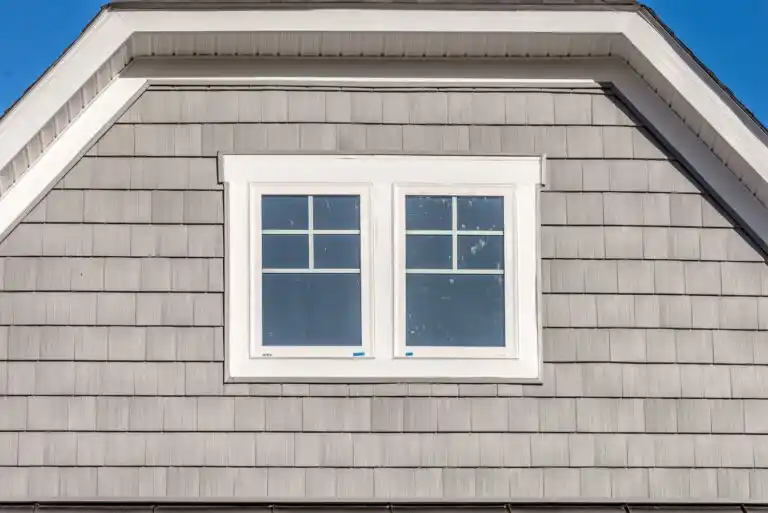
Dutch Gable Roofs: Pros & Cons For Homeowners

Dutch Gable Roofs: Pros & Cons For Homeowners

Whether you want to increase the curb appeal or create unique living spaces in your dream home, you might consider having a Dutch gable roof. A Dutch gable roof is beneficial for a few reasons:

  • They allow more natural sunlight than traditional gable roofs. 
  • They are energy-efficient, reducing heating bills.
  • They offer more available storage space than hip roofs.
  • They present an opportunity to add a window.

Choosing the type of roof you want or need for your new home can be difficult, but we’ll make it easy by walking you through what a dutch gable roof is and how it compares to similar roof styles.

WHAT IS A DUTCH GABLE ROOF? 🤷
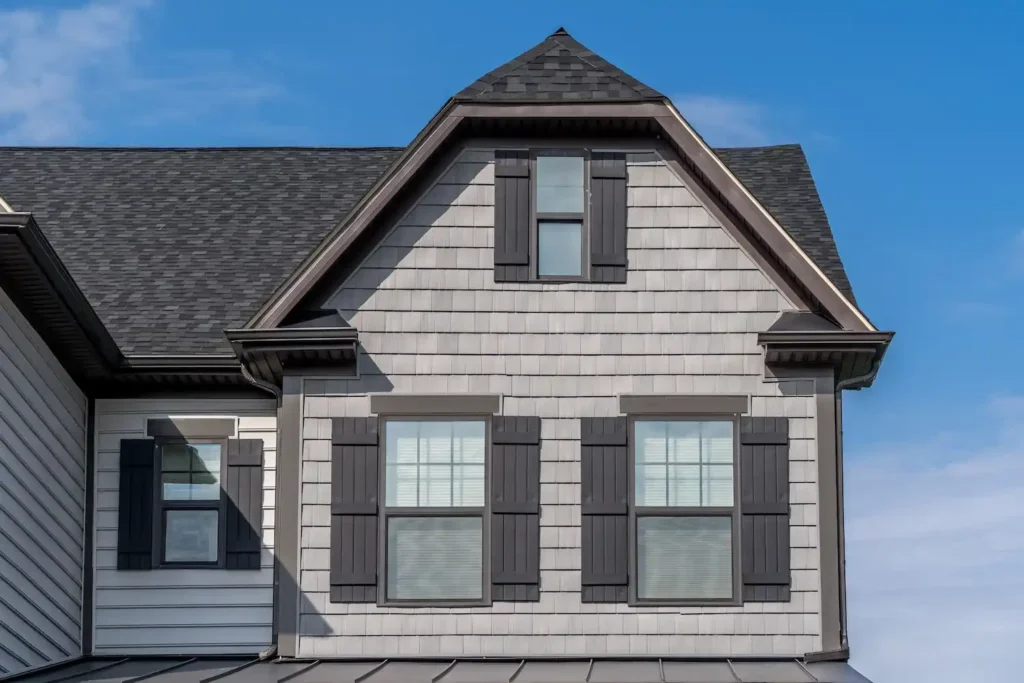
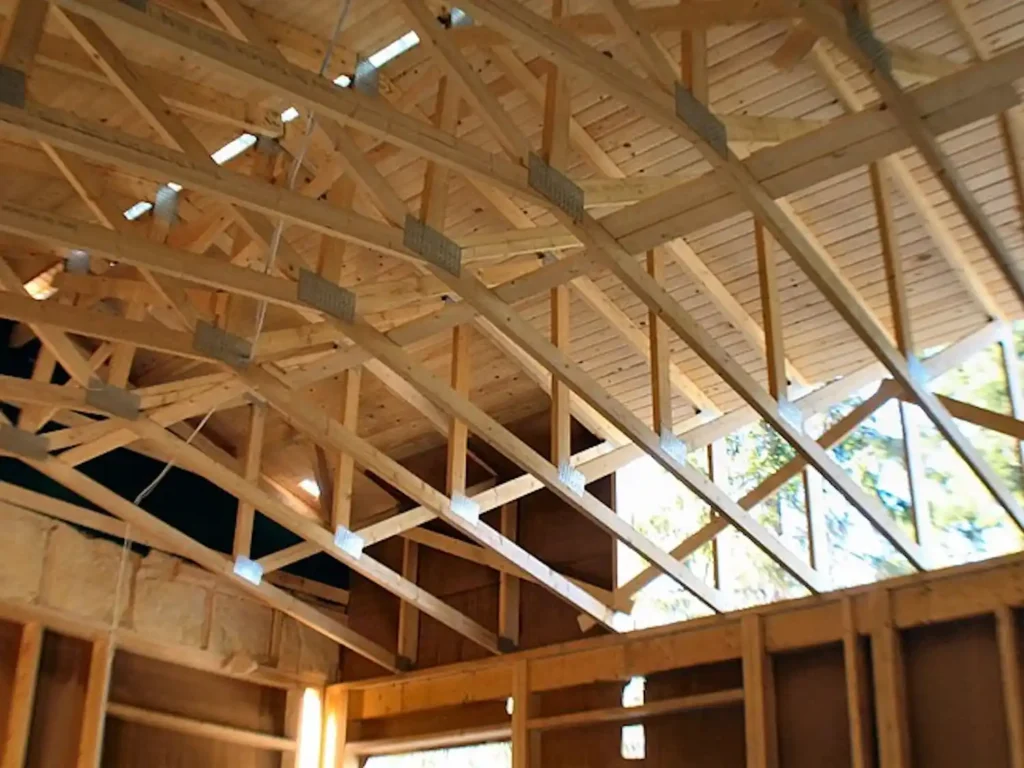
dutch gable roof

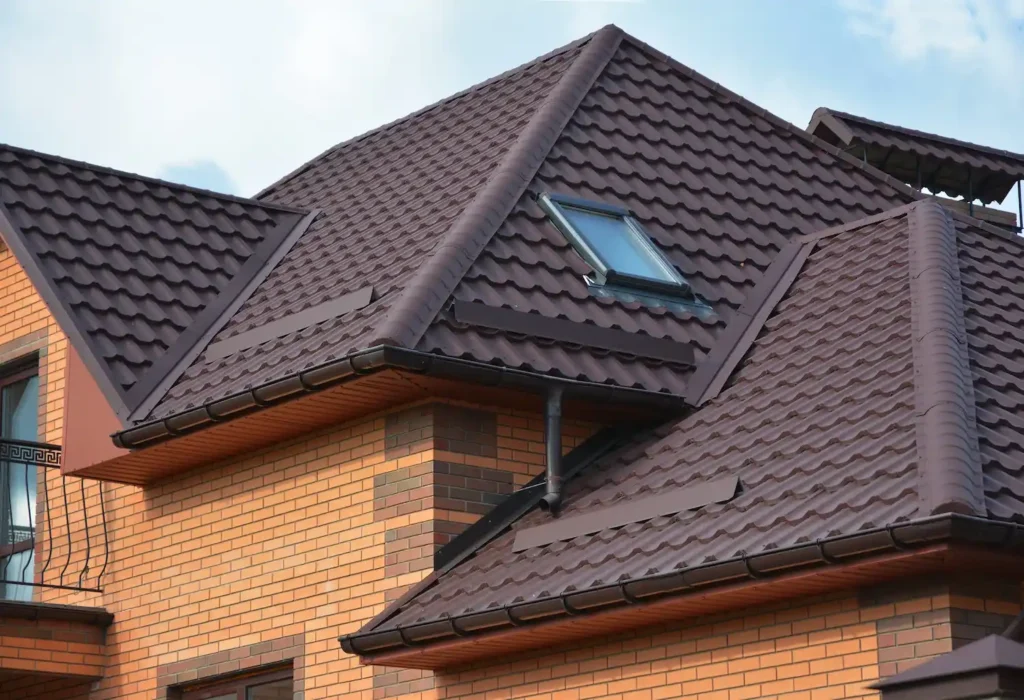
At first glance, Dutch gables can appear to be two different roofs combined – that’s because they are. Dutch gables, also known as gambrel or gable roofs, have a four-sloped skirt with a gable roof called the gablet. Some benefits of a dutch gable roof include:

  • ✅ The gablet allowing for more attic space; often, the gablet will have windows to brighten up vaulted ceilings or make for a unique room.
  • ✅ Depending on the size of the structure, some builders will put mezzanines in the cavity.
  • ✅ Outside, Dutch gables can have a higher curb appeal and withstand extreme weather events.

As previously mentioned, Dutch gables combine two common roof styles in North America: hip and gable roofs. Of course, both types have pros and cons, and the Dutch gable does a great job at countering the cons, but before we get into that, let’s take a moment to understand the hip and gable styles better.

HIP ROOFS 

Hip roofs have been described as more modern-looking and have many variations. A simple hip roof has four slopes that meet at a peak – sort of like a pyramid. More elaborate hip roofs, like the half-hipped or cross hip roofs, intersect and divide multiple hip roofs. Some awesome benefits of a hip roof include:

  • ✅ The four sloped sides of the roof create more structural stability, making them superior to gable roofs.
  • ✅ The four slopes allow rain and snow to roll off the structure in all directions and have eaves (the overhang on the edge of a roof) in all directions.
  • ✅ They’re ideal in areas that experience severe storms and precipitation year-round.
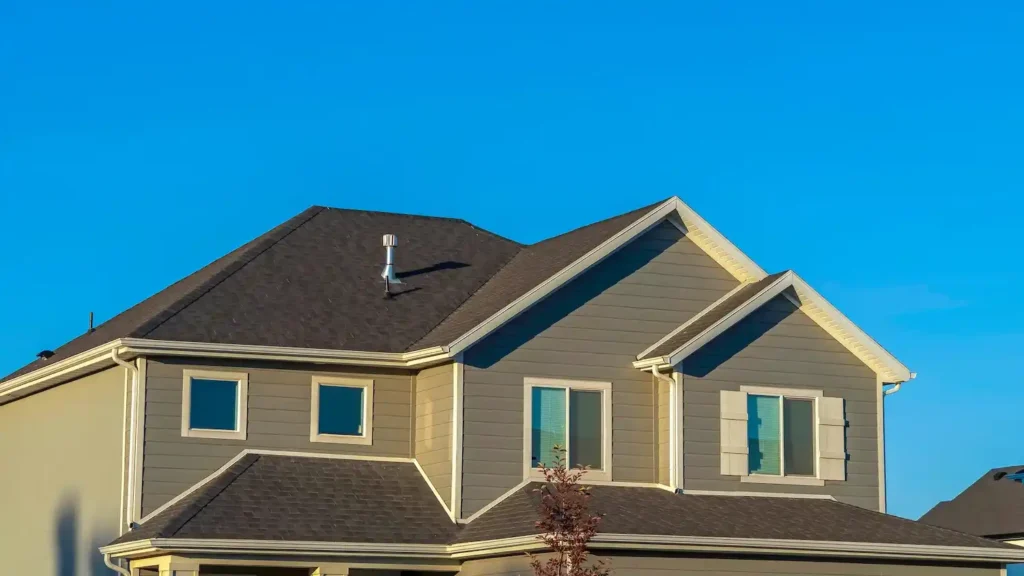
dutch gable roof hip

Hip roofs with low pitches tend to be located in areas prone to hurricanes or extreme winds due to the structure allowing wind to pass over the house with little to no obstruction freely.

However, hip roofs have some drawbacks that make gable roofs more attractive.

  1. The hip roof’s structural stability comes from a complicated design which increases costs due to labor and material.
  2. Because of the complex structure of the roof, there is often no attic space.

GABLE ROOFS

Gable refers to the triangular wall between the intersecting roof pitches, not the actual roof. Basic gables styles have two slopes that meet at a single point with an exposed wall – like an old tent. Like hip roofs, there are many styles of gable roofs. It is common to see the gable(s) facing the street to give more curb appeal.

Gable roofs are far more common than hip roofs in North America due to:

  • Being easy to build and design and, depending on the style of gable, less material.
  • This style can also allow for better ventilation and sealability, making it less likely to experience water damage.
  • Gable roofs also tend to have higher pitches, making it easier for rain and snow to roll off the top and larger attic spaces.

However, one major drawback to gable roofs is that they are more prone to wind damage than hip roofs and require more robust support.

👍 ADVANTAGES OF DUTCH GABLE ROOFS

Dutch gables can be an excellent choice depending on the house’s design. The hip skirt of the structure can become a four-season porch or a living space with many windows. Dutch gables may also have better ventilation and more storage space depending on how the gablet is utilized.

To make a room feel larger and brighter, ceilings can be vaulted, and the gables could be windows. The gablet can also become another room or loft to create more unique spaces in a house.

Dutch gables also look unique and visually interesting, increasing the house’s curb appeal. In addition, the roof’s shape makes it easy for snow and rain to roll off and withstand strong winds.

👎 DISADVANTAGES OF DUTCH GABLE ROOFS

Like hip roofs, Dutch gables are structurally complex. The structure’s complexity depends on the size of the gablet and what you want to do with that space. More material will be needed to build the roof, and strong supports will also need to be in place.

Depending on the shape of the gablet, snow might hang out under the eaves, potentially leading to water damage. Because of this, it’s recommended to ensure all joints are sealed and waterproofed. Furthermore, you might want a waterproof coating on the rest of the roof to be safe.

READY TO ADD A DUTCH GABLE TO YOUR NEXT HOME?🏠

We recommend taking time to look up different styles of houses with Dutch gable roofs. Then, explore the area you would like to build to see what styles architects chose. Once you have an idea of what you want your next house to look like, speak with the pros at MARS Roofing to see what is possible. Contact us for a FREE consultation!
What Is Roof Sheathing & What Does It Do? (Picture Guide)

What Is Roof Sheathing & What Does It Do? (Picture Guide)

First-time homeowners may not realize how complex a roof system is until they encounter a ceiling leak and need to call a professional roofer. A roof’s structure encompasses more than just the shingles themselves. Equally crucial to the material used on top of your home is something called the roof sheathing underneath. This article will explain roof sheathing, what it does, and why it’s essential for your home.

WHAT IS SHEATHING ON A ROOF?

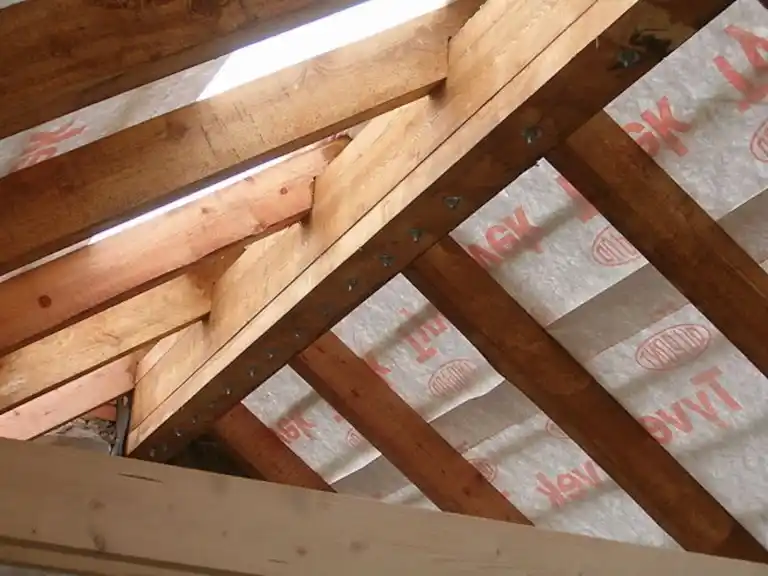
Roof sheathing, or roof decking, is the layer of wood installed on the roof’s trusses and joists. Roof sheathing is the first piece of protection for your roofing and helps keep them from getting damaged by moisture and the elements.

WHAT’S THE DIFFERENCE BETWEEN ROOF SHEATHING AND UNDERLAYMENT?

Roof decking and underlayment are two vital elements of your roofing system. Both protect the structure of your home from the elements and keep it watertight, but they do so in different ways.

what is sheathing on a roof beams

ROOF SHEATHING

The roof sheathing is the layer of wood that acts as a barrier between the rafters and felt underlayment.

UNDERLAYMENT

Underlayment is an additional layer of support that goes on top of roof decking to protect from rain and snow and any moisture that might come up through gaps in your sheathing. You might know it as tar paper or felt paper. Underlayment is made of asphalt-soaked organic mats or asphalt-coated paper, which resist water.

INSTALLATION ORDER

Your roof is covered with roof sheathing materials, which protects the joists underneath. Felt paper underlayment prevents leaks and adds insulation. A layer of asphalt shingles protects against rainwater and heat loss in cold weather.

WHAT ROOF SHEATHING IS MADE OUT OF

Roof sheathing is typically made from plywood or OSB (oriented strand board). These wood boards are designed to be strong enough to support the weight of the roofing system and its components while also being flexible enough to withstand changes in temperature and moisture.

Each type of roof system has its own benefits and drawbacks regarding durability and cost efficiency.

ORIENTED STRAND BOARD OSB

Oriented strand board (OSB), is made from wood strands that are pressed into sheets. Plywood is made from sheets of veneer glued together to create a more robust panel for your roof.

OSB is lighter and less expensive than plywood, so it’s often used for roofs where the weight requirements aren’t as high.

PLYWOOD

Plywood is much more durable than strand board OSB, but it’s also a significantly heavier material and costs more. It’s often used for roofs that need to carry heavy loads like slate or concrete roofing tiles.

ROOFING SERVICES

Most roofers will use OSB on the entire roof unless they’re working with a heavier material like slate or concrete roofing tiles—in which case, they’ll use plywood instead.

WHAT DOES ROOF SHEATHING DO?

Roof sheathing, also known as roof decking, provides structural support for the roof. When installed by a licensed professional, a strong layer of sheathing ensures roofing materials are distributed evenly.

INSTALLATION

When installed properly, it helps the roof resist fires and keeps it from leaking. It can cause leaks, uneven ridges and valleys, and other problems when installed incorrectly.

ROOFING SHEATHING BENEFITS

Sheathing is an essential part of a roof because it helps to ensure that your home is structurally sound and durable. Sheathing offers a sturdy support system to roofing systems, and many other benefits, including weather resistance and fire protection.

STRUCTURAL INTEGRITY

The roof sheathing offers a surface for the underlayment to be applied to. A strong layer of sheathing maintains the correct distance between the trusses and rafters. When sheathing is put over several trusses or rafters, the rafters and trusses become one solid unit rather than separate structural components. This sturdy support system supports the weight of shingles, making sure it’s distributed evenly.

WEATHER RESISTANCE

Sheathing boards provide even more protection for the roof’s trusses from the elements than asphalt shingles, which already have weatherproofing treatment. Most sheathing boards receive weatherproofing treatments to resist the elements, which protects your roof and home from wear and tear and rot.

RESIST FIRES

The sheathing of a roof can also prevent fires. Although nothing is entirely fireproof, several types of roof sheathing receive fire retardant treatment to prevent fires from breaking out or spreading on the roof or in the attic. Class A asphalt shingles and underlayment provide an additional layer of protection with fire retardant treatment.

IS SHEATHING NECESSARY?

It wasn’t always standard practice to utilize roof sheathing when individuals first started constructing asphalt shingle roofs. Over time, most roofers and homeowners discovered that roof leaking was far more common when several weatherproofing treatments like sheathing or decking boards weren’t installed.

Before the development of plywood, the most common kind of decking was made of long, individual wood boards.

SHEATHING CODE

Now, it is part of the International Residential Code (IRC R905.2.1) to fasten asphalt shingles to sheathed decks for any new roof.

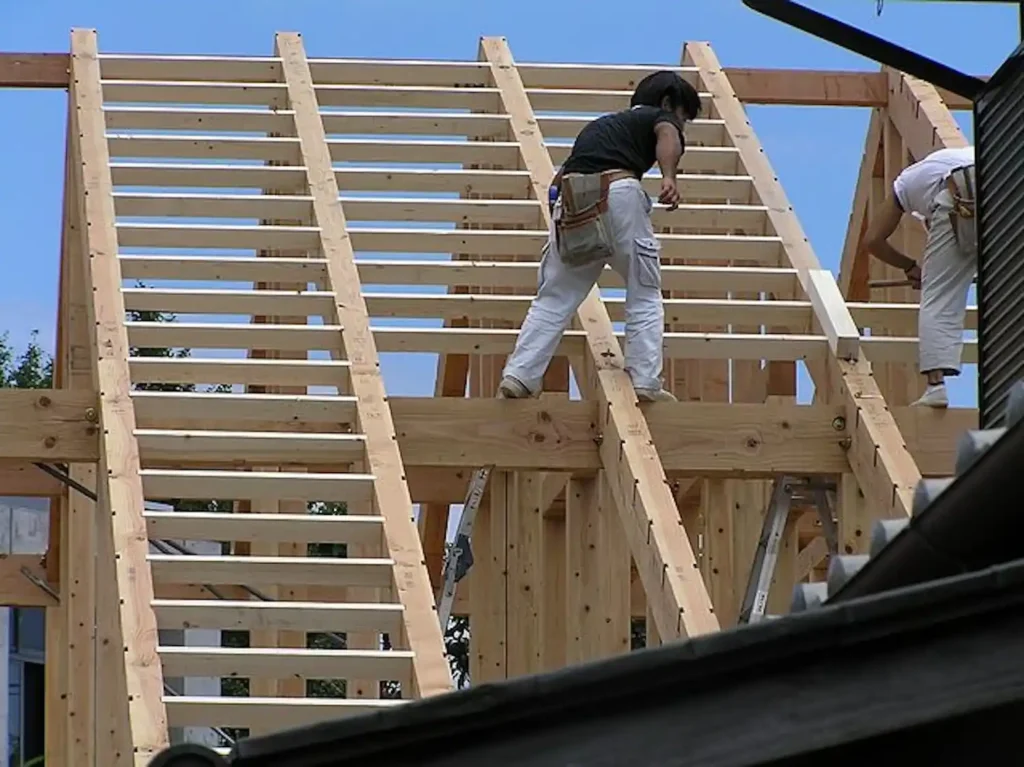
what is sheathing on a roof worker

WHEN TO REPLACE ROOF SHEATHING

When determining whether or not your roof sheathing boards need replacing, look for a few signs in your attic. Other symptoms that might indicate damaged or worn-out roof sheathing include the following.

SAGGING

If the shingles aren’t straight across the house, it’s possible that the roof sheathing boards need replacing. If left too long, the problem may require an entire roof replacement.

ROTTING WOOD

Rotting wood will be discolored, soft, and musty along planks. Mold growing in black streaks on boards from previous leaks in the attic.

HOLES

If you can see the sky inside the attic or crawlspace, it’s time to replace your roof sheathing. You might also hear water running through the walls or ceiling after heavy rain.

WATER DAMAGE

Telltale signs of damaged sheathing boards show as water stains on your ceiling or puddles on your floors.

BROKEN BOARDS

The damaged sheathing is easy to identify since it causes the roof to droop. Look for sawdust or shattered pieces of the roof structure or planks overhead.

CONCLUSION

Roof sheathing is a crucial part of several weatherproofing treatments for your roofing system. Whether you have asphalt shingles or tile, you need to ensure that the roof sheathing is in good condition before it can protect your home from rain and wind damage. If your house’s sheathing is damaged, it needs replacing so that moisture doesn’t seep through into other parts of the house, causing more damage.

How To Measure A Roof (Step By Step Guide)

How To Measure A Roof (Step By Step Guide)

What are the basic steps of measuring a roof? How can you find out the necessary materials for your own DIY project?

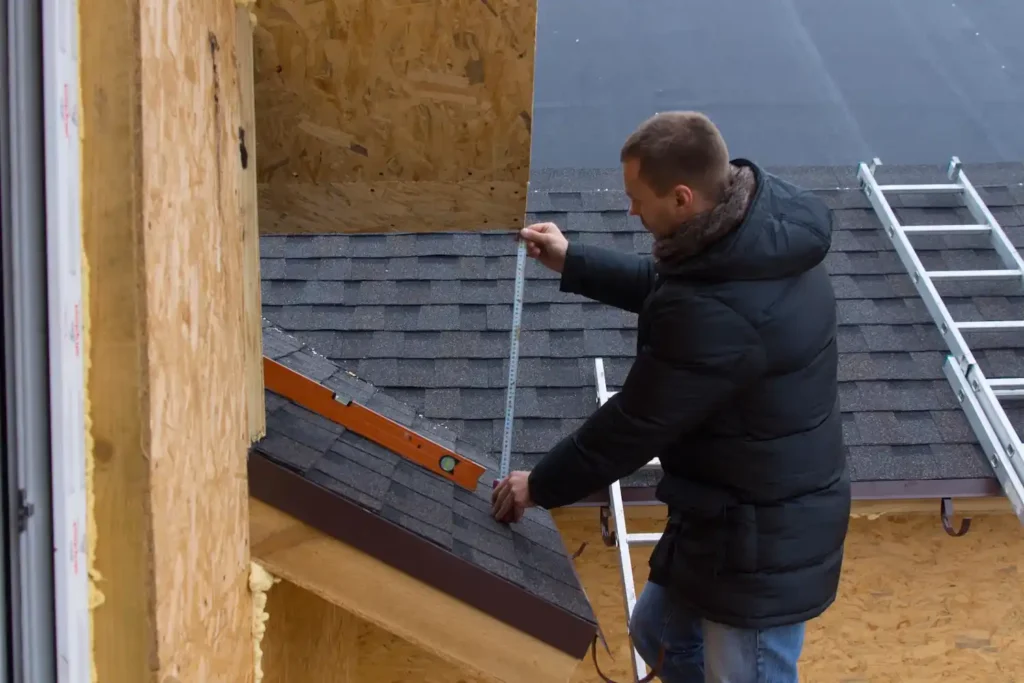
Homeowners can usually get a rough estimate of their house’s roofing squares using a tape measure. This helps owners accurately measure the materials required for roofing projects.

HOW TO MEASURE A ROOF WITHOUT A ROOFING CONTRACTOR

Estimating your roof is key for most homeowners to see the size of repairs needed, shingle information, and DIY projects. Receiving accurate roof measurements is key for any upcoming roofing project.

MEASURE THE ROOF FROM THE GROUND FIRST

The first step of how to measure your info is to take measurements from the ground first using a measuring tape. Measure the length of the walls of your home or commercial building, including the overhang on either side to calculate the total roof area.

MEASURE THE ROOF PITCH

The second step of how to measure your roof is to calculate the pitch of your roof, also known as the steepness or the slope of your roof.

The pitch of your roof is measured out of 12 inches. For example, some roof pitches are considered 7 in 12.

When telling a roofing contractor about the pitch of roofs, you can use the words “roof rise”, “roof’s pitch”, and “roof slope” interchangeably.

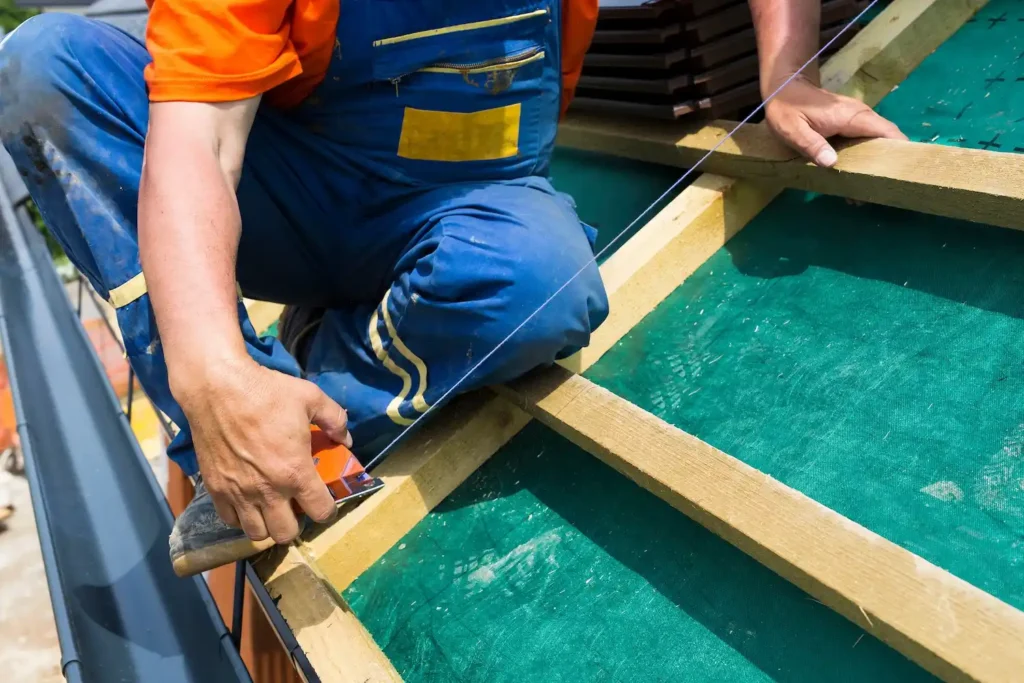
how to measure a roof string

ESTIMATE THE SQUARE FOOTAGE USING THE PITCH

The third step is to use a pitch multiplier to see the roof’s square footage. The pitch can help determine the entire roof area.

Homeowners need to multiply the length by the width of the pitch multiplier to get the square footage.

For example, if your home’s roof is 46 feet x 25 feet, then the total footage of your roof would be 1,150 square feet.

Taking this number into account, use the pitch to see the overall square footage. If the pitch is 7 in 12, the total roofing estimate is 1.158 x 1,150, which is 1,331.7 square feet.

FIGURE OUT THE MATERIAL NEEDS

The next step of estimating a roof area is to figure out how many roofing materials you need for your repair replacement.

This step requires dividing the estimated square footage by 100 to figure out how many squares you need for your new roof.

For example, you can take 1,331.7 / 100 to get 13.317, meaning you need at least 14 squares to complete the DIY project.

Knowing the surface area of one square can help you find out the total footage of your roof for adding new shingles.

DIAGRAM THE ROOF

Next, you need to diagram the roof by getting access to it. Access the roof and then measure each side of the structure.

If you are measuring the flat area of your flat roof, take note of the length and width. If you are measuring a sloped section, measure the individual areas.

TAKE ACCURATE ROOF MEASUREMENTS

The next step is to measure any additional structures on your roof, such as the ridge, valley, edge, or dormers.

DRAW A DIAGRAM

After you have measured the length and width of your roof, diagram the roof and label the roof’s measurements to keep track of your calculations.

DIVIDE THE ROOF

After drawing your diagram on a piece of paper with the measurements, divide the roof into smaller areas.

Separating your roof into geometrical sections can help you simplify the calculations during the last stages of the measurement process.

FIND THE AREA OF THE RECTANGLES

After dividing the roof into simpler sections, you need to find the area of the rectangle by multiplying the length and the width.

Determine the square footage of each rectangular section and record it on your diagram.

FIND THE AREA OF THE TRIANGLES

The next step of finding the measurements of your roof is to determine the area of the triangles. This requires you to use the formula a = ½ (b) x (h), where b = base and h = height.

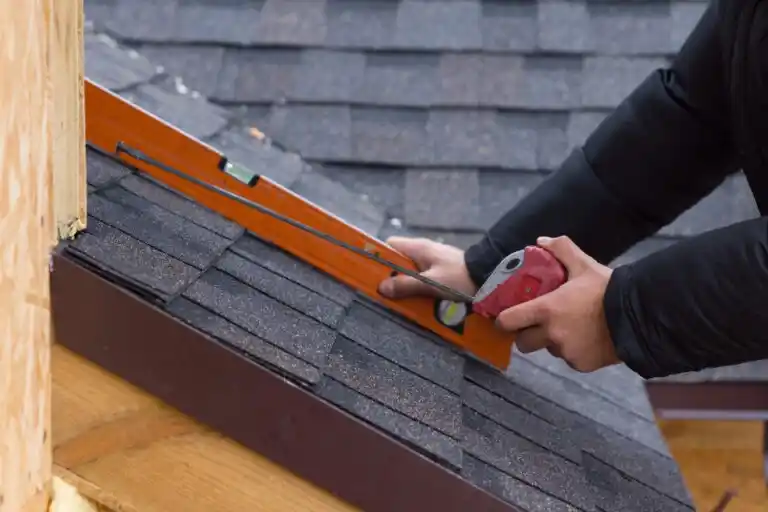
how to measure a roof ruler

ADD UP THE AREA CALCULATIONS

Next, add up the entire area calculation of both the squares and triangles on your roof. The total sum of the squares and triangles on your roof is the overall square footage.

This total number will help you understand the materials required for your project.

DIVIDE SQUARE FOOTAGE BY 100 TO GET THE ROOFING MATERIALS REQUIREMENTS

The last step of seeing how much material you need for your roof is to divide the total square footage by 100 to get the total number of squares for your project.

FINAL THOUGHTS

There are a few things to keep in mind when it comes to calculating the precise measurements of your roof.

Owners need to make sure the materials they purchase will span the entire house, including the ridge vents, drip edge, and other edge.

Learning how to measure your roof is essential to calculating your home’s square footage and providing a local roofing contractor with the necessary information to install a new metal roof.

Although a professional will do the project, calculating your roof ahead of time can give you an idea of how many roofing materials you need to pay for to cover the roof’s square footage.

Choosing the right number of asphalt shingles for your roof pitch and total square feet can help you account for the total area of your home.

So, what are the key takeaways when it comes to roofing?

Firstly, you need to know how to calculate the slope of roofs and the roof pitch when it comes to installing a new roof.

Secondly, Google Earth and satellite imagery can help you measure your roof.

Thirdly, you should start measuring the square footage of your roof from the ground.

Fourthly, taking measurements can help you save money while installing a new roof, since you will only purchase the shingles you need and none will go to waste.

Lastly, learning how to calculate your roofing needs can help you find a qualified professional in the roofing industry.

Overall, every shingle counts when it comes to accurately estimating your house’s square footage!

12 Types Of Roof Shingles Compared (Pros & Cons)

12 Types Of Roof Shingles Compared (Pros & Cons)

It is time to replace your roof, and now you are faced with several questions about your next steps. Consider what type of roof you should get, the design, and the type of roof shingle.

A roof installation is a dynamic process. If not done correctly, it can cost you more money in overtime. Here are 12 roof shingles types to consider for your next roof replacement, the pros and cons, and which would be a better value.

  1. Asphalt 3 Tab shingles
  2. Clay Tiles
  3. Aluminum Shingles
  4. Concrete Tiles
  5. Rubber Roof Shingles
  6. Wood Shingles
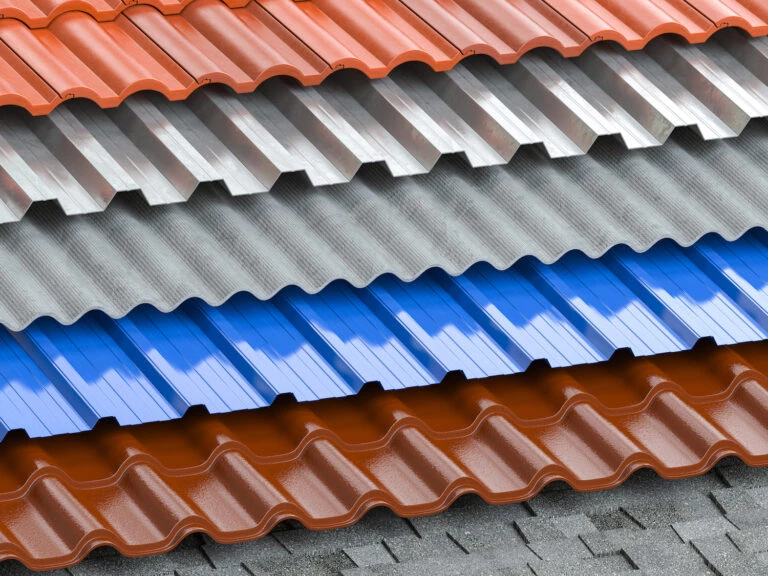
  7. Metal Shingles
  8. Solar Panels
  9. PVC Roofing
  10. Cooper Shingles
  11. Slate Tiles
  12. Standing Seam Metal Roofs

ASPHALT ROOFING SHINGLES

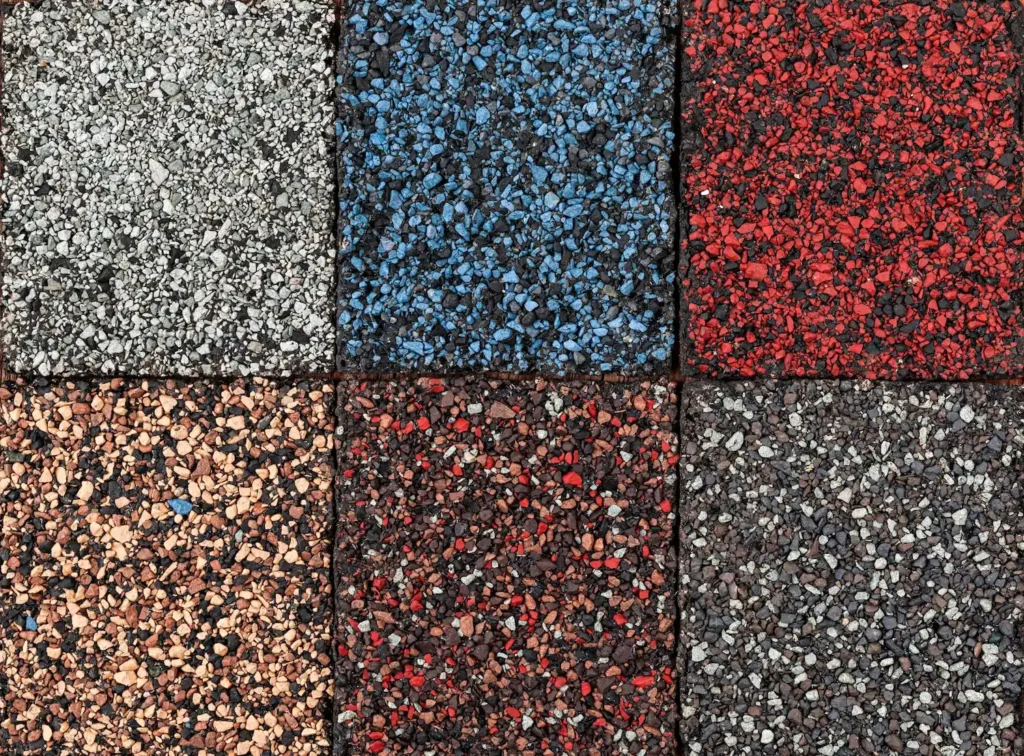
Asphalt Roofing Shingles are a type of roofing shingle made from asphalt with three tabs. These are one of the most common types of roofing shingles on the market. Asphalt shingles are highly affordable.

Asphalt shingle roof is durable and has a lifespan of about 30 years. They are an ideal roof for most climates. However, high winds and hail storms can damage them.

types of roof shingles colors

CLAY TILES

Clay tiles are a type of roofing material made from natural clay. They are usually red or brown and have a textured surface. Clay tiles are popular in many parts of the world, including Europe, Asia, and the Americas.

Clay tiles are more expensive compared to Asphalt shingles. They are low maintenance but have issues with being suitable for all roof structures. They are also hard to install.

ALUMINUM SHINGLES

Aluminum shingles are created using aluminum sheets. They are a popular material for metal roofs. Aluminum shingles are heat resistant. They are costly to install, but their light weight makes their installation a breeze.

Aluminum shingles are durable and fire resistant. The disadvantages of aluminum shingles are that they are more expensive than other types of shingles and are not as effective at insulating a home as other roofing types.

CONCRETE TILES

Concrete tiles are one of the most popular roofing materials in the world. They are made of a mixture of Portland cement, sand, water, and other ingredients like color pigments. Concrete tiles are a cheaper alternative to clay tiles.

Concrete tiles are extremely durable and can last for decades with proper maintenance. They are also fire resistant and can help keep your home cooler in the summer. However, concrete tiles are also very heavy and difficult to install.

RUBBER ROOF SHINGLES

Rubber shingle is a roofing material made from recycled tires and rubber. They look like traditional asphalt shingles and are much more durable and weather resistant.

Rubber shingles are also fire resistant and can help to insulate your home. However, they are more expensive than traditional asphalt shingles and can be difficult to install. They are perfect for flat roofs and roofs with low slopes.

WOOD SHINGLES

Wood shingles roofing is a type of roofing that uses thin, tapered pieces of wood to create a textured and layered look. Wood shingles are roofing materials made from cedar, redwood, or cypress trees. They can last for 20-30 years with proper care and maintenance.

The main benefits of wood shingles roofing are its natural beauty and its ability to protect homes from the elements. However, wood shingles are also susceptible to fire and insect damage, requiring more maintenance than other types of roofing.

METAL SHINGLES

Metal shingles roofing is a type of roofing that uses metal shingles instead of traditional asphalt shingles. Metal shingles are more durable than asphalt shingles. They can also last up to 50 years.

Metal shingles are also more fire-resistant than asphalt shingles. The main disadvantage of metal shingles roofing is the cost. Metal shingles are more expensive than asphalt shingles, but the cost to maintain them is much less.

types of roof shingles metal

SOLAR PANELS

Solar panel roofing uses solar panels to collect and store energy from the sun. Solar panel roofing is becoming increasingly popular to reduce energy costs and help the environment. There are a few different types of solar panel roofing, but the most common is photovoltaic (PV) solar panels.

The benefits of solar panels roofing include a reduced energy bill, helping the environment, and an increase in the value of your home. The cons of solar panels roofing include the initial cost of installation and the need for regular maintenance.

PVC ROOFING

PVC roofing is a type of plastic roofing made from polyvinyl chloride. PVC roofing is available in many colors and is sometimes over existing roofing materials, including asphalt shingles, metal, and tile.

PVC roofs are durable and resistant to fire, wind, and hail. They are also easy to maintain and can last up to 20 years. However, PVC roofs can be expensive to install and repair and may not be suitable for all types of roofs.

COPPER SHINGLES

Copper shingles are roofing tiles made of copper. They are often used on historic buildings and in areas with a lot of rainfall. Copper shingles are very durable and last for many years. However, they are also very expensive.

The biggest benefit of cooper roofing shingles is durability. Copper roofs can last a lifetime without replacement. They are low maintenance and anti-corrosive. They also have natural disinfecting properties.

SLATE TILES

Slate tiles are a type of roofing material made from natural stone. Slate tiles have many benefits, including durability, fire resistance, and a unique appearance. However, slate tiles can be expensive, and they are also heavy and difficult to install. Slate shingles can last up to 50 years.

STANDING SEAM METAL ROOF SHINGLES

Standing seam metal roofing is a type of roofing with seams running vertically up the roof. This type of roofing benefits includes its durability and ability to shed water. The disadvantages of standing seam metal roofing include its high cost and difficulty installing.

The roofing industry has grown, and recent challenges with material supply have made shingle types harder to come by. No matter the shingle type, there are all types of shingles that you can pick, even if your favorite is out of stock.

10 Trusted Roofing Companies In Bowie (Contact Info)

10 Trusted Roofing Companies In Bowie (Contact Info)

Did you know that Maryland has experienced the effects of over 140 hurricanes or tropical storms in the last 70 years? While Bowie, MD, may not be in the direct line of some strong storms, a sturdy roof is still very important. And to get a durable roof that can withstand these hurricane-strength winds, you need a good roofing contractor. This vetted list includes the top roofing companies in Bowie, MD, to help you with your roofing needs.

MARS RESTORATION

For a highly qualified Bowie roofing company, look no further than MARS Roofing. Certified by the industry’s top manufacturers— GAF, Certainteed, and IKO— Mars has solidified itself as one of the top roofing contractors in the area. From customer satisfaction to exceptional service, customers can get the roofing experience they deserve from beginning to end. Not only will you leave extremely happy, but you’ll have a roof built to last.

📍7732 B Old Alexandria Ferry Rd, Clinton, MD 20735

📞 (240) 335-8382

BOWIE SIDING & ROOFING INC.

Since 1971, Bowie Siding & Roofing has provided locals with the roofing and siding service they need at fair pricing and prompt service. This local and family-owned and operated business is a company led by good morals and values and makes customers their top priority. They prove this by standing behind their quality work and offering 15-year workmanship warranties on all projects.

📍13109 14th St Bowie, MD 20715-4503

📞 (301) 262-7855

bowie roofing company roof

SNAP ROOFING SIDING & WINDOWS

You better believe you’ll get your roofing and exterior work done in a snap when you work with SNAP Roofing, Siding, and Windows. If their five-star reviews weren’t enough, then 47 years in business should be enough to sway you into choosing this premium Bowie contractor. SNAP comes highly recommended by your Bowie neighbors— contact them to see for yourself.

📍13422 Yorktown Dr, Bowie, MD 20715

📞 (301) 464-0049

GRB ROOFING

Golden Ratio Roofing does more than just give you a new roof. GRB Roofing can install everything from a few shingles to new siding or new windows— all the while providing customers with great communication and a fantastic job with a wide range of services.

📍2506 Appleton Ln, Bowie, MD 20716

📞 (443) 699-6192

TITANIUM RESTORATIONS

If you have a home project you need to be done ASAP in Bowie, turn to Titanium Restorations. From roofing to siding to exterior remodeling, they’ve got you covered. Boost your curb appeal with this well-rounded and comprehensive team of contractors.

📍4201 Enterprise Rd, Bowie, MD 20720

📞 (301) 383-0651

HOMETOWN EXTERIORS INC.

Hometown Exteriors is the best company to work with if you are looking for top-notch home exterior remodeling services. With products from all different brands, they will make sure that your house looks its very finest without compromising on quality or price! You won’t be able to find another business offering such amazing deals.

📍2142 Priest Bridge Court Suite 3, Crofton, MD 21114

📞 (443) 302-2971

bowie roofing company nailgun

ACE HOME IMPROVEMENTS LLC

If you need roofing services like repairs or a new roof installed but also need new windows, doors, or other exterior services, look no further than Ace Home Improvements. This home improvement contractor has been serving the area with superb results since its inception in 2007— known for offering industry-leading products and providing outstanding customer service.

📍2131 Espey Ct Suite 5, Crofton, MD 21114

📞 (301) 392-9293

CHESAPEAKE ROOFING WINDOWS & SIDING INC.

Chesapeake Roofing Windows & Siding is a local roofing and home improvement company serving communities in and around Bowie, MD. They are a family-owned business and value community, so their customer testimonials are a testament to this and how much pride we put in the quality of our work. Their roofing services, customer service, and attention to detail are unmatched.

📍910 Soaring Eagle Ct, Davidsonville, MD 21035

📞 (866) 607-2851

RELIABLE ROOFERS

Reliable Roofers has a saying— we’ve built a reputation as solid as our roofs. And with a name like Reliable Roofers, how could you not want to work with them? Since 1980, this locally owned roofer has consistently provided fair prices paired with the highest quality of workmanship possible to residents of Bowie, MD, and beyond.

📍1378 Defense Hwy, Gambrills, MD 21054

📞 (240) 456-0200

CUNNINGHAM CONTRACTING INC.

When you are looking for a roofer to help with your home or commercial building, it is important that the company has quality products and offers competitive pricing. You should also hire an honest team who will get the job done quickly without sacrificing integrity— that team might just be Cunningham Contracting. This company offers roof replacement of just about any and all residential and commercial roofing materials, so get in touch if you need comprehensive roofing care for your home or business.

📍1541 Defense Hwy, Gambrills, MD 21054

📞 (410) 721-8757

IF YOU WANT THE BEST, WORK WITH THE BEST— MARS RESTORATION

Don’t stress over choosing a roofing contractor— just go with the easy choice: MARS Roofing. Our five-star roofing solutions provide Bowie, Maryland, homeowners with the longevity they’re looking for. Investing in your roof is a big decision, so let us make it easy.

From our thorough roofing inspections to industry-leading warranties and even insurance claims assistance— you and your roof will be in the best hands. Contact the professional team at MARS Roofing to get started.