

The Mid-Atlantic isn’t gentle on roofs. One season brings humid heat and pounding UV rays, the next delivers ice, wind, snow, and freeze-thaw cycles that work their way into every seam and fastener. For homeowners and building owners alike, the wrong roofing choice can mean constant repairs, rising energy bills, and a roof that ages far faster than it should.
The right modern roofing system does more than keep water out. It protects structural integrity, manages energy efficiency, and reduces long-term maintenance costs. It also adapts to how buildings are actually used today, from residential neighborhoods to mixed-use and light commercial properties. This guide breaks down the systems that work best in the Mid-Atlantic and how to choose one that fits your building, budget, and long-term goals.
Key takeaways you should know before diving in
- Climate matters more than style when choosing a roofing system.
- Modern materials outperform older roofs in durability and efficiency.
- Residential and commercial roofs require different performance priorities.
- Proper installation matters just as much as material selection.
- A knowledgeable local roofer helps avoid costly mistakes.
What makes Mid-Atlantic roofing needs different from other regions?
How does regional weather shape roofing performance?
Mid-Atlantic roofs must handle temperature swings that cause expansion and contraction, heavy rain that tests drainage, and wind events that challenge attachment systems. Humidity can trap moisture in poorly ventilated assemblies, while winter ice dams exploit weak edges and flashing details.
Roofing systems here need flexibility, strong water-shedding design, and ventilation strategies that work year-round. Materials that thrive in dry or mild climates often fail faster when exposed to these conditions.
What defines a modern roofing system today?
How are today’s roofing systems different from older roofs?
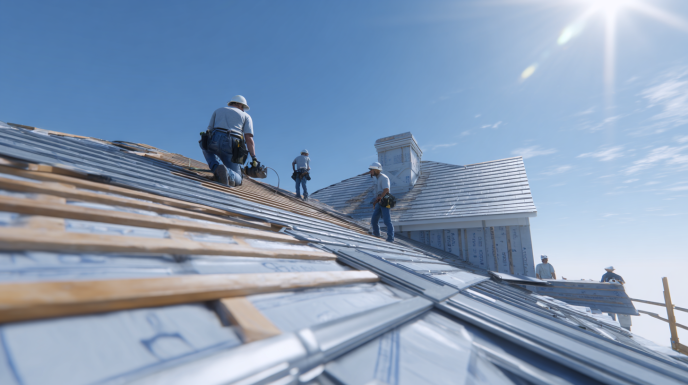
Modern roofing systems are engineered assemblies, not just surface coverings. They combine underlayments, insulation, ventilation, and membranes that work together to manage water, heat, and air movement.
Today’s systems focus on performance and longevity. They reduce heat transfer, resist wind uplift, and allow buildings to breathe without letting moisture sneak in. The result is a roof that does its job quietly, season after season.
Which roofing systems work best for Mid-Atlantic homes?
How do asphalt shingle systems perform in this climate?
Asphalt shingles remain popular for residential homes because they balance cost, durability, and aesthetic flexibility. Modern architectural shingles perform far better than older three-tab options, offering improved wind resistance and thicker profiles.
For Mid-Atlantic homes, proper underlayment and ice protection are critical. When paired with good ventilation, asphalt systems can deliver solid performance without frequent repairs.
Why are metal roofing systems gaining traction with homeowners?
Metal roofs excel in temperature regulation and longevity. They shed snow easily, reflect heat in summer, and resist moisture damage. In the Mid-Atlantic, metal systems are especially effective for homeowners looking to reduce maintenance and energy costs over time.
Standing seam systems perform well in high wind and heavy rain, while metal shingles offer a more traditional look with modern performance benefits.
What makes synthetic and composite roofing a smart option?
Composite roofing materials mimic slate or wood while avoiding their vulnerabilities. They resist moisture absorption, cracking, and insect damage. For homeowners who want durability without the weight or upkeep of natural materials, composites offer a reliable middle ground.
What roofing systems are best suited for commercial and mixed-use buildings?
How do flat and low-slope roofs handle Mid-Atlantic conditions?
Commercial buildings often rely on low-slope roofing systems designed to manage standing water and thermal movement. In the Mid-Atlantic, drainage design and membrane selection are key to preventing leaks and premature failure.
What are the most reliable commercial roofing options?
- TPO roofing systems for energy efficiency and heat reflection
- EPDM rubber roofing for flexibility and weather resistance
- Modified bitumen systems for added durability and layered protection
Each system has strengths depending on building use, foot traffic, and insulation requirements.
How does insulation and ventilation affect roof performance?
Why does what’s under the roof matter just as much?
A high-quality roofing system includes proper insulation and ventilation to regulate temperature and moisture. Poor airflow traps heat and condensation, shortening roof life and raising energy costs.
In residential homes, attic ventilation helps control ice dams and summer heat buildup. In commercial buildings, insulation layers improve energy efficiency and reduce strain on HVAC systems.
How can modern roofing systems improve energy efficiency?
What role does roofing play in lowering energy bills?
Modern roofing materials reflect solar heat, reduce thermal bridging, and stabilize indoor temperatures. Over time, these improvements translate into lower heating and cooling costs.
Energy-efficient roofs also improve comfort. Homes stay cooler in summer and warmer in winter without constant HVAC adjustments.
How long should a modern roofing system last in the Mid-Atlantic?
What lifespan can property owners realistically expect?
Roof lifespan depends on material quality, installation, and maintenance. In general:
- Architectural asphalt shingles last 25 to 30 years
- Metal roofing systems often exceed 40 years
- Commercial membranes range from 20 to 30 years
Regular inspections and timely repairs extend service life and prevent small issues from turning into major problems.
What mistakes do property owners often make when choosing a roof?
Why does focusing only on upfront cost backfire?
Cheaper materials and rushed installations often lead to leaks, premature aging, and repeated repairs. Many property owners also overlook ventilation and drainage, which are critical in the Mid-Atlantic climate.
Working with an experienced local roofer helps avoid these pitfalls by matching the system to the building and environment.
How should homeowners and businesses prepare for a roofing project?
What steps make the process smoother and more successful?
Preparation starts with a professional inspection and honest assessment of needs. Clear communication about budget, timeline, and expectations prevents surprises later.
It also helps to understand how daily routines or business operations may be affected during installation and plan accordingly.
What questions do people usually ask before replacing or upgrading a roof?
Answers you’ll be glad you asked first
How do I know when my roof needs replacement instead of repair?
If repairs are becoming frequent or damage affects large areas, replacement often makes more financial sense long-term.
Will a new roofing system disrupt daily life or business operations?
Most residential projects are completed quickly, while commercial projects are carefully phased to minimize disruption.
Can modern roofing systems increase property value?
Yes. Energy efficiency, durability, and curb appeal all contribute to higher resale value and buyer confidence.
How often should roofs be inspected in this region?
Annual inspections and post-storm checks help catch issues early and extend roof life.
How do modern roofing systems protect your investment long-term?
Why a proactive approach pays off
A well-chosen roofing system reduces maintenance costs, improves energy performance, and protects interior spaces from moisture damage. Over time, these benefits far outweigh the initial investment.
Roofs built for Mid-Atlantic conditions provide peace of mind through every season, from summer storms to winter freezes.
Where does everything come together when it’s time to act?
Your next step toward a smarter roofing decision
Modern roofing systems work best when design, materials, and installation are handled by professionals who understand local conditions. If you’re planning a roof replacement, upgrade, or inspection, working with a trusted regional expert makes all the difference.
Contact Mars Roofing in Maryland to get clear guidance, honest recommendations, and expert roofing services built for Mid-Atlantic homes and commercial buildings. A better roof starts with the right conversation.