


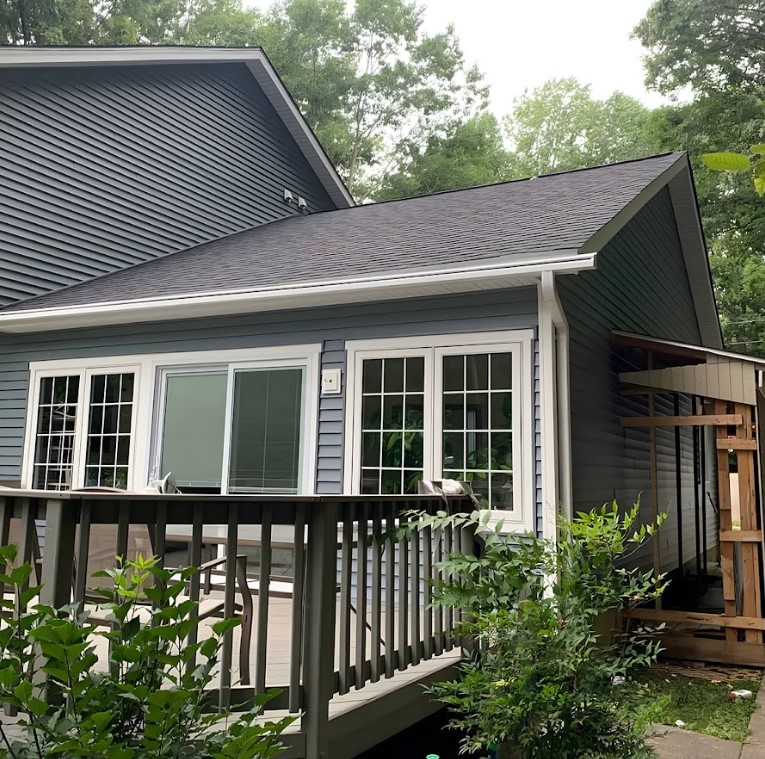
Most homeowners think of their roof, siding, and gutters as three separate projects — three separate headaches, three separate bills. But here’s the truth that experienced contractors know well: these systems are not independent. They are one coordinated defense, working together every single day to keep your home dry, structurally sound, and worth what you paid for it. When one part breaks down, the other two feel the stress. And before long, a small problem in one place becomes a very expensive problem everywhere.
If you live in Maryland or Northern Virginia, you already know what these systems are up against. Hot, humid summers. Ice and freezing rain in the winter. Spring storms that seem to come out of nowhere. Your home’s exterior takes a beating — and it needs every part of its defense working in sync.
Key Takeaways
- Your roof, siding, and gutters are one integrated system — not three separate projects.
- A failure in any one component puts extra strain on the other two.
- Regular inspections catch small issues before they become major water damage events.
- Maryland and Northern Virginia’s climate makes system-wide maintenance especially critical.
- MARS Roofing handles all three systems, so nothing falls through the cracks — literally.
What Does It Mean for These Three Systems to Actually Work Together?
Think of it as a relay race, not a solo act
When rain hits your home, it starts at the roof. Shingles and underlayment shed water down the slope toward the edges. From there, the gutters catch it and channel it safely away from your foundation. And the whole time, your siding acts as a vertical barrier — keeping wind-driven rain from sneaking in around windows, corners, and wall seams.
Each system hands the problem to the next. If the roof has missing shingles, water doesn’t make it to the gutters — it soaks straight into the decking instead. If the gutters are clogged, water overflows and runs down the siding, pooling against the foundation. If the siding is cracked or improperly sealed, moisture works its way behind it and starts rotting the structure underneath — regardless of how good the roof and gutters are.
The relay breaks down when one runner drops the baton. And in your home, dropped batons mean water damage, mold, and repair bills that can easily climb into the tens of thousands.
How Does Your Roof Set the Stage for Everything Else?
The roof is where your home’s defense either starts strong or starts to unravel
Your roof does more than keep rain off your head. It controls how water moves across your entire exterior. A properly installed roof with adequate slope, flashing, and ventilation moves water efficiently — off the shingles, into the gutters, and away from your home. According to the National Roofing Contractors Association, roofs should be inspected at least twice a year to catch small issues before they escalate. In the mid-Atlantic region, freeze-thaw cycles alone can turn a minor soft spot into a full-blown leak within a single season.
When your roof is compromised — from storm damage, aging shingles, failed flashing, or poor attic ventilation — the downstream effects are immediate. Water backs up under shingles and presses into the walls. Ice dams form at the eaves in winter and push moisture directly behind your siding. Your gutters can’t do their job because they’re receiving water from places they were never designed to handle.
The residential roofing services at MARS Roofing are built around this big-picture thinking. When the team inspects a roof, they’re not just looking at shingles — they’re looking at how the entire exterior system is functioning, because one weak point changes everything downstream.
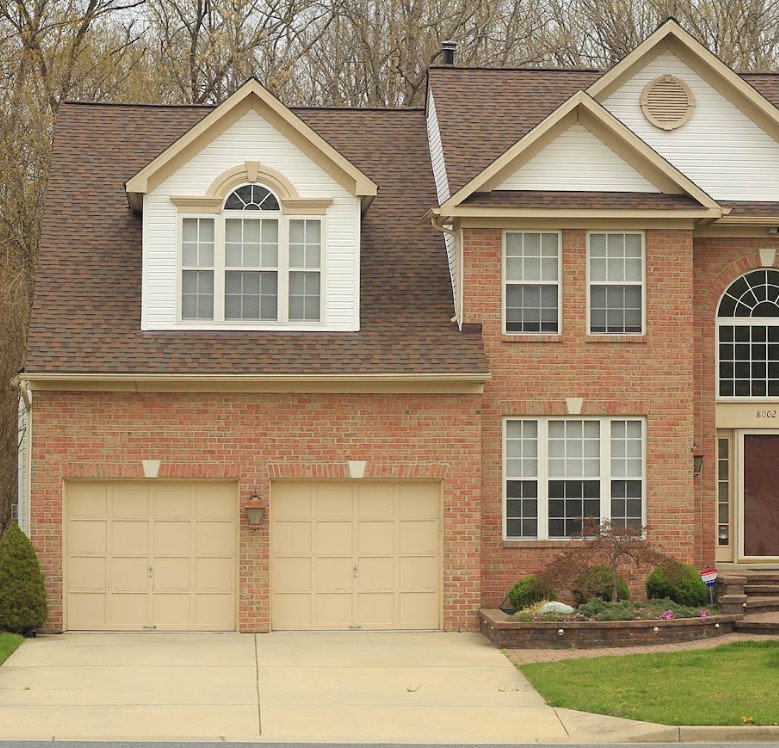
What Role Does Siding Play in Keeping Water Out?
Siding is your home’s vertical shield — and it works harder than most people realize
People tend to think of siding as cosmetic. And yes, a fresh installation looks great. But its primary job is to act as a water-resistant barrier across every vertical surface of your home. It keeps wind-driven rain from penetrating the wall assembly, protects the insulation underneath, and plays a direct role in your home’s energy efficiency.
When siding fails — when it cracks, warps, pulls away from trim, or loses its caulk — several things happen at once. Water infiltrates the wall cavity. Insulation gets saturated and loses its effectiveness. Wood framing begins to rot. Mold starts growing in places you’ll never see until the damage is severe. And because this happens gradually and quietly, many homeowners don’t discover it until they’re staring at a major repair bill.
Watch for these warning signs that your siding may be failing:
- Bubbling, warping, or cupping on the surface of panels
- Visible gaps where panels meet at corners or around windows
- Paint peeling from the inside out — a sign of moisture trapped behind the siding
- Soft or spongy spots when you press against the wall, indicating rotted sheathing underneath
- Higher-than-normal heating and cooling bills with no other obvious cause
- Mold or mildew streaks running down from the roofline
The siding services offered by MARS Roofing address both the cosmetic and structural sides of the problem, making sure new installations are properly flashed, sealed, and integrated with the roof system above. That’s what keeps homes in Maryland and Northern Virginia genuinely protected — not just painted over.
Why Do Gutters Matter So Much — Aren’t They Just Channels for Water?
Gutters protect your foundation, your siding, and your roof all at once
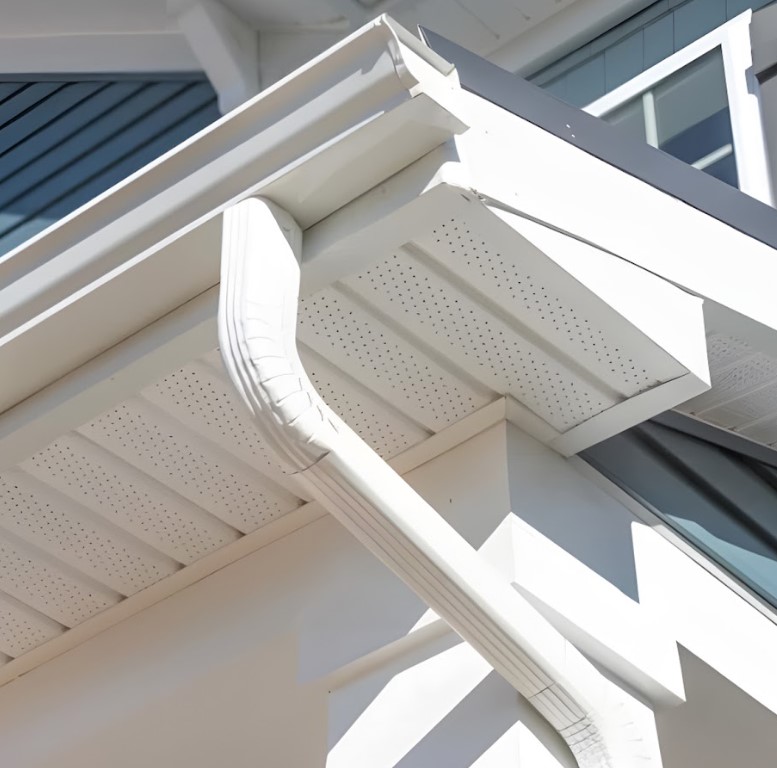
Yes, gutters channel water. But where they send it is what matters. A properly functioning gutter system collects water at the roofline and directs it away from your home’s foundation through downspouts. When that system works, you never think about it. When it doesn’t — when gutters are clogged, sagging, or improperly pitched — the consequences ripple through every other part of your exterior.
Overflowing gutters dump water directly against your siding and down toward your foundation, which over time leads to basement flooding, foundation cracks, and serious siding damage. Clogged gutters are also a leading cause of ice dams in winter, because water that can’t flow freely freezes at the eaves and backs up under the shingles. The EPA’s guidance on moisture control is clear: managing water at the roofline and foundation is one of the most effective ways to prevent mold and structural degradation inside your home.
Proper gutter installation from MARS Roofing means sizing gutters correctly for your roof’s pitch and square footage, ensuring the right slope toward downspouts, and positioning those downspouts to discharge well away from the foundation. It’s detail-driven work — and when it’s done right, it protects everything above it and below it.
What Happens When One System Fails — Does It Really Affect the Others?
Yes, and faster than you’d expect
Here’s a scenario that plays out constantly in Maryland and Northern Virginia. A homeowner notices their gutters are sagging and figures they’ll deal with it next spring. In the meantime, water overflows all winter. By spring, there’s rot in the fascia boards that hold the gutters — which also means the lower edge of the roof is now compromised. Water has been running down the siding, getting behind the lower panels. What started as a gutter issue has become a roofing, siding, and carpentry problem. The repair bill has grown to three or four times what the original gutter fix would have cost.
This isn’t a scare tactic. It’s just how moisture works. It finds every weakness and exploits it. The only way to stay ahead of it is to treat your home’s exterior as the system it actually is — and to address problems early, before they cascade into something much bigger.
That’s exactly why MARS Roofing offers a comprehensive 20-point exterior inspection that covers all three systems together. You can learn more about who they are and how they work on the MARS Roofing About page.
Straight Answers: Questions Homeowners Actually Ask
How often should I have my roof, siding, and gutters inspected?
At least once a year — ideally in the fall before winter weather arrives. After any significant storm, a quick visual check is a smart habit. MARS Roofing offers free exterior inspections that cover all three systems at once, which is the most efficient way to catch anything you might miss on your own.
Can I replace my gutters without touching the roof or siding?
Sometimes, yes. But a good contractor will always check the fascia and soffit behind the gutters during any gutter replacement, because rot in those areas is very common. Installing new gutters on compromised fascia is a temporary fix at best.
How do I know if my siding damage is cosmetic or structural?
Cosmetic damage stays at the surface — a scratch, a small dent, faded color. Structural damage involves moisture getting behind the panels. If you see soft spots, warping, mold streaking, or paint peeling from the wall outward, you likely have moisture behind the siding. That calls for a professional assessment.
What’s the most common mistake homeowners make with their exteriors?
Waiting. Problems with roofing, siding, and gutters almost always start small. A missing shingle, a loose gutter spike, a hairline crack in the caulk around a window — these are cheap fixes when caught early. They become expensive repairs when ignored for one or two more seasons.
Does MARS Roofing handle storm damage?
Yes. Their storm damage repair services cover roof, siding, and gutter damage, and their team can help document the damage for your insurance claim. They’re available 24/7 for emergency situations.
Ready to Protect Your Whole Home? Here’s Where to Start
Your roof handles what falls from the sky. Your siding handles what blows in sideways. Your gutters handle everything that’s left. When all three are working together, your home is as protected as it can be. When one of them is lagging, the whole system is only as strong as that weakest link.
The good news is you don’t have to figure it all out on your own. The team at MARS Roofing has been serving homeowners across Maryland and Northern Virginia since 2014, and they specialize in exactly this kind of whole-home exterior thinking. With a free 20-point inspection, lifetime warranties, and financing options available, there’s no reason to put it off another season.
If you’re in Maryland or Northern Virginia and you want to know where your home’s exterior actually stands, reach out to MARS Roofing today. A free inspection takes an hour. The peace of mind it gives you lasts all year.