Flat roofs are everywhere across Maryland and Virginia. From commercial buildings and apartment complexes to townhomes and mixed-use properties, they’ve become a defining feature of the region’s built environment. But while flat roofs are practical, affordable, and efficient, they also come with unique maintenance needs that can’t be ignored.
If you own or manage a building with a flat roof, understanding why they’re so common and how to care for them properly can save you serious money, stress, and downtime. This guide breaks it all down in plain language, with real-world advice you can actually use.
Key takeaways to keep in mind as you read
Flat roofs suit Mid-Atlantic architecture, zoning, and building density
Weather in Maryland and Virginia puts extra stress on flat roof systems
Standing water is the biggest long-term threat to flat roofs
Routine maintenance prevents leaks, mold, and premature replacement
Working with a local flat roofing expert makes all the difference
Why are flat roofs so common in Maryland and Virginia?
What makes flat roofs practical for this region?
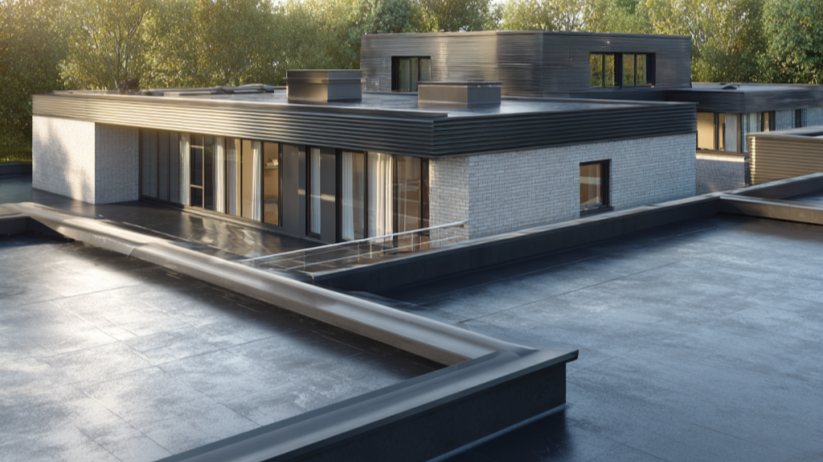
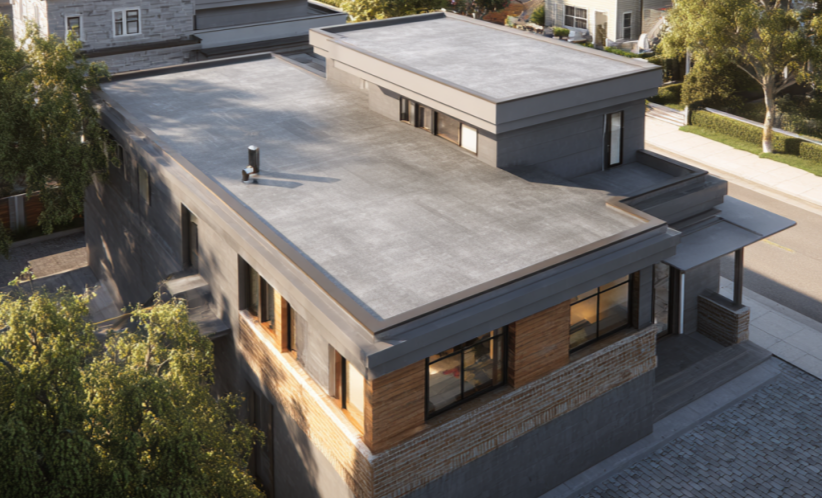
Flat roofs took off in Maryland and Virginia for a few simple reasons. They’re efficient to build, easier to design around tight urban spaces, and well-suited for commercial and multi-family properties. In dense areas like Baltimore, Northern Virginia, and suburban commercial corridors, flat roofs allow for maximum usable interior space without complicated rooflines.
They also make sense from a planning perspective. Flat roofs allow for HVAC units, solar panels, and drainage systems to stay out of sight while keeping building profiles clean and consistent with zoning requirements.
How do climate and weather influence flat roof popularity?
Why do flat roofs still work despite Mid-Atlantic weather?
Maryland and Virginia see it all. Heavy rain, humidity, snow, ice, and wide temperature swings. Flat roofs can handle these conditions when they’re designed and maintained correctly.
Modern flat roofing systems are engineered to manage water, resist UV exposure, and flex with temperature changes. The problem isn’t the roof style. It’s neglect, poor drainage, or outdated materials that cause most failures.
What types of flat roofing systems are most common locally?
Which materials are used on flat roofs in this area?
Most flat roofs in Maryland and Virginia fall into a few proven categories, each with strengths depending on building use and budget.
Common flat roofing systems include
TPO roofing systems known for energy efficiency
EPDM rubber roofing valued for flexibility and durability
Modified bitumen systems offering layered protection
Each of these systems performs well in the Mid-Atlantic when installed correctly and maintained consistently.
What is the biggest problem flat roofs face over time?
Why is standing water such a serious issue?
Water is the number one enemy of flat roofs. Even though they’re called flat, these roofs rely on subtle slopes and drains to move water away. When drains clog or low spots develop, water pools.
Over time, standing water breaks down roofing membranes, seeps into seams, and finds its way inside. Left unchecked, it can lead to leaks, mold growth, insulation damage, and structural issues.
How often should flat roofs be inspected in Maryland and Virginia?
What inspection schedule actually works?
Flat roofs should be inspected at least twice a year, ideally in spring and fall. Inspections are also critical after major storms, heavy snow, or prolonged rainfall.
Routine inspections catch small issues like cracked seams, clogged drains, or punctures before they turn into full-scale leaks. In a region with unpredictable weather, skipping inspections is one of the fastest ways to shorten roof life.
What maintenance tasks keep flat roofs in good shape?
Which simple steps make the biggest difference?
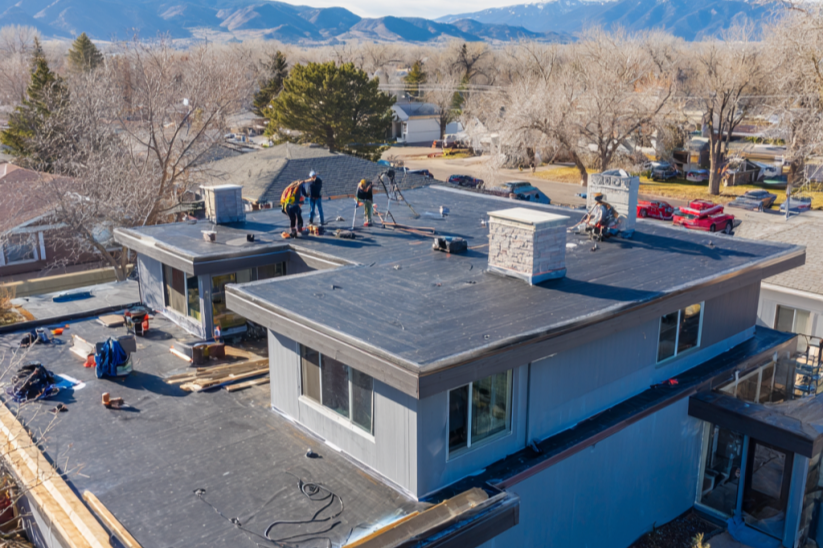
Flat roof maintenance doesn’t have to be complicated, but it does need to be consistent. Property owners who stay ahead of small issues almost always avoid costly repairs later.
Key maintenance tasks include
Clearing drains and scuppers of debris
Checking seams, flashing, and penetrations
Removing standing water after heavy rain
Watching for membrane cracks or bubbles
Keeping roof surfaces clean and unobstructed
These steps protect the roof’s ability to shed water and resist weather damage year-round.
How does seasonal weather affect flat roof maintenance?
What should owners watch for throughout the year?
Each season brings different risks. Summer heat can cause membranes to expand, while winter freeze-thaw cycles stress seams and flashing. Fall leaves clog drains. Spring rain tests drainage systems.
Staying proactive with seasonal maintenance keeps flat roofs stable through constant environmental changes and prevents sudden failures during extreme weather events.
How long should a flat roof last in this region?
What lifespan is realistic for flat roofing systems?
When properly installed and maintained, flat roofs in Maryland and Virginia can last 20 to 30 years depending on the material. The biggest factor is not age, but care.
Roofs that receive regular inspections and prompt repairs often outperform neglected roofs by a decade or more. Maintenance directly extends lifespan and reduces total ownership costs.
What mistakes do property owners commonly make with flat roofs?
Why do flat roofs get a bad reputation?
Flat roofs don’t fail because they’re flat. They fail because they’re ignored. Many owners assume no visible leaks means no problems. Unfortunately, water damage often develops quietly beneath the surface.
Other common mistakes include delaying repairs, using inexperienced contractors, and skipping drainage improvements. These shortcuts almost always lead to bigger problems later.
How can flat roofs improve energy efficiency?
What role does flat roofing play in comfort and cost control?
Modern flat roofing materials reflect heat and support insulation systems that stabilize indoor temperatures. This reduces strain on HVAC systems and lowers energy bills throughout the year.
In commercial buildings, these energy gains add up quickly, improving comfort for occupants while controlling operational costs.
What questions do property owners usually ask about flat roofs?
Straight answers before problems start
How do I know if my flat roof is leaking?
Signs include water stains, bubbling paint, musty odors, or unexplained moisture. Professional inspections catch leaks long before interior damage appears.
Can flat roofs handle snow in Maryland and Virginia?
Yes, when drainage is clear and the structure is sound. Snow becomes a problem only when meltwater can’t escape.
Is flat roof replacement always necessary after a leak?
Not always. Many leaks can be repaired if caught early, which is why routine inspections matter.
Are flat roofs only for commercial buildings?
No. Many townhomes, residential additions, and modern homes use flat roofs successfully across the region.
How does proper maintenance protect your investment long-term?
Why proactive care always pays off
Flat roofs reward owners who pay attention. A well-maintained roof protects interiors, supports energy efficiency, and avoids sudden disruptions. Over time, maintenance costs far less than emergency repairs or early replacement.
In Maryland and Virginia’s demanding climate, a proactive approach isn’t optional. It’s essential.
Where do you go when flat roof care really matters?
The smart next step for long-lasting flat roofs
Flat roofs are everywhere in Maryland and Virginia for good reason. They work. But they only perform their best when maintained by professionals who understand local conditions, materials, and building requirements.
If your flat roof needs inspection, maintenance, or repair, reach out to Mars Roofing in Maryland. Their team brings hands-on experience, practical solutions, and the kind of workmanship that keeps flat roofs performing season after season.
As the year winds down in Virginia, most homeowners are thinking about holidays, heating bills, and maybe whether the winter will be mild or mean. What often gets overlooked is the roof—the one part of your home that quietly absorbs everything the year throws at it.
From spring downpours and summer heat to falling leaves and early winter freezes, Virginia roofs take a beating. A year-end roof inspection isn’t about finding problems for the sake of it. It’s about catching small issues before they turn into expensive emergencies when the weather is at its worst.
The good news? You don’t need to be a roofing expert to know what to look for—or when to call one.
Key Takeaways Before You Grab the Ladder
Year-end inspections help prevent winter leaks and surprise repairs
Most roofing issues start small and grow quietly
Virginia’s climate creates unique stress on roofing systems
A checklist keeps inspections simple and effective
Professional inspections often save money long-term
Why Is a Year-End Roof Inspection So Important for Virginia Homes?
Virginia sits in a sweet spot for weather—and a tough spot for roofs. Hot, humid summers can loosen materials. Sudden storms can lift shingles. Fall leaves trap moisture. Then winter arrives with freezing temperatures that exploit every weakness.
A year-end inspection gives you a chance to:
Address damage before snow and ice arrive
Prevent leaks during winter storms
Extend the life of your roof
Skipping this step often means discovering problems at the worst possible time—when repairs are harder and more expensive.
What Should You Look for on Shingles and Roofing Materials?
Surface damage is often the first visible warning sign
Start with a visual inspection from the ground or a stable ladder. You’re looking for anything that seems out of place.
Common red flags include:
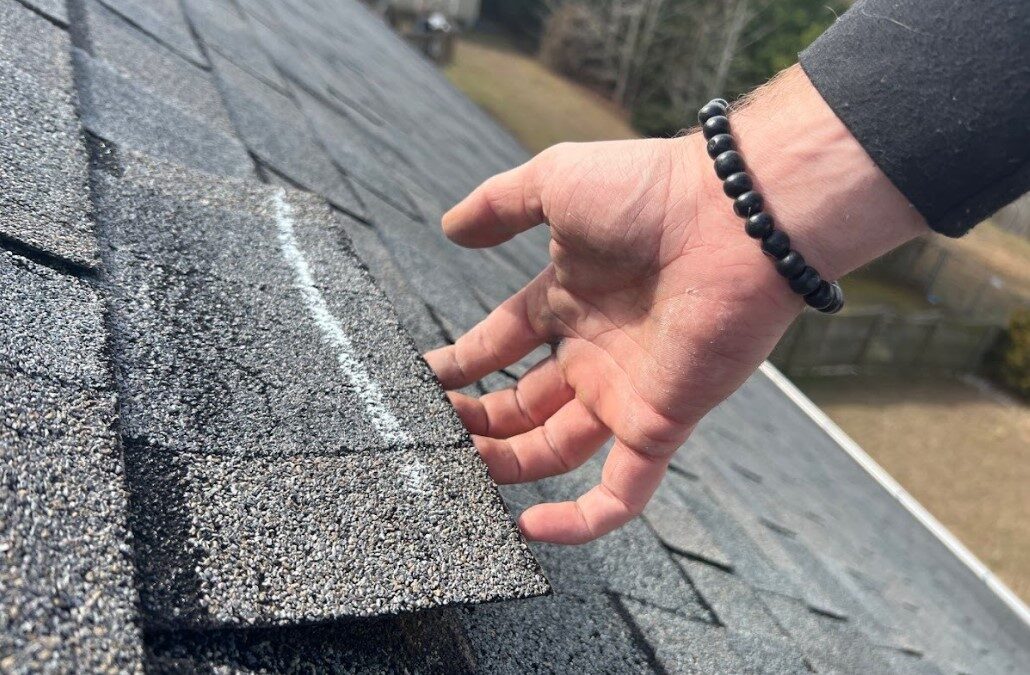
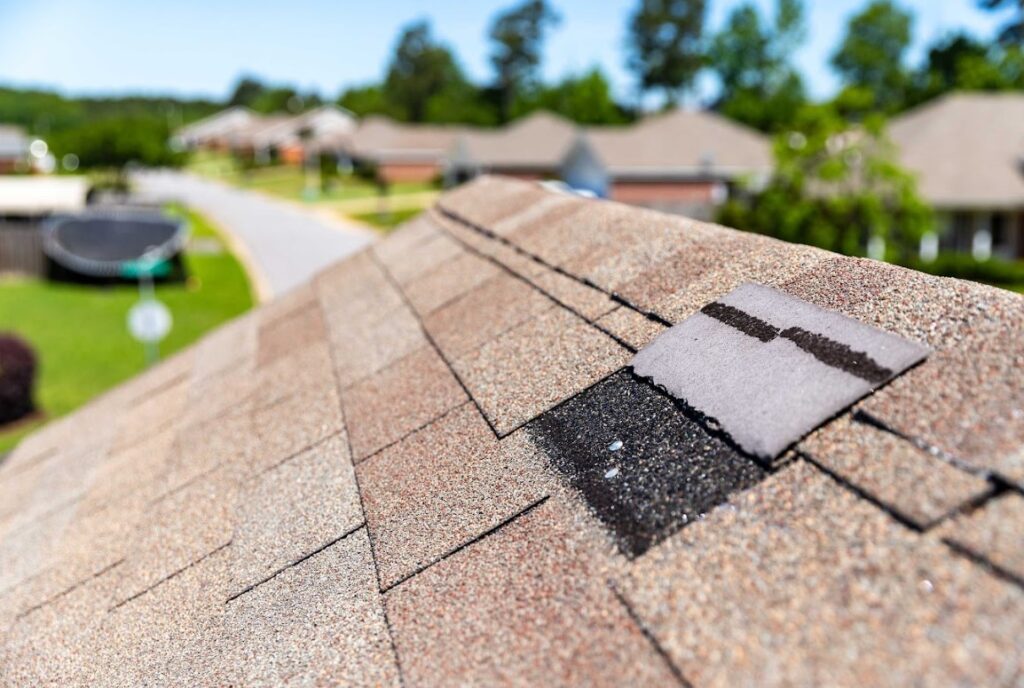
Missing, cracked, or curling shingles
Bald spots where granules have worn away
Discoloration or dark streaks
Shingles that appear lifted or uneven
In Virginia, strong winds and summer heat cycles are frequent culprits. Even small shingle issues can allow water intrusion once winter weather sets in.
How Do Roof Flashing and Seals Protect Against Winter Leaks?
Flashing failures are one of the most common leak sources
Flashing is the metal material installed around chimneys, vents, skylights, and roof valleys. Its job is to direct water away from vulnerable joints.
Check for:
Rust or corrosion
Cracked sealant
Loose or lifting metal edges
As temperatures drop, old sealants shrink and crack. This is one of the biggest reasons winter leaks appear even when shingles look fine.
Why Should Gutters and Downspouts Be Part of Your Roof Inspection?
Proper drainage prevents water backup and ice damage
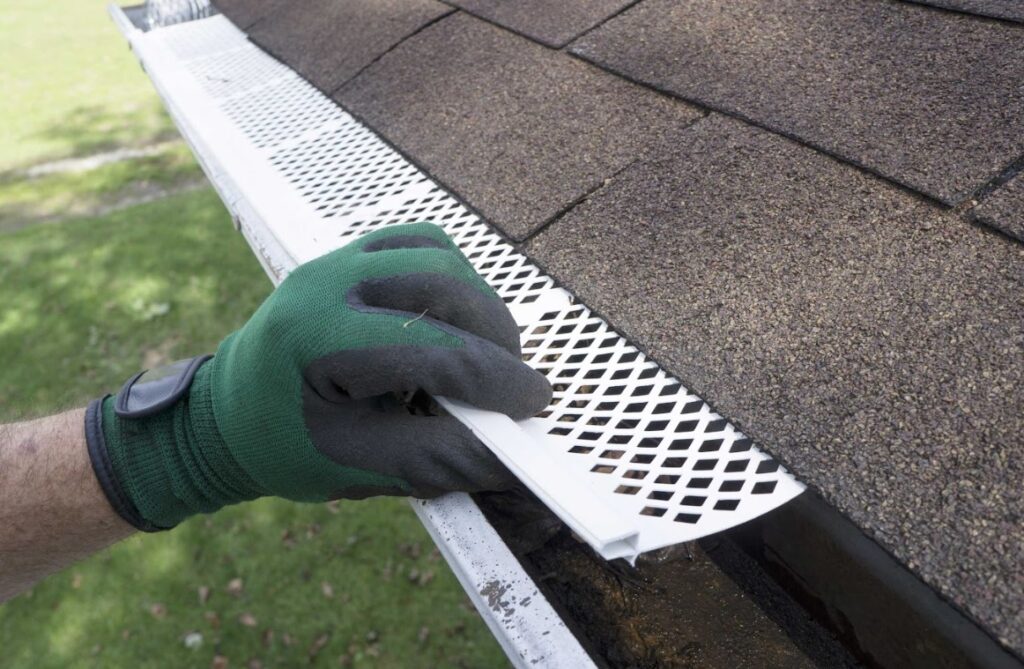
Gutters don’t just protect your siding—they protect your roof. Clogged or sagging gutters trap water along the roof edge, increasing the risk of ice dams and rot.
Before winter:
Remove leaves, pine needles, and debris
Check for loose fasteners
Make sure downspouts direct water away from the foundation
This simple step reduces stress on your roof during freeze-thaw cycles common in Virginia winters.
What Can Your Attic Tell You About Roof Health?
Many roof problems start from the inside out
A quick attic check can reveal issues you won’t see from outside. Bring a flashlight and look for:
Water stains or damp wood
Mold or mildew smells
Daylight coming through the roof deck
Uneven insulation
Poor ventilation and insulation allow heat and moisture to build up, increasing the risk of winter condensation and ice dams.
Which Areas of the Roof Are Most Vulnerable to Damage?
Certain spots fail first, year after year
Some roof areas naturally take more abuse than others. Pay close attention to:
Valleys where two roof slopes meet
Chimneys and vent pipes
Skylights and dormers
Roof edges and eaves
These areas experience more water flow and temperature changes, making them prime candidates for leaks.
What Year-End Roof Maintenance Tasks Can Homeowners Handle Themselves?
A few simple actions go a long way
You don’t need to climb all over your roof to make a difference. These homeowner-friendly tasks help reduce winter risk:
Trim overhanging branches to prevent storm damage
Secure loose flashing or trim if safely accessible
Replace missing shingles spotted during inspection
Schedule professional repairs for anything questionable
Knowing your limits matters. If something feels unsafe, it probably is.
When Is It Time to Call a Professional Roofer?
Experience matters when conditions get tougher
Some issues aren’t obvious until a trained eye spots them. Professional inspections often uncover:
Early-stage leaks
Hidden structural issues
Ventilation problems
Insurance-related damage
For Virginia homeowners, a professional inspection before winter often costs far less than emergency repairs after a storm.
What Happens If You Skip a Year-End Roof Inspection?
Problems don’t wait for convenient timing
Skipping inspections doesn’t mean your roof is fine—it just means problems stay hidden longer. Common consequences include:
Interior water damage
Mold growth
Higher heating bills
Shortened roof lifespan
Most homeowners who wish they’d inspected sooner say the same thing: “I didn’t know until it was too late.”
Answers from the Roofline: What Homeowners Ask Most
Clear, honest answers to common concerns
Do I need a roof inspection every year? Yes. Annual inspections catch wear before it turns into damage.
Is winter the worst time for roof repairs? Often, yes. Cold weather limits materials and increases costs.
Can a newer roof still have issues? Absolutely. Installation quality matters as much as age.
Do inspections help with insurance claims? They can. Documentation strengthens claims after storms.
Wrapping Up the Year the Right Way
A strong roof makes for a stronger home
A year-end roof inspection isn’t about adding one more task to your list—it’s about peace of mind. Knowing your roof is ready for winter lets you focus on what matters, without worrying about leaks, stains, or surprise repairs.
If you’re unsure what you’re seeing—or want a professional set of eyes on your roof—MARS Restoration is here to help. Serving homeowners across Maryland and Northern Virginia, our experienced team knows how regional weather affects roofs and how to protect them before problems start.
Reach out to MARS Restoration today and head into the new year confident your roof is ready for whatever Virginia weather brings.
Virginia’s weather isn’t known for subtlety. From humid summers along the coast to icy winter mornings in the mountains and sudden storms almost anywhere in between, your home’s siding works overtime. Choosing the right material isn’t just about looks—it’s about long-term protection, energy savings, and keeping maintenance headaches to a minimum. The right siding shields your home from moisture, wind, sun exposure, and temperature swings while still giving your property the curb appeal it deserves.
Before you make a decision that affects your home for the next 20–40 years, it helps to understand what performs best in Virginia’s ever-changing climate.
Key Takeaways
• Virginia’s climate demands siding that can handle humidity, heat, storms, and winter freezes • Durability, maintenance needs, and energy performance matter just as much as style • Fiber cement, vinyl, and engineered wood tend to be top choices for Virginia homes • Professional installation is essential for maximizing longevity and weather resistance
Understanding Virginia’s Climate
Virginia sits in a weather crossroads. Coastal regions like Norfolk, Virginia Beach, and Hampton endure high humidity, salty air, and hurricane-season storms. Central areas see humid heat and strong thunderstorms. The western part of the state deals with mountain winds and freeze-thaw cycles.
All of this means your siding must stand up to: • Moisture exposure • Warping from heat • UV fading • Mold and mildew • High winds • Temperature swings that cause materials to expand and contract
Your choice of siding becomes a frontline defense, so durability and stability matter just as much as style.
Vinyl Siding: Affordable, Reliable, and Surprisingly Tough
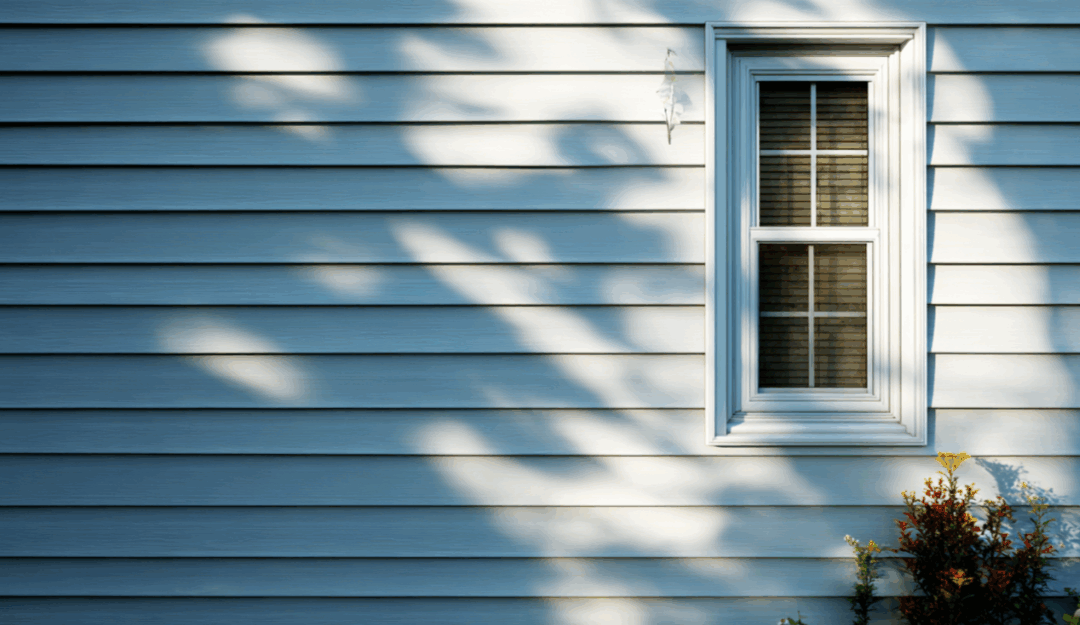
Vinyl siding is one of Virginia’s most common choices—and for good reason. It’s budget-friendly, low maintenance, and now available in styles that mimic wood, stone, or shake.
Why Virginia Homeowners Like It
• Resists moisture, rot, and insects • Easy to clean • Color is baked in, so no painting required • Withstands heat and humidity without warping (when properly installed) • Wide range of colors and profiles
One thing to keep in mind: cheaper vinyl can crack in extreme cold or fade faster in direct sunlight. If you go this route, choose a higher-grade option that’s designed for tough climates.
Fiber Cement Siding: The Heavyweight Protector
If vinyl is the standard workhorse, fiber cement is the seasoned pro built for long battles. Made from cement, sand, and cellulose fibers, this material stands up to Virginia weather with very little fuss.
What Makes Fiber Cement a Great Fit
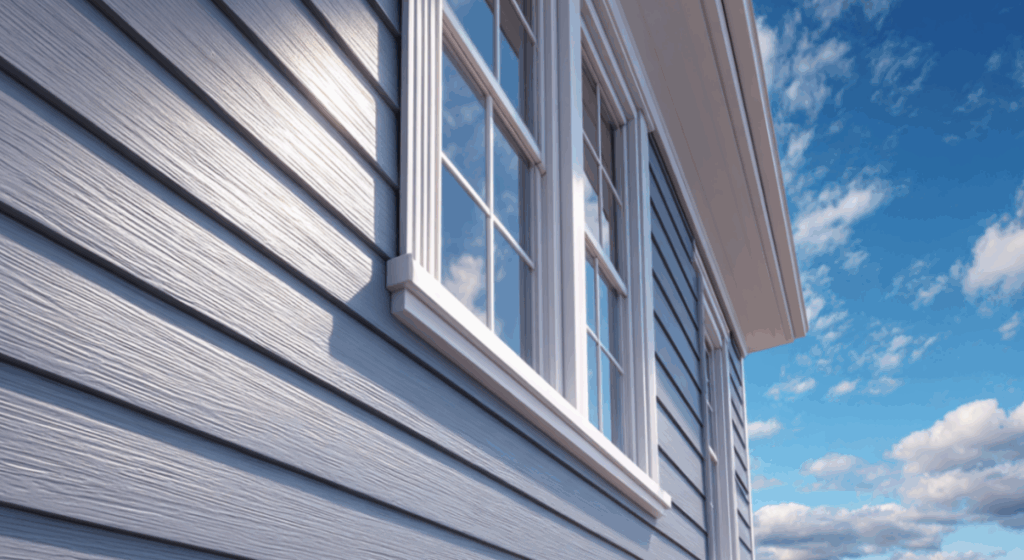
• Excellent fire, moisture, and pest resistance • Handles coastal humidity without swelling • Resistant to UV fading • Won’t warp or crack during freeze-thaw cycles • Available in wood-grain textures that look almost real
Fiber cement does require painting every 10–15 years, but its durability often outweighs the extra upkeep. It’s also heavier than other materials, making professional installation essential.
Engineered Wood Siding: Warm Style With Built-In Strength
For homeowners who love the charm of wood but not the maintenance, engineered wood is a strong contender. It’s made from real wood fibers combined with resins and waxes, giving you the beauty of wood without many of its weaknesses.
Why Virginia Homeowners Consider Engineered Wood
• Looks like real wood siding • Resists termites and fungal decay • Performs well in humidity • Lighter than fiber cement and easier to install • Can handle storm winds with the right fastening system
Keep in mind that engineered wood does require periodic repainting and may need closer long-term maintenance compared to vinyl or fiber cement.
Traditional Wood Siding: Beautiful, but High-Maintenance
Wood siding is classic, warm, and undeniably appealing. But in Virginia, it can be a bit of a handful. Moisture and humidity make upkeep more demanding, especially in coastal and southern regions.
What to Know Before Choosing Wood
• Needs frequent sealing, staining, or painting • Vulnerable to pests and rot if not maintained • Can warp with humidity • Best suited for homeowners willing to invest in upkeep
If the charm of real wood is non-negotiable, choose species like cedar or redwood and plan for a regular care routine.
Metal Siding: Strong, Sleek, and Weather-Smart
Metal siding—especially aluminum and steel—can be a smart choice for certain Virginia homes. It offers excellent durability and fire resistance, and modern styles have come a long way from old corrugated panels.
Benefits of Metal Siding in Virginia
• Doesn’t absorb moisture • Highly resistant to pests • Fire-safe • Can handle high winds • Modern styles available in multiple finishes
One caution: metal can dent in hail or heavy impacts. In areas with frequent storms, thicker-gauge metal is worth the investment.
Comparing Your Options
To make the decision easier, here’s a straightforward breakdown of how the most popular materials stack up in Virginia’s climate:
• Best for humidity resistance: Vinyl, fiber cement • Best for high-wind areas: Fiber cement, metal • Best for low maintenance: Vinyl • Most natural appearance: Wood, engineered wood • Best long-term durability: Fiber cement • Most budget-friendly: Vinyl • Best for coastal regions: Fiber cement, high-grade vinyl, metal
Think about what you value most—looks, budget, lifespan, or maintenance—and match your siding choice to those priorities.
Curb Appeal Matters Too
Siding isn’t just protection—it’s your home’s first impression.
From coastal cottages to brick-accented colonials to mountain cabins, the style of your siding should reflect both the region and your personal taste. Neutral earth tones tend to perform well in Virginia’s sun, while bold colors can bring modern homes to life. Don’t forget trim, shutters, and accents—these small details make a big difference.
Storm-Ready Installation: The Hidden Hero
Even the strongest siding underperforms if it’s not installed correctly. In Virginia—where storms, humidity, and winds collide—proper installation is non-negotiable.
A professional installer will: • Ensure weather barriers are properly sealed • Nail siding with the correct spacing for expansion • Protect vulnerable areas like corners, eaves, and window trims • Match the fastening system to the wind zone • Check for existing moisture damage before installation
When done right, your siding will last longer, resist storms better, and protect your home from costly structural issues.
Answers to the Questions Homeowners Ask Most
How long does siding last in Virginia?
Vinyl lasts around 20–30 years, fiber cement 30–50+, engineered wood around 20–30, and metal about 40 years or more depending on the gauge.
What siding needs the least maintenance?
Vinyl offers the easiest upkeep. Fiber cement requires repainting but is extremely durable.
What’s the most weather-resistant siding for Virginia?
Fiber cement is often considered the top performer thanks to its fire resistance, moisture stability, and wind durability.
Do I need to worry about mold or mildew?
In humid regions—yes. Choosing moisture-resistant materials like vinyl or fiber cement significantly reduces the risk.
Should siding be replaced after storm damage?
If you see cracks, warping, missing panels, or moisture intrusion, replacement may be the safest route—especially before winter.
Bringing It All Home
Choosing the right siding for your Virginia home isn’t about picking a color from a catalog. It’s about finding the material that stands strong through humidity, heat, storms, and cold snaps—all while keeping your home looking sharp.
Whether you lean toward the durability of fiber cement, the simplicity of vinyl, or the charm of engineered wood, the smartest step you can take is partnering with an expert team who understands how Virginia’s climate affects long-term performance.
Ready to Protect Your Home?
MARS Roofing in Maryland is here to help you choose and install siding built for real-world weather—not just showroom displays. Reach out today, and let’s make your home stronger, more efficient, and ready for whatever Virginia throws at it.