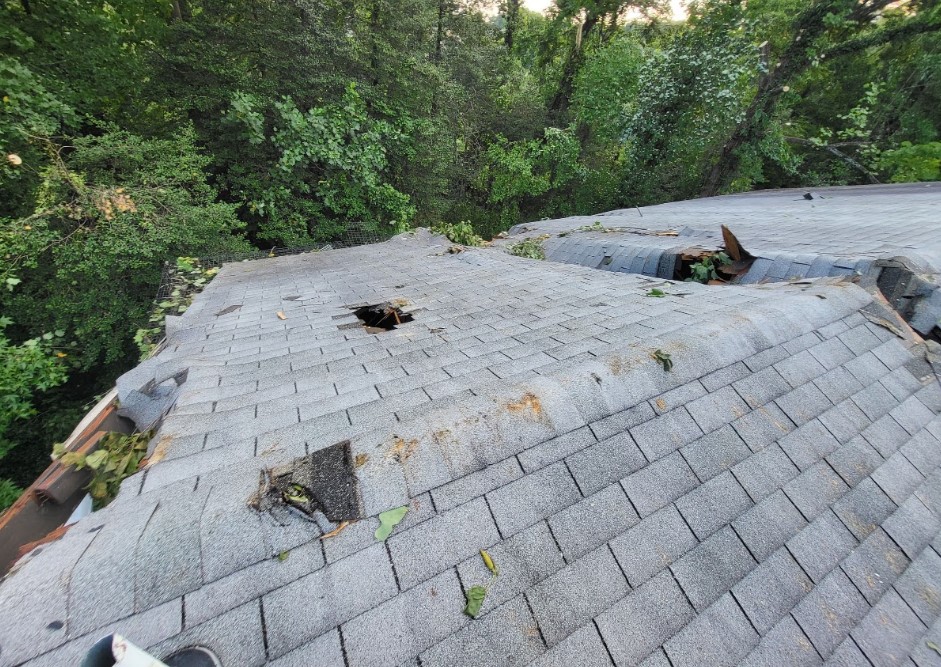
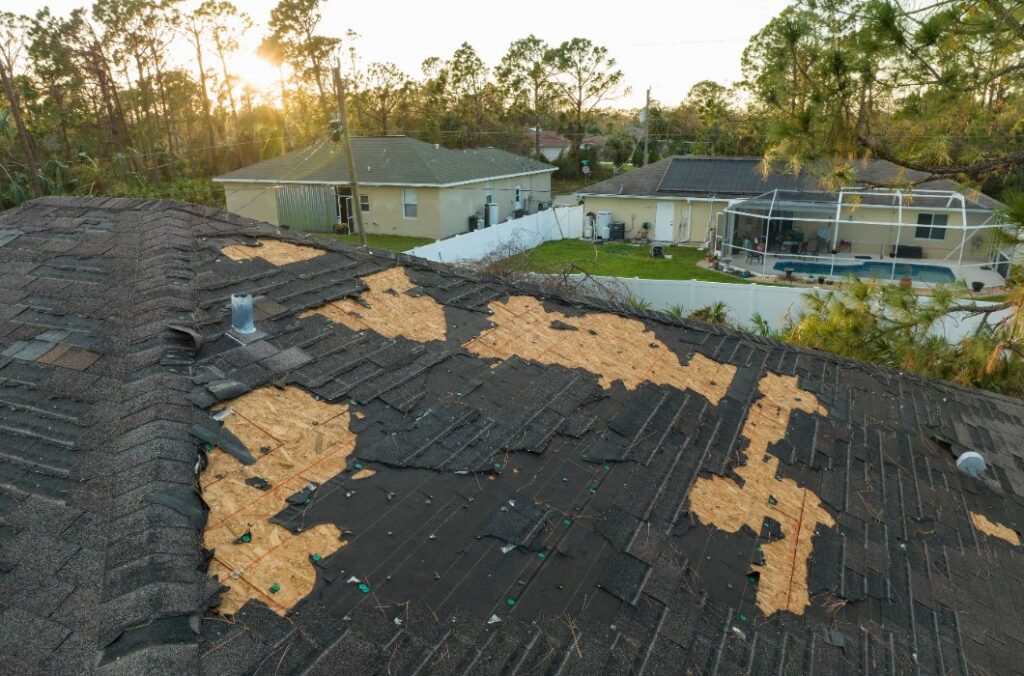
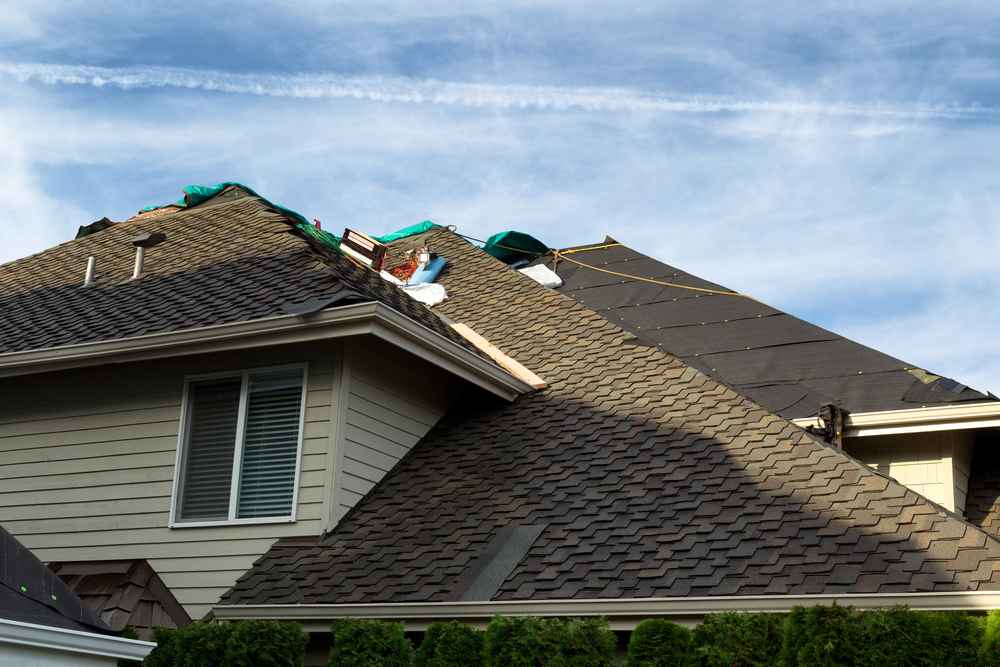
If you’ve lived through even one summer in Maryland, you know how fast a bright, humid afternoon can turn into severe weather. When high winds, heavy rain, and hail roll through places like Lanham and across Prince George’s County, your roof takes the brunt of the impact. Once the skies clear, it’s completely normal to feel overwhelmed when checking for damage. You might be staring at loose shingles in the yard or worrying about hidden structural leaks overhead, wondering how to start the recovery process without making an expensive mistake.
Handling a Maryland roof insurance claim doesn’t have to be a stressful or confusing ordeal. When you know the proper sequence of steps and work with MARS Restoration, your trusted local storm damage roofer in Lanham, you can protect your home’s integrity, avoid unnecessary policy risks, and confirm your property gets restored correctly.
Key Takeaways
Independent Inspection First: Always get a professional, unbiased evaluation on your roof before contacting your insurance carrier to open a formal file.
Document Everything: Gather photos, local storm reports, and precise dates of the weather event to support your claim with solid evidence.
Watch for Scams: Avoid signing high-pressure agreements or working with out-of-town contractors offering illegal deductible waivers.
If you suspect recent weather damaged your home, let’s take a look together. Schedule your free, no-pressure inspection today.
How Proper Documentation Protects Your Policy and Budget
Filing a claim without proper evidence is one of the most common pitfalls homeowners encounter after a weather event. When you reach out to your carrier, they open an official record on your policy, regardless of whether damage is actually present.
Taking the right steps early on protects your finances and keeps your policy in good standing:
Prevents Unnecessary Claims: A thorough diagnostic check confirms you only file when legitimate, storm-caused issues exceed your deductible.
Establishes Clear Proof: Documenting exact dates, weather alerts, and timestamped photos prevents carriers from attributing structural issues to routine wear and tear.
Speeds Up Approvals: Having precise measurements and clear evidence ready for your adjuster meeting leads to a much cleaner, faster settlement process.
We’ve helped countless neighbors navigate this process, and we know how to provide the exact documentation adjusters need to evaluate your situation fairly.
Step-by-Step Guide to Managing Your Maryland Claim
Navigating the recovery process is straightforward when you follow a clear order of operations.
Confirm Safety and Stop Active Leaks
Check your property from the ground for immediate hazards like downed power lines or broken tree limbs. If you have active interior leaks, place buckets to catch water and temporarily secure the area, but avoid climbing onto a damaged roof.
Schedule an Independent Diagnostic Inspection
Before calling your carrier, have a qualified local professional evaluate the entire system. An experienced inspector looks beyond obvious missing shingles to catch subtle problems like bruised shingle matrices, lifted ridge caps, and compromised flashing.
Your contractor should be on the roof alongside the insurance adjuster during their physical inspection. Having an expert present ensures all identified issues are pointed out, measured, and accurately added to the carrier’s scope of work.
If you want an expert set of eyes on your roof before you call your carrier, we can help. Let’s take a look together. Schedule your free, no-pressure inspection today.
Why Does a Professional Post-Storm Audit Matter?
Identifying structural damage after a severe weather event requires specialized tools and technical diagnostic methods. While ground-level visual checks catch obvious debris or missing sections, subtle issues often require a forensic approach.
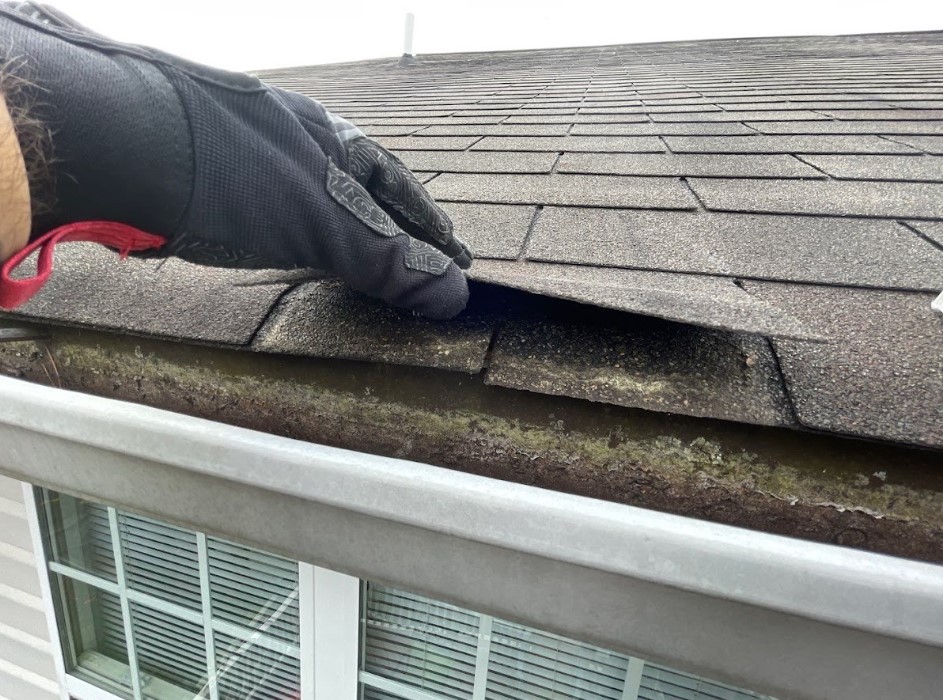
Wind and hail affect roofing materials in vastly different ways. Wind typically causes lifting, broken seal strips, and crease marks, while hail causes impact bruising that fractures the internal fiberglass matting beneath the granules.
When MARS Restoration conducts an evaluation, our team utilizes a comprehensive diagnostic framework to evaluate your home:
Problem: Identifying exact physical damage across shingles, decking, ventilation, and flashing systems using aerial drones, thermal imaging, and precision gauges.
Cause: Pinpointing the exact source of failure, distinguishing recent storm impact from pre-existing material aging or installation errors.
Consequence: Explaining the long-term risk of each issue so you can make informed decisions about necessary roof repairs or full replacements.
What to Do While Waiting for Your Insurance Adjuster
Once your claim is filed and your inspection date is set, take these simple steps to keep your claim moving smoothly and protect your home:
Prevent Secondary Water Damage: Place buckets or tarps under active indoor leaks. Homeowner policies require you to take reasonable steps to prevent further damage to your interior.
Save Every Emergency Receipt: Keep all invoices for temporary tarping, water extraction, or minor emergency materials. These expenses are often reimbursable under your policy.
Avoid Permanent Roof Repairs: Hold off on replacing shingles or making permanent repairs until the adjuster completes their official physical inspection.
ACV vs. RCV: Understanding How Your Policy Pays Out
Understanding how your insurance policy calculates payment is essential so you’ren’t surprised by the numbers on your check. Most Maryland homeowners policies fall into one of two payout structures.
Actual Cash Value (ACV)
This type pays for the depreciated value of your roof based on its age and condition prior to the storm. If your 15-year-old roof sustains storm damage, the carrier deducts value for those 15 years of wear and tear, leaving you to cover the remaining balance out of pocket.
Replacement Cost Value (RCV)
This policy covers the full cost required to replace your damaged roof at current market rates for labor and materials. Typically, the carrier pays the ACV portion upfront and releases the remaining check (recoverable depreciation) once your contractor submits final proof that the work is finished.
Knowing which policy type you hold helps you set clear expectations for your timeline, manage your out-of-pocket budget, and ensure you don’t leave recoverable funds behind after repairs are complete.
Frequently Asked Questions About Roof Insurance Claim After a Maryland Summer Storm
Will opening a claim affect my insurance policy if no damage is found?
Yes. Opening a claim creates a permanent record on your policy history. If an adjuster inspects your roof and determines the issues are simply due to age or normal wear and tear, the claim will be denied, but the file remains on your record. This is why having an independent inspection beforehand is so critical.
How does a hail damage claim for State Farm in MD differ from other carriers?
While standard filing steps are similar across major carriers, specific documentation guidelines, shingle impact standards, and field adjuster protocols can vary. Working with a contractor who understands how to produce industry-standard reports ensures your claim meets any carrier’s specific evidentiary requirements.
Is it legal for a contractor to cover or pay my insurance deductible?
No. In Maryland, it’s illegal for a contractor to absorb, rebate, or offset a homeowner’s insurance deductible. Any roofer offering to “eat your deductible” or inflate billing scopes is committing insurance fraud, which places the legal liability directly on the homeowner.
How long do I have to file a roof insurance claim in Maryland after a storm?
Most standard policies in Maryland require you to file within one to two years of the date the storm occurred. However, waiting is never a good idea. Water damage can worsen over time, leading to deck rot or mold growth, which insurance companies may classify as maintenance neglect rather than storm damage. Getting an inspection done as soon as possible ensures the damage is clearly tied to the specific storm event.
What should I do if my insurance payout is lower than the actual repair quote?
It’s very common for an adjuster’s initial estimate to miss specific line items, local building code requirements, or exact material costs. If the settlement falls short, your contractor can submit a supplemental claim to your insurance carrier. This document provides detailed measurements, photos, and itemized evidence explaining why additional funds are necessary to restore your roof to code and pre-storm condition.
Trusted Local Craftsmanship You Can Count On
At MARS Restoration, we are proud to serve as your dependable local storm damage roofer in Lanham and the surrounding Maryland communities. We believe in complete transparency, providing detailed visual documentation and honest recommendations so you always know the exact condition of your home. Whether you need temporary tarping, targeted repairs, or a full system replacement, our team brings expert craftsmanship and dedication to every project.
Every single day, your home takes a beating from the elements. Whether you live in the historic neighborhoods of Maryland or the bustling suburbs of Northern Virginia, your roof is the unsung hero keeping the rain, wind, and sun from ruining your living room. Most homeowners do not give their roofs a single thought until water starts dripping onto the kitchen table. By then, a simple fix has turned into an expensive headache.
Maintaining a home requires real work, and your roof is your primary line of defense. Understanding the hidden issues that weather creates can save you thousands of dollars down the road. Let us take a practical look at what your roof goes through, how to spot trouble before it starts, and what you can do today to keep your home safe and dry.
Key Takeaways for Homeowners
Regular inspections prevent small leaks from turning into major structural water damage.
Local weather requires roofing materials designed to withstand extreme wind, heavy snow, and intense summer heat.
Catching storm damage early is essential for successful insurance documentation and claims.
Professional contractors ensure local building codes are met and warranties remain valid.
Why Does Local Weather Call for a Stronger Roof?
Your roof faces unique regional weather challenges every year.
Living in the Mid-Atlantic region means experiencing a bit of everything when it comes to weather. We get humid summers, freezing winters, sudden spring hailstorms, and autumn remnants of tropical systems. Each change in season brings a specific type of stress to your asphalt shingles or metal roofing.
During the hot summer months, intense sunlight bakes your shingles, causing them to expand. When the sun goes down and temperature drops quickly, those materials contract. This constant back and forth can lead to thermal shock, which splits shingles and weakens the seals holding them together. Winter brings heavy snow and freezing ice that can back up into your gutters, forming ice dams that push water right under your shingles and into your attic. According to regional climate reports from organizations like the National Oceanic and Atmospheric Administration, our area has seen a steady increase in localized wind and hail events over the last decade. Your roof has to be built tough to handle these rapid shifts without failing.
What Are the Hidden Signs of Roof Damage You Might Miss?
Roof trouble does not always start with a visible water puddle.
Most people think a roof is fine as long as the ceiling stays dry. The truth is that water is patient, and it can find the smallest crack to travel along before it ever shows up on your drywall. Waiting for a visible leak means you are likely dealing with hidden wood rot or mold inside your walls.
You can spot a lot of problems right from the safety of your driveway just by knowing what to look for. Grab a pair of binoculars and check your roof line for a few specific warning signs:
Granule loss in the gutters: If you clear out your gutters and find piles of dark sand, your shingles are losing their protective coating. This leaves the underlying asphalt vulnerable to sun damage and cracking.
Curled or buckled shingles: Shingles should lay completely flat. If the edges are curling upward or the middle is buckling, they are no longer shedding water properly.
Damaged flashing: Flashing is the metal material installed around chimneys, vents, and roof valleys. If it is rusted, bent, or pulling away, water will get inside.
Dark streaks on the roof: These black streaks are often algae growth, which holds moisture against the shingles and accelerates rot.
Catching these signs early keeps a simple repair from turning into a total replacement. If you notice any of these red flags, it is time to check out our About Us page to see how our trained team evaluates these common regional roofing issues.
How Do Clogged Gutters Ruin a Perfectly Good Roof?
Gutters and roofs work together as a single water management system.
When water cannot flow away from your house, it finds another path. Clogged gutters force rainwater to pool right at the edge of your roof line. That standing water quickly rots the wooden fascia boards and works its way upward under the starter shingles.
Keeping your gutters clear is one of the easiest ways to extend the lifespan of your roof. We recommend cleaning them at least twice a year, once in the spring and once in the late autumn after the leaves have fallen. While cleaning, make sure the gutters are still securely fastened to your home and that downspouts are directing water at least three feet away from your foundation. Taking care of these simple tasks prevents water from backing up and damaging the structural integrity of your home.
Why Is Professional Workmanship Worth the Investment?
A roof is only as reliable as the hands that installed it.
Roofing is hard, honest work that requires specialized skills. Some homeowners try to save a quick buck by hiring a cheap, uncertified contractor or attempting a DIY patch job. This often ends up costing much more when the repair fails during the next heavy storm.
Professional roofing requires an understanding of ventilation, proper fastening techniques, and regional building codes. A certified team ensures your roof has the right amount of intake and exhaust ventilation so heat does not build up in your attic and cook your shingles from the inside out. Furthermore, top manufacturers only honor their extended warranties if the materials are installed by certified contractors. When you work with an experienced team, you receive the peace of mind that comes with proven industry standards and proper licensing. You can learn more about our certified installation practices by visiting our Services page.
Common Questions From Our Neighbors
How long should a standard residential roof last around here?
A standard architectural asphalt shingle roof generally lasts between twenty and twenty-five years in our climate. Metal roofs and specialty materials like slate can last much longer, often exceeding fifty years with proper maintenance. The actual lifespan depends heavily on proper attic ventilation and how well the roof is protected from storm damage.
Can I just install a new roof over my old one to save money?
While some building codes allow for a second layer of shingles, we rarely recommend it. Adding a second layer traps heat, shortens the lifespan of the new shingles, and adds thousands of pounds of extra weight to your home framework. Plus, you cannot inspect or repair the underlying wood decking for rot if you do not tear off the old roof first.
How do I know if my insurance company will cover a roof repair?
Insurance typically covers roof damage caused by sudden, accidental events like hail storms, fallen tree limbs, or high winds. They generally do not cover damage caused by neglect or normal wear and tear from an old roof. The key to a successful claim is detailed documentation from a professional inspection right after a storm occurs. The National Roofing Contractors Association emphasizes that regular inspections provide the necessary paper trail to prove the baseline condition of your roof before a storm hits.
Let Us Get Your Home Protected Before the Next Storm Hits
Your home is where your family stays safe, and the roof over your head keeps it that way. Do not wait for a major storm to find out that your shingles are failing or your flashing is loose. Taking a proactive approach today protects your investment, keeps your family dry, and gives you complete peace of mind when the weather turns rough.
Our team is dedicated to providing honest, hardworking service to our community. We believe in educating homeowners so you can make the absolute best decisions for your property. Whether you need a quick repair, a complete replacement, or just a dependable inspection after a bad storm, we are here to handle the heavy lifting. Get in touch with us through our Contact Us page to set up a free, no-pressure inspection with Mars Roofing in Maryland and Virginia for expert services. Let us make sure your home is ready for whatever the sky throws at it next.
Is Your Roof Ready for Storm Season? What Maryland and Virginia Homeowners Need to Know Right Now
If you live in Maryland or Northern Virginia, you already know how fast the sky can turn. One afternoon it is sunny and still. By evening, a nor’easter is pushing through, dropping two inches of rain an hour and sending tree branches sailing across your yard. Your roof is the only thing standing between all of that and your living room ceiling.
The Mid-Atlantic region sees it all: tropical storms, heavy snowfall, ice storms, hailstorms, and the occasional hurricane remnant that refuses to quit. Most homeowners think about their roof twice a year, if that. Storm-proof homeowners think about it before the forecast changes.
This guide walks you through what extreme weather actually does to your roof, what warning signs to watch for, and how to get ahead of damage before it costs you thousands. Because a little preparation now is worth a lot more than a bucket in the hallway at midnight.
Quick Takeaways
Maryland and Virginia homeowners face a wide range of storm threats year-round, not just in summer
Annual roof inspections are the single most effective way to catch damage early
Gutters, flashing, and attic ventilation are just as important as the shingles themselves
Storm damage often hides in places you cannot see from the ground
Acting fast after a storm protects your home and strengthens your insurance claim
What Kind of Storms Should Maryland and Virginia Homeowners Actually Worry About?
More than you might expect, and they each hit your roof differently.
The region sits at a crossroads of weather systems. Cold Canadian air, warm Gulf moisture, and Atlantic storm tracks all converge here. That means your roof is not just facing one type of threat. It is facing several, often back to back.
Nor’easters bring sustained high winds and heavy rain or snow that can last for days. Tropical storms and hurricane remnants drive intense rainfall and gusts that test every seal and fastener on your roof. Summer thunderstorms can drop golf ball-sized hail in a matter of minutes. Ice storms coat everything in a layer of freezing rain that adds massive weight and creates ice dams along your eaves.
Each of these events stresses your roof in a different way. Wind lifts and peels shingles. Hail bruises them, cracking the granule coating that protects the asphalt underneath. Heavy snow and ice add weight that can exceed what older decking was ever designed to handle. And water, given any opening at all, will find it.
According to the National Oceanic and Atmospheric Administration, Maryland and Virginia regularly rank among the top states for wind and hail events per year. That is not a statistic to scroll past. That is a reason to take your roof seriously.
How Do You Know If Your Roof Is Actually Storm-Ready?
Start with an honest look at what you have got up there.
Most homeowners cannot tell you how old their roof is, let alone whether it is in good shape heading into storm season. That is not a criticism. Roofs are easy to ignore when they are doing their job quietly. The problem is they rarely announce trouble until the trouble is expensive.
A storm-ready roof starts with knowing its current condition. That means a professional inspection, not a glance from the driveway. A thorough evaluation checks the shingles for cracking, curling, or missing granules. It looks at the flashing around chimneys, vents, and skylights, because that is where most leaks actually start. It checks the gutters, the soffits and fascia, the ridge cap, and the attic ventilation.
Our team at MARS Roofing offers free exterior inspections for homeowners in Maryland and Northern Virginia. You get a written report. No pressure, no surprise charges. Just an honest picture of where your roof stands before the next storm season hits.
What Are the Most Common Signs of Storm Damage That Homeowners Miss?
Damage is not always obvious, and what you cannot see can still cost you.
After a major storm, most people look for the obvious: missing shingles, visible holes, water on the ceiling. But storm damage is often more subtle than that, and it tends to get worse over time if it goes unaddressed.
Here are the signs worth knowing:
Granules in your gutters or downspout runoff. Shingles shed granules when they get hit by hail or reach the end of their lifespan. A sudden surge in granule loss often points to impact damage.
Dents on metal components. Check the gutters, flashing, vents, and AC housing. Hail leaves marks on soft metals that tell the story even when shingles look fine from the street.
Soft spots or sagging areas. These often mean water has been sitting somewhere it should not be, soaking into the decking below the shingles.
Cracked or lifted flashing. Flashing seals the joints between your roof and structures like chimneys and vents. When it pulls away, water gets in fast.
Dark streaks or staining on interior ceilings. By the time you see this, the leak has already worked its way through multiple layers of your home.
If any of these show up after a storm, do not wait. Damage that is caught within days of a storm event is much easier to document, repair, and file an insurance claim for than damage that sits for weeks.
What Can Homeowners Do Right Now to Protect Their Roof Before a Storm Hits?
Preparation is not complicated. It is just consistent.
You do not need to be a contractor to get your home storm-ready. There are real, practical steps you can take before the forecast gets dramatic.
Clean your gutters at least twice a year, in spring and fall. Clogged gutters force water to back up under the edge of your roof, which leads to rot, ice dams, and interior leaks. While you are at it, check that gutters are securely attached and draining away from the foundation.
Trim trees that overhang your roof. A branch that looks harmless in calm weather becomes a wrecking ball in a 60-mile-per-hour wind. Professional arborists can help identify which limbs pose a real risk.
Check your attic ventilation. Poor airflow in the attic creates heat buildup in summer and moisture problems in winter, both of which shorten your roof’s lifespan and make it more vulnerable to storm damage. A well-ventilated attic is one of the least talked about and most important parts of a storm-ready roof.
Know your roof’s age. Most asphalt shingle roofs last 20 to 30 years. If yours is approaching that range, it may not be worth patching. A roof that is already compromised does not hold up well in a major storm event. If you are not sure where you stand, our residential roofing team can help you figure that out with a no-obligation assessment.
What Should You Do Immediately After a Major Storm?
Speed matters, and so does documentation.
Once the storm passes and it is safe to go outside, your first job is to document everything. Walk around the perimeter of your home with your phone and take photos of anything that looks off: debris on the roof, dented gutters, downed tree limbs, water stains on exterior walls. Do this before you touch or move anything.
Then call a roofing professional before you call your insurance company. A qualified inspector can give you an unbiased assessment of what actually happened to your roof. That documentation is powerful when you file a claim. Insurance adjusters are not always on-site within the first few days, and having an independent inspection report puts you in a much stronger position.
Our storm damage repair team works with homeowners throughout the claims process. We help you understand what is covered, what to document, and what repairs are needed to get your home protected again. We have seen too many homeowners get shortchanged on claims because they did not have the right documentation. That is something we can help you avoid.
The Insurance Information Institute recommends keeping a home inventory and reviewing your homeowners policy annually to make sure your coverage reflects your home’s current value.
Real Questions From Real Homeowners: Answered
How often should I have my roof inspected?
Once a year is the baseline. Twice is better if your home has been through a significant storm or if your roof is over 15 years old. Do not wait for visible damage to schedule one. By then, the damage has already had time to spread.
Does homeowners insurance cover storm damage to my roof?
Most standard policies cover sudden storm damage from wind, hail, and rain. What they often do not cover is damage from neglect or wear over time. That is why regular maintenance and prompt reporting matter so much. Document everything, and get a professional inspection before filing so you have the strongest possible record of what happened.
Is it worth repairing or should I replace the whole roof?
It depends on the age of the roof and the extent of the damage. If your roof is under 15 years old and the damage is isolated, repair is usually the right call. If it is older and the damage is widespread, replacement often makes more financial sense in the long run. A good contractor will give you an honest answer, not just the most expensive one.
Can I put a new roof on top of an existing one?
In some cases, yes. This is called a roof overlay and it can save money in the short term. But it adds weight, hides existing damage, and typically does not last as long as a full replacement. Most roofing professionals recommend a full tear-off when your roof is already compromised.
How long does storm damage repair usually take?
Minor repairs can often be completed in a day. Full replacements typically take one to three days depending on the size of the roof and the scope of work. Emergency tarping can be done the same day if needed to stop active water intrusion.
Your Roof Has One Job. Let’s Make Sure It Can Do It.
Living in Maryland or Northern Virginia means accepting that storms are part of the deal. But a damaged roof does not have to be. With the right preparation, the right team, and a little attention before the season changes, you can face whatever the sky throws at you with a whole lot more confidence.
MARS Roofing has been protecting homes across the region since 2014. Our team knows local weather, local building codes, and what it actually takes to build a roof that holds up through nor’easters, hailstorms, and everything in between. We are GAF certified, BBB A+ rated, and proud of every roof we put our name on.
Get ahead of storm season. Schedule your free roof inspection today and find out exactly where your home stands. No guesswork. No pressure. Just the honest answers you need to protect the most important investment you have.
Contact MARS Roofing now or call (240) 319-7311. Your roof is ready to do its job. Let us make sure it can.
Quick Answer: Which Gutter Style Is Right for Your Home?
Let’s start with what actually matters. When water is not properly managed around your home, it does not simply disappear. It creates problems that build over time, often in places you do not immediately see.
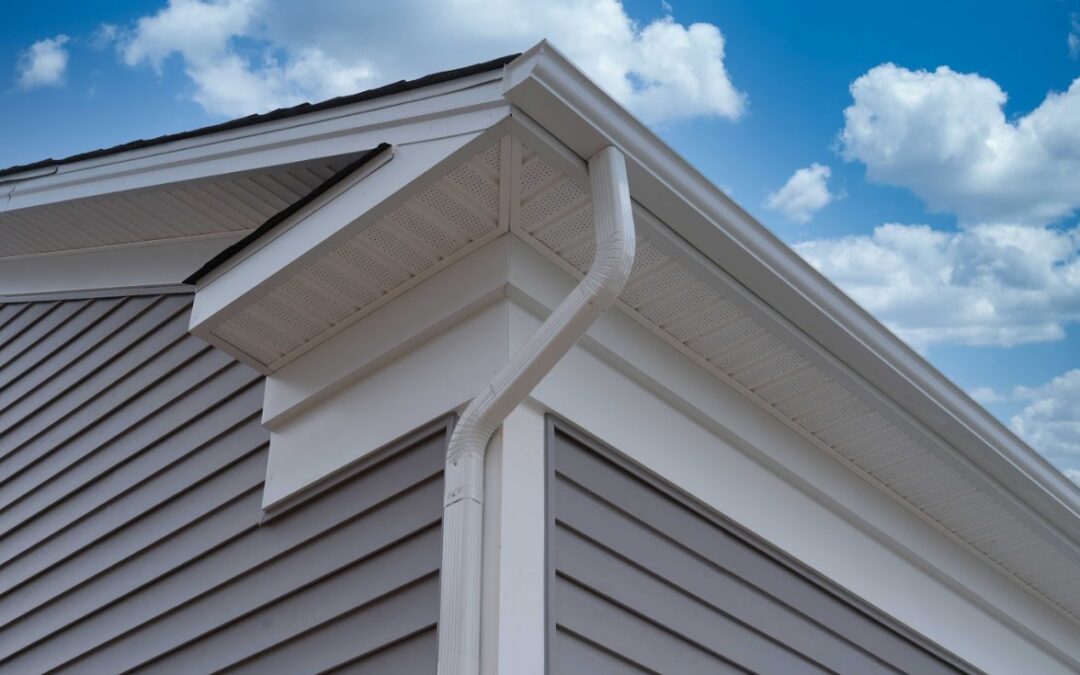
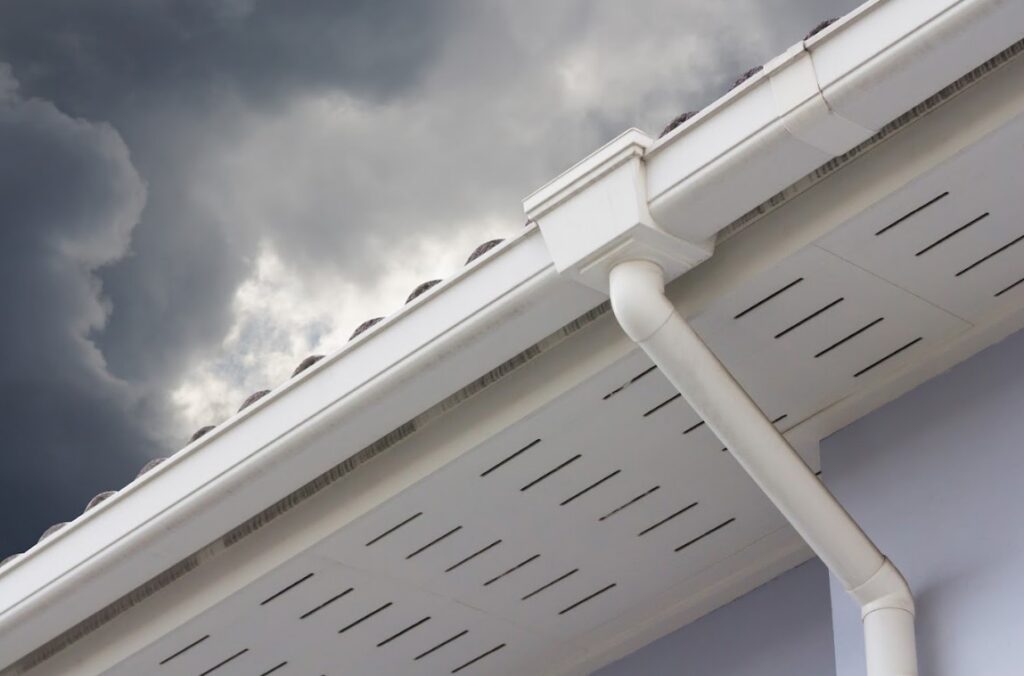
If you have ever stood outside during a heavy rainstorm in Maryland and watched water spill over your gutters, you have already seen why understanding different gutter styles is so important. Choosing between K style gutters, half round gutters, and box gutters is not just about appearance. It is about how your home handles water day after day, season after season.
Each of these gutter styles is designed to solve a different problem. The key is knowing which one fits your home.
In this guide, you will learn:
How common gutter styles perform in Maryland weather conditions
The real differences between K style, half round, and box gutter systems
What factors influence the right choice for your home
How to avoid common issues that lead to drainage problems
If you want clear answers based on real conditions, MARS Restoration can help with a professional inspection and straightforward recommendations.
Why Gutter Styles Matter in Maryland
To understand why these gutter styles are compared so often, it helps to step back and look at the environment your home is dealing with.
Homes across Maryland experience a combination of heavy rainfall, humidity, and seasonal temperature changes. Over time, these conditions place constant stress on gutter systems. Not all gutter styles respond to that stress in the same way, which is why choosing between options like K style gutters, half round gutters, and box gutters becomes so important.
When the wrong system is in place, the results tend to follow a pattern:
Water overflows during storms
Roof edges and fascia begin to deteriorate
Siding absorbs moisture
Drainage issues develop around the foundation
These are not random problems. They are often tied directly to using a gutter style that does not match the home’s needs.
Key Gutter Styles Explained
With that context in mind, it becomes easier to understand how each gutter style is designed to perform.
K style gutters are the most common choice for residential homes. Their shape allows them to handle higher volumes of water, which makes them well suited for the rainfall patterns seen across Maryland.
Half round gutters offer a different approach. Their smooth, curved design allows water to flow more freely, which helps reduce debris buildup and simplifies maintenance.
Box gutters are built for capacity. These systems are often integrated into the structure of the roof and are designed to handle large amounts of water, making them common on larger homes or commercial buildings.
Local Conditions That Impact Gutter Performance
When you connect these designs to real conditions in Maryland, the differences between gutter styles become even more important:
Heavy rain increases the need for higher capacity systems
Tree coverage raises the risk of clogging
Freezing temperatures affect drainage flow
Storms test both durability and attachment
This is why comparing gutter styles is not just helpful. It is necessary.
What to Know Before Choosing a Gutter System
Now that the role of different gutter styles is clear, the next step is understanding how to choose the right one for your home.
Budget Considerations
Each gutter style comes with a different level of investment, and that investment often reflects performance.
K style gutters are typically the most cost-effective and widely used
Half round gutters tend to cost more due to materials and installation requirements
Box gutters usually involve the highest cost because of their size and structural integration
Looking at cost alone, however, does not tell the full story. The goal is to match the system to your home so you avoid costly issues later.
Installation Requirements
The way each gutter style is installed plays a major role in how well it performs.
K style gutters are relatively straightforward, but they still require proper pitch to function correctly. Half round gutters demand more precision to maintain smooth water flow. Box gutters require structural planning, which makes proper installation even more critical.
Permits and Design Constraints
In some cases, especially with older or historic homes, certain gutter styles may be required or preferred. This can influence your decision before installation even begins.
Material Options
While materials like aluminum, copper, and steel affect durability, it is still the gutter style itself that determines how water is managed.
What Size Gutters Work Best for Maryland Homes?
As you compare gutter styles, it is important not to overlook sizing. Even the best gutter style can fail if it is not sized correctly.
Across Maryland homes, 5-inch and 6-inch gutters are the most common.
5-inch systems are often paired with standard K style gutters on average-sized homes
6-inch systems are typically used when more capacity is needed, especially with larger roofs or steeper pitches
In many situations, homeowners believe they have chosen the wrong gutter style when the real issue is that the system is undersized. This is why gutter style and size must always be considered together.
K Style vs Half Round vs Box Gutters: What’s the Difference?
With the foundation in place, the next step is to look more closely at how these gutter styles compare in real-world conditions.
K Style Gutters: The Most Practical Choice
K style gutters are widely used because they offer a balance between capacity, cost, and availability.
They are designed to:
Handle higher water volumes during storms
Fit a wide range of residential homes
Provide reliable performance without complex installation
For many homes across Maryland, this makes K style gutters the starting point in any comparison.
Half Round Gutters: Efficient and Low Maintenance
Half round gutters approach water management differently. Their curved shape allows water to move more smoothly, which can reduce debris buildup over time.
This results in:
Improved flow
Less clogging
Easier maintenance
While they may not handle as much water as K style gutters, they solve a different problem, which is why they remain a strong option.
Box Gutters: Built for Maximum Capacity
Box gutters are designed for situations where standard gutter styles are not enough.
They:
Handle the largest volumes of water
Are often built into the structure of the home
Require careful design and installation
Because of their capacity, box gutters are often used on larger homes or buildings where water management is a primary concern.
Side-by-Side Comparison
Feature
K Style Gutters
Half Round Gutters
Box Gutters
Water Capacity
High
Moderate
Very High
Maintenance
Moderate
Low
Moderate
Cost
Lower
Medium
High
Appearance
Decorative
Traditional
Minimal
Installation
Standard
Specialized
Complex
Looking at these differences side by side helps clarify why these gutter styles are often compared. Each one is built to address a specific need.
Are K Style Gutters Better Than Half Round Gutters?
K style gutters are better than half round gutters when the priority is managing higher volumes of water. This is one reason they are more commonly used on homes throughout Maryland.
At the same time, half round gutters offer smoother water flow and tend to collect less debris, which can reduce maintenance over time.
This comparison highlights an important point. Choosing between gutter styles is not about finding a single “best” option. It is about choosing the right solution for your home.
Do Box Gutters Require More Maintenance?
Box gutters do require more maintenance, largely because of how they are built into the structure of the home.
When issues develop, they can be more difficult to access and repair. However, their ability to handle large volumes of water makes them essential in certain situations.
This reinforces a key idea in comparing gutter styles. Each option comes with trade-offs, and those trade-offs need to match your home’s needs.
Which Gutter Style Is Best for Maryland Homes?
By this point, the differences between gutter styles should be clear.
K style gutters are the most common because they balance cost and performance
Half round gutters are often chosen for their smoother flow and lower maintenance
Box gutters are used when maximum capacity is required
The best gutter style is the one that aligns with your home’s structure, water flow, and long-term expectations.
How Gutter Style Affects Your Home’s Appearance
While performance is the priority, it is also worth considering how different gutter styles affect your home’s overall look.
K style gutters blend well with most modern homes
Half round gutters are often used on traditional or historic properties
Box gutters are typically less visible and more focused on function
This is another layer in the decision-making process, especially when balancing performance and design.
Do Gutter Guards Make a Difference?
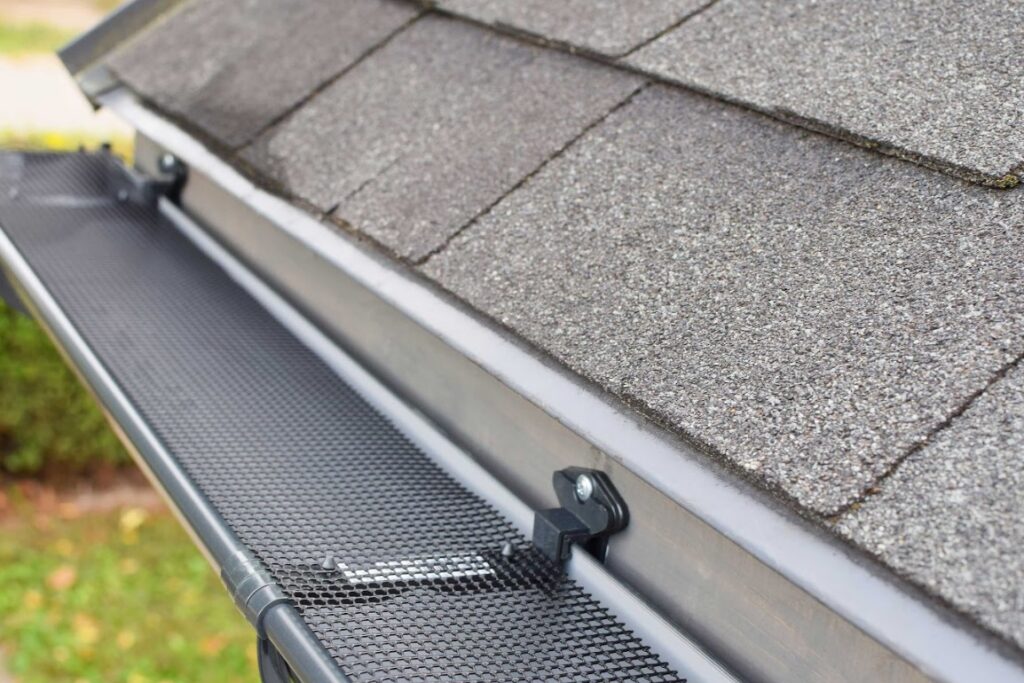
Gutter guards can improve how all gutter styles perform, particularly in areas with heavy tree coverage.
Across Maryland, clogged gutters are a common issue due to leaves and debris. When buildup occurs, even the best gutter style can struggle to function properly.
Adding gutter guards helps:
Reduce debris accumulation
Improve water flow
Lower maintenance needs
They are not a replacement for proper design, but they are a valuable addition to any gutter system.
What to Expect During a Gutter Inspection
Before choosing between gutter styles, it is important to understand how your current system is performing.
During an inspection, MARS Restoration evaluates:
Overall gutter condition
Drainage efficiency
Signs of overflow or failure
Whether your current gutter style and size are appropriate
This process connects everything discussed in this guide back to your home, helping you make a confident decision.
Contact MARS Restoration to schedule an appointment today!
Deep Dive: Materials, Durability, and Long-Term Performance
To fully understand gutter styles, it helps to look at how they perform over time.
In many homes, the issue is not just the gutter style itself. It is how the system was sized, installed, and maintained.
Common problems include:
Overflow at corners
Standing water
Gutters pulling away from the home
These issues can affect K style gutters, half round gutters, and box gutters alike if they are not properly matched to the home.
Material Performance
Each gutter style can be built from different materials, but the design determines how water is managed.
How MARS Restoration Solves These Problems
By focusing on:
Matching the right gutter style to the home
Ensuring proper sizing and pitch
Installing systems designed for Maryland conditions
Pros and Cons Summary
K Style Gutters Pros
High capacity
Cost-effective
K Style Gutters Cons
More prone to debris buildup
Half Round Gutters Pros
Easier maintenance
Smoother flow
Half Round Gutters Cons
Lower capacity
Box Gutters Pros
Maximum capacity
Box Gutters Cons
Complex installation
Higher cost
Each of these reinforces why understanding gutter styles is essential before making a decision.
Common Questions About Gutter Styles for Maryland Homes
As you compare different gutter styles, including K style gutters, half round gutters, and box gutters, these are the most common questions homeowners ask when deciding which system is right for their home.
What are the most common gutter styles used in Maryland?
The most common gutter styles used in Maryland are K style gutters, half round gutters, and box gutters. Each style is designed to handle different water volumes and structural needs, which is why they are the primary options homeowners compare.
Which gutter style handles heavy rain best?
The gutter style that handles heavy rain best is typically box gutters due to their high capacity, while K style gutters also perform well for most residential homes.
Are half round gutters better than K style gutters?
Half round gutters are better than K style gutters for reducing debris buildup, while K style gutters are better for handling larger volumes of water.
Do I need permits to replace gutters?
Replacing gutters may require permits depending on the project and location, especially when changing gutter styles or structure.
How long do gutters typically last?
Gutters typically last between 20 and 50 years depending on the material and how well the chosen gutter style matches the home.
Can gutters improve drainage around my home?
Gutters improve drainage by directing water away from your home, and choosing the right gutter style improves how effectively that happens.
How do I know if I need new gutters?
You may need new gutters if your current system is not managing water properly, which often points to the wrong gutter style or improper installation.
Conclusion: Choosing the Right Gutter Style for Long-Term Protection
When you look at the full picture, it becomes clear why these gutter styles are so often compared.
K style gutters, half round gutters, and box gutters each serve a specific purpose. The key is choosing the one that aligns with your home’s needs and the conditions it faces.
MARS Restoration helps homeowners make that decision with clear guidance and proper installation, ensuring the system performs as intended.
When you are evaluating siding for your home, the real question is not what looks good today. It is what will continue protecting your home through years of humidity, storms, and seasonal changes.
That is exactly why Hardie Board siding and LP SmartSide continue to stand out in Maryland. These are not just popular products. They are materials designed to handle the specific conditions that cause other siding systems to fail over time.
On one hand, you have the proven strength and durability of fiber cement, which performs exceptionally well in moisture-heavy environments. On the other hand, engineered wood siding options like LP SmartSide offer flexibility and impact resistance that can be just as valuable depending on your home’s exposure.
In this guide, you will learn:
How each material performs in Maryland’s climate
Where fiber cement and engineered wood siding differ in real-world conditions
What to expect before starting a siding project
How to decide which option is right for your home
If you want clear answers based on real conditions, MARS Restoration can help with a professional inspection and straightforward guidance.
Why Siding Choice Matters in Maryland
Before you can understand why these materials are considered top choices, you need to understand what your siding is up against.
Maryland presents a challenging environment for exterior materials. It is not just one factor. It is the combination of moisture, temperature swings, and storm exposure that creates long-term stress on your home.
Key Terms Explained
To make the right decision, it helps to understand how these materials are built to perform.
Hardie Board siding (fiber cement): A composite material made from cement, sand, and cellulose fibers. It is specifically engineered to deliver long-term performance in environments where moisture and weather variation are constant.
LP SmartSide (engineered wood siding): A treated wood product designed to improve strength, flexibility, and resistance to environmental damage while maintaining a natural wood appearance.
Durability in this context: Not just how a material looks when installed, but how well it continues to perform after years of exposure to humidity, wind, and seasonal changes.
Local Conditions That Impact Siding
With those definitions in mind, it becomes clear why material choice matters so much in this region:
High humidity increases the risk of moisture intrusion
Strong winds test the structural integrity of siding
Temperature swings cause expansion and contraction
Storm activity introduces both water and impact stress
Because of these conditions, materials like Hardie Board siding and LP SmartSide are often recommended. They are built to handle these exact challenges.
What to Know Before Choosing New Siding
Now that you understand why these materials stand out, the next step is understanding how they fit your specific situation.
Every home is different, and choosing between fiber cement and engineered wood siding comes down to how each performs relative to your priorities.
Budget Expectations
There is a noticeable difference in upfront cost between these two options.
Hardie Board siding typically requires a higher initial investment. That cost reflects both the material itself and the level of installation required to ensure it performs as intended.
LP SmartSide, as an engineered wood siding product, is generally more affordable to install. Its lighter weight and easier handling can reduce labor time.
But stepping back, the more important question is this: Are you prioritizing lower upfront cost, or long-term performance with less maintenance?
Installation Requirements
Installation plays a major role in how well siding performs over time.
Fiber cement requires a more precise installation process. That added complexity contributes to its long-term durability, especially in moisture-prone environments.
Engineered wood siding is more flexible and easier to install, which can make it a practical option without sacrificing performance when done correctly.
Permits and Local Codes
Because siding protects your home from moisture and environmental exposure, it must meet local building requirements. A properly managed project ensures everything is compliant and built to last.
Material Availability and Style
Both materials offer a wide range of styles, textures, and finishes. That means you do not have to choose between performance and appearance.
Cost Differences Between Hardie Board and LP SmartSide
Cost is often where the decision between these two materials becomes more focused.
Hardie Board siding comes with a higher upfront cost, largely due to the strength of the material and the installation process required to support the durability of fiber cement.
LP SmartSide, by comparison, offers a lower initial investment while still delivering strong performance as an engineered wood siding option.
However, looking only at upfront cost can be misleading.
Fiber cement siding often reduces long-term maintenance needs
Engineered wood siding may require more upkeep depending on exposure
This is why both remain top choices. Each offers value, just in different ways depending on your priorities.
Hardie Board vs LP SmartSide: Which Is Better?
At this point, the decision becomes less about which material is better overall and more about which one is better for your home.
The durability of fiber cement is one of the main reasons Hardie Board siding is so widely used in Maryland.
It performs exceptionally well in environments where moisture is a constant concern. Over time, it resists:
Water absorption
Rot and swelling
Structural breakdown
This makes it especially effective for homes where long-term stability is the priority.
Engineered Wood Siding: Where LP SmartSide Excels
While fiber cement focuses on moisture resistance, LP SmartSide brings strength in a different area.
As an engineered wood siding product, it is designed to handle:
Impact from debris
Movement from temperature changes
Stress from wind exposure
This makes it a strong option for homes that need flexibility as well as durability.
Side-by-Side Comparison
Feature
Hardie Board Siding (Fiber Cement)
LP SmartSide (Engineered Wood)
Moisture Resistance
Excellent
Very good
Impact Resistance
Moderate
High
Fire Resistance
Non-combustible
Treated
Maintenance
Low
Moderate
Installation
More complex
Faster
Cost
Higher upfront
Lower upfront
Looking at this comparison, it becomes clear why both materials are considered top choices. They each solve different problems effectively.
Is Hardie Board Worth the Higher Cost in Maryland?
For many homeowners, the answer comes down to how important long-term protection is.
In real-world conditions, especially during inspections, moisture-related issues are one of the most common problems found behind older siding systems.
This is where the durability of fiber cement becomes especially valuable. Hardie Board siding is less likely to absorb moisture or degrade over time, making it a reliable option for homes exposed to humidity or poor drainage conditions.
That is why it continues to be a top choice for homeowners focused on long-term performance.
Does LP SmartSide Hold Up in Humid Climates?
It does, but understanding why helps reinforce its role as a top siding option.
LP SmartSide is engineered to resist moisture while still offering the flexibility of wood. That balance is what makes engineered wood siding so effective in certain environments.
It is often a strong fit for:
Homes exposed to wind and debris
Areas where impact resistance is important
Homeowners who want a natural wood look with improved durability
Its ability to handle both stress and movement is what keeps it competitive with fiber cement in Maryland.
Which Siding Adds More Home Value?
When it comes to value, both materials contribute in meaningful ways.
Hardie Board siding adds value through long-term durability and reduced maintenance, which appeals to buyers looking for reliability.
LP SmartSide adds value through appearance and design flexibility, offering the look of traditional wood with improved performance.
In both cases, what makes them top choices is not just appearance or cost. It is how well they perform over time in Maryland conditions.
What to Expect During a Siding Inspection
At this stage, understanding your home becomes the most important step in choosing between these materials.
A siding inspection allows you to see how your current exterior is performing and what challenges your home is actually facing.
During an inspection, MARS Restoration evaluates:
Existing siding condition
Signs of moisture intrusion
Structural and ventilation concerns
Areas where durability or impact resistance is most needed
This process connects everything discussed so far back to your home, helping you determine whether Hardie Board siding or LP SmartSide is the better fit.
Deep Dive: Performance, Warranties, and Long-Term Value
To fully understand why these materials are top choices, you need to look beyond surface-level comparisons.
In many cases, siding issues are not immediately visible. Moisture damage, for example, often develops behind the surface over time.
This is where both fiber cement and engineered wood siding demonstrate their value when properly installed.
Material Performance Over Time
Hardie Board siding
Maintains structural integrity in moisture-heavy environments
Holds paint and finish longer
Reduces long-term maintenance concerns
LP SmartSide
Performs well under impact and stress
Easier to repair if damaged
Requires consistent maintenance to maintain performance
Appearance and Curb Appeal Differences
Hardie Board siding offers a clean, uniform appearance that holds up over time.
LP SmartSide provides a more natural wood grain look, giving homes a different type of visual appeal.
Both materials succeed because they combine performance with design flexibility.
Warranty Protection
MARS Restoration supports both options with:
Lifetime product warranty options
Lifetime labor warranty
2-year workmanship coverage
These protections help ensure that the benefits of each material are fully realized.
Pros and Cons Summary
Hardie Board Siding Pros
Exceptional moisture resistance
Long lifespan
Lower maintenance
Hardie Board Siding Cons
Higher upfront cost
More complex installation
LP SmartSide Pros
Strong impact resistance
More affordable upfront
Easier installation
LP SmartSide Cons
Requires more maintenance
Less fire resistance
Each material remains a top choice because it addresses different priorities effectively.
Common Questions About Hardie Board and LP SmartSide Siding in Maryland
As you compare Hardie Board siding and LP SmartSide, these are some of the most common questions homeowners ask when deciding which option is the better fit for Maryland homes.
What makes Hardie Board siding and LP SmartSide top choices in Maryland?
Hardie Board siding and LP SmartSide are top choices in Maryland because they are built to handle moisture, storms, and long-term wear. The durability of fiber cement makes Hardie Board effective in humid conditions, while engineered wood siding like LP SmartSide performs well against impact and environmental stress.
Which siding performs better in storms?
The siding that performs better in storms depends on the type of exposure your home faces. LP SmartSide offers stronger impact resistance from debris and wind, while Hardie Board siding provides better protection against moisture during heavy rain.
How long does Hardie Board siding last?
Hardie Board siding lasts 30 to 50 years in most Maryland environments. The durability of fiber cement allows it to resist moisture, rot, and long-term structural breakdown when properly installed.
Is engineered wood siding like LP SmartSide a long-term solution?
Engineered wood siding like LP SmartSide is a long-term solution when it is properly installed and maintained. It is designed to resist moisture and impact while providing flexibility that performs well in changing weather conditions.
Which siding requires less maintenance over time?
The siding that requires less maintenance over time is typically Hardie Board siding. Fiber cement materials hold paint longer and resist moisture-related damage, while LP SmartSide may require more upkeep depending on exposure.
How do I know whether Hardie Board or LP SmartSide is right for my home?
Knowing whether Hardie Board siding or LP SmartSide is right for your home starts with a professional inspection. The decision depends on whether your home needs more moisture resistance or impact durability based on its environment.
Can new siding improve energy efficiency?
New siding can improve energy efficiency when it is installed with proper insulation and sealing. Both fiber cement and engineered wood siding contribute by reducing air leaks and improving overall exterior performance.
Conclusion: Choosing the Right Siding for Long-Term Value
Hardie Board siding and LP SmartSide are considered top choices for a reason. They are designed to handle the real conditions that Maryland homes face every year.
One offers the proven durability of fiber cement in moisture-heavy environments. The other delivers the strength and flexibility of engineered wood siding where impact and movement matter most.
MARS Restoration helps homeowners understand these differences through detailed inspections and clear recommendations, so the decision is based on facts, not assumptions.
If you are deciding between these two options, schedule your siding inspection today and get expert guidance on which material is the right fit for your home.
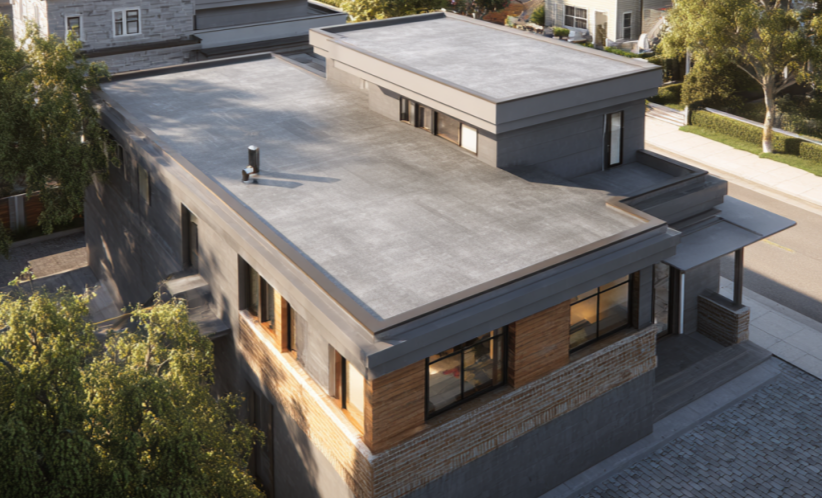
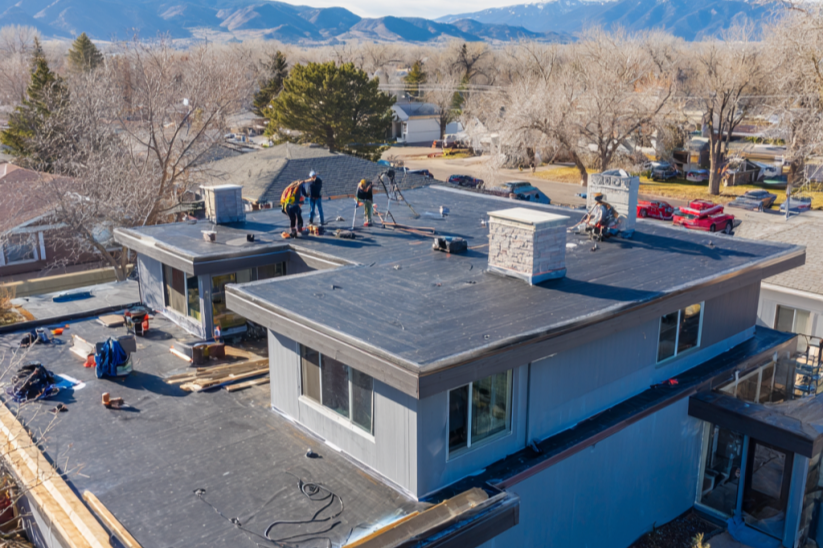
Flat roofs are everywhere across Maryland and Virginia. From commercial buildings and apartment complexes to townhomes and mixed-use properties, they’ve become a defining feature of the region’s built environment. But while flat roofs are practical, affordable, and efficient, they also come with unique maintenance needs that can’t be ignored.
If you own or manage a building with a flat roof, understanding why they’re so common and how to care for them properly can save you serious money, stress, and downtime. This guide breaks it all down in plain language, with real-world advice you can actually use.
Key takeaways to keep in mind as you read
Flat roofs suit Mid-Atlantic architecture, zoning, and building density
Weather in Maryland and Virginia puts extra stress on flat roof systems
Standing water is the biggest long-term threat to flat roofs
Routine maintenance prevents leaks, mold, and premature replacement
Working with a local flat roofing expert makes all the difference
Why are flat roofs so common in Maryland and Virginia?
What makes flat roofs practical for this region?
Flat roofs took off in Maryland and Virginia for a few simple reasons. They’re efficient to build, easier to design around tight urban spaces, and well-suited for commercial and multi-family properties. In dense areas like Baltimore, Northern Virginia, and suburban commercial corridors, flat roofs allow for maximum usable interior space without complicated rooflines.
They also make sense from a planning perspective. Flat roofs allow for HVAC units, solar panels, and drainage systems to stay out of sight while keeping building profiles clean and consistent with zoning requirements.
How do climate and weather influence flat roof popularity?
Why do flat roofs still work despite Mid-Atlantic weather?
Maryland and Virginia see it all. Heavy rain, humidity, snow, ice, and wide temperature swings. Flat roofs can handle these conditions when they’re designed and maintained correctly.
Modern flat roofing systems are engineered to manage water, resist UV exposure, and flex with temperature changes. The problem isn’t the roof style. It’s neglect, poor drainage, or outdated materials that cause most failures.
What types of flat roofing systems are most common locally?
Which materials are used on flat roofs in this area?
Most flat roofs in Maryland and Virginia fall into a few proven categories, each with strengths depending on building use and budget.
Common flat roofing systems include
TPO roofing systems known for energy efficiency
EPDM rubber roofing valued for flexibility and durability
Modified bitumen systems offering layered protection
Each of these systems performs well in the Mid-Atlantic when installed correctly and maintained consistently.
What is the biggest problem flat roofs face over time?
Why is standing water such a serious issue?
Water is the number one enemy of flat roofs. Even though they’re called flat, these roofs rely on subtle slopes and drains to move water away. When drains clog or low spots develop, water pools.
Over time, standing water breaks down roofing membranes, seeps into seams, and finds its way inside. Left unchecked, it can lead to leaks, mold growth, insulation damage, and structural issues.
How often should flat roofs be inspected in Maryland and Virginia?
What inspection schedule actually works?
Flat roofs should be inspected at least twice a year, ideally in spring and fall. Inspections are also critical after major storms, heavy snow, or prolonged rainfall.
Routine inspections catch small issues like cracked seams, clogged drains, or punctures before they turn into full-scale leaks. In a region with unpredictable weather, skipping inspections is one of the fastest ways to shorten roof life.
What maintenance tasks keep flat roofs in good shape?
Which simple steps make the biggest difference?
Flat roof maintenance doesn’t have to be complicated, but it does need to be consistent. Property owners who stay ahead of small issues almost always avoid costly repairs later.
Key maintenance tasks include
Clearing drains and scuppers of debris
Checking seams, flashing, and penetrations
Removing standing water after heavy rain
Watching for membrane cracks or bubbles
Keeping roof surfaces clean and unobstructed
These steps protect the roof’s ability to shed water and resist weather damage year-round.
How does seasonal weather affect flat roof maintenance?
What should owners watch for throughout the year?
Each season brings different risks. Summer heat can cause membranes to expand, while winter freeze-thaw cycles stress seams and flashing. Fall leaves clog drains. Spring rain tests drainage systems.
Staying proactive with seasonal maintenance keeps flat roofs stable through constant environmental changes and prevents sudden failures during extreme weather events.
How long should a flat roof last in this region?
What lifespan is realistic for flat roofing systems?
When properly installed and maintained, flat roofs in Maryland and Virginia can last 20 to 30 years depending on the material. The biggest factor is not age, but care.
Roofs that receive regular inspections and prompt repairs often outperform neglected roofs by a decade or more. Maintenance directly extends lifespan and reduces total ownership costs.
What mistakes do property owners commonly make with flat roofs?
Why do flat roofs get a bad reputation?
Flat roofs don’t fail because they’re flat. They fail because they’re ignored. Many owners assume no visible leaks means no problems. Unfortunately, water damage often develops quietly beneath the surface.
Other common mistakes include delaying repairs, using inexperienced contractors, and skipping drainage improvements. These shortcuts almost always lead to bigger problems later.
How can flat roofs improve energy efficiency?
What role does flat roofing play in comfort and cost control?
Modern flat roofing materials reflect heat and support insulation systems that stabilize indoor temperatures. This reduces strain on HVAC systems and lowers energy bills throughout the year.
In commercial buildings, these energy gains add up quickly, improving comfort for occupants while controlling operational costs.
What questions do property owners usually ask about flat roofs?
Straight answers before problems start
How do I know if my flat roof is leaking?
Signs include water stains, bubbling paint, musty odors, or unexplained moisture. Professional inspections catch leaks long before interior damage appears.
Can flat roofs handle snow in Maryland and Virginia?
Yes, when drainage is clear and the structure is sound. Snow becomes a problem only when meltwater can’t escape.
Is flat roof replacement always necessary after a leak?
Not always. Many leaks can be repaired if caught early, which is why routine inspections matter.
Are flat roofs only for commercial buildings?
No. Many townhomes, residential additions, and modern homes use flat roofs successfully across the region.
How does proper maintenance protect your investment long-term?
Why proactive care always pays off
Flat roofs reward owners who pay attention. A well-maintained roof protects interiors, supports energy efficiency, and avoids sudden disruptions. Over time, maintenance costs far less than emergency repairs or early replacement.
In Maryland and Virginia’s demanding climate, a proactive approach isn’t optional. It’s essential.
Where do you go when flat roof care really matters?
The smart next step for long-lasting flat roofs
Flat roofs are everywhere in Maryland and Virginia for good reason. They work. But they only perform their best when maintained by professionals who understand local conditions, materials, and building requirements.
If your flat roof needs inspection, maintenance, or repair, reach out to Mars Roofing in Maryland. Their team brings hands-on experience, practical solutions, and the kind of workmanship that keeps flat roofs performing season after season.
Cookies are small text files that can be used by websites to make a user's experience more efficient. The law states that we can store cookies on your device if they are strictly necessary for the operation of this site. For all other types of cookies we need your permission. This site uses different types of cookies. Some cookies are placed by third party services that appear on our pages.
Necessary cookies help make a website usable by enabling basic functions like page navigation and access to secure areas of the website. The website cannot function properly without these cookies.
Marketing cookies are used to track visitors across websites. The intention is to display ads that are relevant and engaging for the individual user and thereby more valuable for publishers and third party advertisers.
Preference cookies enable a website to remember information that changes the way the website behaves or looks, like your preferred language or the region that you are in.