Dec 9, 2022 | Blog
Did you know a roof can have just a single slope? That’s right. And it’s called a shed roof. No, we’re talking about the roof of your shed, although you might find one there. A shed roof can be utilized in a variety of homes and structures, giving it a stunning, one-of-a-kind appeal.
Not only that, but they are highly beneficial in areas with heavy snow because the snow can shed right off. If you’re considering installing a shed roof on your property or have one already, this guide will help you learn more so you can install and maintain your shed roof the right way.
WHAT IS A SHED ROOF? WHAT IS IT GOOD FOR?
A shed roof, also known as a lean-to, is composed of a single slanted surface. This type of roofing is frequently found on:
- Cabins
- Sheds
- Barns
- And other similar structures
They are low-cost and easy to take care of. They are also very aesthetically pleasing and can help shed snow and ice and provide a lofted living area or bedroom on the upper level of the structure. Perfect for a little cabin in the woods.
PROS AND CONS OF SHED ROOFS
With every good thing, there comes a balance of good and bad things. It’s important to consider all of the following when thinking about installing a shed roof or purchasing a home or building with such a roof style.
👍 LOW MAINTENANCE
Shed roofs have significantly less roofing material and definitely fewer seams and areas susceptible to leaks than other roof styles. This makes regular maintenance a breeze. Make sure gutters are clear, shingles are in good shape, and there are no leaks on the interior.
👍 EASY TO INSTALL AND REPAIR
Another great thing about shed roofs is they are very easy to install and repair, especially if you go with asphalt shingles or metal roofing. This type of roofing can be installed by one person in a shorter period of time than other types of roofs.
👍 UNIQUE AESTHETIC
Shed roofs give any home or building a unique look that can make it stand out from the rest. If you want to add curb appeal and value to your property, this is a great way to do it. You could even add it to one portion of your home in combination with other roof types for a modern look.
👍 LOW RISK FOR POOLING WATER
The slope of a shed roof is very steep and will never hold water since it has no valleys or edges like a two-sided roof might.
👍 CAN HANDLE ANY ROOFING MATERIALS
Shed roofs can be made of just about any roofing material, making it easy to find one that fits your needs whether you’re looking for durability, low cost, or a certain aesthetic.
👍 AFFORDABLE
Shed roofs are one of the most affordable roof types on the market. If you’re working with a tight budget, this is a great option that will still provide high quality and durability. Of course, your cost will depend on the roofing material you choose, but shed roofs are generally not very large, so you save on at least half the costs of a standard two-sloped roof.
❌ NOT IDEAL FOR A STANDARD HOME
Shed roofs are not ideal for a typical home. The single slope means one side of your home takes away valuable space you may desire. However, we have seen homeowners do one part of their home with a shed roof and the other with a standard gable, hip, or even a flat roof for a mid-century modern look.
❌ REQUIRES ADDITIONAL DRAINAGE
A dependable gutter system is necessary since a shed roof is handling the same amount of snow and rain but with just a single slope. Adequate drainage can help mitigate landscape and foundation damage around the bottom of the one slope.
INSTALLING A SHED ROOF
Now that we’ve covered the benefits of a shed roof, it’s time to take a look at the installation process. If you’re planning on taking on this project yourself, we’ve provided a step-by-step guide below.
1. CHOOSE YOUR MATERIALS AND MAKE A PLAN
The first thing you need to do is choose your roofing materials. As we mentioned before, shed roofs can be made of just about any type of roofing material. However, some are easier to install than others. If you’re not experienced in roofing, we recommend going with asphalt shingles or metal since they don’t require as much experience or expertise.
2. PREP THE ROOF
Once you’ve chosen your materials, it’s time to prep the roof. This includes removing any old roofing material, cleaning the surface, and making any repairs that may be necessary.
3. INSTALL THE DRIP EDGE
The next step is to install the drip edge. This is a strip of metal that’s placed along the edges of the roof. It helps prevent water from getting under the shingles and causing leaks.
4. INSTALL THE FELT PAPER
After the roof is prepped, you’ll need to install felt paper. This provides a layer of protection between the roofing material and the plywood.
5. INSTALL THE STARTER SHINGLES
The next step is to install starter shingles. These are placed along the edge of the roof and help provide a clean, straight line to work from.
6. INSTALL THE MAIN SHINGLES
Now it’s time to install the main shingles. Adding shingles is pretty simple. Starting at the bottom, work your way up in a zigzag pattern until the entire roof is covered.
7. INSTALL THE RIDGE CAP
The final step is to install the ridge cap. This helps protect the edge of the roof and provides added stability.
8. ENJOY YOUR NEW ROOF!
Now that you know all there is to know about shed roofs, it’s time to get started on your own project.
SHINGLE YOUR SHED ROOF THE RIGHT WAY— WITH MARS RESTORATION
When it comes to shingling a shed roof, there’s no one better to trust than MARS Roofing. We have over 30 years of experience in the roofing industry and are experts in all types of roofs, and can help you get a shed roof that lasts. Reach out today to get started!
![Flat Roofing: A Guide For Homeowners [Pictures]](https://mars-roofing.com/wp-content/uploads/2022/12/Flat-Roofing-A-Guide-For-Homeowners-Pictures.webp)
Dec 6, 2022 | Blog
You see flat roofs every day and don’t even know it. Malls, hospitals, and apartment buildings all have flat roofs. But interestingly enough, a flat roof isn’t actually flat. They are at an angle of 10 degrees or less to allow proper drainage off the roof. And while flat roofs might be predominantly used on commercial buildings, they’ve grown in popularity among residential homes as well!
If you’re a homeowner considering a flat roof system for your home, or you have a flat roof and want to know how to best maintain it, then this guide is for you. We’ll go over all things flat roofs, so you know what they are, why they’re beneficial, and how to make sure it lasts for years.
WHAT IS A FLAT ROOF?

To reiterate, a flat roof is a type of roofing system where the roof plane is fully horizontal. A true flat roof would be 100% level, but most flat roofs have a slight slope to allow for proper drainage. The pitch (slope) of a flat roof is usually 10 degrees or less. They can be made from a variety of flat roof materials, including asphalt, metal, rubber, and PVC.
There are several benefits to having a flat roof on your home:
AFFORDABLE
The average cost of a flat roof is between $4,000 and $15,000, depending on the size of your roof and the roofing materials used. This is much less than any standard pitched roof. And with fewer materials required to install, it cuts down on costs as well.
ENERGY-EFFICIENT
One of the primary benefits of having a flat roof is that it’s more energy-efficient than sloped roofs. This is because flat roofs have a membrane system applied on top of rigid sheets of insulation. Without gaps in the material, air can’t flow through so its air and watertight seal prevent cold or hot air from penetrating the roof. You can also utilize white reflective surface material to reflect UV rays and keep your home cooler in the hot months.
EASY INSTALLATION AND MAINTENANCE
Another advantage to having a flat roof is that installation is quick and easy. And once it’s installed, maintenance is a breeze. You don’t have to worry about shingles flying off or gutters getting clogged because there aren’t any! Just make sure you regularly check for ponding water and debris so your roof can drain properly.
If you live in an area with a lot of snowfall, it’s important to shovel your roof after a storm. And if you have a flat roof with a rubber or asphalt membrane, you should have it professionally inspected every few years. For extra security, you should conduct a DIY inspection at least 3 times a year so you can catch any issues and repair them as needed to prevent leaks.
VERSATILE DESIGN
Flat roof designs offer a clean, modern look that can easily be incorporated into any home design. And because they’re more simplistic in design, they are also more versatile. And thanks to the added usable space, you can use your flat roof as an outdoor living space, garden, or deck without worry of it collapsing under the weight.

TYPES OF FLAT ROOFS
There are a few commonly used types of flat roofs that are ideal for residential, but also highly efficient for commercial structures as well.
- Built Up Roof (BUR): This is the most common type of flat roof used in commercial buildings. It’s made up of multiple layers of asphalt, tar, and gravel that are applied on top of a base layer. This type of roofing is extremely durable and can last up to 30 years with proper maintenance.
- Single Ply Membranes: This type of roofing is a popular choice for both commercial and residential buildings. It’s made from a single layer of synthetic rubber, PVC, or TPO that is applied in sheets. This makes it quick and easy to install. Single-ply roofs are also very lightweight, so they’re ideal for rooftops that can’t support the weight of a much heavier material.
- Thermoplastic (TPO): TPO is a type of single-ply membrane that is made from polypropylene and ethylene-propylene rubber. It’s one of the newest types of flat roofs on the market, and it’s quickly gaining popularity because it’s energy efficient and easy to install. TPO can also be heat-welded, which creates a watertight seal.
- Modified Bitumen: This type of flat roof is made from asphalt that has been combined with a reinforcing material, like fiberglass or polyester. It’s then applied in multiple layers on top of the roof deck. A modified bitumen roof is extremely durable and can last up to 20 years with proper maintenance.
- Green Roof: A green roof is a type of flat roof that’s covered with vegetation. This can help insulate the building, reduce noise pollution, and improve air quality. Green roofs are also great for the environment because they help reduce stormwater runoff.
FLAT ROOF TIPS FOR HOMEOWNERS
If you are debating whether to install a flat roof on your home, or purchase a home with one, here are some crucial things you should take into account. Flat roofs boast many advantages— they’re modern, efficient, and stylish.
However, they also come with the potential for leaks, cracks, and collapse. While not common occurrences by any means, flat roofs are more susceptible to certain problems due to their low slope, which makes it difficult for water and snow to run off. Excessive rainfall, heavy snowstorms, and built-up ice can all pose extra challenges for those with flat-roofed homes during the winter months.
Homes with pitched roofs can take advantage of gravity to help remove precipitation, but flat-roofed buildings don’t have that luxury. They must rely on their drainage system and solid construction to prevent leaks and damage.
Here are some vital tips for homeowners considering a flat roof:
- Not ideal for cold climates with heavy rain or snow. If you live in an area that experiences this, you can install a flat roof but will have to ensure you maintain it regularly and ensure it’s watertight.
- Keep your gutters and downspouts clear of debris to allow free-flowing drainage.
- Get regular inspections each year.
- Watch your energy bills and check for ice dams in the winter— these can both indicate poor insulation or ventilation in your flat roof.
LET US HELP WITH YOUR FLAT ROOFING NEEDS
Having a good roofing contractor on your side is vital to ensuring a long-lasting flat roof on your home. The team at MARS Roofing has the knowledge and expertise to help you install, maintain, repair, and replace your residential flat roof. When you have unique flat roofing needs, you can count on us. Reach out today to get started on your roofing project!
Dec 6, 2022 | Blog
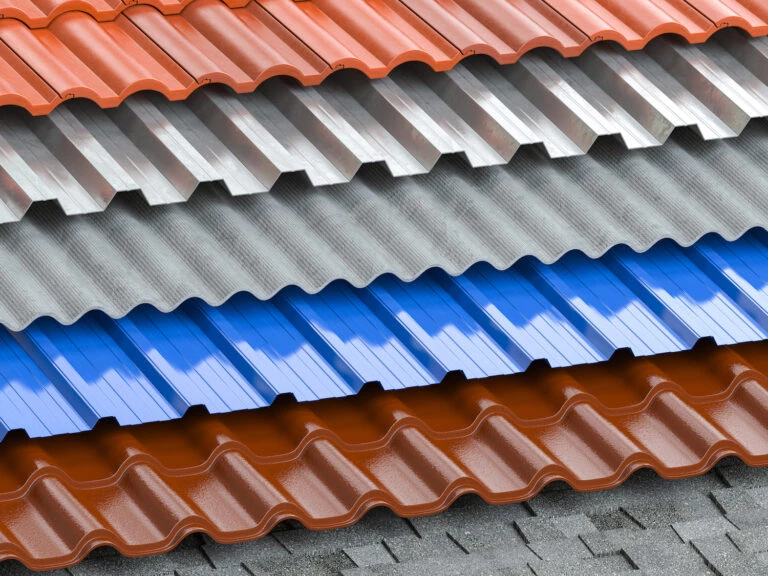
Your roof is undoubtedly one of the biggest investments you can make in your home— so you want to get it right. The thing is, there are so many more roofing material options than ever before. While asphalt shingles remain the most popular roofing material in America, you can also consider these types of roofing materials;
Of course, to decide which roof material works best for your home, you want to compare their pros and cons, cost, and style options. Our guide should help you do that! By the end, you’ll be able to see the benefits (and downfalls) of the most common roofing materials used today.
1) ASPHALT SHINGLES
Asphalt shingles are a very basic roofing material, but still claim the throne as the top roofing material used today. They’re made of an asphalt material coated with a thick layer of granules that help protect against UV rays, temperature shifts, and weather elements. As asphalt roof is relatively inexpensive, easy to install, and comes in a variety of colors and styles.
PROS OF ASPHALT SHINGLES
- Inexpensive
- Many color and style options
- Easy to install
- Low-maintenance
- DIY-friendly
- It can be manufactured to be impact resistant
- Fit any style of home
- Easy to replace
CONS OF ASPHALT SHINGLES
- Susceptible to wind uplifts and hail damage
- Won’t install properly in cold weather
- Shortest lifespan of the top roofing materials (15-20 years)
- Less unique look
- Can crack in extreme temperature shifts
2) METAL
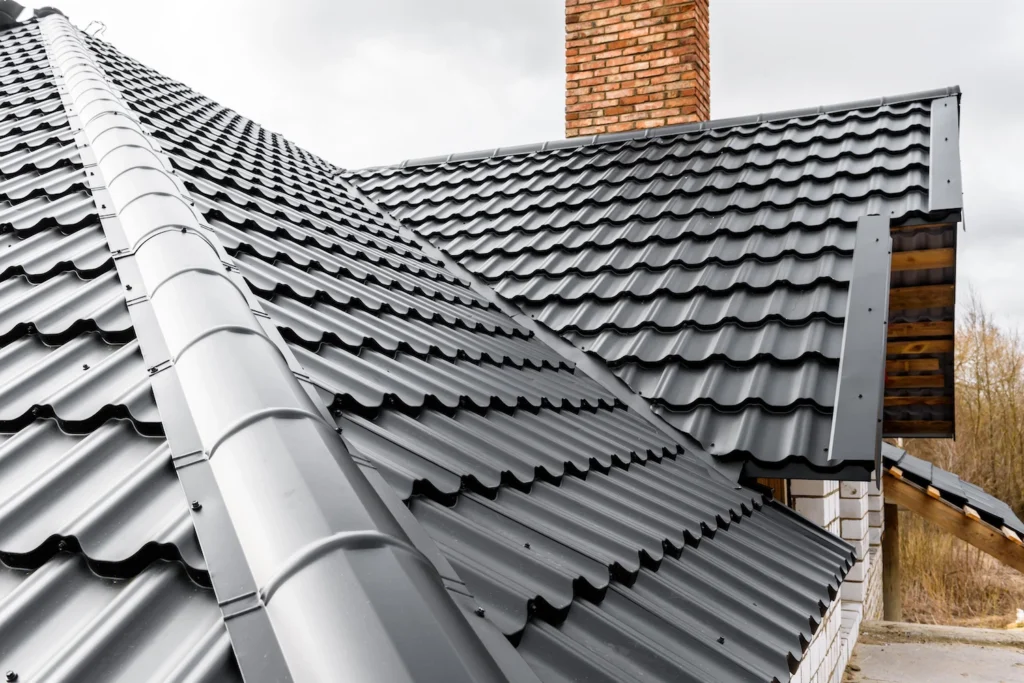
Metal roofing has been quickly climbing the ladder as another very viable option for residential homes. Metal roofs used to be just standing seam metal roofs— something you might see on a barn or shed. But now, with the manufacturing of high-end metal shingles, homeowners are jumping at the opportunity to upgrade their roof to a more durable version of a shingle.
PROS OF METAL ROOFS
- Extremely durable (50-70 year lifespan)
- Resistant to fire, wind, insects, and rot
- Energy efficient— can reflect solar rays
- Recyclable
- Low-maintenance
- Can be installed over existing roofs
CONS OF METAL ROOFS
- More expensive than other roofing materials
- It can be louder in rain and hail storms (especially if not adequately insulated)
- Can dent from large hail
3) CLAY TILE
Clay tiles have been around for a long time and are often more prevalent in southern desert regions. People choose clay tiles for their longevity, durability, and 100+ year lifespan. Some other benefits include the following:
PROS OF CLAY TILE
- It lasts a very long time (50-100 years)
- Durable and withstands severe weather conditions
- Resistant to fire, rot, and insects
- Natural insulator
CONS OF CLAY TILE
- Expensive
- Heavier than other roofing materials— requires a stronger roof deck
- Can crack in freezing temperatures
- Installation is complex and requires a professional
4) CONCRETE TILE
Concrete tiles are very similar to clay tiles in many ways, but they’re made of cement instead of clay. This difference means they’re a bit more flexible, which helps them withstand freeze-thaw cycles better (though they can still crack). They have all the same pros as clay tiles but with a few added benefits:
PROS OF CONCRETE TILES
- More flexible than clay tiles (less likely to crack)
- Long lifespan (50-100+ years)
- Very versatile and unique style options
- Eco-friendly
- Highly durable
CONS OF CONCRETE TILES
- Very heavy material
- Susceptible to cracks from large debris, foot traffic, or hail
- High upfront costs (but a long-term investment)
- Tend to fade over time
- Require a lot of maintenance to keep clean and free of algae and moss
5) SLATE
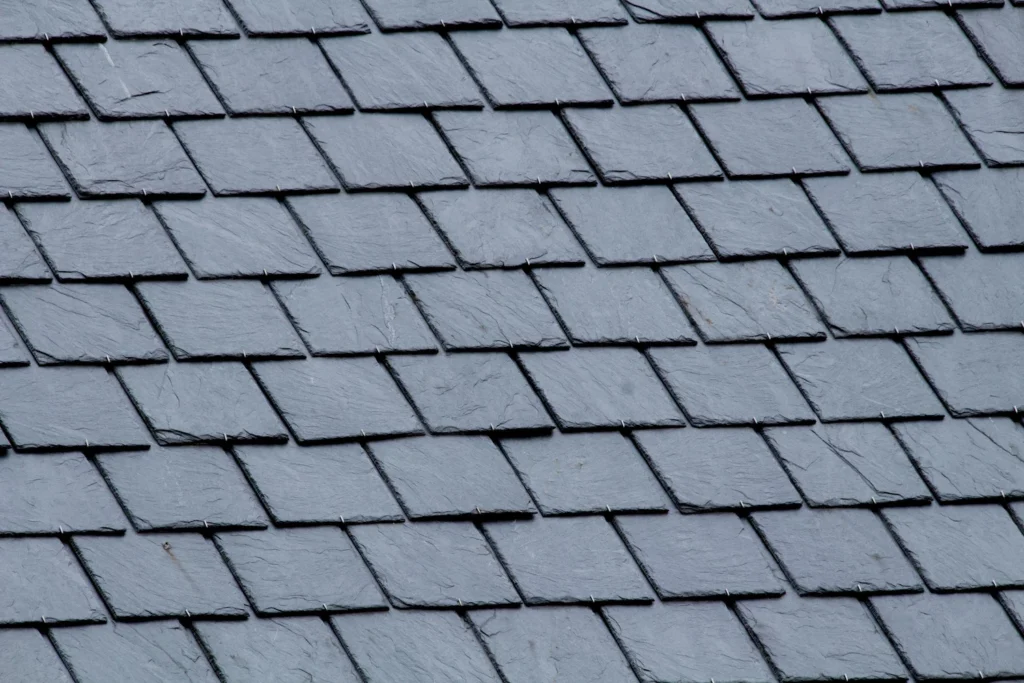
A slate roof is often called the “forever roof” because it lasts well over 100 years and even into the 200s. Slate roofs are some of the oldest roofs on record— take a trip to Europe, and you’ll see what we mean. While slate is not a common choice for standard residential homes, for those who do, they are making an investment that lasts long beyond their lifetime. Slate roofs can be ideal for churches or other structures that are meant to last for a long time.
PROS OF SLATE
- Lasts an extremely long time (100-200 years)
- Highly water resistant
- Fire resistant
- Beautiful and timeless aesthetic
- Very low maintenance
- Big increase in home value
CONS OF SLATE
- It’s very, very expensive averaging $20,000 – $38,000
- It weighs up to 4 times that of a standard asphalt shingle roof
- Heavy on the structure— requires reinforcing the roof trusses, most likely
6) SYNTHETIC SLATE SHINGLES
For a less expensive but just as long-lasting material comparable to slate, homeowners may choose synthetic slate or slate composite. This material has the beautiful look and the durability of slate but with a much lower price tag.
PROS OF SYNTHETIC SLATE
- Both the material and the installation are cheaper than natural slate
- Made of recyclable material
- Easier to find in stock
- More contractors can install synthetic slate vs. the real thing
CONS OF SYNTHETIC SLATE
- Depending on the quality of the manufacturer, some synthetic slate may not look as close to slate as others
- Can’t compare to natural slate’s resistance to water, fire, or rot
7) WOOD SHAKES
Lastly, wood shakes are an attractive option for your home’s roof. The aesthetic of a wood shake roof is so stunning and timeless— and it works great on most home styles, but especially something with a woodsy feel.
PROS OF WOOD SHAKES
- A natural insulator
- Resistant to pests and high winds
- Cedar shakes hold firm against UV rays
CONS OF WOOD SHAKES
- They fade into a grayish color that, for many, is beautiful, but some people may not like it
- It’s expensive for how short its lifespan is (15-30 years)
- It can be hard to notice cracks
- Require diligent upkeep and maintenance
As you can see, there is much to be said of these unique roofing materials. While comparing the pros and cons is very important to choose the best for your home, ultimately, people often choose based on price and style. But your contractor can help you in that decision-making process!
CHOOSING A REPUTABLE CONTRACTOR FOR THE JOB
When you find yourself seeking a new roof and want to upgrade your roofing material, talk to the pros at MARS Roofing. Our roofing professionals have seen all kinds of roofing issues and situations. And no matter how big or small your roofing project is, our goal is to ensure you get a roof that protects you and your family for years to come. Get in touch to get started on your dream roof.

Dec 5, 2022 | Blog
Having your entire roof repaired can be costly. Homeowners need to know most insurance companies can help offset some of their roof damage expenses.
Before submitting an insurance claim, it might be beneficial to ask a roofing contractor to evaluate the damages. Your insurance agent may ask for estimates for roof repairs. However, your Insurance Company may provide an adjuster to estimate the damages. But, it never hurts to have a rough estimate of costs beforehand.
For further assistance in homeowners insurance, we have composed a list of four insurance replacement questions every homeowner should know.
1. HOW MUCH MONEY WILL I HAVE TO PAY TO HAVE MY ROOF REPAIRED?
The answer to this question depends on your insurance company. However, if your insurance claim is approved, you will usually only need to pay your deductible for roofing repairs.
2. WHAT DAMAGES DOES MY INSURANCE COMPANY COVER?
Depending on insurance companies and the conditions of your homeowner’s insurance coverage, most damages to roofs by insured homeowners are covered in the following events:
ACCIDENTS
Most insurance policies cover damage to roofs caused by accidents, such as accidental discharging of water or steam, electrical surges, cracked pipes, or other faulty household products.
FIRE DAMAGE
Generally, most insurance policies cover damage to roofs caused by fire and smoke, wildfires, and vandalism.
WEATHER RELATED DAMAGE
In many cases, insurance companies also cover damage to your roof due to storm damage, such as sleet, ice, prominent hail damage, wind damage, or snow landing on your roof.
FALLING OBJECTS
Often roofs become damaged from falling objects, such as tree branches falling due to lightning. Many insurance companies will cover damages to your roof caused by falling objects. If in doubt, consult your insurance adjuster and always read the fine print in your insurance policy to ensure coverage in the event of falling objects.
THIRD-PARTY VANDALISM
Most homeowners are covered if their roof becomes damaged due to vandalism, theft of shingles, or other essential roof parts.
NATURAL DISASTERS
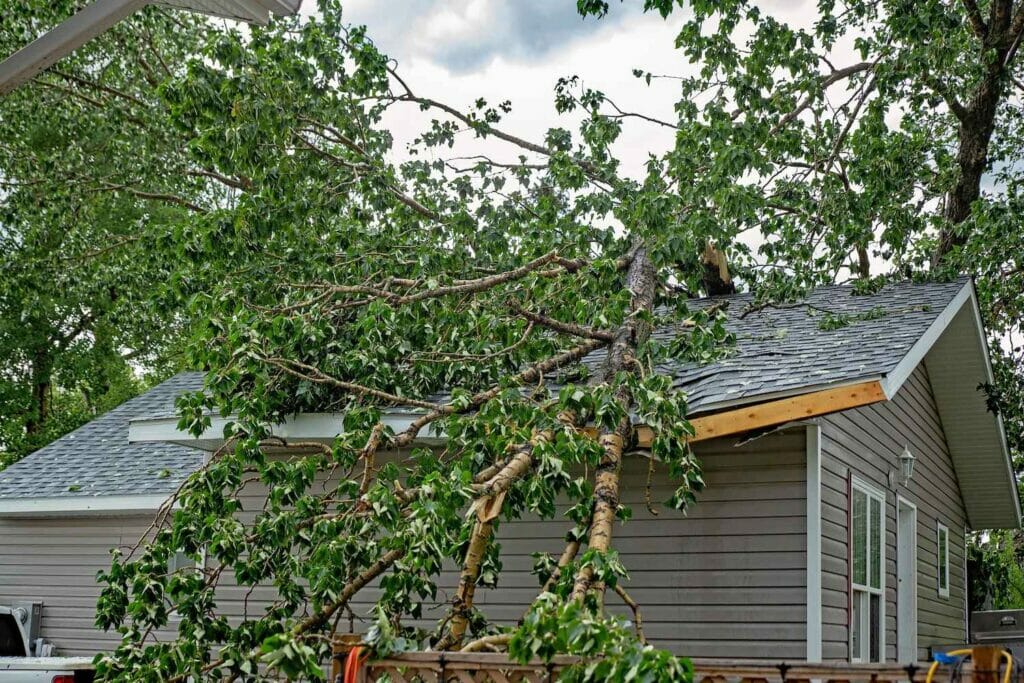
In some cases, there is coverage if a roof becomes damaged from natural disasters, such as hurricanes, tornados, and severe thunderstorms. However, not all policies cover roof damages caused by natural disasters, so it is always best to check with your insurance provider before submitting a claim.
Most insurance companies also have stipulations in the fine print of your insurance policy that you must adhere to to be eligible for insurance coverage, such as:
- Keeping up with regular maintenance
- Replacing old and faulty materials
- Having work done by a reputable contractor
3. HOW DOES AN INSURANCE ROOF REPLACEMENT PROCESS WORK?
When it comes to having repairs done through an insurance company, nothing moves as quickly as you’d like. Every step goes through the proper channels before advancing to the next stage.
To help answer some of your questions about the procedure, we have put together a step-by-step guide on how the insurance roof replacement process works:
STEP 1: ACCESS THE DAMAGE TO YOUR ROOF
The first step is to check the damage sustained to your roof. If only minor repairs are needed to fix your roof, you might decide to pay for the damages out of your pocket to avoid an insurance claim.
However, if there are costly damages to your roof, you need to call your insurance company. Your adviser will start an insurance claim on your behalf.

STEP 2: EXPECT A VISIT FROM INSURANCE ADJUSTER
When speaking to your insurance company, they will schedule an appointment for an insurance adjuster to visit your premises and estimate the damages to your roof.
Some insurance companies may ask you to provide insurance quotes by obtaining a qualified roof contractor to estimate the damages to your roof.
STEP 3: CLAIM APPROVAL
After the damages to your roof are estimated by your insurance company or a reputable roofing company and reported to the insurance adjuster, your insurance claim will either be approved or denied.
There are several factors for an adjustor to consider before an insurance company approves your insurance claim, such as:
- The cause of damages
- The shape of the existing roof before damages
- Whether or not maintenance and repairs were kept up
STEP 4: REPUTABLE ROOF CONTRACTOR IS HIRED
A reputable roof contractor can now be hired to repair your damaged roof. Some insurance companies will provide the contractor for you, while others will allow you to choose your reputable contractor. Some insurance companies may also ask for more than one insurance quote from reputable roofing contractors.
Before the work can begin on your roof, the contractor will submit a proposal to your insurance company. If your insurance company accepts the proposal, papers will be signed between both parties on a set price for the repair work to be completed.
STEP 5: WORK COMPLETED
Once your insurance claim is approved and the terms of the roofing contractor are accepted by your insurance provider, repair work on your roof can begin.
Steps may vary slightly, depending on the insurance company. From beginning to end, this can be a lengthy process when it comes to having the work completed through insurance.
4. WHAT IF MY CLAIM IS DENIED?
Not every insurance claim is approved. There are several factors insurance companies take into account, including:
- The time it took to report your damage claim to the insurance company
- The amount of damage to your roof and the replacement cost
- The type of damage and if it is covered under your insurance policy
5. WILL MY PREMIUMS INCREASE AFTER FILING AN INSURANCE CLAIM?
Again, every insurance policy differs. However, after filing a roof insurance claim, expect your premiums to increase from approximately 9% to 20%, depending on the number of previous insurance claims. The actual cash value per year will vary depending on the amount of your insurance policy.
FINAL THOUGHTS
Roof repairs can be daunting when you are unfamiliar with the ins and outs of insurance claims. However, it doesn’t have to be complicated when you know what to expect from your insurance provider. We hope we have provided valuable answers to your insurance roof replacement questions every homeowner should know.
Dec 2, 2022 | Blog
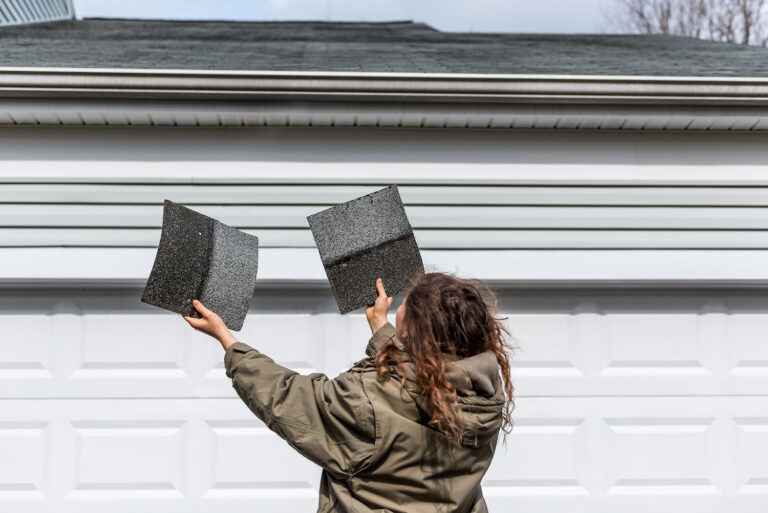
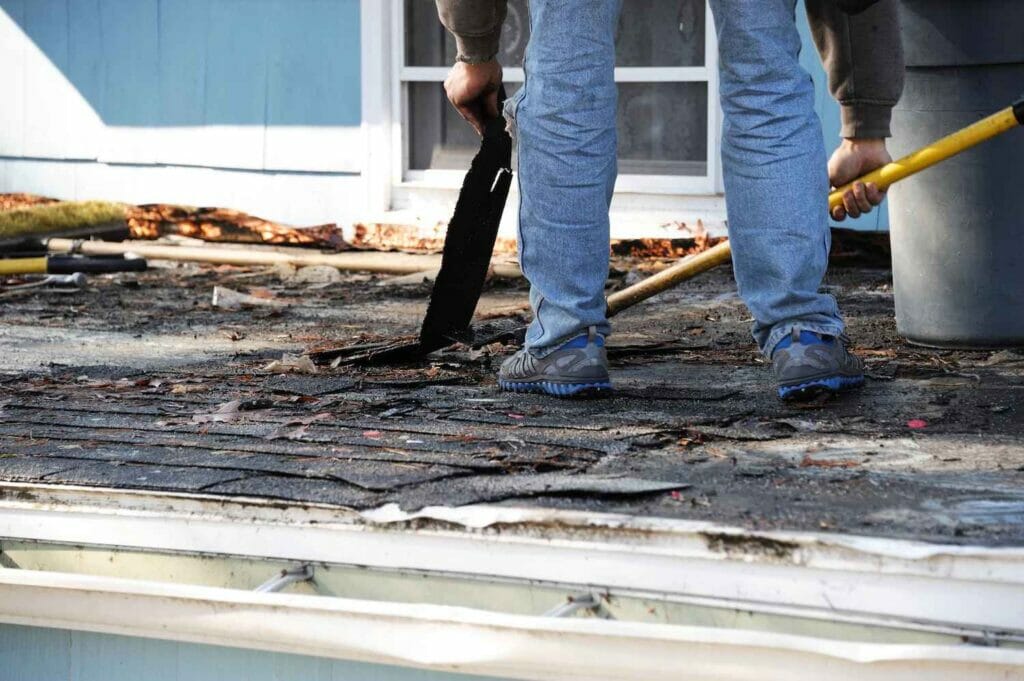
Are you a first-time homeowner that’s considering a roof replacement? Like most homeowners, you’re probably unsure what to do and maybe a little nervous about the process. You may also not be sure of the safety precautions you should take when trying to replace the old shingles.
Fortunately, there are some tips you can follow to make sure that the whole process goes smoothly and that you don’t overlook anything. They will make your roof replacement as safe, reliable, and effective as possible.
Keep reading to learn more about these tips in home improvement.
1. GET AN INSPECTION
Getting a roof inspection is essential when planning shingles replacement in home improvement. There can be plenty of problems you don’t notice until after the roof is removed. This is especially if the roof has been there for a while.
Before removing the roof, it’s a good idea to have services from a trained professional inspect it to ensure no problems are overlooked. These professionals can check out anything from the roof pitch to the roof vents; releasing hot air to the flashing. They can even check for any possible wood damage on the decking before placing new shingles.

2. MIND YOUR KIDS AND PETS
Roof work zones are some of the most dangerous places to be, especially if you have young children or pets. Loud noises and vibrations can be extremely bothersome to children and pets and can be a real distraction while work is being done.
Minding the life of your kids and pets and keeping them away before starting any services would be best. You can even ask a friend or family member to watch them if you have to for roofers to complete re roofing successfully.
3. BE SURE TO RELOCATE ALL YOUR VEHICLES
On top of keeping your children and pets safe, remember to relocate all your vehicles. This is because your roofing contractors will need ample space to place all their asphalt shingles and other components like tar paper they need to use while delivering their services.
As such, be sure to clear, move or cover all of your vehicles to ensure that they’re not in a position that will slow down their services (even when parked).
Also, remember to close your garage door, as you don’t want any dust or debris inside after the roof replacement.
4. REMOVE WALL DECORATIONS AND LIGHT FIXTURES
Home decorations and light fixtures can be pretty unstable. They can fall over or fracture if they aren’t correctly taken care of.
If you have such decorations or items; rustic in any way, be sure to ask your roofing contractor if they can remove them from the walls before starting the roof replacement project.
Removing them from the walls will ensure that they aren’t broken, and you won’t have to worry about them coming loose and falling while work is in progress.
5. LET YOUR CONTRACTOR KNOW ABOUT ANY ACCESS ISSUES
If you have any areas that are difficult to reach or need special equipment to get to, be sure to let your contractor know about them. They should be able to plan their construction project around these areas to ensure they can access all necessary areas. For instance, you may have issues with your decking and may have to remove it before installation begins.
6. COVER ALL YOUR ITEMS IN THE ATTIC
Most homeowners are concerned with the safety of their items. Fortunately, this is something that your contractor can quickly help you with. Before the workers start removing the old roof, ensure you protect everything in the attic.
One way to do this is by placing a tarp over it. This will keep your entire items safe, and it will also keep them from getting damaged.
After they complete construction, consider thoroughly vacuuming your attic and decking to remove dust.
7. RELOCATE YOUR PATIO FURNITURE AND GRILLS
When the new roof is installed, the patio area could be where workers stack materials like architectural shingles and tar paper and dispose of waste. A table or grill could easily get damaged if it’s in the wrong place. As such, ask your contractor to put these items away for you.
If you have a spacious garage, you may want to move your grill, patio furniture, and other items like potted plants and lawn ornaments. It will free up space around the house and keep them safe when the project is going on.
If you do not have a garage, place the items in an area far from the work area.
8. CUT GRASS AND PRUNE TREES BEFORE PROJECT START
Before installing your new roof, you should trim back any excess grass or tree branches in your yard. This is important for two reasons:
- It will ensure that the workers have plenty of space to work when replacing the roof. This is especially important when it comes to working on the new roof.
- It will ensure contractors don’t need extra work while replacing the roof.
While you prepare to cut grass and prune trees, also be sure to use drop cloths at your neighbor’s perimeter. It will help protect them from any nails or debris falling or getting on their lawn during roofing.
9. IDENTIFY DIFFERENT ACCESSIBLE POWER OUTLETS
Some power outlets may be accessible from the outside of your house. As such, you will want to provide your contractor with a list of these outlets.
This is important because, during roofing construction, there could be situations where the roof contractors will have to run cables through these areas. Not only will this make the process easier, but it will also ensure that no unnecessary tear occurs.
10. REMOVE YOUR ANTENNAS AND SATELLITE DISHES
You may want to remove antennas and satellite dishes before new roof construction begins. It will help prevent any unnecessary damage to the dish or antenna, and it will also help to simplify the process.
11. INFORM YOUR NEIGHBORS EARLIER RATHER THAN LATER
You’ll want to make sure that your neighbors are aware of the work that you’ll be having done. As such, you may want to inform them several days in advance before work begins.
This way, they won’t be bothered when they stay home, and you’ll be sure to protect everyone during the whole process.
12. CLOSE YOUR HVAC DUCTS
There will be a lot of dust during roof replacement. As such, it’s always a good idea to close your ducts and vents before construction begins.
It will keep them from getting damaged or filled with debris during installation.
CONCLUSION
In roofing lingo, “prep” is often used to mean “prepare.” Preparing for a new roof installation is essential because it will help protect your home and make the process and cost easier.
Contact us today for a free consultation for your needs, such as our roof cost estimates.
Nov 30, 2022 | Blog
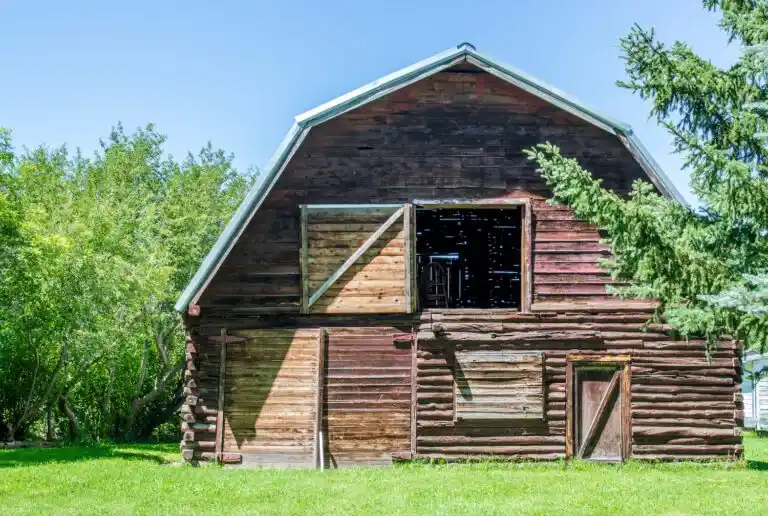
A gambrel roof is a type of roof most commonly associated with classic red barns. See, you can already picture it in your head, can’t you?
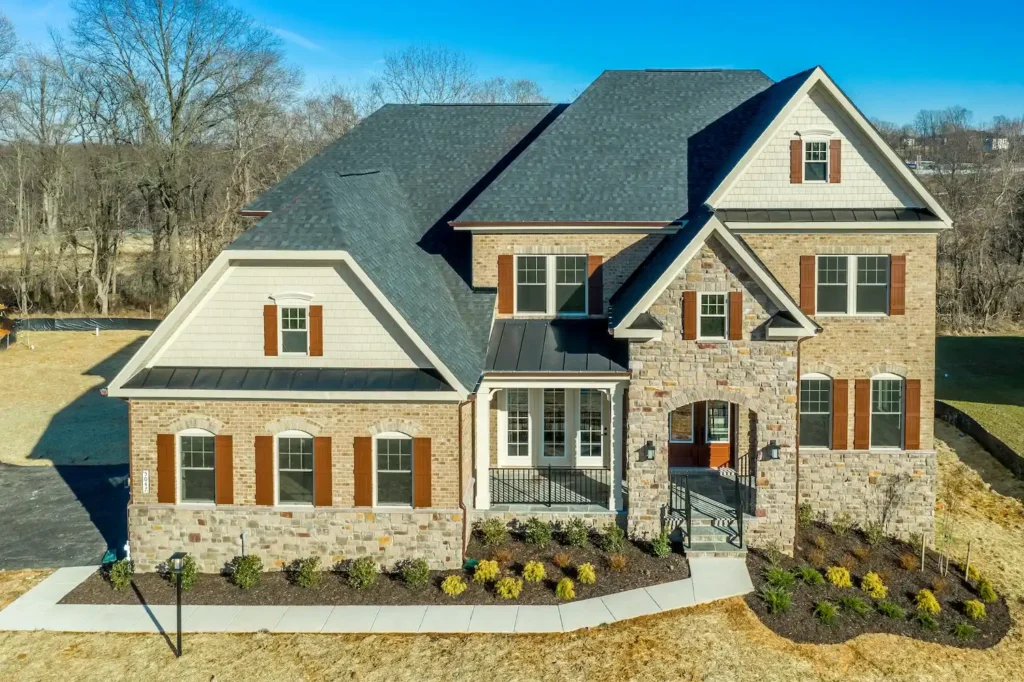
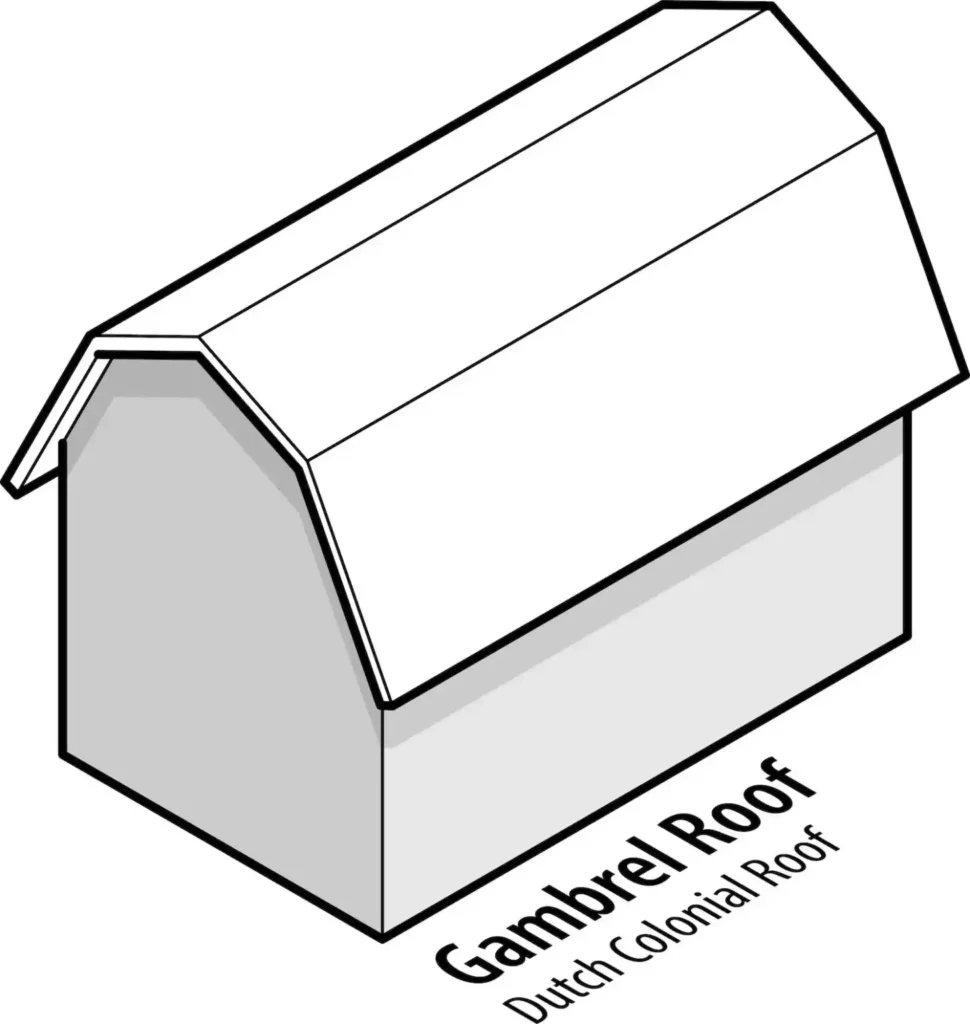
But gambrel roofs can also be utilized on some homes today— mostly Dutch colonial style houses. This roof is defined by four slopes on each side, all angling up to meet at a center peak. A gambrel-style roof has many pros and cons, which we’ll go through today so you can be educated on whether or not a gambrel roof is right for you.
GAMBREL ROOFS DEFINED
It’s unclear when or why gambrel roofs came to be, but we can confidently say they’ve been used on barns and old homesteads since at least the late 1600s— wow!
A gambrel roof is defined by its four sloped planes on each side of the roof. It’s like a standard gable roof in that it has a peak and two sides, but each side angles in the center, making 4 rectangular planes. The benefit of this is that it allows a lot of extra space in the upper floor of the structure (like a hay loft) while still allowing snow, water, and ice to run off easily.
Gambrel roofs can technically be considered multi-pitched roofs because of their multiple peaks or ridges. These types of roofs can be hard to decipher from others when doing research since they also go by other names like gable roofs, dual-pitched roofs, or dutch colonial roofs.
But no matter what, they are a very viable option if you want your home to have a dutch colonial look to it, or are roofing a barn, shed, or similar structure. Before you do so, consider the following pros and cons of a gambrel roof.
WHAT ARE THE PROS OF A GAMBREL ROOF?
In addition to their unique curb appeal and shape, gambrel roofs have many benefits, including:
BEAUTIFUL AESTHETICS
One of the most significant advantages of a gambrel roof is that it looks good. This type of roof can add country charm, sophistication, and visual interest to any home. Its unique structure definitely stands out in a cookie-cutter neighborhood, and if you’re looking to boost curb appeal, it’s just the way to do it.
EASY-ISH INSTALLATION
Another perk of gambrel roofs is that they aren’t too difficult to install. While the process definitely requires precision and an expert roofer, it doesn’t require any special equipment or techniques. This makes it a more affordable option than some other types of roofs, like a mansard roof.
ENDLESS OPTIONS FOR MATERIALS AND COLORS
You can put just about any type of roofing material on a gambrel roof, and it will both look good and function well. Whether you want tiles, shingles, metal, or something else— chances are it’ll work with your gambrel roof. However, asphalt shingles and metal are probably the most common.
CREATES A TON OF USEABLE SPACE
As we mentioned, one of the defining characteristics of a gambrel roof is that it has four sloped planes on each side, two of which are steeper than the others. This allows for a lot more usable space on the top floor.
- If you put a gambrel roof on a barn, you could have plenty of space for hay storage in the loft.
- If you put a gambrel roof on your home, you could maximize space for an attic bedroom, office, or storage space.
No matter what you use it for, the extra space is definitely a pro.
CAN BE COMBINED WITH OTHER ROOF STYLES
One of the best advantages of a gambrel roof is that it can be combined with other roofing styles. This gives you even more design options and allows you to really make your home or barn your own. For example, you could put a cupola on top of your gambrel roof for some extra flair or combine it with a gable or dormer roof to create an eye-catching design.
SIMPLE MAINTENANCE
Depending on the type of roofing material you use, your gambrel roof should be relatively easy to maintain. You need to keep gutters free and clear of debris, watch for any storm damage, and make repairs when necessary. It’s as easy as that.
WHAT ARE THE CONS OF A GAMBREL ROOF?
Unfortunately, no good roof is immune to some cons along with its pros. Some of the biggest downfalls of a gambrel roof include the following.
NOT VERY WIND RESISTANT
One of the gambrel roof’s biggest disadvantages is that it isn’t very wind resistant. Because of its unique shape, a bout of high winds could potentially lift your roof right off. This can obviously cause some serious damage to your home or barn and puts you at a higher risk for leaks and other problems.
LESS THAN IDEAL IN HEAVY SNOW CONDITIONS
If you live in an area that gets a lot of snowfall, a gambrel roof might not be the best option for you. The sloped planes on top have a more shallow angle and can hold a good amount of snow, which could potentially lead to collapse.
DON’T WORK WITH ANY STYLE HOME
While a gambrel roof can be combined with other types of roofs, it definitely doesn’t work with every style of home. If you have a ranch or cape cod style home, for example, a gambrel roof just wouldn’t look right.
Make sure you consider these cons before taking the plunge toward installing or buying a home with a gambrel roof. For a more hands-off, wind-resistant kind of roof, it might not be the one for you.
GETTING YOUR GAMBREL ROOF INSTALLED
Now that you know all about the pros and cons of a gambrel roof, it’s time to make your decision. If you’re set on getting this type of roof for your home or barn, the next step is to find a qualified roofing contractor in your area. Or, make the easy choice and go with the team at MARS Roofing.
If you have a gambrel roof that you want to make last, consider getting a FREE roof inspection from us. With regular maintenance and repairs, you can keep your gambrel roof in top shape for years to come. To learn more, get in touch with one of our roofing experts— they’re here to help!