
What Is Roof Decking: A Homeowner’s Guide

What Is Roof Decking: A Homeowner’s Guide

As a homeowner, you might not spend a ton of time thinking about the structural components of your roof. That’s alright. Roofing contractors, like us, think about it for you!

The fact of the matter is that your roof is a complex system designed to keep you and your home protected from the elements. That system includes:

  • Roofing materials, like shingles and shakes
  • Ridge vents
  • Flashing
  • Insulation

And, of course, we can’t forget the roof decking.

As the foundation of your roof, having a well-installed roof deck can be the key between a safe home and one that is prone to leaks and water damage. But what is roof decking? Read on to learn everything you need to know.

WHAT IS ROOF DECKING?

Roof decking functions a lot like the foundation of your home. It offers support to your roof and helps it maintain its structural integrity.

Roof decking comes in a variety of materials and is layered on top of your roof’s insulation before other roofing materials are attached. This provides an important protective layer for the interior of your home. Damaged roof decking can lead to water damage to the walls and ceiling of your attic space or mold and mildew growth in your insulation.

TYPES OF ROOF DECKING

Now that you understand what roof decking is, it is important to understand the options you have when it comes to roof decking materials.

PLANK DECKING

Got a historic home? It’s possible you are still dealing with plank sheathing decking material.

Plank decking material was the go-to choice for many years. These days, a roofing contractor knows better.

Made from rows of long wooden boards, this type of roof decking was once popular due to its stability and ability to hold lots of weight. However, any professional roofer will now tell you that this style of roof decking is known for needing roof repairs, as they are prone to cracking and breakage.

If you’re looking to update your roofing system, we recommend starting by choosing a different roof decking material.

SHEET DECKING
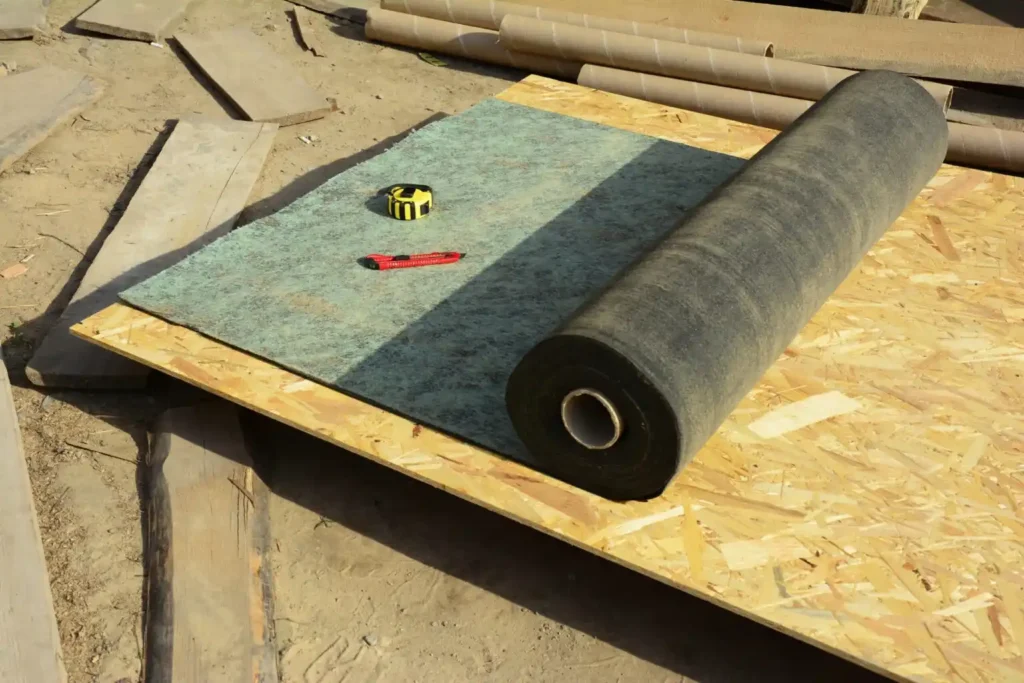
plywood roof decking with felt underlayment

Sheet decking, also simply referred to as plywood decking, is the most common type of roof sheathing used these days. Plywood is relatively affordable with excellent durability. It is also fairly resistant to moisture, making it a great choice if you live in a damp climate.

METAL DECKING

Metal decking is not often used in residential buildings but is quite popular for commercial properties!

When it comes to durability, you simply cannot beat metal sheathing. It stands up well to all sorts of extreme weather conditions, such as rain, hail, and snow, making it suitable for almost all climates. Adding metal decking during your roof replacement can help you save on energy costs, as well, as it is a great insulator.

That being said, if you are replacing your entire roof system with metal sheeting, you will be looking at a significantly higher cost than you would find with either sheet of plank decking.

3 SIGNS YOU NEED TO REPLACE YOUR ROOF DECKING

Not sure whether it’s time to replace your roof deck or if you should wait for a while? Here are some signs that it is time to schedule your roof decking replacement.

1.) Leaking Roof

If you have been noticing roof leaks, it’s important that you contact a roofing professional ASAP. Leaks are a sure sign that your roof deck has been damaged and can lead to bigger, more expensive problems down the road if not dealt with promptly.

2.) Rotten Decking

Doing some routine roof repairs and notice that a part of your roof feels spongy? It’s time to invest in a new roof. A spongy roof is a telltale sign that your decking is in need of speedy replacement.
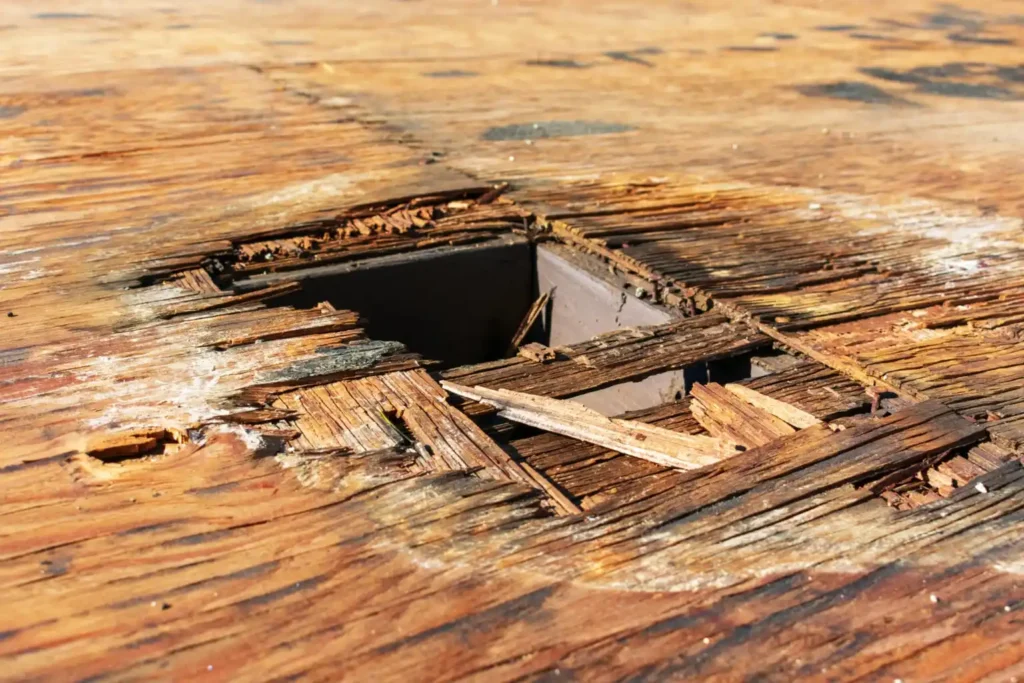
rotten roof decking

3.) Uneven Roof

If you are struggling with things such as ice dams or pooling water, it may be that your roof deck was improperly installed. Without an even roof, you will have trouble getting proper drainage and might be facing some serious water damage problems.

HOW MUCH DOES IT COST TO REPLACE ROOF DECKING?

So, you’re ready to start the roof replacement process. But how much should you budget for?

In general, homeowners who are replacing roof decking can expect to spend anywhere between $7000-$12,000 on a new roof deck. This number will change depending on the size of your home and the type of roofing materials that you choose to purchase.

CONTACT A ROOFING CONTRACTOR

Ready to get started? When it comes to installing new roof decking, you can count on the team at MARS Roofing to take care of your home. Contact us today to set up your free roof inspection and get started.
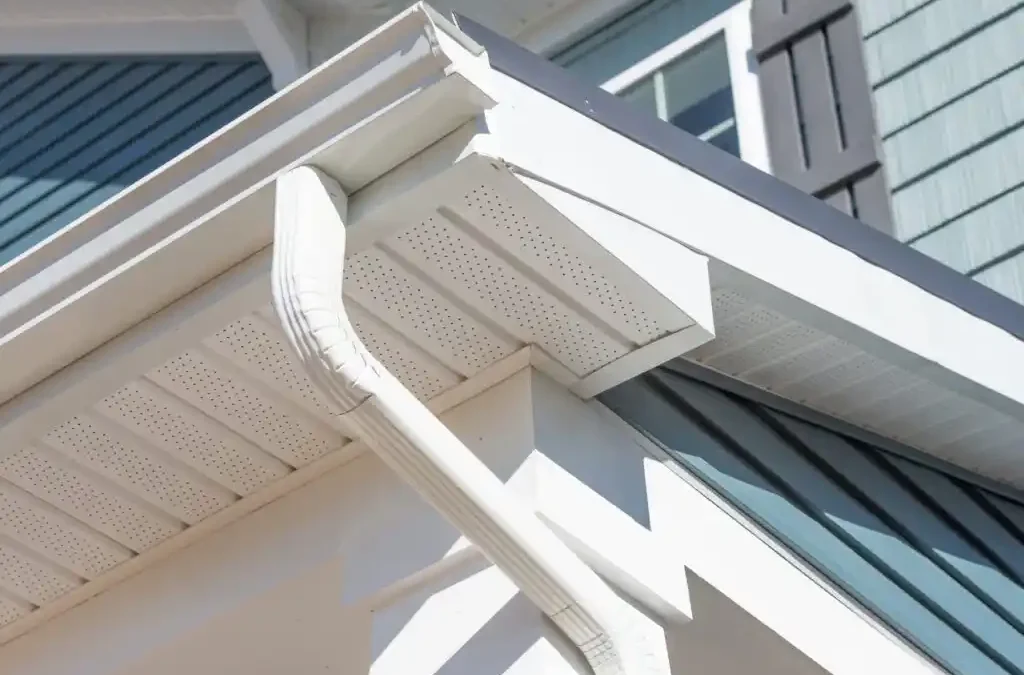
What Is A Roofing Drip Edge? A Simple Breakdown For Homeowners

What Is A Roofing Drip Edge? A Simple Breakdown For Homeowners

As a homeowner, you may not know all the ins and outs of your roofing system. You know there are shingles and that damaged shingles can cause leaks, but there is a myriad of components that make up a good roofing system. And the drip edge is one of the least visible but most important parts of the whole thing. The main purposes of a drip edge are:

  1. Direct water away from your fascia.
  2. Protect against wind-driven rain.

Simply put, the roof’s drip edge is a type of flashing that helps deter water from the roof’s edge. Our guide will go more in-depth as to what a drip edge is and why it’s so important.

WHAT IS DRIP EDGE FLASHING ON A ROOF?

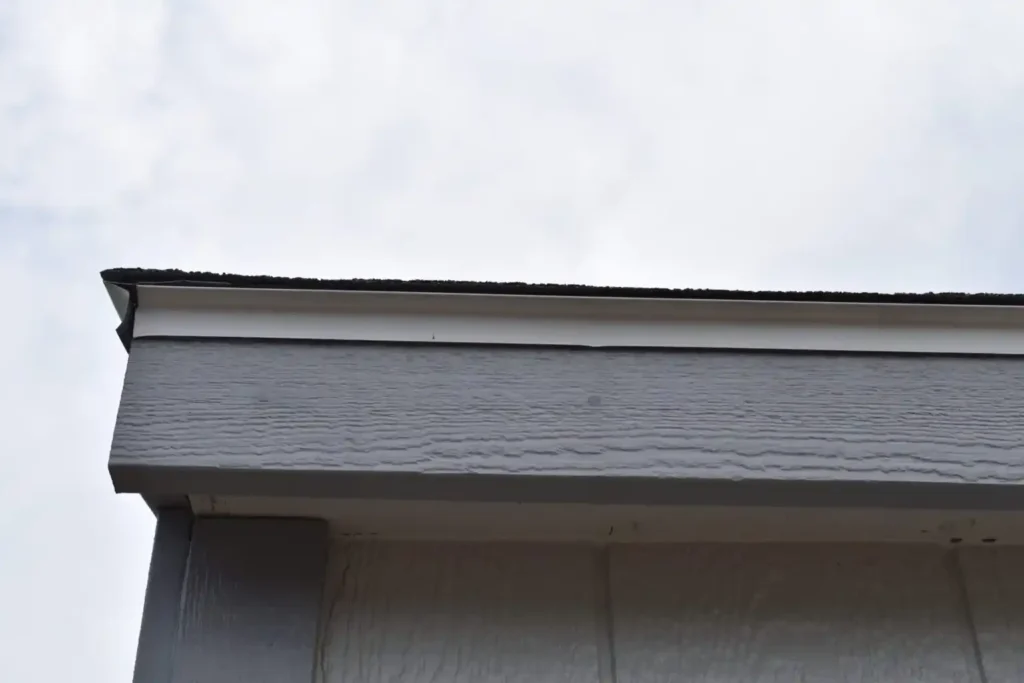
what is drip edge - close up image of roofing drip edge

Roof flashing is a thin piece of impervious material that is installed at any joint, corner, or seam on your roof that ensures a watertight seal. Types of roof flashing include:

  • Step flashing
  • Pipe boot flashing
  • Valley flashing
  • Counter flashing
  • Chimney flashing
  • Cap metal flashing
  • Drip edge

The drip edge is just one of many types of flashing on your roof, which all together work as weatherproofing for your entire roof. In fact, drip edges are one of the most effective moisture control methods for shingle roofs or any structure.

The roof drip edge is often the very first thing installed on a new roof before your roof’s shingles. This metal flashing directs water away from the fascia boards and roof underlayment and guides it right into the gutters.

WHY IS DRIP EDGE IMPORTANT?

A well-constructed drip edge will protect your home in multiple ways. Most notably, it helps to keep water off the roof deck and away from the fascia. Additionally, the drip edge helps:

  • Provide a finished look to the roof’s edge. This is especially true for homes with gable roofs, where you can see the drip edge from ground level.
  • A good drip edge helps keep critters out of your attic. Rodents and other small creatures can easily sneak under the eaves or fascia boards, but when a drip edge is installed properly, it creates a barrier that prevents them from getting in.
  • Protect the fascia and soffit boards from water damage. Water can collect in these areas, leading to rot and other issues. With a drip edge, the water is directed away from the area before it has a chance to cause damage.
  • Protects against ice dams that can cause damage to your roof’s deck and shingles.

Without this critical component, water runoff can seep beneath the shingles and cause damage to the wood decking, which could eventually lead to wood rot and structural damage. Drip edges are an affordable way to protect your home and extend the lifespan of your roof. Without it, you are leaving your home vulnerable to the costly water damage caused by water and critter infiltration.

HOW TO TELL IF YOUR DRIP EDGE IS DAMAGED

Once your drip edge is damaged, your roof is immediately susceptible to water damage or other issues. Some tell-tale signs that your drip edge is damaged or missing include:

  • Leaking or water pooling near the roof’s edge.
  • Water dripping behind the gutters, leaving stains on your home’s siding.
  • Staining or rotting on the fascia boards.
  • Water stains on the roof eaves or the ceiling near your outer walls.
  • Warped shingles on the roof’s edge.

The moment you notice any of these signs, get your roof assessed right away. The drip edge is vital to keeping your roof healthy and leak-free. This is true for all of your roof’s flashing.

The flashing is often the first thing that needs to be replaced before any other roofing component, so always keep a keen eye out for any signs of leaks coming from the roof— it could mean flashing failure. But it’s a simple fix as long as you catch it early enough.

ENSURING A PROPER DRIP EDGE INSTALLATION

Most building codes require a new drip edge to be installed with any new roof replacement. Always choose a roofing contractor who ensures you’re getting a high-quality drip edge along with sturdy roofing materials. At MARS Roofing, we use only the best roofing materials in the industry and will always install your drip edge and gutters properly, so you don’t have to worry about a thing.

Prevent rust, mold growth, and water leaks with a proper drip edge installation. Contact MARS Roofing for your next roofing project.

Hexagonal Roofs: Everything A Homeowner Needs To Know (Guide)

Hexagonal Roofs: Everything A Homeowner Needs To Know (Guide)

You’re probably thinking, “who on earth has a home with a hexagonal roof?”. Well, you’re not wrong. People don’t really utilize hexagonal roofs for their homes. However, you might see a hexagonal roof on:

Curious about how you can enhance your property with a stunning hexagonal roof? This guide will help!

WHAT IS A HEXAGONAL ROOF? 🛑

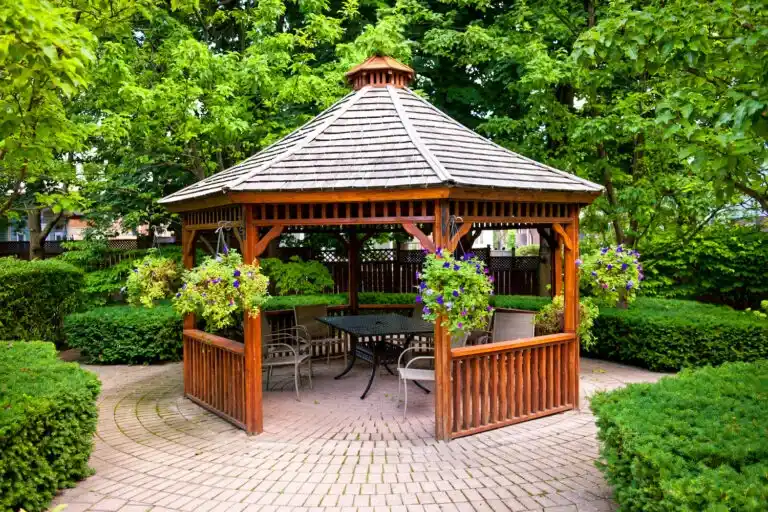
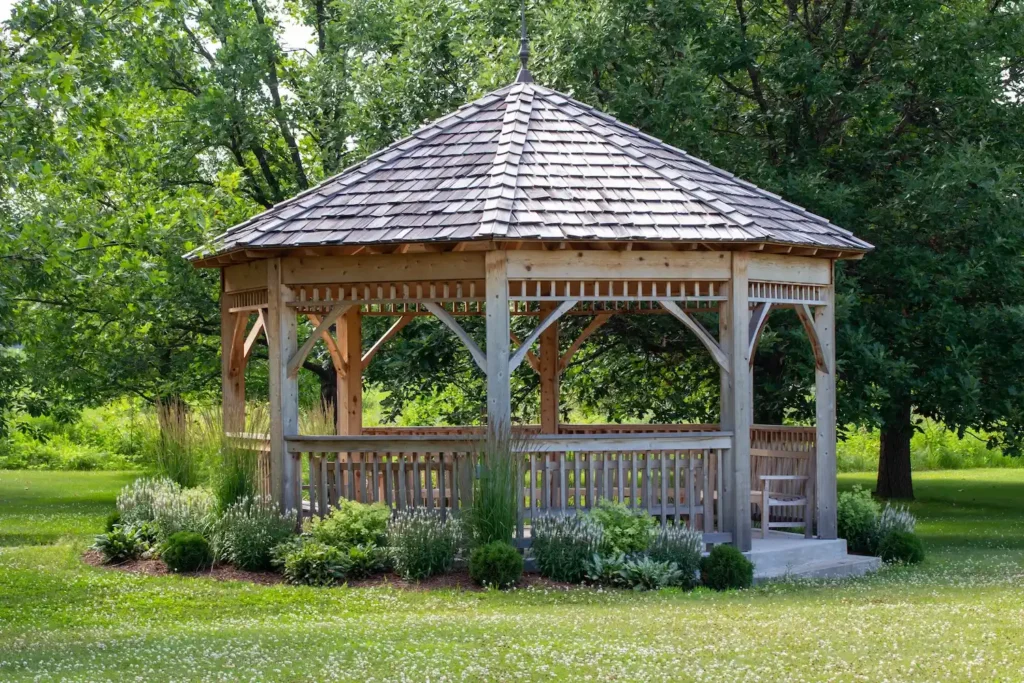
How well do you remember geometry class? If you recall, a hexagon has six sides, angles, and planes. Thus, a hexagonal roof is a six-sided roof with this unique shape. This type of roof is often seen on gazebos, sunrooms, and greenhouses. While it’s not a common roofing choice for homes, it can add a touch of elegance and style to any property. Here are some of the pros and cons of a hexagonal roof to consider.

✅ADVANTAGES OF A HEXAGONAL ROOF

  • Beautiful aesthetic
  • You can use any roofing material with it
  • Hexagon gazebos provide outdoor shade from sun and rain
  • Can be combined with other roof types on a home

🚫DISADVANTAGES OF A HEXAGONAL ROOF

  • Require complex carpentry and installation
  • Have a lot of seams that are susceptible to water leaks
  • Not ideal to be used for the main roof of a home

hexagonal roof gazebo in backyard

HOW TO BUILD A HEXAGONAL ROOF

Building a hexagonal roof can be quite complex and requires the right expertise to build the frame and rafters before even laying the roofing material. This simple step-by-step guide can help you get started!

🔨TOOLS REQUIRED:

  • 6 74-inch pieces of lumber for the rafters
  • Plywood
  • Tar paper
  • Mitre saw
  • Roofing materials (asphalt shingles, cedar shake, metal, etc.)
  • Nail gun and nails
  • Galvanized screws
  • Hammer
  • Silicone caulk
  • Utility knife

STEP 1— BUILD THE RAFTERS

The rafters make up the structure of a hexagonal roof and are the first thing to put in place before installing the roof, obviously. The rafters are made up of six pieces of wood that will meet in the center at a point. Your initial frame will need to be set first, which you can see here.

You have two options for installing your rafters:

  1. By assembling the roof frame on the ground, you avoid having to do all the work on top of a ladder. But you will need some help to lift and hold the roof frame while attaching it to the main railings.
  2. If you’re DIYing, it will be easier to install each rafter on top of the existing posts. Just make sure your ladder is positioned on a flat, stable surface.

You will want to cut the ends of your rafters to be 45 degrees so they can fit flush against the posts. Then, you’ll secure them using galvanized screws.

STEP 2— BUILD THE ROOF

After you’ve put up the frame for your roof, it’s time to add the bottom layer. You can use either plywood boards or slats— both work just fine. However, if you’re looking to save some time, go with the plywood boards.

  1. Measure one of the triangular sections of your roof, between two rafters. This will require some math: use these formulas to calculate the area of your triangle.
  2. Once you determine the size, trace the corresponding triangle shape on your first sheet of plywood, using the mitre saw to carefully cut it out.
  3. Repeat step 2 six times until you have all of your plywood pieces cut.
  4. Using a hammer or nail gun and nails, tack these plywood pieces to the rafters to frame your roof.

STEP 3— WATERPROOF THE ROOF

Just like any roof, waterproofing the roof deck (plywood) is vital to ensuring your home or structure stays safe from water leaks and damage. To do this, follow these steps:

  1. Cover the plywood boards with a sheet of tar paper and use staples to secure them.
  2. Next, you should install a breathable membrane that will allow air to circulate, decreasing the chance of condensation.
  3. Lastly, apply a thin layer of silicone caulk over the screw or nail heads to seal their holes which can be susceptible to minor leaks.

STEP 4— INSTALL THE SHINGLES

The final step is to install the roofing material of your choice! There are many different types of roofing materials you can use on a hexagonal roof, including asphalt shingles, cedar shake, and metal.

If you’re using asphalt shingles, start from the bottom and work your way up, overlapping each row as you go. Make sure to line up the shingles with the center of each rafter so that they’re evenly distributed. Following the manufacturer’s instructions will be key to instilling these properly. Just keep in mind that a hexagonal roof will have six peaks that require proper flashing and sealant to ensure a watertight seal.

And there you have it— your very own hexagonal roof!

WORK WITH TECTUM ROOFING FOR YOUR CUSTOM ROOFING NEEDS

If you’re looking for a custom roofing solution, look no further than MARS Roofing. We specialize in creating one-of-a-kind roofs for all types of homes and commercial buildings. No matter what your vision is, our team of experts can make it a reality. Contact us today to get started on your project!

Dormer Roofs: A Simple Guide For Homeowners

Dormer Roofs: A Simple Guide For Homeowners

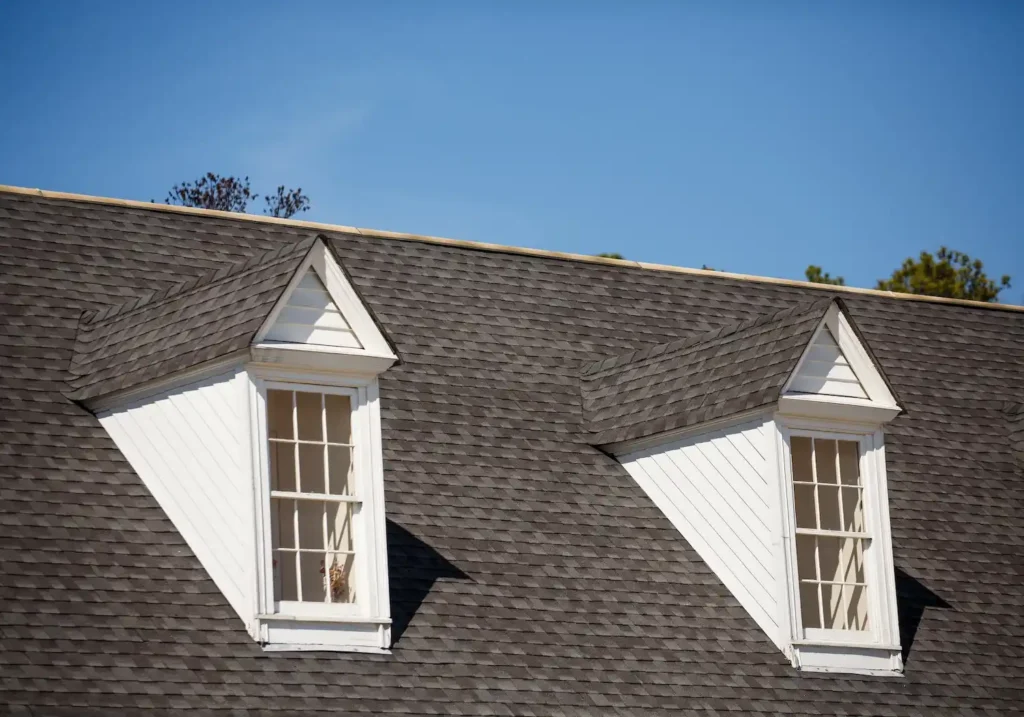
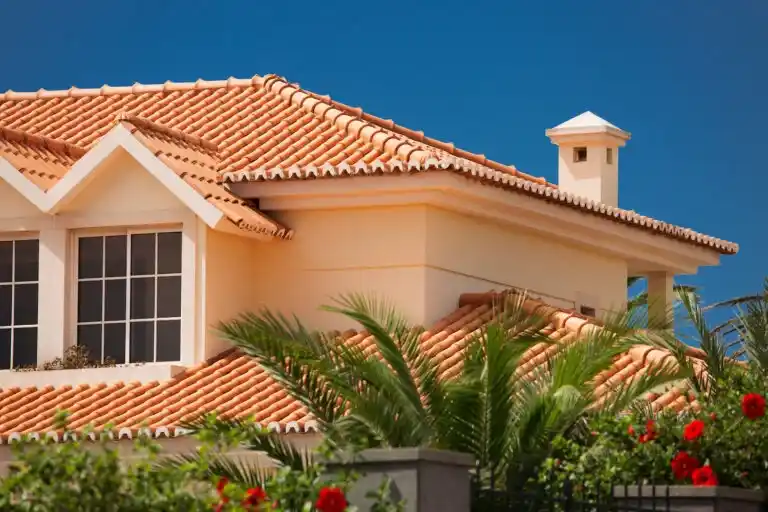
Have you ever been to a beautiful old house, and in their finished attic space, they have a cute little reading nook in the window? Maybe another one has a writing desk and some plants? These cute offshoots of the attic are thanks to them having a dormer roof. Dormer roofs are like a standard gable roof but with small roofed window additions that jut out the sides of the roof.

They’re a great way to add extra space and functionality to your home. However, it’s so much more than that. In this simple guide, we’ll cover everything about dormer roofs, from their pros and cons to how you can decide if one is suitable for your home.

WHAT IS A DORMER ROOF?

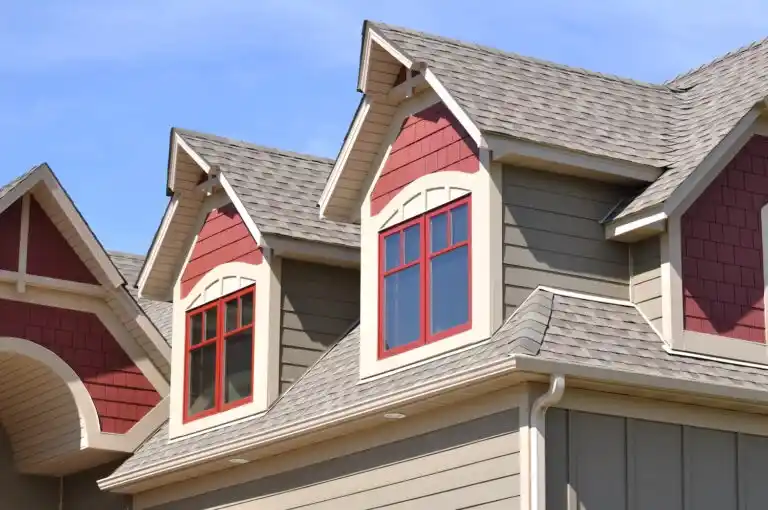
A dormer roof is a type of roof that has one or more dormers. Dormers are small, roofed additions that stick out from the main slope of the roof. They usually contain windows that help bring light into the otherwise dark attic space.

Dormer roofs are most commonly found on older homes. They were originally designed to add extra space and light to attics, which were often only used for storage. Nowadays, dormer roofs are still used for those same purposes. They’re also a popular choice for homeowners who want to create a more unique look for their home’s roof.

dormer roof brown home

8 TYPES OF DORMER ROOFS 🏠

There are many different types of dormer roofs. The most common are gable dormers, hip dormers, and shed dormers.

1) GABLE DORMER

Gable dormers are the most popular type of dormer. They have a triangular-shaped roof that resembles a traditional gable roof.

2) HIPPED DORMER

Hip dormers have a hipped roof, which means that the dormer slopes down on all four sides.

3) SHED DORMER

Shed dormers have a single-sloped roof. They’re the simplest dormer type and are often used to add extra light and headroom to attics.

4) EYEBROW DORMER

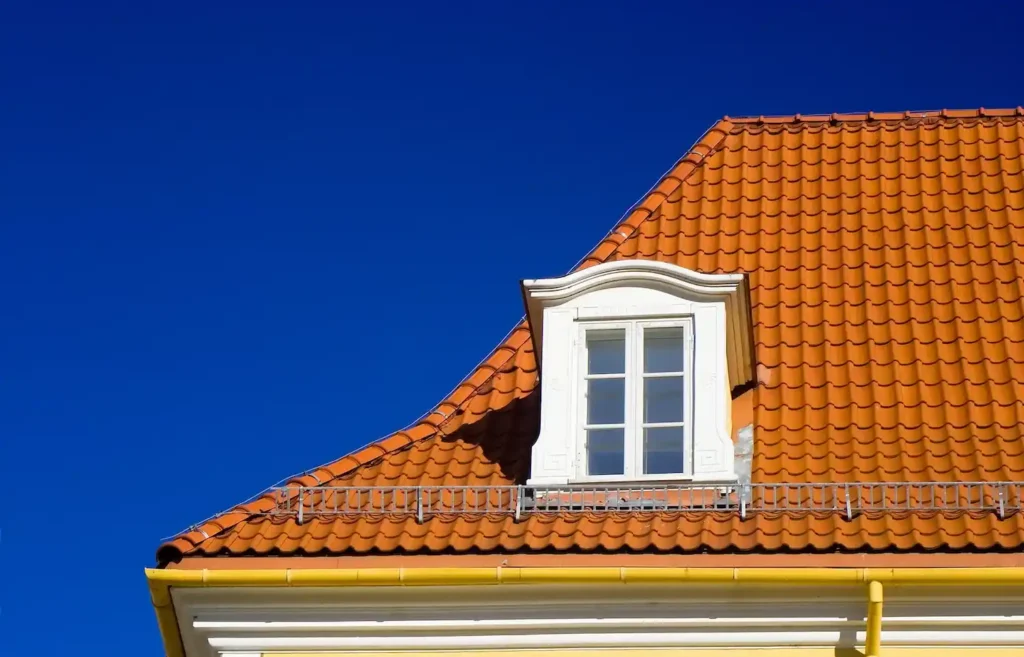
Eyebrow dormers have a curved semi-circle-shaped roof on the top— resembling an eyebrow. They’re often used for decorative purposes rather than to add additional space.

5) FLARED GABLE DORMER

Flared gable dormers are similar to gable dormers but with flared sides like a miniature hipped roof. This gives them a unique look and can help guide more rainwater away from the dormers and windows.

6) RECESSED DORMER

Recessed dormers are set back into the roof’s slope rather than sticking out. This gives them a more subtle look and can help to preserve the architectural integrity of older homes.

7) WALL DORMER

Similarly, a wall dormer sits almost flush against the rest of the roof and is most often found on very steeply sloped roofs. It helps create a usable attic space where even though there’s no dormer space; there is still a covered window to allow natural light into the attic.

8) POLYGONAL DORMER

Polygonal dormers have a multi-sided roof (usually 3-5 sides) that looks like, you guessed it, a polygon. This shape is far more decorative than anything else, but still a very viable type of dormer. They’re very aesthetically pleasing and offer something other dormer windows can’t.

All these dormer types can be made from various materials, including:

  • Wood
  • Vinyl
  • Aluminum
  • Steel

Most often, homeowners choose to use the same roofing material on their roof as they do the dormers, but it’s not necessary. For example, some homes might utilize a metal or copper roof on the dormers themselves as an added design element and to ensure more durability.

✅ WHAT ARE THE BENEFITS OF HAVING A DORMER ROOF?

There are many benefits to having a dormer roof. The most common are:

1) EXTRA SPACE AND FUNCTIONALITY

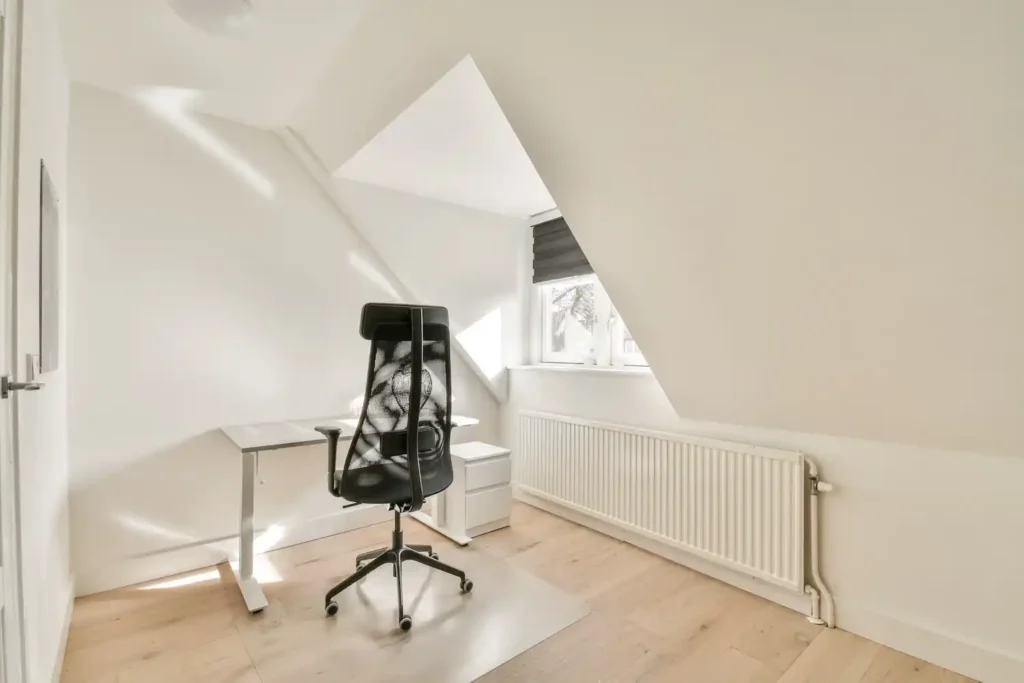
The most significant benefit of dormer roofs is the extra space and functionality they add to your home. Dormers can be used for various purposes, from extra storage to a small office or guest bed space.

2) MORE LIGHT

dormer roof white windows

Another big benefit is that dormers help to bring more light into your home. This is especially true if you choose to add windows to your dormers. The extra light can help to make your home feel more open and airy while maintaining airflow in an upper-floor attic space.

3) IMPROVED VENTILATION

Dormers can also improve the ventilation in your home. This is helpful in hot weather (or cold) when you want to open the windows and let some fresh air in.

4) ENHANCED CURB APPEAL

Dormers can also enhance the curb appeal of your home. They add character and interest to an otherwise plain roofline. This can be especially beneficial if you’re trying to sell your home.

5) INCREASED PROPERTY VALUE

Finally, dormers can also increase the property value of your home. This is due to the extra space and functionality they add as well as the enhanced curb appeal.

🚫 ARE THERE ANY DOWNFALLS?

Yes, of course. There are always pros and cons to things like this. When adding a dormer roof to your home, you’ll want to consider some of these potential downfalls first.

1) EXPENSE

Adding a dormer roof to your home can be expensive. It requires an addition to your roof, which means more materials and more labor. This can add up quickly, so it’s important to consider your budget before you move forward and add a dormer to your roof.

2) STRUCTURAL CHANGES

Another potential downfall is that dormer roofs require structural changes to your home. This means that you’ll need to get the proper permits and have a professional do the work to avoid any issues.

3) RISK OF LEAKS

Dormers are basically an addition to your roof, which means they come with all the same potential problems (leaks, drafts, etc.). To avoid this, make sure you choose a reputable contractor and use high-quality materials and always make sure there is proper flashing installed around the dormers to seal in those creases.

4) MAINTENANCE

Finally, dormers also require more maintenance than a regular roof. This is because they have more parts (windows, flashing, etc.) that can break or need repairs. Be prepared to do some regular maintenance on your dormer roof to keep it in good condition.

MAINTAIN YOUR DORMER ROOF THE RIGHT WAY

Just like any roof, you’ll want to ensure you maintain your dormer roof with immense care. Dormers can create a very susceptible spot for leaks to happen, especially if it’s not installed or maintained properly. Find yourself a team like MARS Roofing to help keep it in tip-top condition.

Our roofing experts can offer regular inspections and maintenance of your roof to ensure you catch issues early and uphold the integrity of your roof and home for years to come. Interested in learning more? Or want to see what a dormer roof might look like on your home? Schedule a FREE consultation today!

What Is A Mansard Roof? (Pros & Cons)

What Is A Mansard Roof? (Pros & Cons)

A Mansard roof is a roof with very distinct characteristics, such as slopes on each side. These types of roofs have what you would call an “old-world” quality to them, and they have remained relatively popular throughout time. Some reasons why a mansard roof is a great choice include:

  • The beautiful aesthetic
  • The added attic space
  • The opportunity to add on

In this article, we’re going to take a closer look at mansard roofs and what advantages (and disadvantages) they come with.

THE DEFINITION OF A MANSARD ROOF

mansard roof orange

A mansard roof— also known as the French roof or curb roof — is generally defined by its four sloping sides. It’s often confused with two-sided gable roofs, gambrel roofs, and hip roofs (which are primarily associated with barn houses). However, they aren’t the same thing.

One of the primary characteristics of a mansard roof structure is that it’s hipped, meaning that it has four sections that tilt downward toward the walls of the house and are all roughly the same shape. The two opposite sides of a mansard roof also have a significantly steeper slope than their adjoining faces.

Their overall shape provides a vertical expansion that offers top-level room space, minus the pointy top. They also typically feature dormer windows, which allow more light into the space, making for a more liveable upper floor.

A BRIEF HISTORY OF THE MANSARD ROOF

The mansard roof style has an architectural history that can be traced back to the type of buildings that existed throughout England and Italy during the 16th century. Of course, the Louvre, which was built in 1793, is historically noted for the roof’s “first appearance” crediting French architecture for its beginnings.

The style of the Louvre’s roof was eventually named after the French Baroque architect, Fraçois Mansart, who topped the Parisian countryside chateaus and hotels throughout the city with the roof. The mansard’s shape later became popular in Victorian architecture, which traveled to the United States in the mid-19th century.

The Victorian-style homes in the US during this time were referred to as “Second Empire homes,” as they emulated the revival of mansard roofs during the reign of Napoleon III in France — which was known as France’s Second Empire. This Second Empire design was added to major public buildings throughout America, specifically the Charity Hospital in New York City and the Corcoran Gallery of Art in Washington, D.C.

Both of these architectural works were completed by James Renwick and served as the roofing style inspiration for most civic buildings.

THE ADVANTAGES OF A MANSARD ROOF 👍

mansard roof inside

The advantages of the mansard roof include the following:

✅ Extra attic space. As mentioned earlier, mansard roofs have a more pronounced vertical slope, which provides more attic space. Combined with dormer windows and the length of the roof’s bottom slope, it easily enables the attic to become a lofty master bedroom if desired.

✅ Expandability. Despite the roof’s vertical nature, it has a mostly flat top — which offers homeowners flexibility should they decide to build an additional floor on top. This makes the mansard roof an excellent choice for homeowners looking to expand their homes in the future.

✅ Aesthetic value. Looks may be subjective, but this roofing style was an integral part of the French Renaissance period for a good reason. When constructed properly, it adds a certain level of elegance and sophistication, which in turn adds to the aesthetic value — especially since they can be tiled or shingled.

THE DISADVANTAGES OF A MANSARD ROOF 👎

Despite being sophisticated and practical for future planning, the mansard roof also comes with a few disadvantages:

❌ They’re not very weather-resistant. Due to having a flatter slope, the mansard style is more susceptible to leaks during heavy rainfall or snowfall. If not maintained properly, the entire roof could end up collapsing during a bad storm.

❌ High installation costs. These roofs have a pretty complex design, which naturally leads to higher installation costs. Additionally, thanks to the dormer windows along steeply raked bottom slopes, maintenance costs and repair costs tend to be higher compared to your standard roof.

❌ Contractor issues. Due to the complexity of their overall design and difficulty with upkeep, it can be difficult to find a roofing expert that’s familiar with installing, maintaining, and repairing mansard roofs.

WHAT TYPE OF ROOF IS RIGHT FOR YOU?

Given the right neighborhood and structure of your home, a mansard roof can give it an elegant touch that elevates its entire aesthetic. Of course, mansard roofs aren’t suitable for everyone.

If you’re in need of a new roof, let our experienced and licensed contractors help you choose what will work best for your home, budget, and other needs. Schedule your free inspection today, and we’ll handle the rest!

What Is A Butterfly Roof? Pictures, Pros & Cons, & More

What Is A Butterfly Roof? Pictures, Pros & Cons, & More

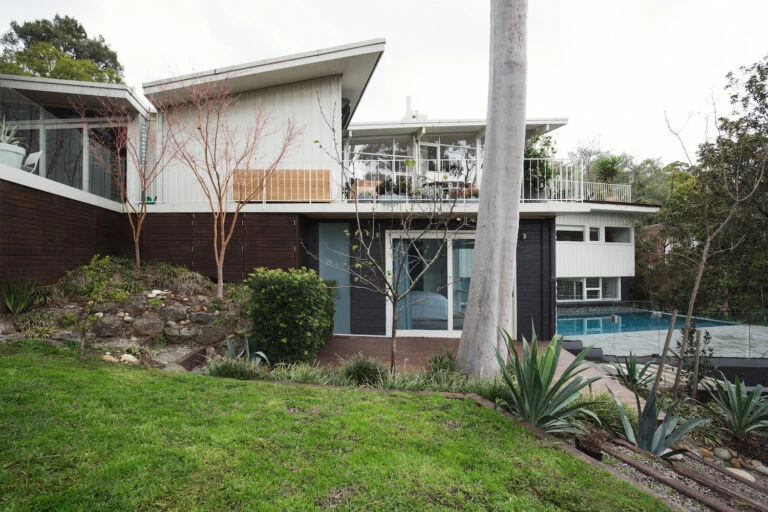
Butterfly roofs were popularized in the 1950s— becoming a mid-century modern staple. A butterfly roof does look like a butterfly, as if it were sitting on a branch with its wings spread out, slightly angled upwards. It’s almost like an inverted gable roof with the surface sloping upward from the center vs. downward.

You won’t find a butterfly roof on just any cookie-cutter home design. This architectural beauty is found in more uniquely designed homes and is very popular in Southern California due to its practicality as well as its style. Some benefits of a butterfly roof, beyond its stunning appeal, include:

  • High wind resistance
  • Improved ventilation
  • Opportunity for more windows in your home

This guide will go even more in-depth into why a butterfly roof might (or might not) be a good option for your home.

WHAT IS A BUTTERFLY ROOF? 🦋

While Architect William Krisel was responsible for making the butterfly roof design widely known, we have French architect Le Corbusier to thank for its inception when he initially sketched it for a Chilean heiress in 1930. That specific home and roof design would never come to fruition, but a few years later, in Japan, Le Corbusier’s design would inspire Czech architect Antonin Raymond to build his own home with the new butterfly design. That home actually went on to be featured in Architectural Record in 1934.

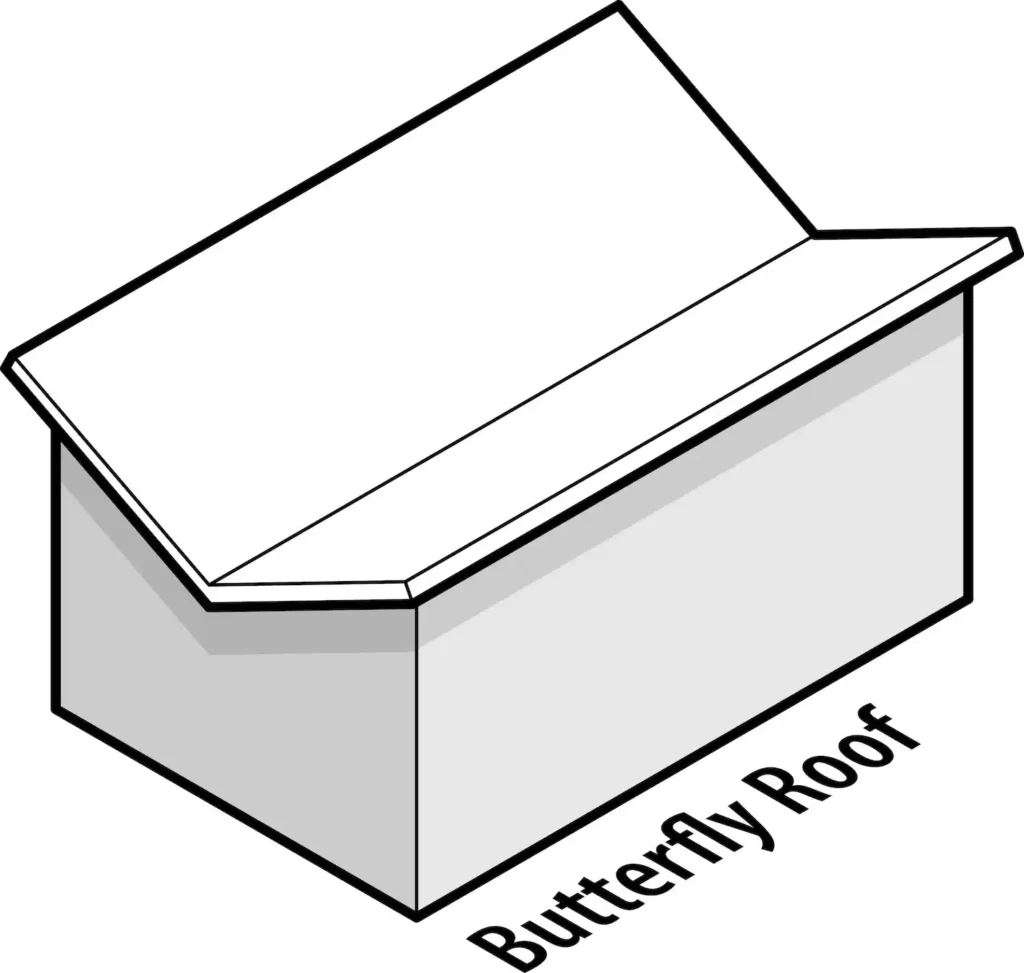
The most distinctive feature of a butterfly roof is its v-shape. While a standard pitched roof will start with a peak and the sides angle down towards the home, the butterfly design starts in the middle valley, and the sides go upward resembling butterfly wings.

This design allows for very high ceilings and the opportunity for clerestory windows which allows so much more natural light into the space. And is highly predominant in mid-century architecture and homes with a more modern aesthetic. Think Frank Lloyd Wright designs, which have a unique one-of-a-kind appeal that a butterfly roof can offer.

PROS OF BUTTERFLY ROOFS 👍

I think we get what makes a butterfly roof so unique, but what about how it functions? Having a roof that stands out and looks cool is one thing, but how well does it protect your home? Let’s find out. Here are some of the advantages of installing a butterfly roof.

COLLECTS RAINWATER 🌧️

This roof is basically designed to collect rainwater easily. Homeowners with this type of roof can easily place rain barrels at the ends of their roofs with a drainage system that efficiently collects more rainwater than other roof styles. That stored water can then be used to water the lawn, garden, and landscaping.

EASY TO MAINTAIN 🧹

Butterfly roofs require minimal maintenance. There are no gutters required because the water runs off of the roof quickly and efficiently. And there are fewer places for leaves or other debris to build up, so you won’t have to worry about constantly cleaning your gutters or hiring someone to do it for you.

MINIMALISTIC AESTHETIC ⬜

Butterfly roofs also offer a very minimalistic and clean design. This type of roof can really help to simplify the look of your home and make it appear much more modern. If you’re going for a mid-century modern aesthetic, then a butterfly roof is definitely the way to go.

butterfly roof diagram

OPPORTUNITY FOR MORE WINDOWS 🪟

Because the side walls of a home with a butterfly roof can and must be taller than the interior walls, you have the option to add more floor-to-ceiling or clerestory windows. This can allow stunning natural light to fill the space and can help keep your home nice and warm in the cooler months!

STRONG WIND RESISTANCE 🌬️

Butterfly roofs are also incredibly strong and resistant to high winds. The shape of the roof allows wind to flow right over it without putting any pressure on the structure of the home. So, if you live in an area that is prone to hurricanes or other severe weather conditions, a butterfly roof might be a good option for you.

GREAT FOR SOLAR PANELS ☀️

If you’re looking to install solar panels on your roof, a butterfly roof is a great option. The steep angles of the roof make it easier to position the panels so that they can get the most sunlight possible. And, because there are no gutters, you won’t have to worry about the panels being obstructed in any way.

CONS OF BUTTERFLY ROOFS 👎

Unfortunately, sometimes with the good, there also comes the bad. As many benefits as a butterfly roof have, there are still some disadvantages to installing this type of roof.

EXPENSIVE UPFRONT COSTS 💸

The roof is more difficult to install than other types of roofs, which in turn raises the cost of equipment, materials, and manual labor. Additionally, it may require some rebuilding of the home’s structure to accommodate the unique shape and size of the roof.

MUST COMMIT TO THE DESIGN

When you install a butterfly roof, you are pretty much stuck with that design. If you ever want to change the look of your home or sell it, potential buyers may be turned off by the unusual and unique shape of the roof.

THEY CAN BE HEAVY

Butterfly roofs can also be quite heavy, which means that your home will need to be able to support the weight. This is something that you will need to take into consideration when deciding whether or not a butterfly roof is right for you.

DON’T WORK ON EVERY HOME

This unique look won’t work on just any home. That is why it’s often built as a new build at the time of construction and never changes. But if you are interested in this roof style, you can always work with a general contractor to see what’s possible.

HOW TO GET THE ROOF OF YOUR DREAMS

Whether or not a butterfly roof is in your future, you need to have a reputable roofing team on your side to help install, maintain, and repair your roof when you need it. MARS Roofing can be that support system for you.

We have the knowledge and expertise to handle just about any type or size of roofing job, and want to ensure you get the roof you always dreamed of. If you want a FREE roof evaluation, simply reach out to us— we’re here to help!