Having a tile roof installed offers an innumerable amount of benefits for homeowners, but just because they have a lot of benefits doesn’t mean that they’re the right choice for your home.
Everyone wants to choose the roofing material that’s going to last forever, but with all of these benefits, tile roofs can be extremely expensive. Some of the biggest factors include:
Slope of your roof
Location of your home
Condition of the current roof
Each of these items can all make a difference in how much you pay, but generally, a tile roof is going to run you more than most other roofing materials.
TILE ROOF COST: AVERAGE COST OF MATERIALS
We want to answer your question right off the bat. The average cost of a tile roof is between $20,000-and $60,000. The total amount you end up spending will primarily depend on the type of tile you choose for your home. To break down how much you can expect to spend on your roof, here are the factors we’re considering:
The size of your roof
The style of roof or type of roof you have
The slope of your roof
The number of boots and/or vents on your roof
Whether or not there’s damage on your roof
The area you live in
The specific material you use for the roof
This list may not be extensive, but it’s definitely a good starting point and a way to build in some expectations of the cost, no matter the material you’re thinking of installing on your home.
THE VARIABLES THAT AFFECT ROOF REPLACEMENT COST
Some of the variables above will make sense and don’t need as much explanation as others. But it’s still important that you understand what costs to expect depending on the different factors.
THE SIZE OF YOUR ROOF
This one is simple to understand. The larger your roof, the higher the cost! For many homes, a larger roof can mean that you’ll get a lower average cost per square for your roof. But, if the roof is extremely large, it could be much more expensive to have it repaired or replaced because of the sheer volume and manpower needed to complete the work.
THE STYLE OF ROOF OR TYPE OF ROOF YOU HAVE
Different roof types will present different challenges. This can refer to the different slopes or changes in slope. A roof with multiple changes to the slop is going to take longer and thus be more expensive and tedious.
THE STEEPNESS OF YOUR ROOF
A tile roof is a very popular choice for steeper roofs because of the added durability that tile offers against high winds and severe weather conditions. But, a higher slope is more dangerous to work on and thus will cause the cost to go up on your roof pretty dramatically.
THE NUMBER OF BOOTS AND/OR VENTS ON YOUR ROOF
Boots and vents are an important part of the roofing system and need to be replaced when you get a new roof. The number of boots and vents will increase the cost because it’s more material that needs to be replaced. Additionally, cutting around these elements in your roof takes time and material.
WHETHER OR NOT THERE’S DAMAGE ON YOUR ROOF
If you’re replacing the material on your roof, then there could be damage from a previous leak or simply the age of your roof. Having that damage repaired will be essential, but it’s also going to take time, more materials, and need to be inspected. Tile roofing is heavy, and without properly taking care of the roof decking before installing the new tiles, you could be compromising the integrity of the structure.
THE AREA YOU LIVE IN
The tile roof cost will also be different based on where you live. If you’re in an area with many tile roofs, the competition for business will help drive down the price. On the other hand, if you’re in an area where tile roofs are not as common, there could be a premium for that service. Additionally, remote locations will have higher shipping costs.
THE SPECIFIC MATERIAL YOU USE FOR THE ROOF
There are a number of different types of tile that can be used for your tile roof, and each has a different price point. In addition to the tile itself, you’ll also want to factor in some of the different underlayment options and whether or not you’ll be installing gutters on your roof.
TYPES OF TILE TO USE FOR YOUR ROOF
There are several types of tile that each come with its own pros, cons, and average cost. Here’s a list of the tile types that you might use for your roof:
Clay Roof Tiles
Concrete Roof Tiles
Slate Roofing Tiles
Solar Roofing Tiles
These four types are by far the most popular tile types. But, there are variations in the ways that they’re installed and used in homes. Be sure to look into some of the different installation tiles to ensure that you’re getting the look you want.
CLAY ROOF TILES
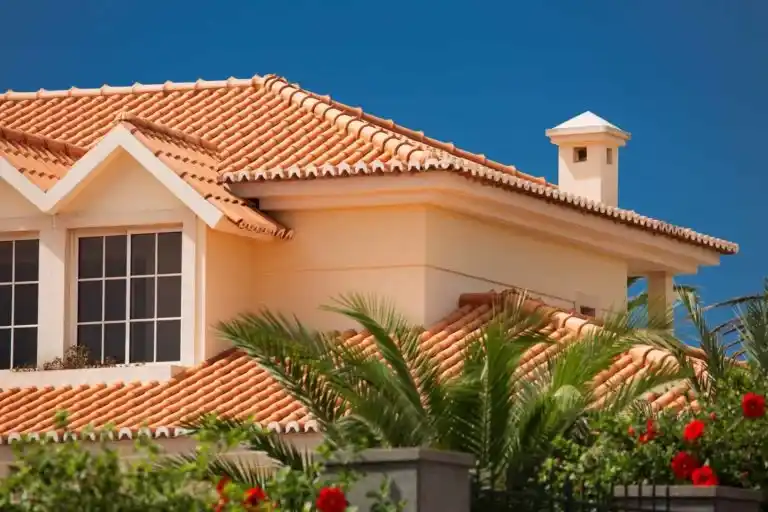
Clay is one of the oldest roofing materials that’s been used in both the modern and pre-modern world. It’s a perfect barrier to water and provides exceptional durability. The average clay tile roof cost is between $10 and $18 per square foot. These roofs can last more than 100 years when they’re installed correctly and well kept.
There are several different colors and styles that can be put together to make up a clay roof. Clay roofs are one of the heaviest materials that can be installed, so be sure to have the frame of your roof checked to ensure it can handle that extra weight.
CONCRETE ROOF TILES
Concrete roof tiles are much more affordable than clay and can have a similar lifespan. They’re not nearly as heavy, offer similar durability, and come in a wide range of colors. The average concrete tile roof cost is between $3 to $5 per square foot making them one of the more affordable tile types.
But, what they boast in affordability, they can lack in long-term durability. Under perfect conditions, they can last as long as clay. But, clay tiles are heavier and thus will stay up on your roof better in high wind conditions.
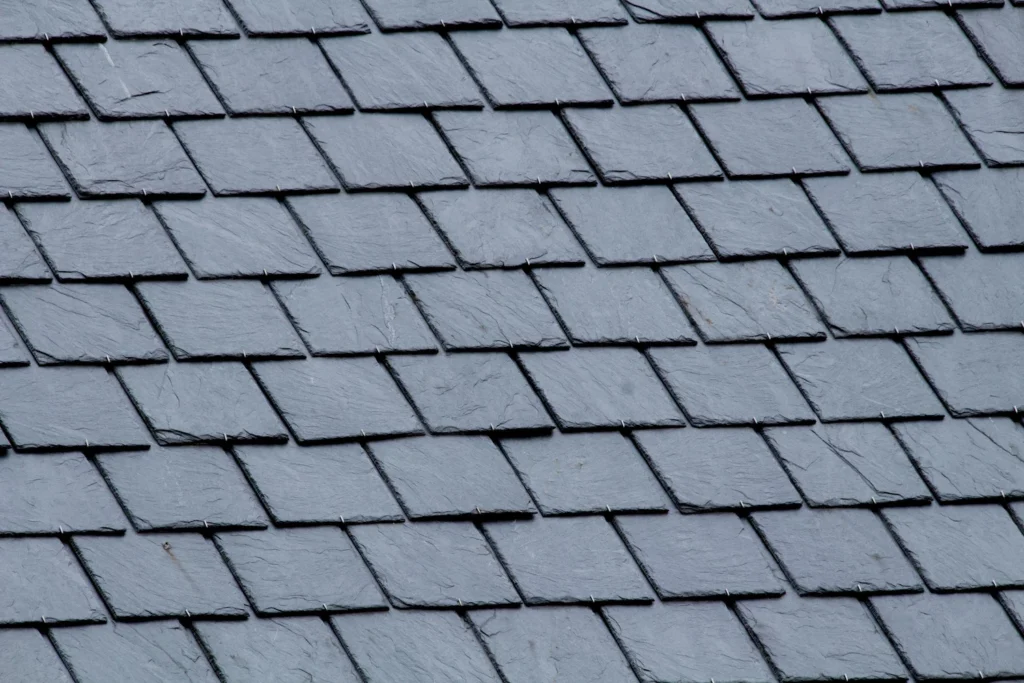
SLATE ROOFING TILES
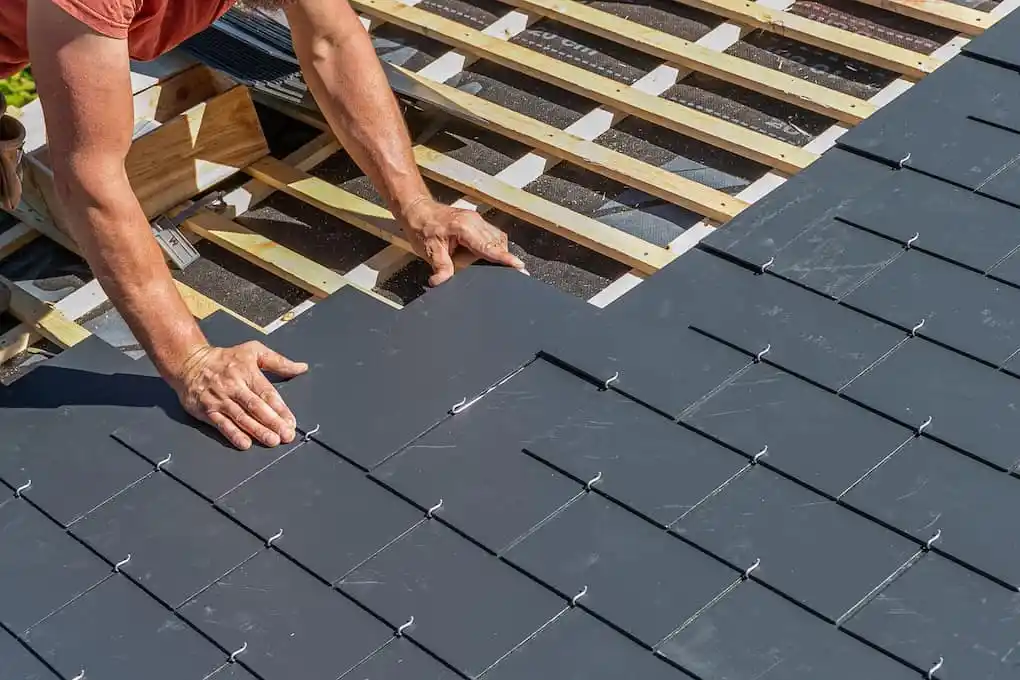
Slate is one of the most eco-friendly and beautiful roofing materials. It’s a highly-durable roofing material that takes a long time to install, but most homeowners will consider it worth the time. Slate is so beautiful that many synthetic materials are made to resemble slate tiles.
Slate is an expensive material due to the high installation time and labor costs. Average slate roofs will range from $9 to $16 per square foot. Because these roofs are crafted from slate, they’ll hold up perfectly against harsh weather, sun, heat, and cold. You can expect a slate roof to last 150 years or more!
SOLAR ROOFING TILES
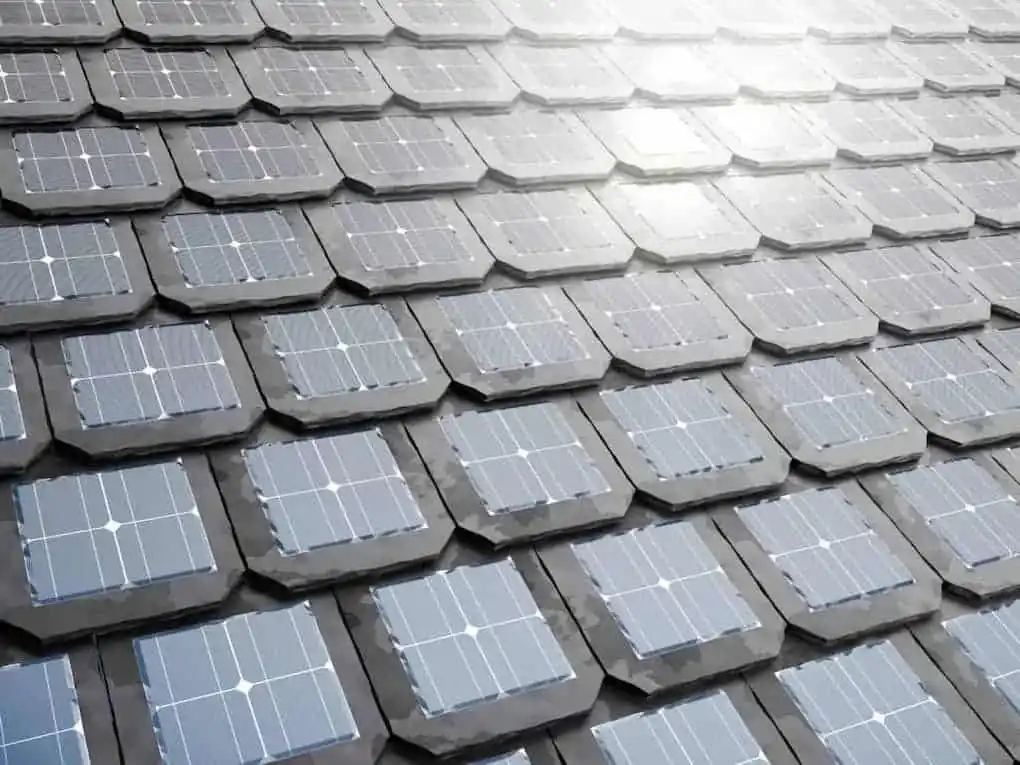
Last on our list of tiles is a product that’s growing in popularity. Not many homeowners have the ability to install solar tiles on their roofs, but they are a great product if you’re interested in the advantages of solar without the need for bulky panels on your roof.
These systems have an average cost of $21 to $25 per square foot, and they don’t offer the same protection as the other tile types above. Instead, they’ll be about as durable as high-quality asphalt shingle.
HIRE A RELIABLE AND TRUSTWORTHY CONTRACTOR FOR YOUR PROJECT
MARS Roofing is a reliable roofing contractor that you can count on. We’ll be there when your roof needs to be repaired, replaced, or checked for damage. Our roof inspections are always free of charge.
Reach out to us today to learn more about how our team can provide you with the high-quality roofing services that you deserve.
As a homeowner looking to upgrade your roof, it’s essential to make sure you’re working with top-tier professionals to get the job done. That’s why it’s important to seek out the best professional roofing company for all your roof repairs, water damage to windows and side panels, and total roof replacements.
Thankfully, there are many roofing businesses throughout Southern Maryland, so you can choose which professional company best fits your needs. Homeowners in Columbia, MD, or anywhere else in Howard County should use this list as a way to find a qualified roofing company that does a fantastic job.
Explore the list of the top five best roofing companies in Columbia, MD, and use these tips and tricks to find the best contractor for your project.
HOW TO FIND A GOOD ROOFING CONTRACTOR?
When searching for the best roofing business, there are several questions you should ask yourself to ensure that you get the best materials and services for your budget. The last thing any home or business owner wants to worry about is trusting the wrong contractor with a roofing project.
So, without further ado, let’s dive into some of the essential questions you need to ask a potential roofing business in order to choose a trusted roofing company in Columbia, Maryland.
WHAT AREAS DO THEY SERVE?
If you live near Columbia, MD, or anywhere in Southern Maryland, you’ll want to make sure you can work with a skilled roofing specialist nearby. Since many Columbia roofing businesses cover extensive ground, there are neighboring Maryland cities that should be able to gain access to any home improvement service:
Silver Spring, MD
Ellicott City, MD
Severna Park, MD
Glen Burnie, MD
Linthicum Heights, MD
ARE THEY CERTIFIED AND FULLY INSURED?
Since a roof is the primary protection for your home against the elements, it’s vital that you enlist a high-quality roofing company in Columbia, MD, to ensure an excellent job. When deciding which professional resource to use, check if they are certified by the National Roofing Contractors Association. Since workers will be on your property, it’s also imperative to make sure they are fully insured against any injury.
DO THEY OFFER QUICK TURNAROUND TIMES?
When a disastrous storm strikes your property, you don’t have to go through the process alone. Finding a quality construction service that is also adjuster certified is a smart choice. Ask each technician if they offer stress-free construction for same-day work, adjuster or claim assistance, and additional resources for home and business owners.
DO THEY OFFER FREE ESTIMATES?
Home improvement projects can be pricey, so it’s a good idea to take advantage of free inspection. Certain Maryland companies will even offer free inspections within 24 hours to help expedite your home renovations.
WHAT MAIN SERVICES DO THEY OFFER?
A great roofing company knows that maintaining a healthy roof goes beyond the physical roofing design. That’s because your home’s gutter system and siding can all be affected by severe storms and water damage. Ask your general contractor if they include some of the additional services mentioned below.
WATER DAMAGE REPAIR
A full-service Columbia roofing business should offer roof renovations and replacements. Since water and storm damage can negatively impact more than just a roof, it’s also imperative to ensure the gutters are working properly to avoid long-term structural issues. Water damage from a leaky roof or gutter system can also impact your home’s siding by deteriorating the underlying fascia board. Since Maryland experiences extreme weather changes, homes and businesses are more susceptible to storm and water damage than in drier states.
These issues may not even be noticeable, so it’s always a great idea for a skilled Columbia roofing technician to inspect the property, especially after severe storms. Untreated water problems can turn into mold or other serious issues.
ADEQUATE ATTIC INSULATION AND VENTILATION
An energy-efficient and long-lasting roof is heavily dependent on having adequate attic insulation and ventilation. Make sure to inquire about whether or not your roofing professionals offer these options. Since they will already be installing a roof or siding for your home project, Columbia roofing professionals can see whether you have the proper insulation to maintain temperatures throughout the year, prevent energy loss, and even aid in snowmelt.
Columbia roofing businesses that offer insulation deals should also look for proper ventilation in your attic. This will help decrease moisture retention which could lead to fungus and mold growth. A healthy attic means a healthier roofing system.
VARIOUS ROOFING STYLES
Some businesses specialize in either residential or commercial roofing projects, or they only offer certain roofing styles. When deciding which team to work with, make sure to browse their site or ask them about the different materials they have available for your next projects, such as shingles, metal, slate, PVC, EPDM, or modified bitumen. It’s also a good idea to see which business works within the Columbia, Maryland, area so that you can install an improved roof with a local team.
ROOF REPAIR OR TOTAL REPLACEMENT
Qualified Columbia, Maryland, roofing specialists will ensure that every job is professionally installed. They should offer the most cost-efficient and long-lasting solution for your property. Working with experienced problem solvers can help spot problems early on, make necessary improvements, and can even help you select the best replacement for your location, environment, and other home needs.
RESIDENTIAL AND COMMERCIAL ROOFING OPTIONS
Whether you have an asphalt shingle roofing system or an industrial flat roof for your Columbia property, you’ll need to consider if your Columbia roofing experts cover that work. The right team can even help with a thorough inspection, plan for future needs, provide honest feedback, and even do a great job cleaning after each project ends. Columbia roofing contractors may offer different commercial options to install flat or low slope roofs for industrial buildings versus traditional shingle or metal options for pitched roof styles properties.
ENERGY-EFFICIENT UPGRADE ASSISTANCE
If you are planning on investing in solar panels, it’s imperative to work with a great team to ensure optimal placement and reduce any roofing concerns. Columbia roofing businesses should have trained technicians who can assist in this process and even offer insight into the best roofing materials to use if you plan to make these upgrades.
TOP 5 ROOFING COMPANIES IN COLUMBIA, MD
After taking into consideration all the different services that roofing companies offer, it’s time to pick which one works best for your housing project. Browse through the five best roofing contractors either located in Columbia, Maryland or that serve the area:
1) MARS ROOFING
They have an excellent overall rating for providing exceptional services to the Columbia, MD, community. This skilled Columbia roofing team specializes in commercial and residential roof designs, windows, and gutters, and provides the best homeowner resources to all customers. Whether you have a roof leak, need new siding, or simply looking for better service within your budget, Mars Roofing in Columbia, MD, is a great selection.
Highlights:
Free Inspection
Certified and Verified License
Extremely Professional
Trusted, Verified Reviews
Great Customer Service
Over 30 Years of Experience
2) RESTORATION ROOFING
Restoration Roofing is a local and minority-owned and operated contracting company serving the Glenwood, Maryland, community. They specialize in roofing repairs for your house, including replacing an asphalt shingle roof and gutter installation.
Highlights:
Locally and Minority-Owned and Operated
Speaks Spanish
Free Estimates
Certified Professionals
Located in Glenwood, Maryland
3) BOWIE HOME IMPROVEMENT
This smaller roofing business serves clients in and near the Bowie, Maryland, area and specializes in roofing improvements. The Bowie Home Improvement team uses automated technology for any roof installation or repair project. They can easily help remove old shingles and install new materials.
Highlights:
Verified License
Local and Family-Owned and Operated
Specializes in Roofing
Free Estimates
Affordable
Covers an extensive area in Maryland
4) DOMINION ROOFING
Dominion Roofing is a great resource for commercial property owners looking for a home and commercial roofing projects. If you need a new roof service, this local to Maryland team can help.
Highlights:
Certified Professionals
Locally-Owned and Operated
Free Estimates
Residential and Commercial
Located in Kensington, Maryland
5) WINDOWS ON WASHINGTON
This family-owned and operated business has over 16 years of experience specializing in window replacements, installations, roofing concerns, and providing proper insulation. Windows On Washington has a verified license and provide a wonderful job for different installation projects.
Highlights:
Family-Owned and Operated
Free Consultations
Guaranteed Workmanship
Available By Appointment
Various Window, Ventilation, and Roofing
Covers the Northern Virginia and Southern Maryland area
WORK WITH THE BEST ROOFING COMPANY IN COLUMBIA, MARYLAND
While there are many different roofing companies throughout the Columbia, Maryland, area, you will greatly benefit from working with the skilled professionals at Mars Roofing Company. With over 30 years of experience serving this community, our team can help safeguard your home roofing projects. Since customer satisfaction is our number one priority, we always ensure quality work so that you are extremely pleased.
By providing industry-leading warranties, outstanding workmanship, and excellent communication throughout the process, we take pride in our ability to help each customer upgrade their house with our exceptional roof replacement service.
If you’re looking for the best roofing services in Southern Maryland and Northern Virginia area, look no further than the top roofing contractors at Mars Roofing. Call us today to get started on your free inspection.
As spring rolls around, there is no better time than to start thinking about investing in a new commercial roof. However, finding a durable and long-lasting commercial roof can seem like an overwhelming decision, thanks to the numerous types of commercial roofs available.
Does your building sit underneath trees? Is it an older building? What is your long-term budget for investing and maintaining your commercial roof? These questions will help you narrow down the best choice for your property.
COMMERCIAL ROOFING FACTORS TO CONSIDER
When considering a new roof installation for your commercial building, it’s essential to work with the best materials to create the ideal commercial roofing system. Some of the many factors to consider include:
Residential roofing or commercial roofing material
Pitched, low slope, or flat roof structure
Choosing the best commercial roofing for your property can help protect your business and wallet. The last thing that building owners want to worry about is whether or not their commercial roofs will hold up against the elements. For this reason, it’s imperative to use the best commercial roofing material for each project.
SELECTING THE RIGHT DESIGN FOR YOUR COMMERCIAL ROOFS
The key to protecting different commercial buildings is to ensure owners invest in the appropriate materials for each project. This is because a thoroughly installed and properly maintained commercial roof can have a significant lifespan. There are several types of commercial roofing that property owners can choose from, such as:
It’s best to start by narrowing down what type of commercial roof is needed based on the function of each business. Then, property owners can work with skilled commercial roofing contractors to find the best commercial roofing materials for the job.
7 TYPES OF COMMERCIAL ROOFS
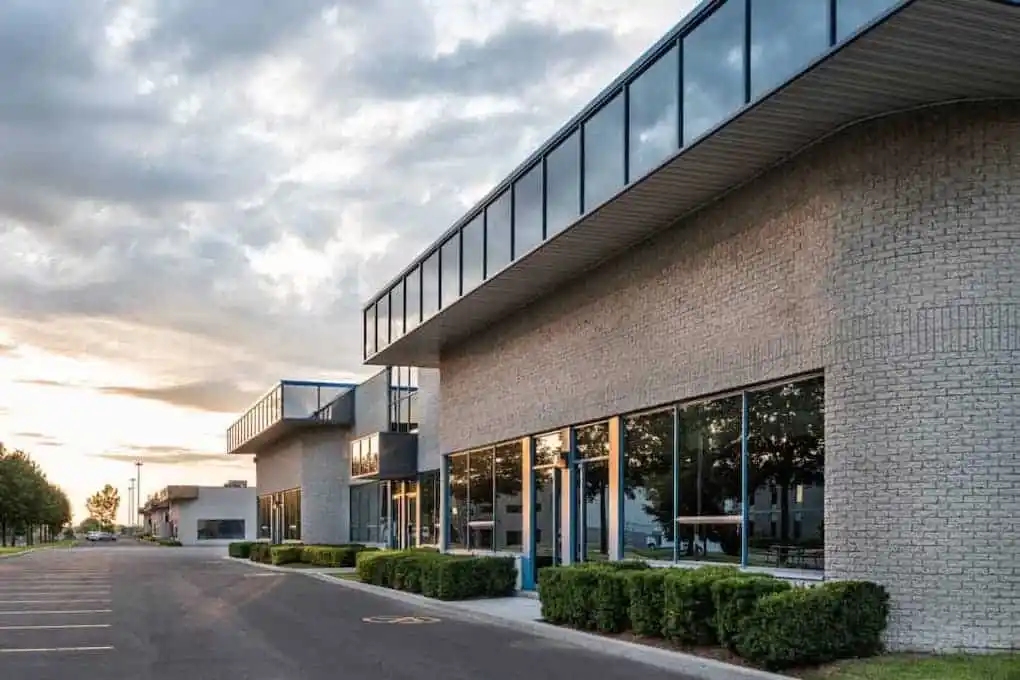
Since there are many different kinds of commercial properties, it’s clear that each will have its own roofing needs. For example, apartment buildings don’t have commercial flat roofing and therefore need different commercial roofing materials to best fit their pitched roofs. On the other hand, other industrial buildings have either a flat roof or a low roof slope. Since these commercial roofing systems are different, they need specific materials that best protect each building.
The different types of commercial roofing include:
Metal Roofing
Vegetative Roofing
Thermoplastic PVC Roofing
Shingles
Built-Up Roofing Membrane
Single Ply Membrane
Modified Bitumen Roofing
Now, there are many advantages and disadvantages to each roofing style. Learn more about each of these commercial roofing systems below.
1. METAL ROOFING SYSTEMS
Metal roofs are an excellent choice for residential roofs or other pitched roofs. There are many different types of metal roofing materials that a building owner can choose from, including:
Aluminum
Corrugated Galvanized Steel
Tile Sheets
Copper
Coated or Stainless Steel
A metal roof can give any property a sleek, polished look while still being a more sustainable option than other commercial roofing types. Plus, they have excellent fire resistance ratings. Although they are more susceptible to corrosion, commercial property owners can have protective surface layers applied to mitigate moisture, pollution, and environmental exposure.
2. GREEN ROOFING SYSTEMS
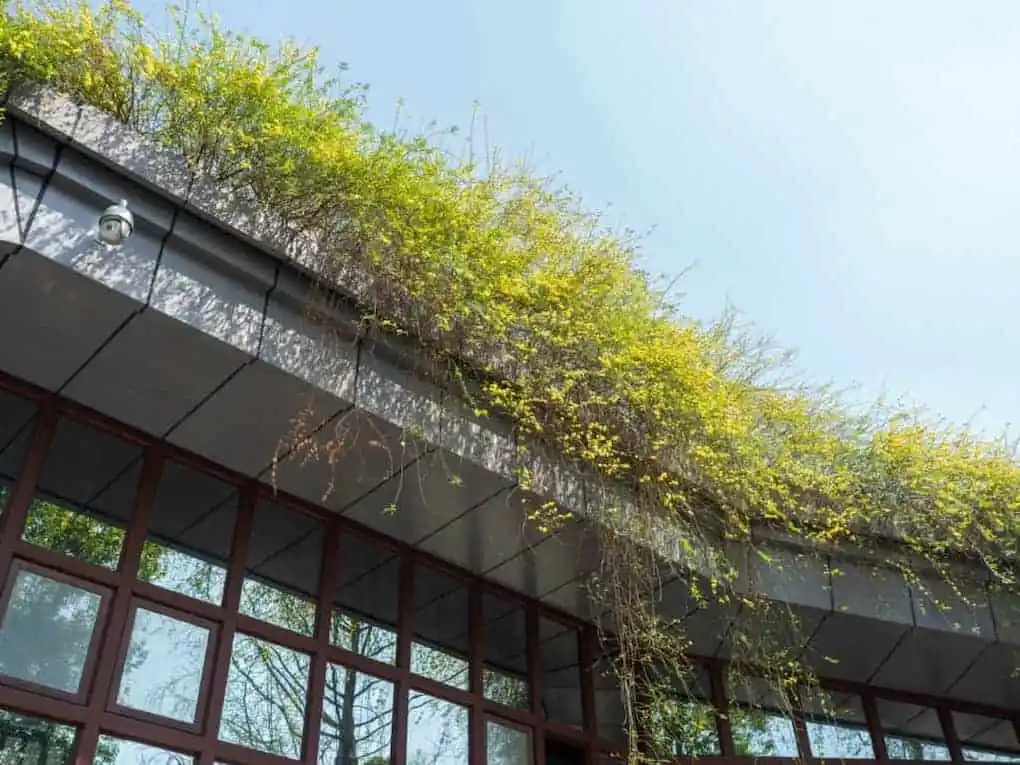
If you’re looking for a tough, waterproof roof with an impressive lifespan of 30 to 50 years, look no further than a sustainable green roofing system. Property owners can benefit from improved air quality, protection from the elements, potential government incentives, and a sophisticated water and drainage system.
One thing to consider is that vegetative roofs require more maintenance than some other commercial roofs. Businesses that want to provide additional green space for employees to relax can take advantage of these “green” roofs.
3. THERMOPLASTIC PVC ROOFS
Many environmental conditions could impact a commercial roofing system, such as bacterial growth, UV light, and fatty or oily chemicals. This is why many industrial roofs can benefit from using Thermoplastic Poly Vinyl Chloride (PVC) roofing systems because they are puncture-resistant, slow to damage, lightweight, and heat-reflective.
The last thing a business needs to worry about is whether or not their roof installation can hold up against the elements, so using high-quality PVC roofs is a great way to protect your investment against high temperatures and winds and its fire-resistance capabilities.
When looking for a trustworthy roofing contractor, make sure to inquire about the quality of the PVC roofs to ensure they are gathered from a reputable manufacturer.
4. SHINGLES
Shingles are one of the most popular roofing materials used by most residential pitched roofs. With ease, property owners can choose from numerous styles, colors, and material types (asphalt shingles, ceramic, slate, etc.). Now, while the lifespan of these roofs can vary based on the material used, shingles are relatively affordable, easy to install, and durable against harsh weather.
5. BUILT-UP ROOFING SYSTEM
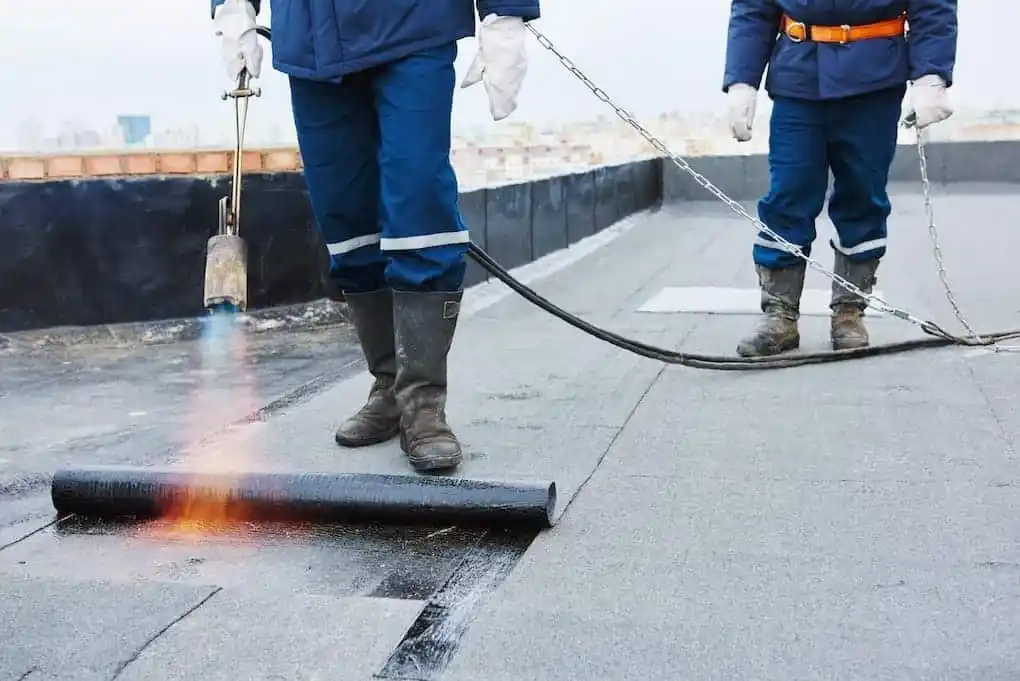
This relatively inexpensive and easy-to-repair roofing system has a lifespan of up to 20 years or more, depending on the number of tar and gravel layers applied. Not only is built-up roofing (BUR) one of the most flexible roof types, but it is also UV-resistant and can be coated to reflect heat. If you need a roof system that can hold up well-to-foot traffic, BUR is an affordable and hardy option.
Now, to help maintain the roof’s integrity, it’s best to apply multiple layers. If properly installed, a commercial built-up roofing system can last around 40 years with minimal upkeep needed.
6. SINGLE-PLY MEMBRANE ROOFING
Single-ply membranes are rubber or other synthetic sheets that are chemically adhered to insulation on some commercial facilities. There are two main types of single-ply membrane roofing: Ethylene Propylene Diene Terpolymer (EPDM) and Thermoplastic Polyolefin (TPO). The main difference between the two materials is how they adhere to the membrane seams. EPDM roofs utilize seam tape while TPO melts down the seams to fuse them together along with the roof deck.
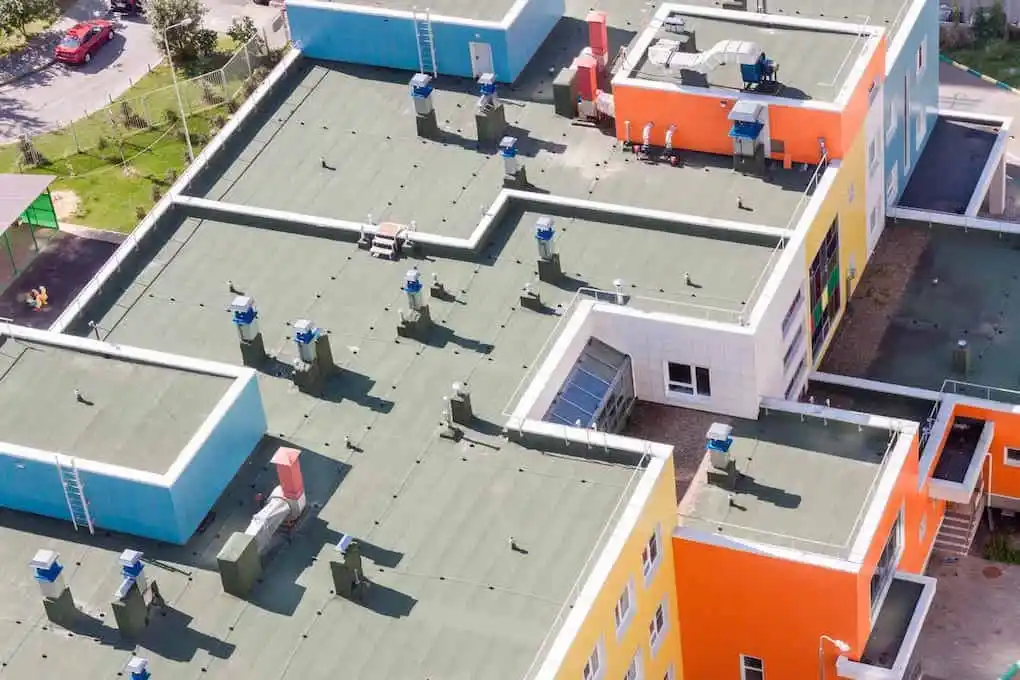
EPDM and TPO are very durable synthetic rubber roofing materials. These roll-based roof systems are quite versatile, fire-resistant, easy to install, and strongly resistant to pollution and UV light. With a Class A fire rating, both membranes are ideal for a commercial flat roof. EPDM and TPO membranes would also work well on low-sloped roofs. Building owners can pick between white or black single-ply membrane roofing styles for flat roofs.
One thing to note is that EPDM is susceptible to puncturing from falling debris or people walking on the roof. For this reason, it’s best not to choose this option for any facilities that are under trees or in areas that experience extreme storms with hail.
7. MODIFIED BITUMEN ROOFING SYSTEM
Property owners who want the look of an asphalt-based roof that works for low-slope and flat roofs can benefit from modified bitumen (MB) roofs. Over the last 50 years, this durable and sleek material has paved the way to be one of the best choices for commercial roofing systems. A modified bitumen roof is the evolutionary cousin of built-up roofing systems and is made from asphalt and polymerized plastic or rubber that is then reinforced with fiberglass.
Commercial low sloped roofs can utilize this tough yet flexible waterproof membrane. This material is also easy to maintain, energy-efficient, has outstanding tensile strength, and is tear-resistant to debris, weathering, and foot traffic.
ENERGY EFFICIENT UPGRADES FOR ANY PROPERTY
Many of these roof systems offer business owners durable, affordable, and additional energy incentives. Metal roofs can help reduce energy costs when applied to low slope roofs or pitched roofs. Owners who utilize this style could benefit from tax incentives, especially if paired with solar panels.
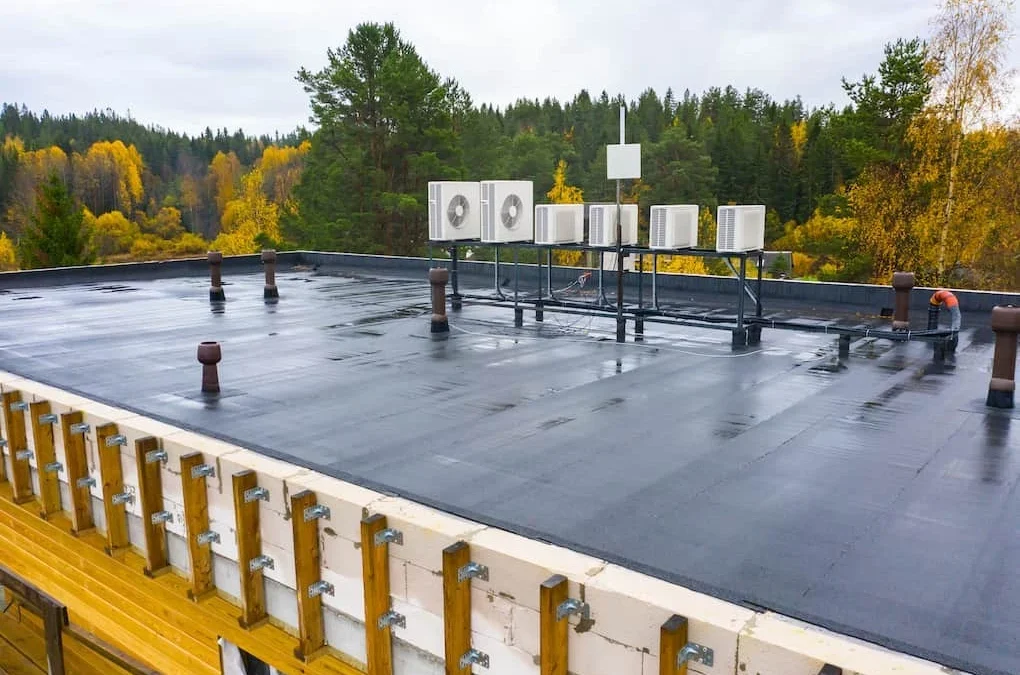
How often you need to make repairs or replacements on your roof systems can factor into its overall environmental impact and cost. Even though it has a higher initial price point, a metal roof can last up to 50 years, but it isn’t best for commercial flat roofs. Instead, a popular commercial roof type for a low slope roof system or a flat roof would be PVC, Modified Bitumen, or an EPDM roofing membrane.
These roof membranes are not as easily affected by ultraviolet light or the elements. Plus, an EPDM roofing material could cover an entire roof for a fraction of the price of other styles.
UPGRADE YOUR COMMERCIAL ROOFING SYSTEM
Whether you choose metal roofs, EPDM roofing, asphalt shingles, or any other single-ply rubber material to cover your commercial buildings, working with highly skilled roofing contractors is imperative. At MARS Roofing, we are an experienced local team that strives to protect you and your commercial properties from the elements with our exceptional commercial roofing services.
Our trusted technicians can help you select from different flat roof types, offer energy efficiency options, implement vital ventilation systems, and even assist in maintaining your roof’s integrity throughout the years.
Don’t wait to get started on your commercial roofing project. Call us today at to set up your free inspection.
After a big storm, a roof leak and damage can wreak havoc on your home. It’s not uncommon for homeowners to try and fix their damage to help ensure that their roof is in good condition without hiring a professional company.
DIY roof repair can save you a lot of money, but that doesn’t mean it’s the best course of action for your roof. In most instances, calling a professional is a much safer and wiser thing to do. It can help ensure your home is well taken care of and that there isn’t any damage that’s missed because you’re not a professional roofer.
If you’re thinking of getting up on your roof to undergo a repair, there are a few things you need to know.
4 COMMON DIY REPAIRS AND MAINTENANCE
One of the things that homeowners often overlook is roof maintenance. Regularly cleaning your gutters and making sure there isn’t any debris on your roof can help ensure that water will run off properly and not pool on your roof. This is one of the leading causes of leaks and other damage.
Here are some common and easy DIY roof repairs and maintenance that you can complete.
1) CLEAN OFF THE ROOF AND CLEAN OUT THE GUTTERS
One of the most important things you can do for your roof is to keep it clean. This means removing any leaves, sticks, and other debris that might have gathered on top of it. If sticks and leaves are left to rot on your roof, it can cause your roofing material to rot.
It’s also important to ensure that your gutters are free from debris so that water can properly drain away from your home and not leak back into the rafters.
2) REPLACE DAMAGED AND MISSING SHINGLES
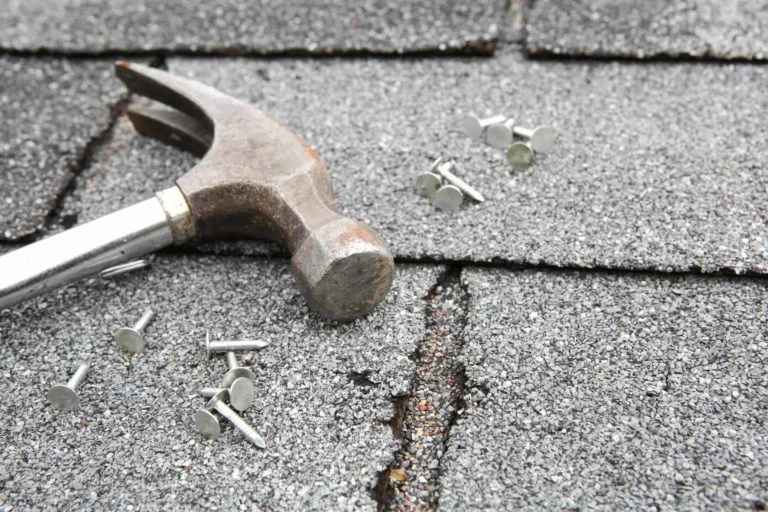
When your shingles are damaged or missing, getting up on your roof to repair those shingles is going to help ensure that your roof doesn’t leak. You want to make sure that you’re using the same type of shingles so that they match the rest of your roof and don’t stand out.
Before you start repairing or replacing any shingles, take a good look at your roof to see if there are any other areas that might be damaged. It’s always best to repair everything at once.
Keep in mind that damaged and missing shingles should be covered by your homeowner’s insurance. Be sure to contact them as soon as you notice the damage to get started with a claim.
3) FLAT ROOF REPAIR
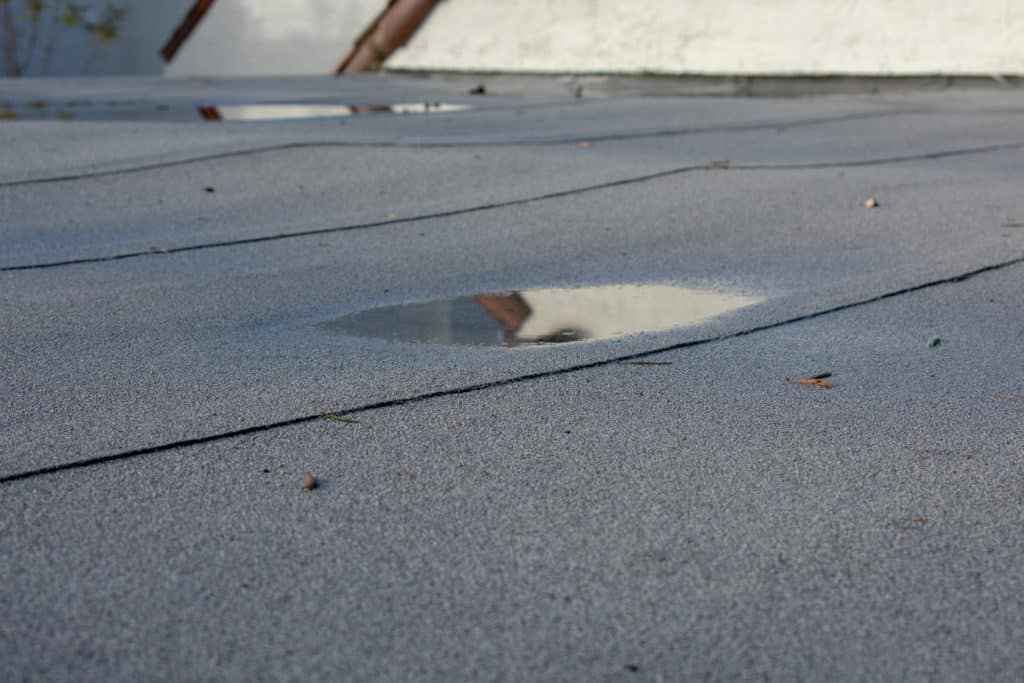
Flat roofs are easier to repair because they don’t require quite as intricate of work. If you have a flat roof, it’s important to inspect it regularly for any ponding water. This is when water pools on your roof and causes a significant leak and damage if left unchecked.
If you do find ponding water, use a garden hose to remove it and then repair the area with a sealant made specifically for flat roofs. Paint on sealant is often your best choice and should help to quickly resolve the problem.
4) REPAIR YOUR FLASHING (ADVANCED REPAIR)
A more advanced repair that probably shouldn’t be undergone by most homeowners is repairing your flashing. Flashing is the metal along your roof’s edges and around any chimneys or vents. When the flashing is damaged, it can cause leaks and lead to roof rot.
If you’re going to attempt to repair your flashing, be sure that you know exactly what you’re doing. It’s easy to make a mistake that will lead to even more damage and void your warranty. There are plenty of videos out there and guides, but it’s probably better to call the pros if you don’t feel comfortable.
5 STEPS TO FINDING AND FIXING A ROOF LEAK
If your roof is leaking, then that’s going to be one of the most pressing issues facing your home. The first step to fixing the leak and ensuring no further damage comes to your home is to find that leak.
1) LOCATE YOUR ROOF LEAK
Locating the leak could be easy or hard, depending on where the water is coming into your home. If you see water stains on your ceiling, that’s a good indicator that the leak is coming in through your attic.
If you don’t see any water stains, it might be more difficult to find the leak. In this case, you’ll want to wait for a rainy day and then go into your attic with a flashlight. Look for water coming through or different areas that become damp. If you’re still not able to find the leak, it might be time to reach out to a professional roofer.
2) CHECK FOR MISSING SHINGLES OR OBVIOUS DAMAGE
Missing shingles or other obvious damage to the surface of your roof after a storm will be an obvious sign that your roof is damaged or needs to be tended to. After you’ve located the leak in your attic, take a look at the outside of your roof to see if there are any missing shingles or damaged areas.
Sticks or branches falling on your roof can cause real damage easily. Hail and strong winds can also damage shingles and lead to future leaks. That’s why it’s always recommended to get up on your roof and check for damage after every storm.
3) TARP THE ROOF UNTIL YOU CAN REPAIR IT
If you have missing shingles or damaged areas on your roof, it’s important to tarp those areas until you can repair them. This will help prevent any further damage from occurring and also help to keep the leaks at bay.
You can buy tarps at most hardware stores or online. Be sure to get one that’s big enough to cover the entire area of your roof that’s been damaged. You might need more than one tarp if the damage is extensive.
4) REPAIR THE SEAL WITH NEW SHINGLES
Once you have the area tarped, it’s time to arrange to make the repairs. If you’re missing shingles, then you’ll need to replace them with new ones. This is a relatively easy process that anyone could do with the right materials and tools.
If the damage is more extensive, then you might need to replace larger sections of shingles. This is where it can start to get difficult. Be careful not to take on more than you’re capable of, and don’t try to walk on a wet roof.
5) USE ROOFING CEMENT FOR A SHORT TERM FIX
If you can’t immediately repair your roof, then you might need to use roofing cement as a short-term fix. This will help to prevent any further leaks and give you some time to save up for or make arrangements for the repairs.
You can apply roofing cement with a putty knife or trowel. This is not a permanent fix, so please don’t use it like one. If you’re going to use roofing cement, it should only be for a very small part of your roof or a very small leak.
WARNING: DIY ROOF REPAIR CAN BE DANGEROUS
It’s important to remember that DIY roof repairs can be dangerous. It’s always best to call a professional if you’re not comfortable with going up on your roof or making repairs yourself.
If you decide to do it yourself, be sure to take all the necessary precautions and have someone with you in case something happens. Going up a ladder can be dangerous, and you don’t want to risk injury just to save a couple of bucks.
HIRE A PRO AND GET THE JOB DONE RIGHT
To help ensure your roof is repaired correctly and you’re completely safe throughout the process, you’re best off hiring a pro. A reliable, responsible, and trustworthy contractor is going to be there to provide and ensure that your home is well taken care of for years to come.
Our team at MARS Roofing is ready to step in and provide you with the service you need and deserve. Contact us today for a free estimate and inspection!
As a home or business owner, you might not even know that roof planning is actually the plan used to architecturally design and build your roof. Roof planning is critical because it sets roofing design and construction standards. Roof plans should be followed exactly to ensure that your roof is built correctly and safely.
If you’re looking to have a new roof installed or are simply curious about what goes into roof planning we’ll be covering it all today. And for those looking to remodel your home or business, a new roof plan might be just what you need.
WHAT IS A ROOF PLAN?
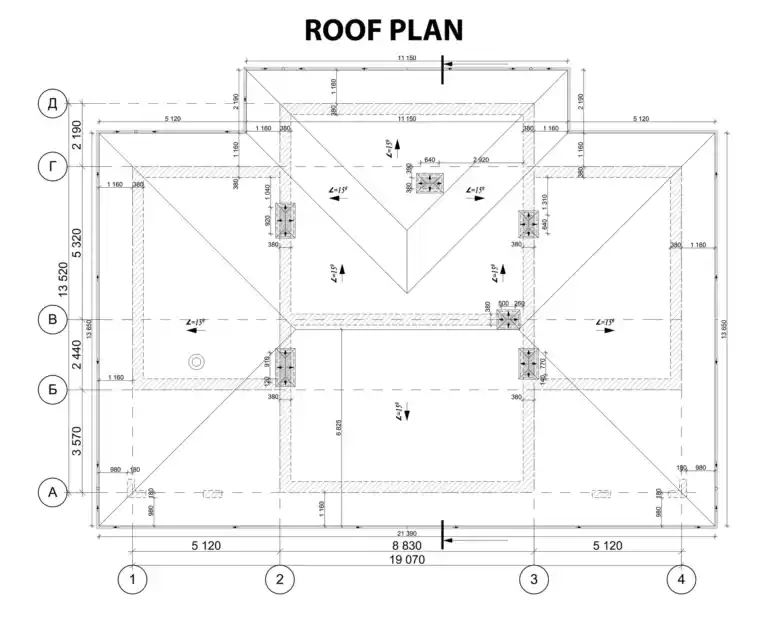
A roof plan is a two-dimensional drawing that illustrates the roof’s design. It contains all of the essential information for the roof, such as roof pitches, ridge heights, and roof loads. A roof plan should also show the location of doors and windows and any other features that will be included on the roof (chimneys, dormers, etc.)
The most important thing to remember about roof plans is that they are not just a pretty picture – they are meant to be used as a construction guide. All of the measurements and angles in a roof plan need to be followed precisely during construction, or your roof could end up looking completely different than what you intended.
WHO CREATES AND USES THE ROOF PLAN?
The roof plan is created by an architect or roofing contractor. The home or business owner will provide the architect with their requirements for the roof (such as desired roof pitch, style, and color), and then the architect will create a roof plan that meets those specifications.
The roof plan is used by both the builder and the homeowner during construction. The builder will use it to construct the roof according to the approved design, while the homeowner can use it as a reference to ensure that everything is being built exactly how they want it.
WHAT ARE SOME COMMON ROOF PLAN MISTAKES?
Like any other type of plan, mistakes can be made when creating a roof plan. Here are some of the most common errors:
Incorrect roof pitch
Incorrect roof size
Misplaced doors and windows
Inaccurate roof loads
Not including all required information
Including incorrect measurements or angles
Incorrectly labeled components
These mistakes can lead to several problems, such as a roof that’s not watertight or doesn’t meet building codes. It’s important to have a qualified architect create your roof plan to avoid these errors.
HOW CAN I MAKE SURE MY ROOF PLAN IS FOLLOWED CORRECTLY?
The best way to ensure that your roof plan is followed correctly is by working with a qualified contractor. They will be familiar with the standards outlined in the roof plan and ensure they are followed during construction. If you’re doing the work yourself, it’s important to read through the roof plan thoroughly and make sure that you understand all of the measurements and angles before beginning construction.
COMMON ROOF DESIGNS AND WHAT TO CONSIDER
Now that we’ve covered the basics of roof planning let’s take a look at some of the most common roof designs. When choosing a roof design for your home or business, there are several factors to consider, such as:
The climate in your area
The style of your home or building
Your budget
The type of roofing materials you want to use
Some of the most popular roof designs include gable roofs, hip roofs, and flat roofs.
GABLE ROOF
A gable roof is one of the most common roof designs and is characterized by its triangular shape. Gable roofs are best suited for areas with moderate weather conditions and can be made from various materials, such as shingles, metal, or tile.
HIP ROOF
A hip roof is similar to a gable roof, but it has four sides instead of two. Hip roofs are best suited for areas with high winds or heavy snowfall. They can also be made from various materials, but they are typically more expensive than gable roofs.
FLAT ROOFS
Flat roofs are exactly what they sound like – flat! They are most commonly used in commercial buildings and are not recommended for homes in areas with heavy rains or snowfall. Flat roofs are usually made from asphalt or tar and require regular maintenance to prevent leaks.
MIXES OF DIFFERENT TYPES
Some homes have a mix of different roof designs, such as a gable roof on the main part of the house and a hip roof on the porch or garage. This type of roof is becoming more popular, as it can be more cost-effective than installing two separate roofs.
CHOOSING THE RIGHT ROOFING MATERIAL FOR YOUR DESIGN
Included in roof planning is making sure you pick the right roofing material for your home or business. Different roofing materials have different benefits and drawbacks, so it’s important to do your research before deciding. Here are a few factors to keep in mind when choosing a roofing material:
The climate in your area: Certain roofing materials are better suited for certain climates. For example, metal roofs are a good choice for areas with high winds, while tile roofs work well in hot, dry climates.
The style of your home or business: The roof should complement the overall style of the building. For instance, a traditional roofing material like asphalt shingles would be a good choice for a traditional home, while slate roofing would be more appropriate for a contemporary building.
The budget: Roofing materials can vary in price, so it’s important to find one that fits your budget.
ASPHALT ROOFING SHINGLES
Sloped roofs will most commonly be roofed with asphalt, tile, or metal roofing materials. Asphalt is the most common because it’s very affordable and has a fast install time. Asphalt roofing comes in various styles and colors, so you can find one that will complement your home or business. One downside to asphalt roofing is that it doesn’t hold up as well in cold climates, can become brittle in the winter, and doesn’t have a very long lifespan.
SLATE ROOFING TILES
Slate roofing tiles are a popular roofing choice for high-end homes and businesses. It’s a very durable roofing material that can last for 100+ years with proper maintenance. Slate roofing is also fire resistant and has a Class A fire rating, the highest rating possible. With all of these benefits, you might be wondering, “what’s the catch?”
Slate roofing is costly and takes an experienced team a very long time to install. Sometimes up to a week on larger roofs. Each piece of the roofing will need to be meticulously crafted to fit the specific place it’s being set on the roof.
METAL ROOFING
Metal roofing is a good choice for homes and businesses in areas with severe weather conditions. It’s very durable and can withstand high winds and hail. Metal roofing is also one of the most energy-efficient roofing materials available and can help reduce your cooling costs in the summer.
Choosing metal roofing will also help you get the most out of your budget. In the past, metal roofing has been a costly material to install. But today, it’s very affordable and long-lasting. This makes it a great investment.
FLAT ROOFING MATERIALS
There are a few different types of roofing materials that can be used for flat roofs. The most popular options are asphalt, tar, and PVC roofing. All of these roofing materials have their own benefits and drawbacks, so it’s important to choose the one that best suits your needs.
If you have a flat roof, you’ll likely need professional installation and upkeep every few years. They aren’t always “long-lasting” roofing solutions, but they provide protection for your building and have very affordable upkeep.
HIRE A TRUSTWORTHY CONTRACTOR TO HELP WITH YOUR ROOF PLAN
When you need to develop a roof plan for your home or business, contact the team at MARS Roofing. We’d love to help you choose the right roof style, material, and plan for the future of your roof.
Creating a successful roof plan is only half the journey. Getting a roofer you trust to do the work makes all the difference.