Dec 9, 2022 | Blog
Did you know a roof can have just a single slope? That’s right. And it’s called a shed roof. No, we’re talking about the roof of your shed, although you might find one there. A shed roof can be utilized in a variety of homes and structures, giving it a stunning, one-of-a-kind appeal.
Not only that, but they are highly beneficial in areas with heavy snow because the snow can shed right off. If you’re considering installing a shed roof on your property or have one already, this guide will help you learn more so you can install and maintain your shed roof the right way.
WHAT IS A SHED ROOF? WHAT IS IT GOOD FOR?
A shed roof, also known as a lean-to, is composed of a single slanted surface. This type of roofing is frequently found on:
- Cabins
- Sheds
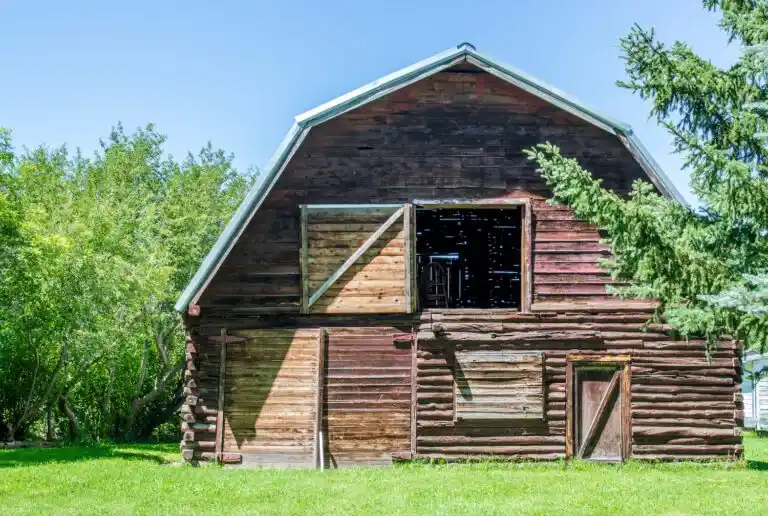
- Barns
- And other similar structures
They are low-cost and easy to take care of. They are also very aesthetically pleasing and can help shed snow and ice and provide a lofted living area or bedroom on the upper level of the structure. Perfect for a little cabin in the woods.
PROS AND CONS OF SHED ROOFS
With every good thing, there comes a balance of good and bad things. It’s important to consider all of the following when thinking about installing a shed roof or purchasing a home or building with such a roof style.
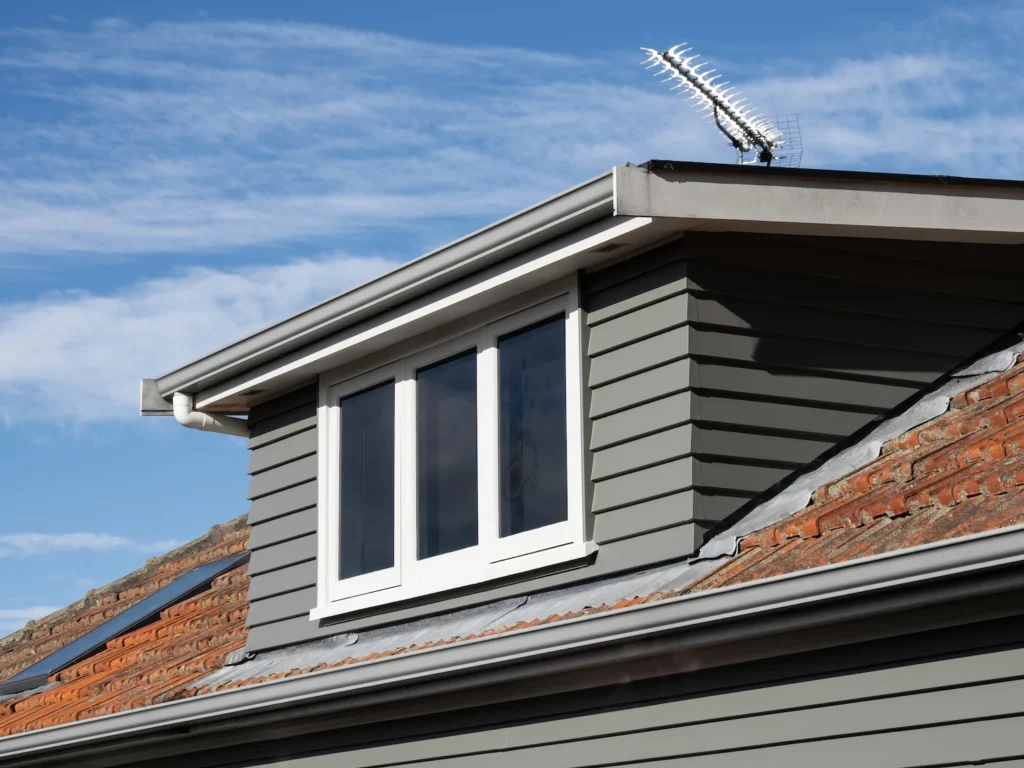
👍 LOW MAINTENANCE
Shed roofs have significantly less roofing material and definitely fewer seams and areas susceptible to leaks than other roof styles. This makes regular maintenance a breeze. Make sure gutters are clear, shingles are in good shape, and there are no leaks on the interior.
👍 EASY TO INSTALL AND REPAIR
Another great thing about shed roofs is they are very easy to install and repair, especially if you go with asphalt shingles or metal roofing. This type of roofing can be installed by one person in a shorter period of time than other types of roofs.
👍 UNIQUE AESTHETIC
Shed roofs give any home or building a unique look that can make it stand out from the rest. If you want to add curb appeal and value to your property, this is a great way to do it. You could even add it to one portion of your home in combination with other roof types for a modern look.
👍 LOW RISK FOR POOLING WATER
The slope of a shed roof is very steep and will never hold water since it has no valleys or edges like a two-sided roof might.
👍 CAN HANDLE ANY ROOFING MATERIALS
Shed roofs can be made of just about any roofing material, making it easy to find one that fits your needs whether you’re looking for durability, low cost, or a certain aesthetic.
👍 AFFORDABLE
Shed roofs are one of the most affordable roof types on the market. If you’re working with a tight budget, this is a great option that will still provide high quality and durability. Of course, your cost will depend on the roofing material you choose, but shed roofs are generally not very large, so you save on at least half the costs of a standard two-sloped roof.
❌ NOT IDEAL FOR A STANDARD HOME
Shed roofs are not ideal for a typical home. The single slope means one side of your home takes away valuable space you may desire. However, we have seen homeowners do one part of their home with a shed roof and the other with a standard gable, hip, or even a flat roof for a mid-century modern look.
❌ REQUIRES ADDITIONAL DRAINAGE
A dependable gutter system is necessary since a shed roof is handling the same amount of snow and rain but with just a single slope. Adequate drainage can help mitigate landscape and foundation damage around the bottom of the one slope.
INSTALLING A SHED ROOF
Now that we’ve covered the benefits of a shed roof, it’s time to take a look at the installation process. If you’re planning on taking on this project yourself, we’ve provided a step-by-step guide below.
1. CHOOSE YOUR MATERIALS AND MAKE A PLAN
The first thing you need to do is choose your roofing materials. As we mentioned before, shed roofs can be made of just about any type of roofing material. However, some are easier to install than others. If you’re not experienced in roofing, we recommend going with asphalt shingles or metal since they don’t require as much experience or expertise.
2. PREP THE ROOF
Once you’ve chosen your materials, it’s time to prep the roof. This includes removing any old roofing material, cleaning the surface, and making any repairs that may be necessary.
3. INSTALL THE DRIP EDGE
The next step is to install the drip edge. This is a strip of metal that’s placed along the edges of the roof. It helps prevent water from getting under the shingles and causing leaks.
4. INSTALL THE FELT PAPER
After the roof is prepped, you’ll need to install felt paper. This provides a layer of protection between the roofing material and the plywood.
5. INSTALL THE STARTER SHINGLES
The next step is to install starter shingles. These are placed along the edge of the roof and help provide a clean, straight line to work from.
6. INSTALL THE MAIN SHINGLES
Now it’s time to install the main shingles. Adding shingles is pretty simple. Starting at the bottom, work your way up in a zigzag pattern until the entire roof is covered.
7. INSTALL THE RIDGE CAP
The final step is to install the ridge cap. This helps protect the edge of the roof and provides added stability.
8. ENJOY YOUR NEW ROOF!
Now that you know all there is to know about shed roofs, it’s time to get started on your own project.
SHINGLE YOUR SHED ROOF THE RIGHT WAY— WITH MARS RESTORATION
When it comes to shingling a shed roof, there’s no one better to trust than MARS Roofing. We have over 30 years of experience in the roofing industry and are experts in all types of roofs, and can help you get a shed roof that lasts. Reach out today to get started!
Dec 6, 2022 | Blog
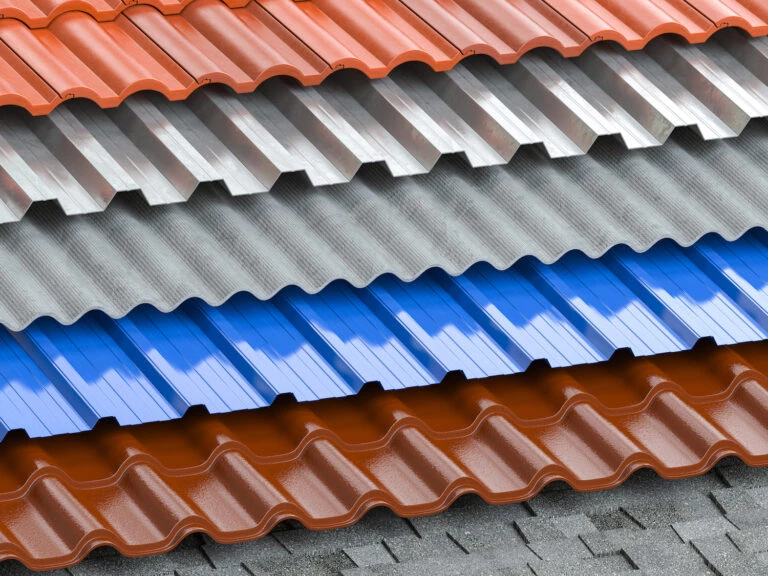
Your roof is undoubtedly one of the biggest investments you can make in your home— so you want to get it right. The thing is, there are so many more roofing material options than ever before. While asphalt shingles remain the most popular roofing material in America, you can also consider these types of roofing materials;
Of course, to decide which roof material works best for your home, you want to compare their pros and cons, cost, and style options. Our guide should help you do that! By the end, you’ll be able to see the benefits (and downfalls) of the most common roofing materials used today.
1) ASPHALT SHINGLES
Asphalt shingles are a very basic roofing material, but still claim the throne as the top roofing material used today. They’re made of an asphalt material coated with a thick layer of granules that help protect against UV rays, temperature shifts, and weather elements. As asphalt roof is relatively inexpensive, easy to install, and comes in a variety of colors and styles.
PROS OF ASPHALT SHINGLES
- Inexpensive
- Many color and style options
- Easy to install
- Low-maintenance
- DIY-friendly
- It can be manufactured to be impact resistant
- Fit any style of home
- Easy to replace
CONS OF ASPHALT SHINGLES
- Susceptible to wind uplifts and hail damage
- Won’t install properly in cold weather
- Shortest lifespan of the top roofing materials (15-20 years)
- Less unique look
- Can crack in extreme temperature shifts
2) METAL
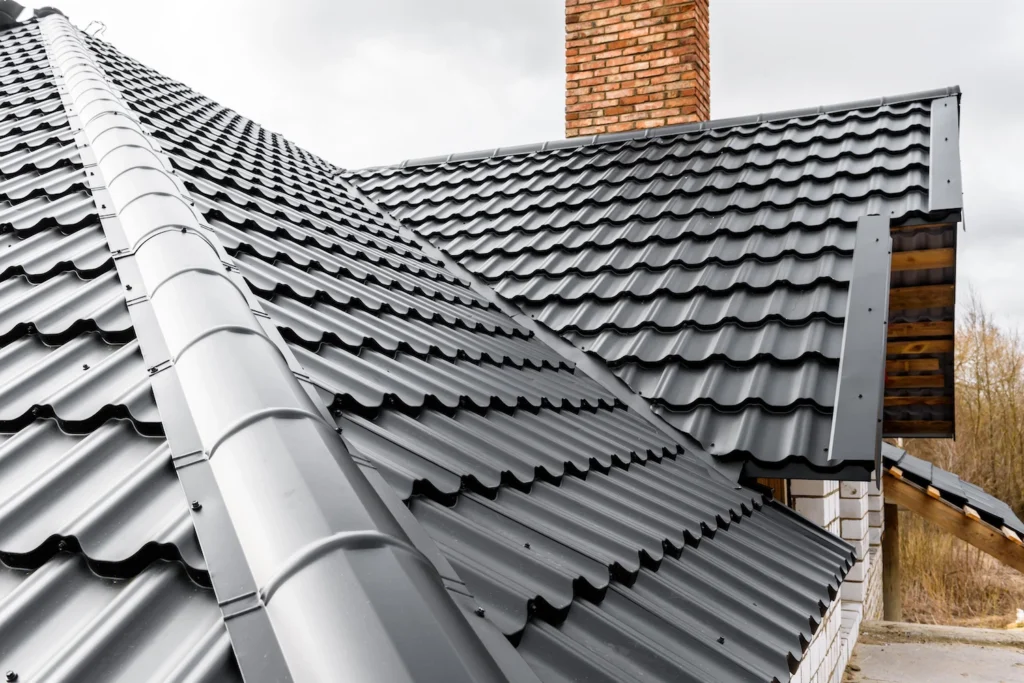
Metal roofing has been quickly climbing the ladder as another very viable option for residential homes. Metal roofs used to be just standing seam metal roofs— something you might see on a barn or shed. But now, with the manufacturing of high-end metal shingles, homeowners are jumping at the opportunity to upgrade their roof to a more durable version of a shingle.
PROS OF METAL ROOFS
- Extremely durable (50-70 year lifespan)
- Resistant to fire, wind, insects, and rot
- Energy efficient— can reflect solar rays
- Recyclable
- Low-maintenance
- Can be installed over existing roofs
CONS OF METAL ROOFS
- More expensive than other roofing materials
- It can be louder in rain and hail storms (especially if not adequately insulated)
- Can dent from large hail
3) CLAY TILE
Clay tiles have been around for a long time and are often more prevalent in southern desert regions. People choose clay tiles for their longevity, durability, and 100+ year lifespan. Some other benefits include the following:
PROS OF CLAY TILE
- It lasts a very long time (50-100 years)
- Durable and withstands severe weather conditions
- Resistant to fire, rot, and insects
- Natural insulator
CONS OF CLAY TILE
- Expensive
- Heavier than other roofing materials— requires a stronger roof deck
- Can crack in freezing temperatures
- Installation is complex and requires a professional
4) CONCRETE TILE
Concrete tiles are very similar to clay tiles in many ways, but they’re made of cement instead of clay. This difference means they’re a bit more flexible, which helps them withstand freeze-thaw cycles better (though they can still crack). They have all the same pros as clay tiles but with a few added benefits:
PROS OF CONCRETE TILES
- More flexible than clay tiles (less likely to crack)
- Long lifespan (50-100+ years)
- Very versatile and unique style options
- Eco-friendly
- Highly durable
CONS OF CONCRETE TILES
- Very heavy material
- Susceptible to cracks from large debris, foot traffic, or hail
- High upfront costs (but a long-term investment)
- Tend to fade over time
- Require a lot of maintenance to keep clean and free of algae and moss
5) SLATE
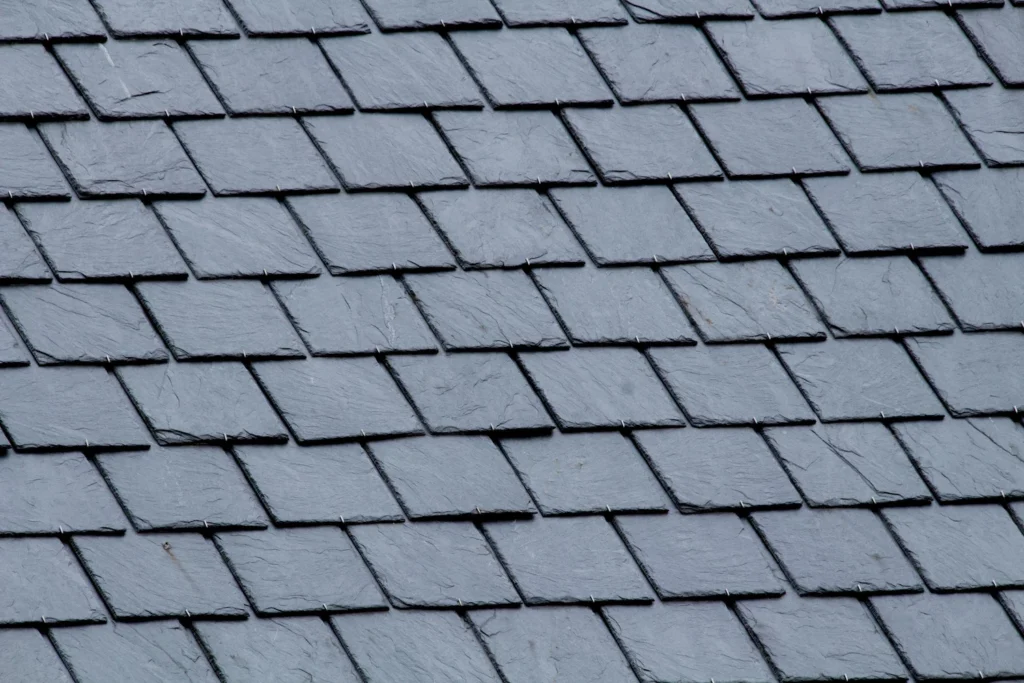
A slate roof is often called the “forever roof” because it lasts well over 100 years and even into the 200s. Slate roofs are some of the oldest roofs on record— take a trip to Europe, and you’ll see what we mean. While slate is not a common choice for standard residential homes, for those who do, they are making an investment that lasts long beyond their lifetime. Slate roofs can be ideal for churches or other structures that are meant to last for a long time.
PROS OF SLATE
- Lasts an extremely long time (100-200 years)
- Highly water resistant
- Fire resistant
- Beautiful and timeless aesthetic
- Very low maintenance
- Big increase in home value
CONS OF SLATE
- It’s very, very expensive averaging $20,000 – $38,000
- It weighs up to 4 times that of a standard asphalt shingle roof
- Heavy on the structure— requires reinforcing the roof trusses, most likely
6) SYNTHETIC SLATE SHINGLES
For a less expensive but just as long-lasting material comparable to slate, homeowners may choose synthetic slate or slate composite. This material has the beautiful look and the durability of slate but with a much lower price tag.
PROS OF SYNTHETIC SLATE
- Both the material and the installation are cheaper than natural slate
- Made of recyclable material
- Easier to find in stock
- More contractors can install synthetic slate vs. the real thing
CONS OF SYNTHETIC SLATE
- Depending on the quality of the manufacturer, some synthetic slate may not look as close to slate as others
- Can’t compare to natural slate’s resistance to water, fire, or rot
7) WOOD SHAKES
Lastly, wood shakes are an attractive option for your home’s roof. The aesthetic of a wood shake roof is so stunning and timeless— and it works great on most home styles, but especially something with a woodsy feel.
PROS OF WOOD SHAKES
- A natural insulator
- Resistant to pests and high winds
- Cedar shakes hold firm against UV rays
CONS OF WOOD SHAKES
- They fade into a grayish color that, for many, is beautiful, but some people may not like it
- It’s expensive for how short its lifespan is (15-30 years)
- It can be hard to notice cracks
- Require diligent upkeep and maintenance
As you can see, there is much to be said of these unique roofing materials. While comparing the pros and cons is very important to choose the best for your home, ultimately, people often choose based on price and style. But your contractor can help you in that decision-making process!
CHOOSING A REPUTABLE CONTRACTOR FOR THE JOB
When you find yourself seeking a new roof and want to upgrade your roofing material, talk to the pros at MARS Roofing. Our roofing professionals have seen all kinds of roofing issues and situations. And no matter how big or small your roofing project is, our goal is to ensure you get a roof that protects you and your family for years to come. Get in touch to get started on your dream roof.

Dec 5, 2022 | Blog
Having your entire roof repaired can be costly. Homeowners need to know most insurance companies can help offset some of their roof damage expenses.
Before submitting an insurance claim, it might be beneficial to ask a roofing contractor to evaluate the damages. Your insurance agent may ask for estimates for roof repairs. However, your Insurance Company may provide an adjuster to estimate the damages. But, it never hurts to have a rough estimate of costs beforehand.
For further assistance in homeowners insurance, we have composed a list of four insurance replacement questions every homeowner should know.
1. HOW MUCH MONEY WILL I HAVE TO PAY TO HAVE MY ROOF REPAIRED?
The answer to this question depends on your insurance company. However, if your insurance claim is approved, you will usually only need to pay your deductible for roofing repairs.
2. WHAT DAMAGES DOES MY INSURANCE COMPANY COVER?
Depending on insurance companies and the conditions of your homeowner’s insurance coverage, most damages to roofs by insured homeowners are covered in the following events:
ACCIDENTS
Most insurance policies cover damage to roofs caused by accidents, such as accidental discharging of water or steam, electrical surges, cracked pipes, or other faulty household products.
FIRE DAMAGE
Generally, most insurance policies cover damage to roofs caused by fire and smoke, wildfires, and vandalism.
WEATHER RELATED DAMAGE
In many cases, insurance companies also cover damage to your roof due to storm damage, such as sleet, ice, prominent hail damage, wind damage, or snow landing on your roof.
FALLING OBJECTS
Often roofs become damaged from falling objects, such as tree branches falling due to lightning. Many insurance companies will cover damages to your roof caused by falling objects. If in doubt, consult your insurance adjuster and always read the fine print in your insurance policy to ensure coverage in the event of falling objects.
THIRD-PARTY VANDALISM
Most homeowners are covered if their roof becomes damaged due to vandalism, theft of shingles, or other essential roof parts.
NATURAL DISASTERS
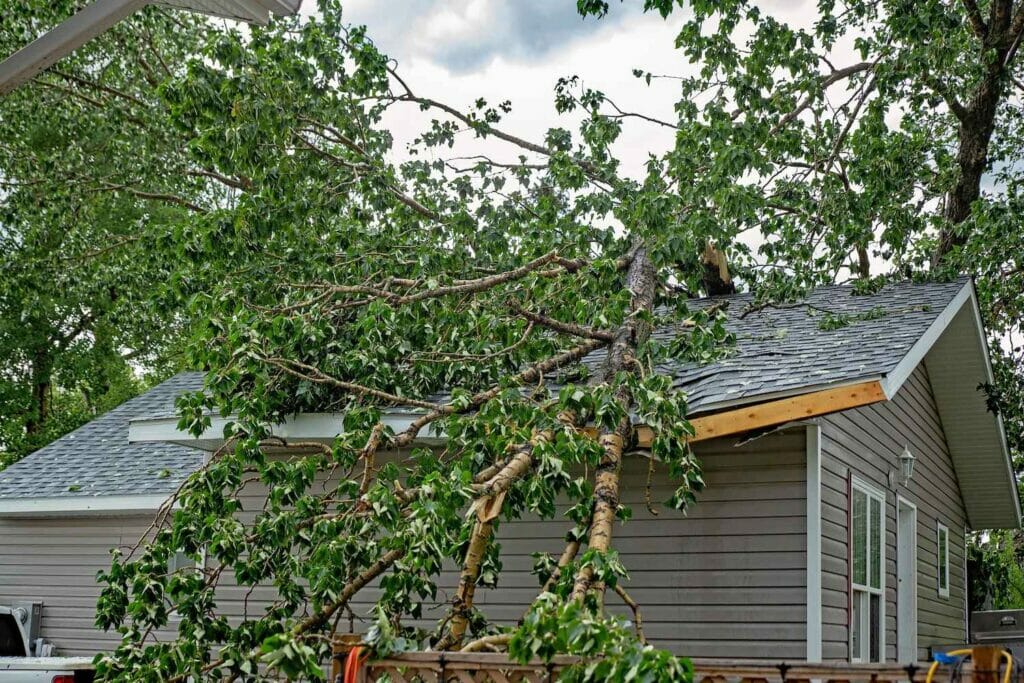
In some cases, there is coverage if a roof becomes damaged from natural disasters, such as hurricanes, tornados, and severe thunderstorms. However, not all policies cover roof damages caused by natural disasters, so it is always best to check with your insurance provider before submitting a claim.
Most insurance companies also have stipulations in the fine print of your insurance policy that you must adhere to to be eligible for insurance coverage, such as:
- Keeping up with regular maintenance
- Replacing old and faulty materials
- Having work done by a reputable contractor
3. HOW DOES AN INSURANCE ROOF REPLACEMENT PROCESS WORK?
When it comes to having repairs done through an insurance company, nothing moves as quickly as you’d like. Every step goes through the proper channels before advancing to the next stage.
To help answer some of your questions about the procedure, we have put together a step-by-step guide on how the insurance roof replacement process works:
STEP 1: ACCESS THE DAMAGE TO YOUR ROOF
The first step is to check the damage sustained to your roof. If only minor repairs are needed to fix your roof, you might decide to pay for the damages out of your pocket to avoid an insurance claim.
However, if there are costly damages to your roof, you need to call your insurance company. Your adviser will start an insurance claim on your behalf.

STEP 2: EXPECT A VISIT FROM INSURANCE ADJUSTER
When speaking to your insurance company, they will schedule an appointment for an insurance adjuster to visit your premises and estimate the damages to your roof.
Some insurance companies may ask you to provide insurance quotes by obtaining a qualified roof contractor to estimate the damages to your roof.
STEP 3: CLAIM APPROVAL
After the damages to your roof are estimated by your insurance company or a reputable roofing company and reported to the insurance adjuster, your insurance claim will either be approved or denied.
There are several factors for an adjustor to consider before an insurance company approves your insurance claim, such as:
- The cause of damages
- The shape of the existing roof before damages
- Whether or not maintenance and repairs were kept up
STEP 4: REPUTABLE ROOF CONTRACTOR IS HIRED
A reputable roof contractor can now be hired to repair your damaged roof. Some insurance companies will provide the contractor for you, while others will allow you to choose your reputable contractor. Some insurance companies may also ask for more than one insurance quote from reputable roofing contractors.
Before the work can begin on your roof, the contractor will submit a proposal to your insurance company. If your insurance company accepts the proposal, papers will be signed between both parties on a set price for the repair work to be completed.
STEP 5: WORK COMPLETED
Once your insurance claim is approved and the terms of the roofing contractor are accepted by your insurance provider, repair work on your roof can begin.
Steps may vary slightly, depending on the insurance company. From beginning to end, this can be a lengthy process when it comes to having the work completed through insurance.
4. WHAT IF MY CLAIM IS DENIED?
Not every insurance claim is approved. There are several factors insurance companies take into account, including:
- The time it took to report your damage claim to the insurance company
- The amount of damage to your roof and the replacement cost
- The type of damage and if it is covered under your insurance policy
5. WILL MY PREMIUMS INCREASE AFTER FILING AN INSURANCE CLAIM?
Again, every insurance policy differs. However, after filing a roof insurance claim, expect your premiums to increase from approximately 9% to 20%, depending on the number of previous insurance claims. The actual cash value per year will vary depending on the amount of your insurance policy.
FINAL THOUGHTS
Roof repairs can be daunting when you are unfamiliar with the ins and outs of insurance claims. However, it doesn’t have to be complicated when you know what to expect from your insurance provider. We hope we have provided valuable answers to your insurance roof replacement questions every homeowner should know.


![Flat Roofing: A Guide For Homeowners [Pictures]](https://mars-roofing.com/wp-content/uploads/2022/12/Flat-Roofing-A-Guide-For-Homeowners-Pictures.webp)