


Year-End Roof Inspection Checklist for Virginia Homes
As the year winds down in Virginia, most homeowners are thinking about holidays, heating bills, and maybe whether the winter will be mild or mean. What often gets overlooked is the roof—the one part of your home that quietly absorbs everything the year throws at it.
From spring downpours and summer heat to falling leaves and early winter freezes, Virginia roofs take a beating. A year-end roof inspection isn’t about finding problems for the sake of it. It’s about catching small issues before they turn into expensive emergencies when the weather is at its worst.
The good news? You don’t need to be a roofing expert to know what to look for—or when to call one.
Key Takeaways Before You Grab the Ladder
- Year-end inspections help prevent winter leaks and surprise repairs
- Most roofing issues start small and grow quietly
- Virginia’s climate creates unique stress on roofing systems
- A checklist keeps inspections simple and effective
- Professional inspections often save money long-term
Why Is a Year-End Roof Inspection So Important for Virginia Homes?
Seasonal weather patterns leave hidden damage behind
Virginia sits in a sweet spot for weather—and a tough spot for roofs. Hot, humid summers can loosen materials. Sudden storms can lift shingles. Fall leaves trap moisture. Then winter arrives with freezing temperatures that exploit every weakness.
A year-end inspection gives you a chance to:
- Address damage before snow and ice arrive
- Prevent leaks during winter storms
- Extend the life of your roof
Skipping this step often means discovering problems at the worst possible time—when repairs are harder and more expensive.
What Should You Look for on Shingles and Roofing Materials?
Surface damage is often the first visible warning sign
Start with a visual inspection from the ground or a stable ladder. You’re looking for anything that seems out of place.
Common red flags include:
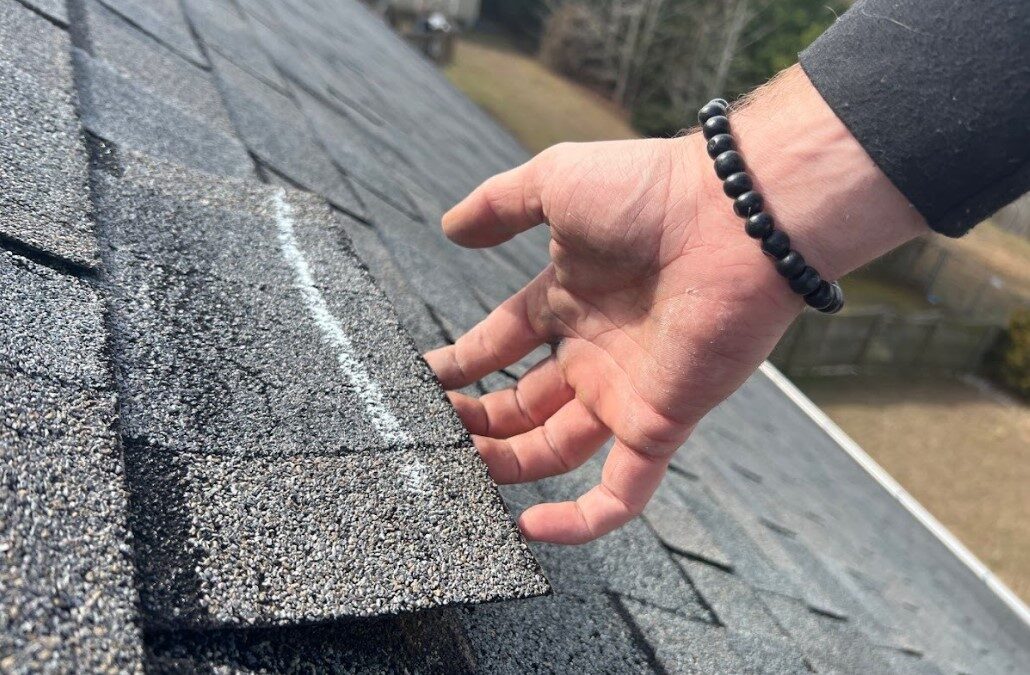
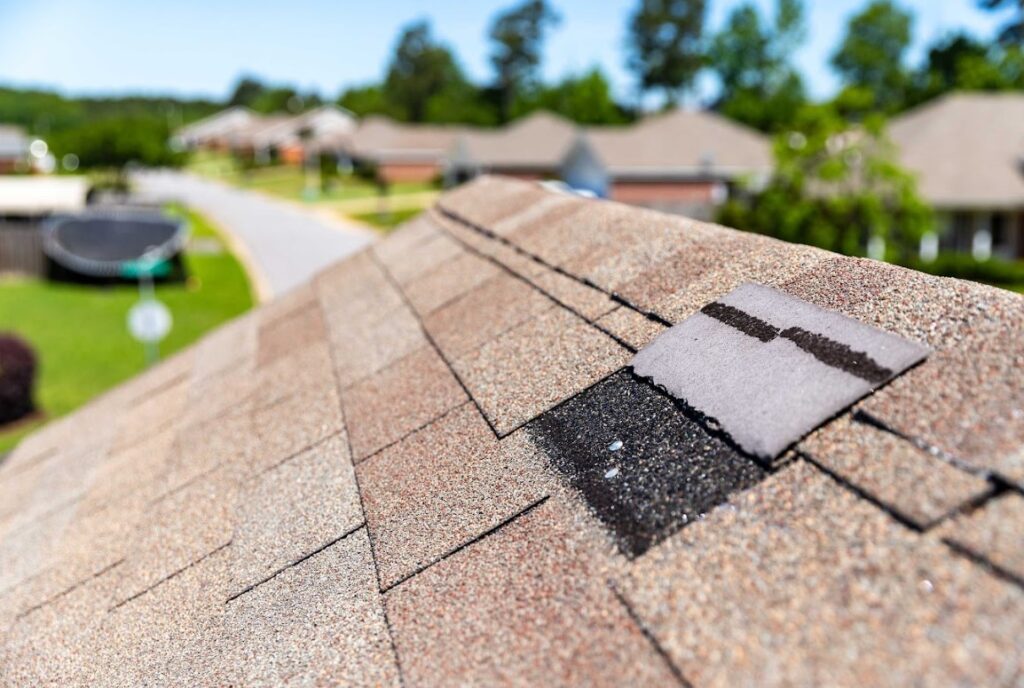
- Missing, cracked, or curling shingles
- Bald spots where granules have worn away
- Discoloration or dark streaks
- Shingles that appear lifted or uneven
In Virginia, strong winds and summer heat cycles are frequent culprits. Even small shingle issues can allow water intrusion once winter weather sets in.
How Do Roof Flashing and Seals Protect Against Winter Leaks?
Flashing failures are one of the most common leak sources
Flashing is the metal material installed around chimneys, vents, skylights, and roof valleys. Its job is to direct water away from vulnerable joints.
Check for:
- Rust or corrosion
- Cracked sealant
- Loose or lifting metal edges
As temperatures drop, old sealants shrink and crack. This is one of the biggest reasons winter leaks appear even when shingles look fine.
Why Should Gutters and Downspouts Be Part of Your Roof Inspection?
Proper drainage prevents water backup and ice damage
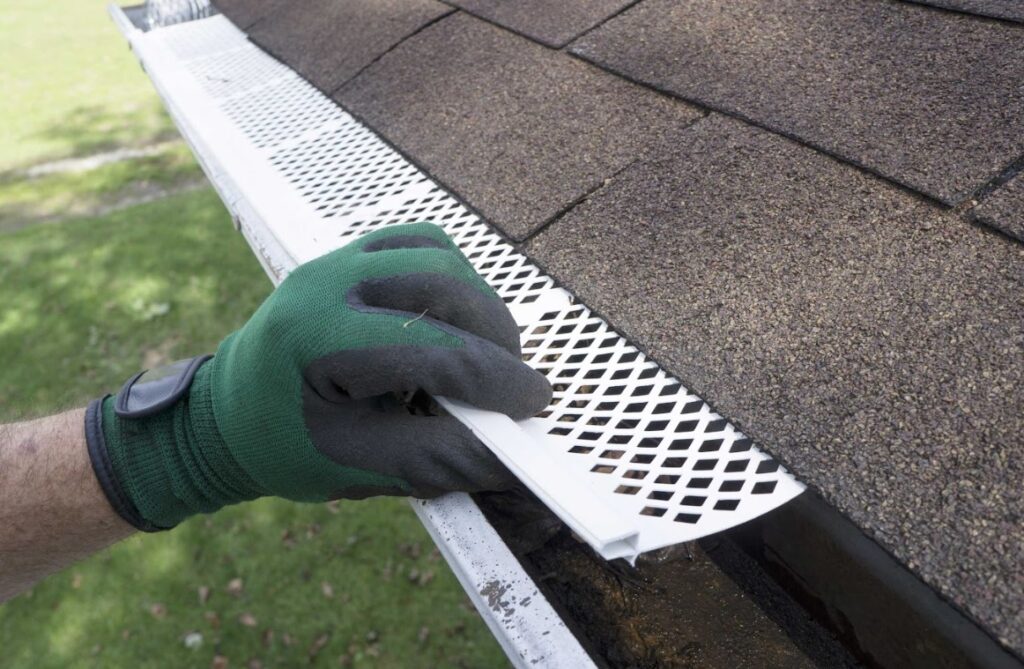
Gutters don’t just protect your siding—they protect your roof. Clogged or sagging gutters trap water along the roof edge, increasing the risk of ice dams and rot.
Before winter:
- Remove leaves, pine needles, and debris
- Check for loose fasteners
- Make sure downspouts direct water away from the foundation
This simple step reduces stress on your roof during freeze-thaw cycles common in Virginia winters.
What Can Your Attic Tell You About Roof Health?
Many roof problems start from the inside out
A quick attic check can reveal issues you won’t see from outside. Bring a flashlight and look for:
- Water stains or damp wood
- Mold or mildew smells
- Daylight coming through the roof deck
- Uneven insulation
Poor ventilation and insulation allow heat and moisture to build up, increasing the risk of winter condensation and ice dams.
Which Areas of the Roof Are Most Vulnerable to Damage?
Certain spots fail first, year after year
Some roof areas naturally take more abuse than others. Pay close attention to:
- Valleys where two roof slopes meet
- Chimneys and vent pipes
- Skylights and dormers
- Roof edges and eaves
These areas experience more water flow and temperature changes, making them prime candidates for leaks.
What Year-End Roof Maintenance Tasks Can Homeowners Handle Themselves?
A few simple actions go a long way
You don’t need to climb all over your roof to make a difference. These homeowner-friendly tasks help reduce winter risk:
- Trim overhanging branches to prevent storm damage
- Secure loose flashing or trim if safely accessible
- Replace missing shingles spotted during inspection
- Schedule professional repairs for anything questionable
Knowing your limits matters. If something feels unsafe, it probably is.
When Is It Time to Call a Professional Roofer?
Experience matters when conditions get tougher
Some issues aren’t obvious until a trained eye spots them. Professional inspections often uncover:
- Early-stage leaks
- Hidden structural issues
- Ventilation problems
- Insurance-related damage
For Virginia homeowners, a professional inspection before winter often costs far less than emergency repairs after a storm.
What Happens If You Skip a Year-End Roof Inspection?
Problems don’t wait for convenient timing
Skipping inspections doesn’t mean your roof is fine—it just means problems stay hidden longer. Common consequences include:
- Interior water damage
- Mold growth
- Higher heating bills
- Shortened roof lifespan
Most homeowners who wish they’d inspected sooner say the same thing: “I didn’t know until it was too late.”
Answers from the Roofline: What Homeowners Ask Most
Clear, honest answers to common concerns
Do I need a roof inspection every year?
Yes. Annual inspections catch wear before it turns into damage.
Is winter the worst time for roof repairs?
Often, yes. Cold weather limits materials and increases costs.
Can a newer roof still have issues?
Absolutely. Installation quality matters as much as age.
Do inspections help with insurance claims?
They can. Documentation strengthens claims after storms.
Wrapping Up the Year the Right Way
A strong roof makes for a stronger home
A year-end roof inspection isn’t about adding one more task to your list—it’s about peace of mind. Knowing your roof is ready for winter lets you focus on what matters, without worrying about leaks, stains, or surprise repairs.
If you’re unsure what you’re seeing—or want a professional set of eyes on your roof—MARS Restoration is here to help. Serving homeowners across Maryland and Northern Virginia, our experienced team knows how regional weather affects roofs and how to protect them before problems start.
Reach out to MARS Restoration today and head into the new year confident your roof is ready for whatever Virginia weather brings.