


Why Flat Roofs Are Everywhere in Maryland & Virginia — And How to Maintain Them Properly
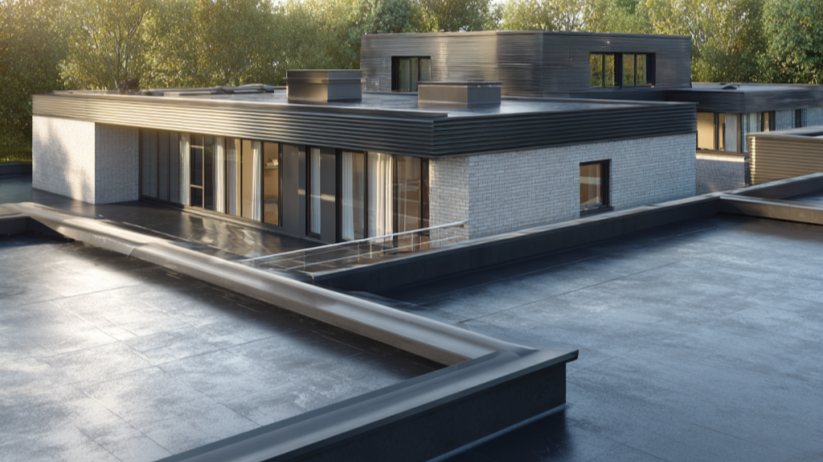
Flat roofs are everywhere across Maryland and Virginia. From commercial buildings and apartment complexes to townhomes and mixed-use properties, they’ve become a defining feature of the region’s built environment. But while flat roofs are practical, affordable, and efficient, they also come with unique maintenance needs that can’t be ignored.
If you own or manage a building with a flat roof, understanding why they’re so common and how to care for them properly can save you serious money, stress, and downtime. This guide breaks it all down in plain language, with real-world advice you can actually use.
Key takeaways to keep in mind as you read
- Flat roofs suit Mid-Atlantic architecture, zoning, and building density
- Weather in Maryland and Virginia puts extra stress on flat roof systems
- Standing water is the biggest long-term threat to flat roofs
- Routine maintenance prevents leaks, mold, and premature replacement
- Working with a local flat roofing expert makes all the difference
Why are flat roofs so common in Maryland and Virginia?
What makes flat roofs practical for this region?
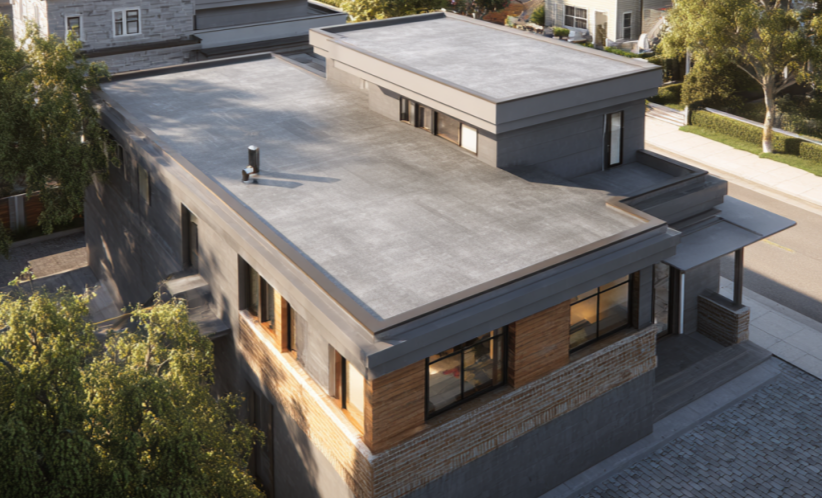
Flat roofs took off in Maryland and Virginia for a few simple reasons. They’re efficient to build, easier to design around tight urban spaces, and well-suited for commercial and multi-family properties. In dense areas like Baltimore, Northern Virginia, and suburban commercial corridors, flat roofs allow for maximum usable interior space without complicated rooflines.
They also make sense from a planning perspective. Flat roofs allow for HVAC units, solar panels, and drainage systems to stay out of sight while keeping building profiles clean and consistent with zoning requirements.
How do climate and weather influence flat roof popularity?
Why do flat roofs still work despite Mid-Atlantic weather?
Maryland and Virginia see it all. Heavy rain, humidity, snow, ice, and wide temperature swings. Flat roofs can handle these conditions when they’re designed and maintained correctly.
Modern flat roofing systems are engineered to manage water, resist UV exposure, and flex with temperature changes. The problem isn’t the roof style. It’s neglect, poor drainage, or outdated materials that cause most failures.
What types of flat roofing systems are most common locally?
Which materials are used on flat roofs in this area?
Most flat roofs in Maryland and Virginia fall into a few proven categories, each with strengths depending on building use and budget.
Common flat roofing systems include
- TPO roofing systems known for energy efficiency
- EPDM rubber roofing valued for flexibility and durability
- Modified bitumen systems offering layered protection
Each of these systems performs well in the Mid-Atlantic when installed correctly and maintained consistently.
What is the biggest problem flat roofs face over time?
Why is standing water such a serious issue?
Water is the number one enemy of flat roofs. Even though they’re called flat, these roofs rely on subtle slopes and drains to move water away. When drains clog or low spots develop, water pools.
Over time, standing water breaks down roofing membranes, seeps into seams, and finds its way inside. Left unchecked, it can lead to leaks, mold growth, insulation damage, and structural issues.
How often should flat roofs be inspected in Maryland and Virginia?
What inspection schedule actually works?
Flat roofs should be inspected at least twice a year, ideally in spring and fall. Inspections are also critical after major storms, heavy snow, or prolonged rainfall.
Routine inspections catch small issues like cracked seams, clogged drains, or punctures before they turn into full-scale leaks. In a region with unpredictable weather, skipping inspections is one of the fastest ways to shorten roof life.
What maintenance tasks keep flat roofs in good shape?
Which simple steps make the biggest difference?
Flat roof maintenance doesn’t have to be complicated, but it does need to be consistent. Property owners who stay ahead of small issues almost always avoid costly repairs later.
Key maintenance tasks include
- Clearing drains and scuppers of debris
- Checking seams, flashing, and penetrations
- Removing standing water after heavy rain
- Watching for membrane cracks or bubbles
- Keeping roof surfaces clean and unobstructed
These steps protect the roof’s ability to shed water and resist weather damage year-round.
How does seasonal weather affect flat roof maintenance?
What should owners watch for throughout the year?
Each season brings different risks. Summer heat can cause membranes to expand, while winter freeze-thaw cycles stress seams and flashing. Fall leaves clog drains. Spring rain tests drainage systems.
Staying proactive with seasonal maintenance keeps flat roofs stable through constant environmental changes and prevents sudden failures during extreme weather events.
How long should a flat roof last in this region?
What lifespan is realistic for flat roofing systems?
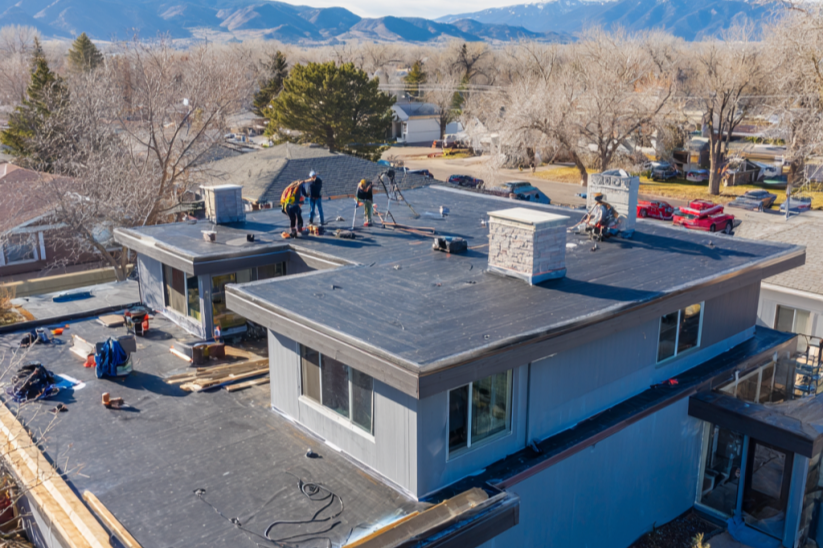
When properly installed and maintained, flat roofs in Maryland and Virginia can last 20 to 30 years depending on the material. The biggest factor is not age, but care.
Roofs that receive regular inspections and prompt repairs often outperform neglected roofs by a decade or more. Maintenance directly extends lifespan and reduces total ownership costs.
What mistakes do property owners commonly make with flat roofs?
Why do flat roofs get a bad reputation?
Flat roofs don’t fail because they’re flat. They fail because they’re ignored. Many owners assume no visible leaks means no problems. Unfortunately, water damage often develops quietly beneath the surface.
Other common mistakes include delaying repairs, using inexperienced contractors, and skipping drainage improvements. These shortcuts almost always lead to bigger problems later.
How can flat roofs improve energy efficiency?
What role does flat roofing play in comfort and cost control?
Modern flat roofing materials reflect heat and support insulation systems that stabilize indoor temperatures. This reduces strain on HVAC systems and lowers energy bills throughout the year.
In commercial buildings, these energy gains add up quickly, improving comfort for occupants while controlling operational costs.
What questions do property owners usually ask about flat roofs?
Straight answers before problems start
How do I know if my flat roof is leaking?
Signs include water stains, bubbling paint, musty odors, or unexplained moisture. Professional inspections catch leaks long before interior damage appears.
Can flat roofs handle snow in Maryland and Virginia?
Yes, when drainage is clear and the structure is sound. Snow becomes a problem only when meltwater can’t escape.
Is flat roof replacement always necessary after a leak?
Not always. Many leaks can be repaired if caught early, which is why routine inspections matter.
Are flat roofs only for commercial buildings?
No. Many townhomes, residential additions, and modern homes use flat roofs successfully across the region.
How does proper maintenance protect your investment long-term?
Why proactive care always pays off
Flat roofs reward owners who pay attention. A well-maintained roof protects interiors, supports energy efficiency, and avoids sudden disruptions. Over time, maintenance costs far less than emergency repairs or early replacement.
In Maryland and Virginia’s demanding climate, a proactive approach isn’t optional. It’s essential.
Where do you go when flat roof care really matters?
The smart next step for long-lasting flat roofs
Flat roofs are everywhere in Maryland and Virginia for good reason. They work. But they only perform their best when maintained by professionals who understand local conditions, materials, and building requirements.
If your flat roof needs inspection, maintenance, or repair, reach out to Mars Roofing in Maryland. Their team brings hands-on experience, practical solutions, and the kind of workmanship that keeps flat roofs performing season after season.