


TPO, EPDM, PVC, or Modified Bitumen? How to Choose the Right Flat Roof System
Flat roofs don’t get much love—until they leak.
When water starts creeping across ceiling tiles or your energy bills spike for no clear reason, suddenly that flat roof becomes the most important part of the building. Choosing the right system isn’t just about price per square foot. It’s about durability, climate, foot traffic, long-term maintenance, and how much risk you’re willing to live with.
If you’re weighing TPO, EPDM, PVC, or modified bitumen, you’re in the right place. Let’s break it down in plain English and help you figure out what makes sense for your property in Maryland.
Key Takeaways
- The best flat roof system depends on your building type, budget, and long-term goals.
- TPO and PVC are energy-efficient and reflective, making them popular for commercial buildings.
- EPDM performs well in cold climates and offers strong long-term durability.
- Modified bitumen is tough and time-tested, especially for buildings with heavy foot traffic.
- Maryland’s freeze-thaw cycles and storm seasons make professional installation critical.
- A roof inspection can save thousands by matching the right system to your structure.

What Is a Flat Roof System, and Why Does the Material Matter?
Because not all flat roofs are built—or perform—the same
Flat roofs aren’t truly flat. They have a slight slope to drain water, but they rely heavily on the membrane material to keep moisture out.
Unlike steep-slope roofs with shingles, flat roof systems use continuous sheets or layers that act as waterproof barriers. The wrong material can lead to:
- Ponding water problems
- Premature cracking
- Seam failure
- High cooling costs
- Expensive repairs within a few years
The right material, installed correctly, can last decades.
In Maryland, where we deal with summer heat, heavy rain, winter snow, and freeze-thaw cycles, your roofing system has to handle all four seasons without blinking.
What Is TPO Roofing and When Does It Make Sense?
TPO is a popular, energy-efficient membrane for commercial properties
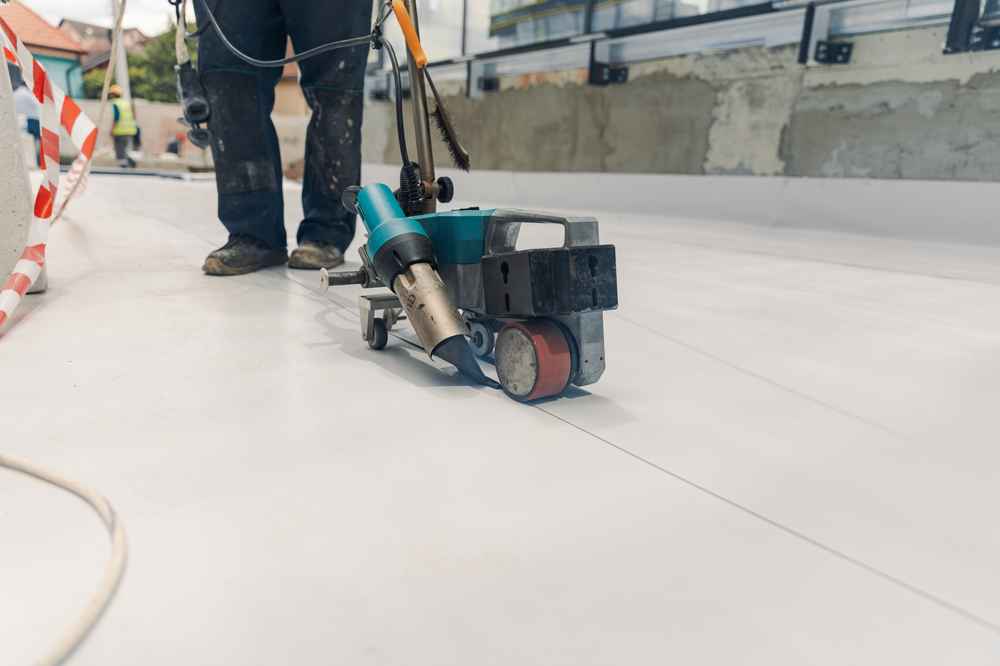
TPO (thermoplastic polyolefin) is a single-ply roofing membrane known for its bright white, reflective surface. It’s one of the most commonly installed flat roof systems today.
Why property owners choose TPO:
- Reflects UV rays and reduces cooling costs
- Heat-welded seams create strong bonds
- Lightweight and flexible
- Resistant to mold and dirt buildup
TPO works especially well on large commercial buildings where energy efficiency is a priority. If your utility bills climb during Maryland summers, this system can help reduce rooftop heat absorption.
That said, not all TPO is manufactured equally. Thickness, reinforcement quality, and installer experience matter. A poorly installed TPO roof can fail at the seams.
Is EPDM the Right Choice for Maryland’s Climate?
EPDM handles cold weather like a champ
EPDM (ethylene propylene diene monomer) is often referred to as “rubber roofing.” It’s typically black and comes in large rolls that are adhered or mechanically fastened to the roof deck.
Why EPDM stands out:
- Excellent flexibility in cold temperatures
- Long lifespan when maintained properly
- Resistant to UV radiation
- Lower upfront cost compared to PVC
In colder climates, EPDM shines because it expands and contracts without cracking. Maryland winters bring freeze-thaw cycles that can stress rigid materials. EPDM handles that movement well.
The trade-off? Its black surface absorbs heat. That’s not always bad—especially in colder regions—but it can increase cooling demands in summer unless paired with proper insulation.
What Makes PVC Roofing Different from TPO?
PVC offers strength, durability, and chemical resistance
PVC (polyvinyl chloride) roofing looks similar to TPO but tends to offer higher performance in certain environments.
PVC is often used on:
- Restaurants with grease exhaust systems
- Industrial buildings
- Facilities exposed to chemicals
It’s resistant to grease, oils, and harsh substances that can break down other membranes.
Advantages of PVC roofing:
- Strong, heat-welded seams
- Excellent waterproofing performance
- Reflective and energy-efficient
- Durable against punctures
PVC is usually more expensive than TPO, but in high-risk environments, that extra investment can prevent early failure.
If your building has rooftop HVAC units, frequent service traffic, or exposure to contaminants, PVC might be the smarter long-term choice.
Is Modified Bitumen Still a Good Flat Roof Option?
Yes—especially for durability and foot traffic
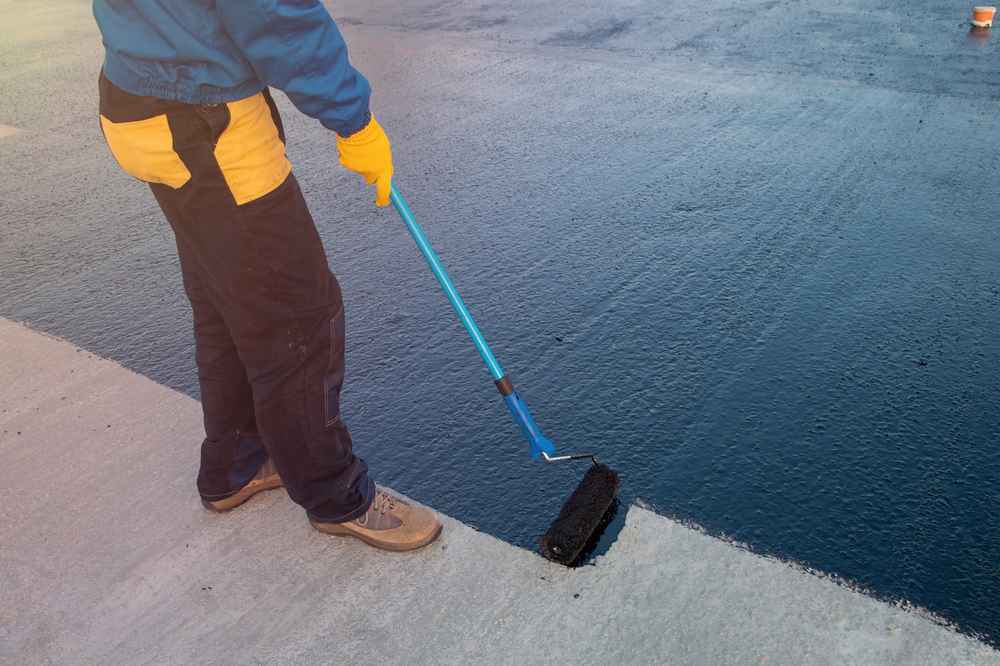
Modified bitumen has been around for decades. It’s an asphalt-based roofing system reinforced with fiberglass or polyester and applied in layers.
It’s often installed using heat (torch-down), cold adhesives, or self-adhering sheets.
Why building owners still choose modified bitumen:
- Excellent puncture resistance
- Multi-layer protection
- Strong performance under foot traffic
- Proven track record
If your roof sees regular maintenance crews walking across it, modified bitumen offers a rugged surface that stands up to abuse.
While it may not have the same reflectivity as TPO or PVC unless coated, it’s reliable and well-suited for many Maryland commercial and multi-family properties.
How Do You Decide Which Flat Roof System Is Best for Your Building?
Start with your building’s real-world needs
This isn’t a popularity contest. The “best” flat roof depends on how your building functions.
Ask yourself:
- Does my roof get heavy foot traffic?
- Are energy costs a concern?
- Is chemical exposure an issue?
- What’s my long-term ownership plan?
- How important is lifespan versus upfront cost?
Here’s a simple way to think about it:
- Choose TPO if energy efficiency and affordability are priorities.
- Choose EPDM if cold-weather flexibility and budget matter most.
- Choose PVC if chemical resistance and durability are critical.
- Choose modified bitumen if you want toughness and layered protection.
The key is matching the system to the structure—not forcing a one-size-fits-all solution.
How Important Is Professional Installation?
More important than the brand name on the material
You can buy the best membrane on the market, but if it’s installed poorly, it will fail.
Flat roofing requires:
- Precise seam welding
- Proper drainage design
- Correct insulation layering
- Attention to flashing details
In Maryland, improper drainage can lead to ponding water, and ponding water leads to premature failure.
That’s why inspection, design, and installation all matter just as much as the product you choose.
What Questions Should You Ask Before Replacing a Flat Roof?
The Rooftop Reality Check
Before signing a contract, ask your contractor:
- How long will this system realistically last in Maryland?
- What thickness membrane are you installing?
- How are seams sealed and tested?
- What warranty options are available?
- How will drainage be improved?
A good contractor won’t rush these answers. They’ll explain them.
Flat roof replacement isn’t cheap. But choosing wrong is even more expensive.
How Long Do These Flat Roof Systems Typically Last?
Lifespan depends on material, installation, and maintenance
While exact numbers vary, general expectations look like this:
- TPO: 15–25 years
- EPDM: 20–30 years
- PVC: 20–30+ years
- Modified bitumen: 20+ years
Regular inspections and preventative maintenance can extend lifespan significantly.
Ignoring small seam issues or flashing cracks? That’s how minor repairs turn into interior water damage.
Why Does Maryland’s Climate Make Roof Selection So Important?
Because your roof sees every season in full force
Maryland experiences:
- Humid summers
- Heavy thunderstorms
- Snow and ice
- Freeze-thaw cycles
That combination stresses roofing materials in different ways throughout the year.
UV rays degrade surfaces. Ice expansion tests flexibility. Summer heat challenges seams. Heavy rain tests drainage systems.
The right flat roof system accounts for all of it—not just today’s weather.
What’s the Bottom Line When Choosing Between TPO, EPDM, PVC, and Modified Bitumen?
The best roof is the one built for your building—not someone else’s
There isn’t a universal winner.
There’s only the right match for your structure, budget, and long-term plans.
Flat roofs aren’t flashy. They don’t sparkle. But they quietly protect everything underneath them—your inventory, your employees, your tenants, your investment.
Choosing carefully now means fewer emergencies later.
Ready to Get Your Flat Roof Done Right?
A flat roof isn’t something you want to gamble on.
If you’re considering TPO, EPDM, PVC, or modified bitumen and want expert guidance tailored to Maryland’s climate, it’s time to talk to professionals who understand local conditions and long-term performance.
Contact Mars Roofing today for a thorough inspection and honest recommendations. Whether you need repair, replacement, or a full system upgrade, our team will help you choose the right flat roof solution—built to last through Maryland’s toughest seasons.
Because the best roof isn’t just installed. It’s built with purpose.