
Best Times Of Year To Replace A Roof (Homeowner’s Guide)

Best Times Of Year To Replace A Roof (Homeowner’s Guide)

Replacing a roof is a large project, almost all of which takes place outside on top of your house. So what is the best time to replace a roof? Are some seasons better than others?

The answer is a strong yes. Depending on the climate you live in, there are particular times of year you should schedule your appointment with a roofing contractor.

Most roofing contractors agree that early to mid-fall is the best time to replace your roof. This tie of year offers almost ideal working conditions and increases the chances of the installation going smoothly! 

Keep reading to learn the pros and cons of getting your roof replaced in each season and how this applies to various regions in the US.

BEST TIME TO REPLACE ROOF

Below details the busy seasons, slow seasons, and more concerning roofing installation.

REPLACING IN WINTER

Winter is not the best time to get your roof repaired unless you live in a very mild climate with warmer winters. Winter temperatures and precipitation make it dangerous for roofers to work on new shingles. Winter weather is unpredictable, and there is limited daylight, meaning the roofing project would take longer than normal.

The longer the project takes, the more likely weather affect the shingles. Also, shingles can crack when installed under super cold temperatures. The upside if you get your roof replaced in the harsh winter is that many roofing companies will likely have an open and flexible schedule.

While winter roof installation is ill-advised, it can be done in an emergency. Winter is the worst time for roof work, but it’s also the most important time to have a quality roof.

Pros

  • Roofers are in slow season
  • More affordable

Cons

  • Damaged roofing materials and tools
  • Unsafe working conditions
  • Unpredictable and harsh weather conditions
  • Freezing temperatures

Ideal Regions

  • Southern states
  • California

Worst Regions

  • Northeast states
  • Midwest states
  • Rocky Mountain states

REPLACING IN FALL
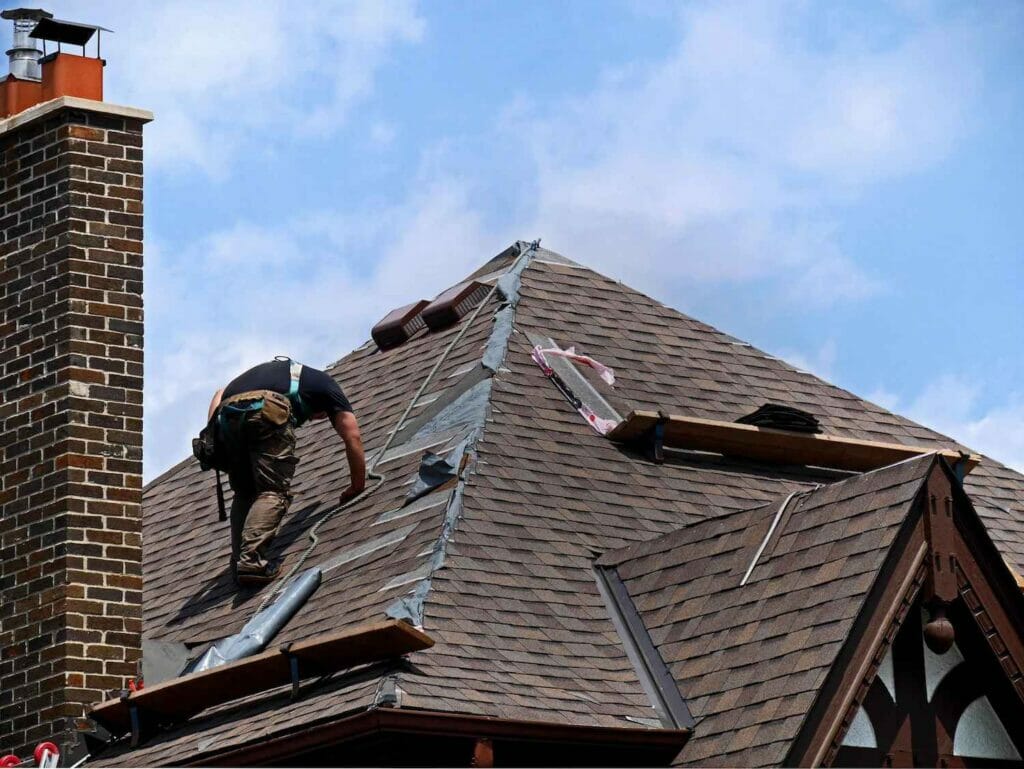
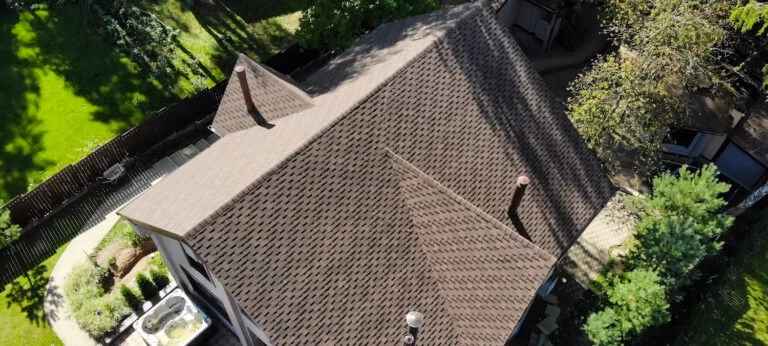
best time to replace roof top view

Fall is the most popular time for roof replacements and also the best season for it. The downside is that it can be difficult to schedule a roofing appointment in the fall if you don’t plan ahead.

Autumn days are still long at the start of the season, offering longer hours of daylight for workers to complete the project quickly. The summer heat dies down at the beginning of fall, but the cold weather and winter temperatures haven’t crept in just yet.

Winter season is also around the corner, and you must have a stable roof before the snow starts to fall. While some people think spring is the optimal time, fall is far better because there is less rain and low yet mild temperatures. To avoid scheduling issues, always try to make your roof replacement appointment months in advance to ensure you get a slot in autumn.

Pros

  • Consistent weather
  • Mild temperatures
  • More daylight
  • Ideal temperature for materials and tools

Cons

  • Higher prices
  • Limited experienced roofing contractor availability

Ideal Regions

  • Most regions in the US

Worst Regions

  • Northeast states
  • Northwest states

REPLACING IN SPRING

Many people assume spring is the ideal time to get roof replacements because the sun is shining and the temperature is more comfortable. However, spring weather can be unpredictable concerning precipitation and high temperatures. Spring typically has the highest levels of rainfall compared to other seasons, which can cause unsafe and slippery conditions for roof workers.

Despite this, roof replacement is super common in springtime, but appointments and projects can be delayed due to rain, inconveniencing many homeowners and roofing contractors and extending the project’s duration.

But if you notice issues or damage in the spring, it’s best to make an appointment as soon as possible so you can get the replacement scheduled before the summer heat. Sometimes the heat comes earlier than expected, which happens more and more as the years pass. If you schedule an appointment in mid to late spring, the sun produces high heat warping asphalt shingles or making it hard for roofing tools to function.

Pros

  • Milder and cooler temperatures
  • Longer daylight
  • Low humidity
  • Clear weather

Cons

  • Experienced roofing contractors are in busy season
  • Most popular season
  • Heavy rainfall
  • Unpredictable temperatures

Ideal Regions

  • Midwest states
  • Rocky Mountain states

Worst Regions

  • Southern states
  • Northeast states
  • Northwest states

REPLACING IN SUMMER

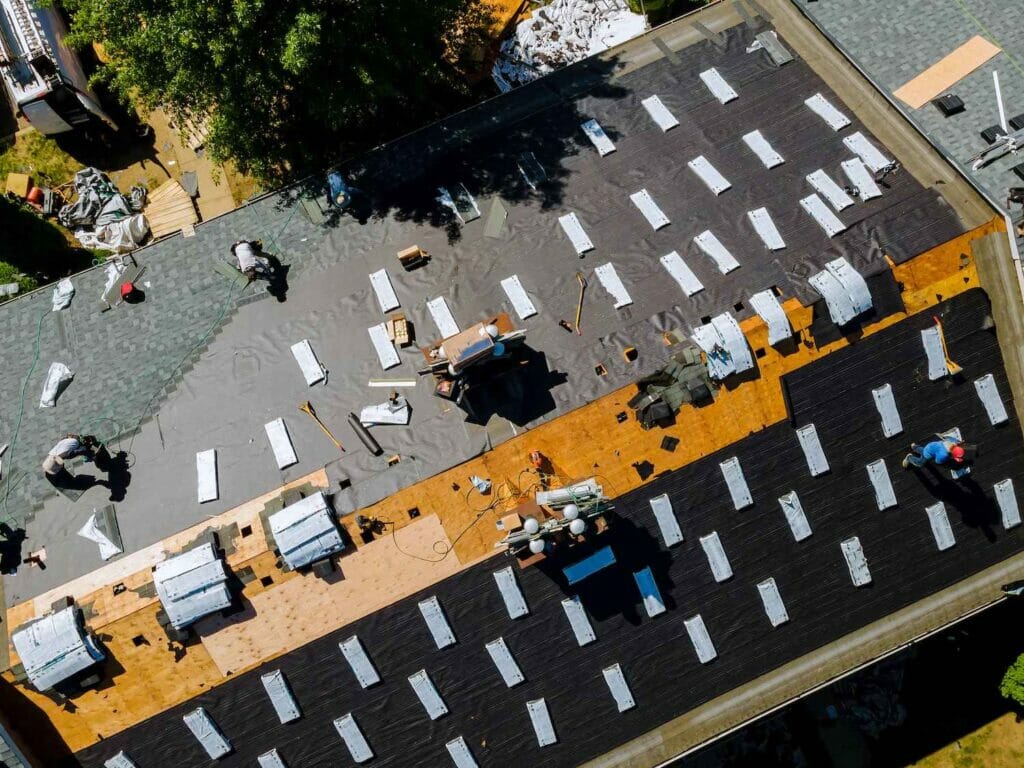
best time to replace roof worker

Some people think summer is ideal for home maintenance because the days are long and mostly sunny. But up on an asphalt roof, workers can experience extreme heat, making roof maintenance and replacement dangerous and difficult.

Depending on the climate you live in, the beginning of summer can be a suitable time for roof replacement. Places that don’t experience super hot summers can schedule their roof replacement in early summer. Getting an appointment around this time is typically easier than getting one in the spring or fall, making it a desirable window.

A large factor in summer roof replacement is the humidity level. Hihg humidity can cause the shingles not to adhere properly. Mountainous regions and the midwest states often have low humidity, even at the peak of summer, making roof installation easier. But coastal regions can have 90% humidity, which can easily warp the roofing shingles and impair the functionality of certain roofing tools.

Unlike spring, summer does have more predictable weather conditions, so precipitation is less of a concern. When it comes to summer season roof installation, temperature and humidity are the main focus.

Pros

  • Longest daylight
  • Predictable weather conditions
  • Low precipitation
  • Roof installers are less busy

Cons

  • Extreme heat
  • Extreme weather
  • High humidity
  • Compromised materials and tools

Ideal Regions

  • Pacific coastal states
  • Northeast states

Worst Regions

  • Southern states
  • Southwest
  • midwest

SIGNS YOU NEED TO REPLACE YOUR ROOF

As mentioned, it’s best to make your roofing appointment far in advance so you can choose the ideal season. It’s good to know the signs you need to replace your roof so you can identify them early and prevent an emergency. Below are a few reasons you should think about planning ahead or calling a roofing consultant to make a roof repair or replacement appointment:

  • Buckling shingles
  • Leaks
  • Missing shingles
  • Sagging spots
  • Damage or discoloration
  • Mold or mildew growth

HOW OFTEN YOU NEED TO REPLACE YOUR ROOF

A new roof should stay in good condition for 12-30 years, depending on the materials. So making a roof installation appointment should not be a regular occurrence. But roofs require maintenance still! So roof costs shouldn’t be a consistent problem.

BOTTOM LINE

If you need home improvement immediately, most roofing companies and most contractors will oblige no matter the season. But to make your life easier and ensure your roofs are installed under ideal conditions, try to make your appointments in the fall. During this season, weather cooperates more, thermal sealing works better, and shingles ar more likely to seal effectively.
How Long Does A Roof Last? (Breakdown By Roofing Material)

How Long Does A Roof Last? (Breakdown By Roofing Material)

Though most roofs can last several years or decades, they don’t all enjoy the same lifespan. But how long does a roof last? The answer often depends on the material!

To ensure you replace your roof when needed (and choose a long-lasting replacement roof), let’s explore how long a roof lasts by examining different roof materials and their expected lifespans.

We’ll also briefly discuss factors that impact roof longevity, ensuring that your current and future roofing enjoys the longest possible lifespan. Let’s begin!

ASPHALT SHINGLE ROOFING

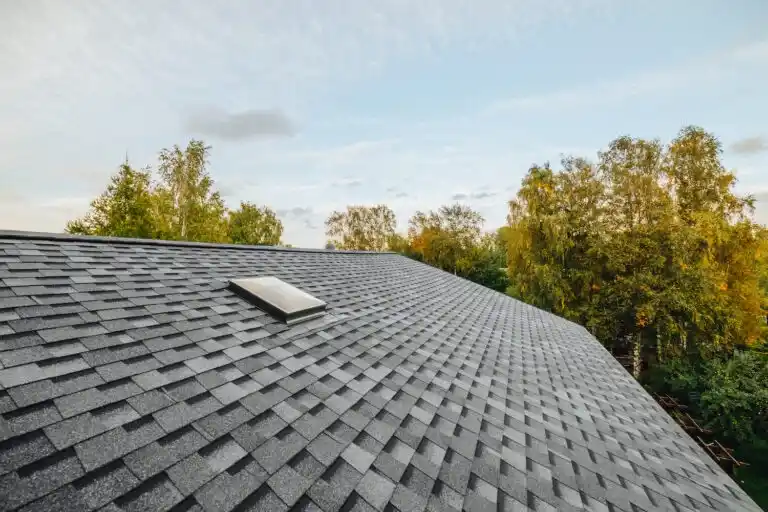
how long does a roof last asphalt

Asphalt shingles are the most common material used for roofs, in no small part due to their affordability and ease of installation. But one of the major drawbacks of this material is its durability and longevity.

The average asphalt roof replacement occurs every 10 to 20 years, depending on homeowner maintenance and external factors like extreme weather.

These types of roofs also experience their fair share of problems. Roof leaks and missing shingles are a common issue homeowners with asphalt roofs experience. So, if you’d like to minimize roof repairs, you may want to opt for a different material.

METAL ROOFING

This type of roof comes in practically every imaginable style and shape. Additionally, there are several types of metals used to create this type of roof, with some of the most common being:

  • Galvanized steel
  • Stainless steel
  • Aluminum
  • Copper
  • Zinc
  • Brass

The durability of each of these metals varies, and some are more prone to corrosion than others (a factor that significantly impacts a metal roof’s lifespan). That said, the average metal roof is built to last an average of 50 years, though some may endure for longer (up to 70 years) when properly maintained.

CEDAR SHAKE ROOFING

Cedar shake roofing is one of the most popular types of wood roofing available, and it’s not challenging to understand why. This wood roof has a classic look that can add a touch of elegance to any home.

However, cedarwood isn’t the most naturally durable material. Though cedar shake shingles are treated, helping them remain water-resistant and preventing rot, their average lifespan averages about 30 years.

While this does make cedar shake roofing a longer-lasting alternative to asphalt shingles, wood-based aren’t as long-lived as metal, clay, or stone roofs.

CLAY TILE ROOFING

Clay tile roofs are more expensive than other roof types, but they’re also attractive, iconic, and long-lasting. If you’ve ever seen a classic Hollywood mansion or Italian-inspired mini-mansion, you’re likely familiar with these curved clay tiles and their reddish-orange hues.

Unlike asphalt, which can melt when exposed to extreme heat, clay tends to become more durable when exposed to prolonged bouts of sunlight, making it an ideal material for homes in sunny, warm areas.

Besides, clay tiles can remain in tip-top shape for the better part of a century (up to 100 years), making it a smart long-term investment for property owners hoping to get the most out of their new roof.

Naturally, as with all other roofs, maintenance is a crucial part of ensuring a clay tile roof enjoys the maximum possible lifespan.

SLATE TILE ROOFING

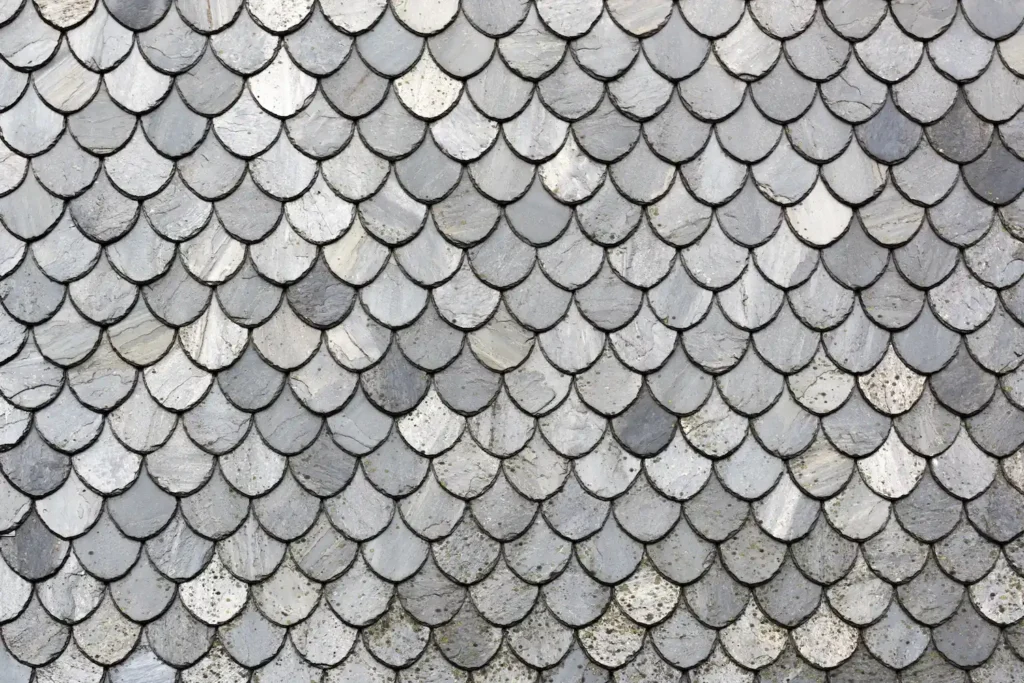
how long does a roof last slate

Unlike asphalt shingles and sheet metal, both of which are highly processed materials, slate tile is essentially natural stone shaped into small squares or rectangles. So, if you’re looking for a natural alternative for your new roof, you may want to consider investing in slate.

Besides, the dark grey-blue tiles of a slate roof can add a little elegance to a home. This material is also prized for its durability, and most slate roofs can easily last decades, if not centuries.

Looking for the longest-lasting possible option for your roof? If so, you’ll want to consider investing in hard slate tiles!

SOLAR TILE ROOFING

Solar tile (also called solar shingles) is one of the newest materials available to homeowners, and it’s also one of the most beneficial in terms of energy savings.

Much like rooftop solar panels, solar tiles absorb energy from the sun and transfer that energy into usable electricity. As such, outfitting your home’s roof with solar roof shingles could be a smart way to reduce your electricity bill while embracing a more sustainable energy source.

But how long do solar tiles last?

The answer typically depends on the tile brand, but most are designed to last at least 20 years (like asphalt shingles). If you’re interested in using solar shingles, check your chosen tile’s warranty and inquire with the manufacturer about the material’s estimated lifespan.

WHAT FACTORS IMPACT ROOF LONGEVITY?

Material longevity isn’t the only aspect you should consider when replacing a roof. After all, each material has specific weaknesses and strengths.

For example, a steel roof could be a fantastic choice for homes in dry, arid areas.

But the same roof type could be a liability if installed on a coastal home exposed to plenty of salt, wind, and rainfall. That’s because metal corrodes more quickly when it comes into contact with these natural elements!

Understanding which factors impact roof longevity is a fantastic way to ensure you choose the best possible (and longest-lasting) material for your new roof.

Generally, the three most crucial factors that impact a roof’s lifespan are:

  • Environment
  • Maintenance
  • Material

Environmental factors, such as weather, are the most impactful regarding roof longevity. Even the hardiest roof can suffer damage due to excessive sun exposure, high winds, fallen tree limbs, or invasive insects and animals.

However, regular maintenance can help prevent and remedy many issues caused by environmental factors. Failing to invest in regular (annual or bi-annual) roof maintenance is a surefire way to shorten the lifespan of your roof.

Lastly, there’s the issue of material. Some roofing materials, like fired clay shingles or natural slate, are dense and sturdy enough to avoid damage from environmental factors like UV rays or frozen temperatures.

Others, like asphalt shingles, are far more likely to crack under the pressure of inclement weather and extreme temperatures.

So, suppose you’d like to ensure that your roof enjoys the longest possible lifespan. In that case, selecting material appropriate for your environment is crucial, as is engaging in regular roof maintenance and choosing a naturally durable material.

FINAL THOUGHTS

The average roof can last, on average, about 25 years. However, some roofs last about twice as long, particularly those made of stone (like slate) or hard clay. Some metal roofs can also last about 50 years, especially when properly maintained.

The material with the shortest average lifespan is asphalt, which typically lasts about 20 years. Asphalt shingle roofs are far more susceptible to environmental dangers (including high winds and freezing weather) than other roofing materials.

Not sure which material is best for your roof? Contact a reliable roofing company today for a consultation!

4 Interior Signs Of Roof Damage To Watch For [Pictures]

4 Interior Signs Of Roof Damage To Watch For [Pictures]

According to the National Roof Certification and Inspection Association (NRCIA), homeowners should have their roofs inspected at least once per year. An annual inspection can ensure there is no damage and that your roof is in tip-top shape to protect you and your family.

But when we think of a roof inspection, we often only consider the exterior portion of the roof. Far too often, we overlook the fact that our roofs can suffer from interior damage as well. A roof may look great from the outside, but interior signs of roof damage can indicate problems.

So, what do interior signs of roof damage look for? Keep reading to learn more.

MOLD OR MILDEW

Finding mold or mildew in your ceilings or attic can indicate roof damage. Even if your roof looks okay from the outside, the presence of mold or mildew means that the area has been exposed to both moisture and heat.

Moisture can get into your attic and ceilings through loose, missing, or cracked shingles. You may not notice cracked shingles right away, which can allow for moisture from water or rain to seep under the shingles and pass through tiny crevices.

When this moisture goes unnoticed, it can create a breeding ground for mold. Mold also thrives in humid environments. Poorly insulated attics often have high humidity levels, which can encourage mold growth.

Mold can spread quickly, causing damage to your roof, ceilings, and other parts of your home. It can also be a serious health risk, causing issues like inflammation and congestion.

Spotting mold or mildew in your attic or ceiling is a sure interior sign of roof damage.

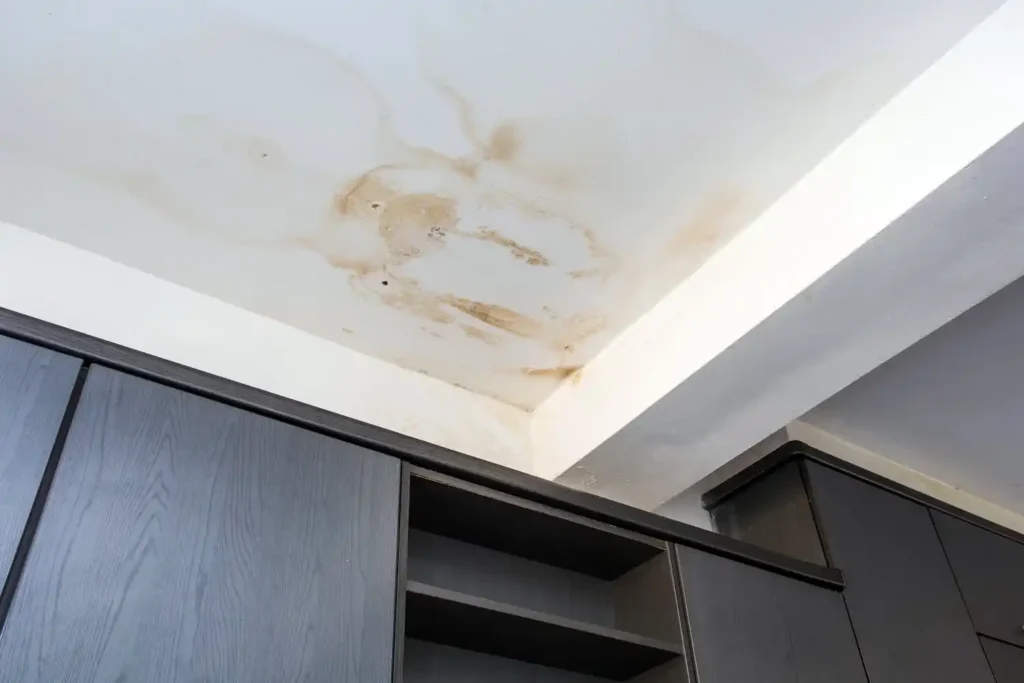
interior signs of roof damage stain

HIGHER UTILITY BILLS

After living in a house for a year, it’s usually pretty easy to predict your utility bills every month. Your use of air conditioning and heat is generally the same for the respective seasons, meaning there should be no surprises.

But if you see a sudden spike in your utility bill, you might have a serious problem on your hands.

Higher energy bills typically means that your home is having an issue with climate control. If heat is escaping your home from one or more points, your heater has to work hard to regulate the temperature.

A sudden spike in costs could be an internal sign that there’s damage to your roof. Even small gaps and crevices in your home’s roof and insulation can cause warm or cool air to escape and let seasonal weather in.

If your energy bills are suddenly higher than expected, it’s a good sign you should get your roof checked out by a professional roofer.

COSMETIC ISSUES

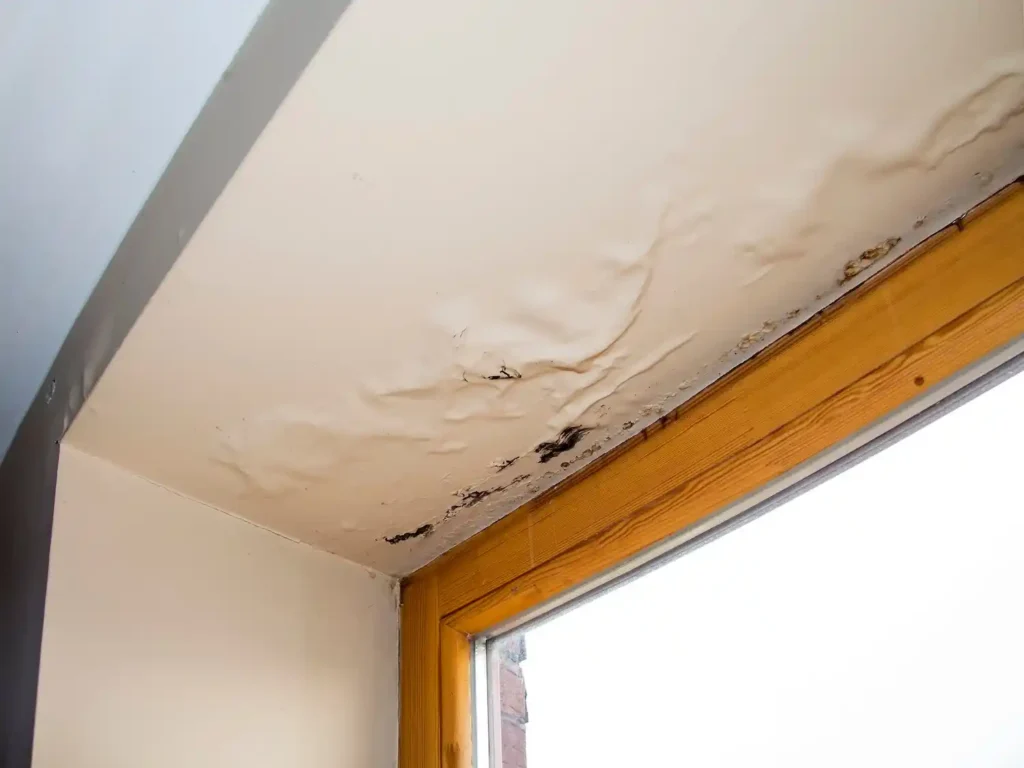
Certain physical signs inside of your home can indicate that you have an issue with your roofing material. A home with roof damage will often succumb to leaks and moisture, which can seep through drywall and cause your paint to peel.

Peeling paint, particularly on your ceilings and the top portions of your walls, can mean that there’s trouble with a roof leak.

Additionally, moisture can create stains on your ceilings. You’re more likely to see these rippled spots if you have light-colored ceilings.

Though these signs seem purely cosmetic, they point to a larger problem: moisture is entering your home from above. The most likely cause of this moisture is a leaking roof.

STRUCTURAL DAMAGE

If you have an attic that you use, whether as an extra room or storage, it’s much easier to see the structural layer of your roof. Most pitched roofs use ceiling wall framing, ceiling joists, rafters, and support beams to hold them in place – all of which you can see from the inside of your attic.

If you can get up into your attic, you will easily be able to spot interior signs of roof damage through these structural pieces.

Moisture and water leaks can create severe structural damage to these components, which are made of wood. Water can cause the wood to rot, which weakens the overall framing of your roof. In severe cases, a weakened frame can collapse and destroy a roof while potentially causing other damage to your home.

Before a collapse happens, you can look for signs of damaged roof structures. Look for dark spots on the joints, softened wood, and cracks. It’s critical to have any of these signs checked out by a professional before they become more serious.

OTHER INTERIOR SIGNS OF ROOF DAMAGE

interior signs of roof damage bubble

It’s just as important to keep an eye on the interior of your roof as it is to inspect the exterior of your roof. Aside from the signs listed above, there are other interior signs of roof damage you should keep an eye out for. These signs include:

  • Light passing through the attic ceiling
  • Puddles on the floor
  • Visible drips from the attic ceiling
  • Increased humidity levels inside
  • Sagging attic ceilings

Check your ceilings or attic space at least twice a year for any of these interior signs of roof leaks or damage. Catching a problem early on will save you time, money, and safety risks.

FINAL THOUGHTS

Roof damage is no joke. It is easy enough to make our roofing materials an afterthought, but if you’re checking the exterior of your roof, you should also be checking the interior. These inside signs can indicate roof damage that you may not have otherwise noticed.

Be sure to schedule a roof inspection at least once per year. Most people like to have a professional roof inspector come out before the cold and rainy season begins to avoid any delays in potential repairs.

When you schedule an inspection, be sure to ask about interior inspections as well. While many roofing companies offer a free roof inspection, some companies only perform exterior inspections. You can inquire about an inspection on the inside of your home as well.

Remember, your roof is your home’s first line of defense, so don’t take its upkeep for granted. Look for signs of damage and get your annual inspection done by a professional.

How Old Is My Roof? 6 Ways To Determine Its Age (Guide)

How Old Is My Roof? 6 Ways To Determine Its Age (Guide)

When you purchase a home, you may or may not know its age or the age of its constituent parts. For example, it can be challenging to determine if your roof is a certain age, particularly if the previous owners do not know anything about the roof’s age.

Fortunately, there are some things you can do to determine the age of your roof if you are unsure. So if you find yourself asking, “How old is my roof,” we are here to break down six different ways you can determine its age. Read on to learn more.

CHECK YOUR CONTRACT

If owners know the roof’s age or have recently replaced it, they will include this information in the seller’s disclosure portion of your home contract during the home buying process.

If there is any known damage to the roof or if it is performing poorly, the sellers must disclose this information on the disclosure form. They are not necessarily required to say when they last replaced the roof. However, commonly sellers include this information in disclosures, even if they are not required to do so.

CONTACT THE PREVIOUS OWNERS

You can ask the previous owners when they last had a roof installation or roof replacement.

Contact the previous owners by phone, email, or social media if you have their contact information and ask them. If you do not have the previous owner’s contact information, reach out to your realtor to contact their realtor.

Keeping an open line of communication with your home’s previous owners is ideal as they can answer many questions about your home’s condition and past performance.

GET RECEIPTS

A roofing company receipt, alongside inspection records, can also be valuable pieces of information about your home and its constituent parts. If the previous homeowners do not remember when the last roof was replaced, they may remember the company that replaced it.

If you can get information about the roofing company that last worked on your house, reach out to see if they have a record of receipts for your home. Most roofing companies keep receipts dating back years for just this purpose.

Receipts should be dated, so you should be able to determine the age of your roof from a receipt alone.

how old is my roof worn

RESEARCH THE BUILDING PERMIT

In many jurisdictions (i.e., counties, cities, or municipalities) across the US, local roofers and contractors must get a building permit if replacing a roof. A building permit is an authoritative document that grants someone permission to engage in new construction or to expand or renovate existing construction.

Because a roof replacement counts as a major renovation, you should expect that the company that last replaced your roof took out a building permit to do so. Building permits are usually public records, so with a little bit of sleuthing, you should be able to find the building permits for your home.

WHERE TO FIND THE BUILDING PERMIT

You can begin your search online if your jurisdiction maintains an online database of building permits. You can usually find this through your county clerk, city clerk, or zoning and planning office website. If you do not have luck online, call or head there in person to look for a copy of the building permits for your home.

If you cannot find your home’s building permits through federal and local government offices, some websites specialize in providing building permit information online. These include sites like BuildZoomCoreLogic, and ATTOM.

HIRE A PROFESSIONAL

If you cannot determine the age of your roof on your own, you can hire a professional to do it for you. While this is probably the most costly option, it is a good resort should other methods of determining your roof’s age fail.

A roofing contractor, home inspector, and roofers have training and experience to help them determine a roof’s age. They can inspect your roof to estimate how old it might be.

If you hire a professional to determine your roof’s age, they will look at the quality of the roofing material, whether asphalt shingles are curled, blistered, or cracked, or if any shingles are blown-off or missing. These signs of wear and tear are good indicators of a roof’s age, and a qualified inspector should be able to estimate for you based on what they observe.

THINGS TO CONSIDER WHEN HIRING PROFESSIONALS

You can hire roofing companies and contractors or independent inspectors. However, keep in mind that not all professionals are the same when estimating your roof’s age. Research who is available locally so you can avoid being given an estimate of a higher age for your roof, suggesting you need a replacement or repairs.

Independent inspectors do not have a stake in whether you purchase a replacement roof and may give you a more accurate estimate. If you have the funds and are curious about your roof’s age, you can even get multiple opinions.

DO IT YOURSELF

If all else fails when determining the age of your roof, you can always conduct your own visual inspection of the roof. While you may not be a trained professional, you can spot signs of roof aging that will tell you if your roof needs to be repaired or replaced.

CONDUCTING YOUR OWN INSPECTION

how old is my roof shingles

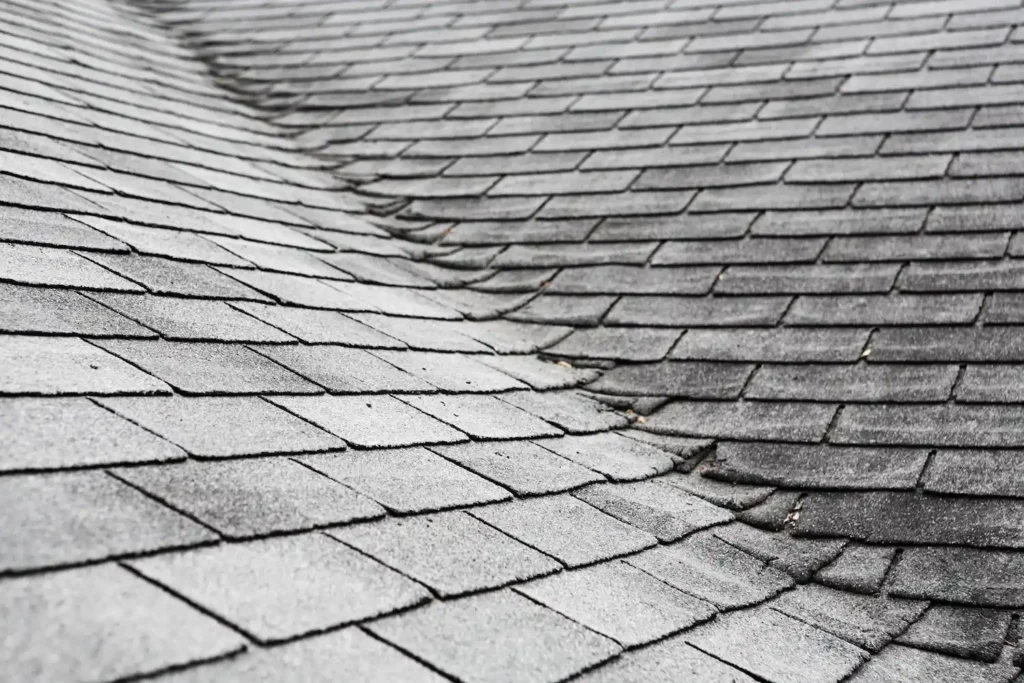
The result of conducting your own inspection may not be an exact roof age, but you should at least be able to spot signs of aging, damage, and distress. Some common signs to look out for as your roof ages include:

  • Sagging
  • Missing, damaged, or cracked shingles
  • Rusted flashing
  • Curling shingles
  • Moss or algae growth
  • Exposed or rusted nails
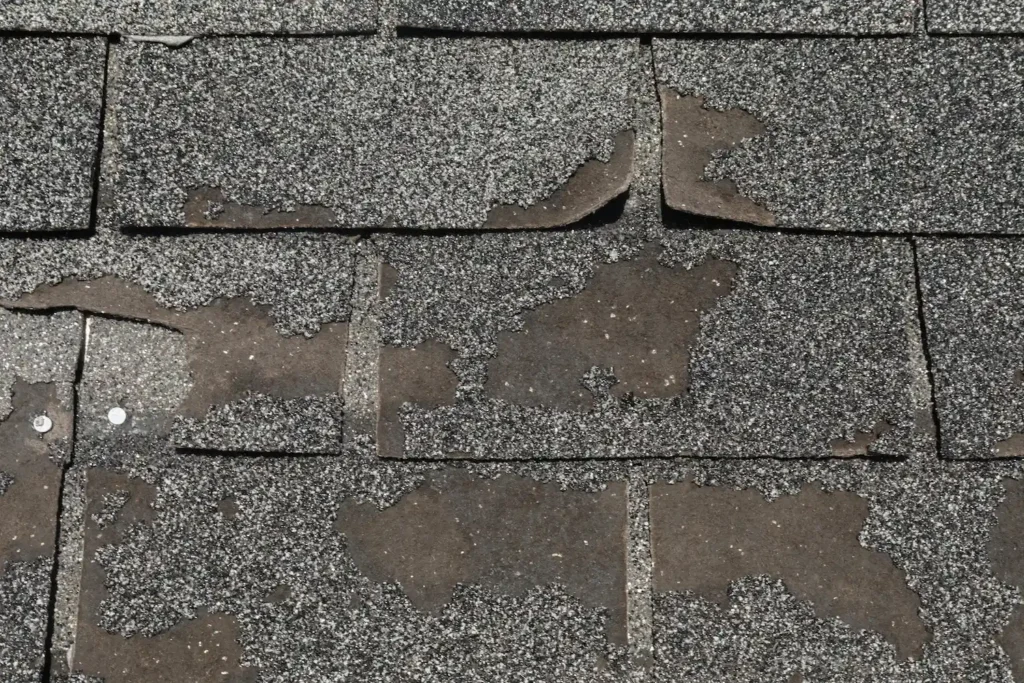
  • Missing shingle granules
  • Damaged roof valleys

Check to see if you notice these signs and how advanced they appear. If you notice multiple signs of aging or if the damage is extensive, it may be time to get your aging roof repaired or replaced.

CONCLUSION

If you have recently purchased a home, you should wonder, “how old is my roof?” To determine your roof’s age, you can check your contract, contact the previous owners, get receipts, research the building permit, hire a professional, or do it yourself.

These proven methods for determining your roof’s age should give you the information you want and help determine if repairs or replacements are needed for a new roof. Follow the tips in this guide, and you will gain valuable information about your home that empowers you to make the best choices as a homeowner.

12 Common Roof Types & Styles Compared (Pros & Cons)

12 Common Roof Types & Styles Compared (Pros & Cons)

When we were kids, we all drew the same house with a steeply pitched roof, a front door, and two windows in the front— maybe even a chimney and a tree in the yard. 🏡 <– much like this.

While that cookie-cutter version of a home is stuck in our minds, it’s definitely not the case of actual homes today. More specifically, a steeply pitched roof with two sides is not the go-to choice for the majority of modern homes. In fact, there are over a dozen different roof types and even more styles, materials, and colors than ever before.

Whether you are doing a new home build or just want to understand more about your home’s roof, we’re going to go through the most common roof types and styles, plus their pros and cons. This can help you understand your home and how it functions— giving you a leg up on other homeowners who assume every roof is the same.

THE 12 MOST COMMON ROOF TYPES + THEIR PROS AND CONS

These dozen roof types all have plenty of benefits, but also a fair share of downfalls, which can make or break it for many homeowners. Certain roof types just aren’t ideal for different styles of homes, which we’ll get into as well. But knowing what types of roof there are can help you determine which your current home has, or what you may want in the future.

1) GABLE ROOF

When you think of a generic house, a gable roof is probably the first one you imagine without even knowing it. Gable roofs are the most popular roof type for homes— making up about 40% of all roofs in America.

Gable roofs are defined by two sloped sides that come together at a ridge in the middle, creating a triangular shape. Many people think this is the most aesthetically pleasing roof type, but it also has plenty of functional benefits too.

✅ Gable Roof Pros

  • Great at shedding water and snow, making it ideal for homes in colder climates.
  • Easily altered with skylights or windows
  • One of the most affordable types of roofs
  • Allow more attic space and better ventilation
  • Work with most home styles

❌ Gable Roof Cons

  • Can uplift easily in high winds or hurricanes
  • High pitches can make installation difficult

2) DUTCH GABLE

A Dutch gable is a cross between a gable and a hip roof. A gable roof, which encircles the top of a hip roof, adds more room and beauty to the design. Dutch gable roofs might be frequently used on cottage-style homes since they have a classic old-school style to them.

✅ Dutch Gable Pros

  • Allow more natural sunlight in
  • Can be used as a larger attic space or additional living space
  • Works with most roofing materials

❌ Dutch Gable Cons

  • Requires more materials
  • Has more joints that can leak if not properly sealed
  • Lower pitched gablets can collect snow and ice
  • Requires more maintenance

3) CLIPPED GABLE

A clipped gable roof is a variation of the standard gable roof. It’s created by truncating or “clipping” the ends of the roof, creating an angled edge on each end. This gives the roof a bit more style and unique appeal.

✅ Clipped Gable Pros

  • Extra space in the attic
  • Can be used with a variety of home styles
  • Reduces the strong force of wind at the roof’s peak
  • Unique architectural design
  • Showcases roofing materials

❌ Clipped Gable Cons

  • The “clipped” ends have small joints at risk of leaks
  • Complicates shingle installation

4) BUTTERFLY

A butterfly roof is definitely something you might see on a mid-century modern home or other uniquely designed architectural home. A butterfly roof is also like if you flipped a gable roof upside down as its valley goes down in the middle, rather than meeting up at a peak. They are usually low sloped but give a very unique dimension to the home.

✅ Butterfly Pros

  • Ideal for gardeners with it’s convenient rain water collection
  • Can withstand very high winds
  • Allows for more natural light with higher walls on the outsides of the home

❌ Butterfly Cons

  • Expensive to install and maintain
  • Very susceptible to snow and ice issues (more ideal for warmer climates)

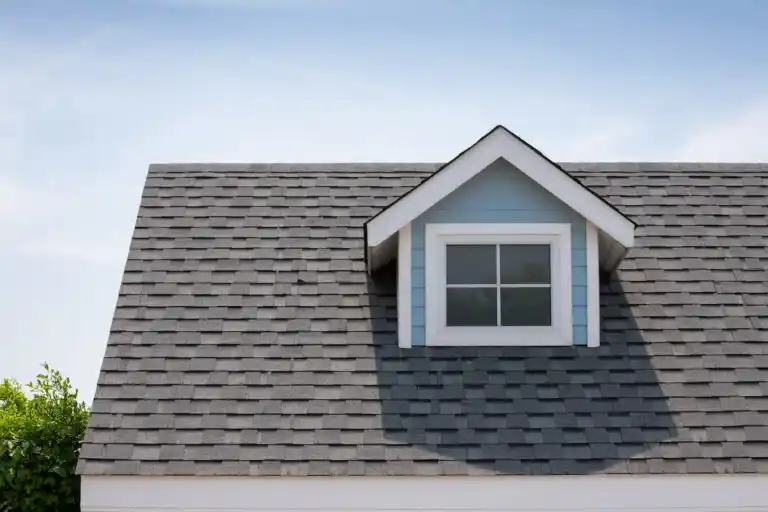
5) DORMER

A dormer roof is more of a roof accent in that it goes over a dormer window within a gable roof or other high pitch style. Dormers are a great way to let in more natural light and improve the ventilation in your home. They also give your home some extra curb appeal.

✅ Dormer Pros

  • Allows for more natural light and improved ventilation
  • Gives your home some extra curb appeal
  • Creates unique little nooks in the upper floor of your home
  • Increases functionality and space in your attic

❌ Dormer Cons

  • Creates more joints that require flashing and sealant
  • Complicated installation
  • Won’t work with just any roof or home style

6) FLAT

You’ll most often find flat roofs on commercial structures, and less on residential buildings. However, it’s worth mentioning. Flat roofs are not actually 100% flat, but are very low-sloped to allow rain water runoff.

✅ Flat Roof Pros

  • They offer a design unique
  • Allows for big, open floor plans
  • Possible to add on levels to a home
  • Can be utilized as a roof-top garden or green roof

❌ Flat Roof Cons

  • Very susceptible to leaks if not properly sealed
  • Requires regular maintenance

7) GAMBREL

A gambrel roof is what you might find on a classic red barn. It has four surfaces that work their way up to the peak with four low slopes. This type of roof allows for a wider area and more head space in an upper floor attic or loft.

✅ Gambrel Pros

  • More space in the upper floor
  • Simple installation
  • Opportunity to install more windows or dormers
  • Works with most roofing materials

❌ Gambrel Cons

  • Susceptible to wind damage
  • Poorly ventilated
  • Can collect snow and ice on it’s lower slope

8) HEXAGONAL

A hexagonal roof is just what it sounds like, a roof with six sides. They are most often found on unique homes, gazebos, or home additions. They give the structure some extra curb appeal and can be a great way to add an extra element to the roof design.

✅ Hexagonal Pros

  • Unique architectural design
  • Adds curb appeal
  • DIY-friendly
  • Highly durable and strong
  • Ideal for gazebos or outdoor structures

❌ Hexagonal Cons

  • Can be difficult to build, repair, and maintain
  • Not ideal for a standard home

9) HIP

A hip roof has four sloping sides that come together to a ridge in the middle— kind of like a pyramid shape. The two sides that meet at the top will form a little flat ridge, while the other two converge and meet at a point. Hip style roofs are very stylish and very frequently utilized on older rambler single-level homes.

✅ Hip Roof Pros

  • Very stable and resistant to strong winds
  • Easy water shedding design
  • Works with a large variety of roofing materials
  • Stunning mid-century modern design appeal

❌ Hip Roof Cons

  • Can be complex and expensive to install
  • Don’t allow space for an attic

10) MANSARD

Mansard roofs are very complex and have multiple sides with different slopes and structures, making it quite unique. This type of roof is familiar in European design and you may think of a cute little wooded cottage when you see a Mansard roof.

✅ Mansard Pros

  • A beautiful design aesthetic— very fancy
  • Lends itself opportunity to expand upper floor living space
  • Lots of head room in upper floors or attic
  • Option to add more windows, skylights, or dormers

❌ Mansard Cons

  • Very expensive to install
  • Can be difficult to maintain and repair
  • Requires a lot more material to build
  • Insufficient water drainage

11) SALTBOX

A saltbox roof is very similar to a gable roof, because it has two sides that meet at the peak. However, a saltbox roof has one side longer and a different slope than the other, giving it an asymmetrical look. These roofs are proven to shed snow and ice well and are ideal for places that get lots of snow like in the Colorado mountains or the Upper Midwest.

✅ Saltbox Pros

  • Gorgeous curb appeal
  • Great snow and water shedding
  • Easy installation
  • Withstands strong storms and winds
  • Tall slope gives a lot of added headspace

❌ Saltbox Cons

  • The unique roof shape can shrink the width of an upper floor
  • Can be costly based on how many materials are required to shingle

12) SHED

A shed roof is kind of like a lean-to and consists of just one single sloped roof. You’ll see this type of roof utilized on cabins, sheds, barns, or other similar structures. They are very low maintenance and cost-effective.

✅ Shed Roof Pros

  • Low maintenance
  • Easy to install and repair
  • Never has standing water
  • Works with most roofing materials
  • Doesn’t need many materials to install

❌ Shed Roof Cons

  • Won’t work on a standard home or other larger structures
  • A good gutter system is required to prevent severe damage to landscaping under the slope

THE BEST ROOFING MATERIALS TO CHOOSE FROM 🏆

When you are ready to roof your home, it is important to choose the best roofing materials for your needs. There are many different roofing materials on the market, each with its own set of pros and cons. Here is a look at some of the most popular roofing materials to help you make an informed decision:

ASPHALT SHINGLES

The most common type of roofing material in the country is asphalt shingles. They are affordable, easy to install, low-maintenance, and have nearly endless color and style options to choose from. Hence, why homeowners choose it time and time again. Another benefit to asphalt shingles is that this material works with just about any of the roof types we’ve listed thus far.

METAL ROOFING

If you are looking for roofing materials that will last a lifetime, then metal roofing is the way to go. Metal roofing is incredibly durable, fire-resistant, and environmentally friendly. It is also one of the most energy-efficient roofing materials on the market. The only drawback to metal roofing is that it can be quite expensive upfront, but lasting 50+ years makes it a great investment. This type of material works great on shed, high pitched gable roofs, and hip roofs, especially.

CLAY OR CONCRETE TILE

Clay or concrete roofing tiles are another roofing material option that has been around for centuries. This roofing material is very popular in Europe and other parts of the world. Clay and concrete roofing tiles are beautiful, durable, and environmentally friendly. They are also fire-resistant and can help keep your home cooler in the summer months. Roofing tiles are ideal for lower slope hip roofs, clipped gables, and dormers.

WOOD SHAKES

Wood shakes are one of the most traditional roofing materials and have been used for centuries. Wood shakes are made from split logs, which give them their rustic charm. While wood shakes are beautiful, they are also quite fragile and require more maintenance than other roofing materials. This roofing material looks fantastic on cottage or colonial style homes with gable roofs, mansard roofs, or even tudors.

Ultimately, a professional contractor like MARS Roofing can help you determine which roofing material is best for your home’s style, roof type, and most importantly— your budget.

TIPS FOR CHOOSING THE BEST TYPE OF ROOF FOR YOUR HOME’S STYLE

Just as there are many types of roof shapes and materials, there’s just as many home styles based on architectural design. Craftsman homes are quite popular as well as the resurgence of mid-century modern— both of which lend themselves an opportunity to work with many different types of roofing materials.

But when you’re looking at a new build, it’s important to know which roof type would best suit the aesthetic you’re going for. Here, we’ve listed some of the most common home styles and which roof type is ideal.

COLONIAL

roof types colonial

Colonial homes are very traditional in design and are characterized by their symmetrical shape with equal windows on either side of the front door. The roof is usually a high-pitched gable roof with possibly some dormers on the sides or front.

COTTAGE

roof types cottage

Cottages are small, charming homes that often have cozy interiors and exteriors. They frequently utilize mansard or high-pitch dutch gable roofs.

CRAFTSMEN

roof types craftsmen

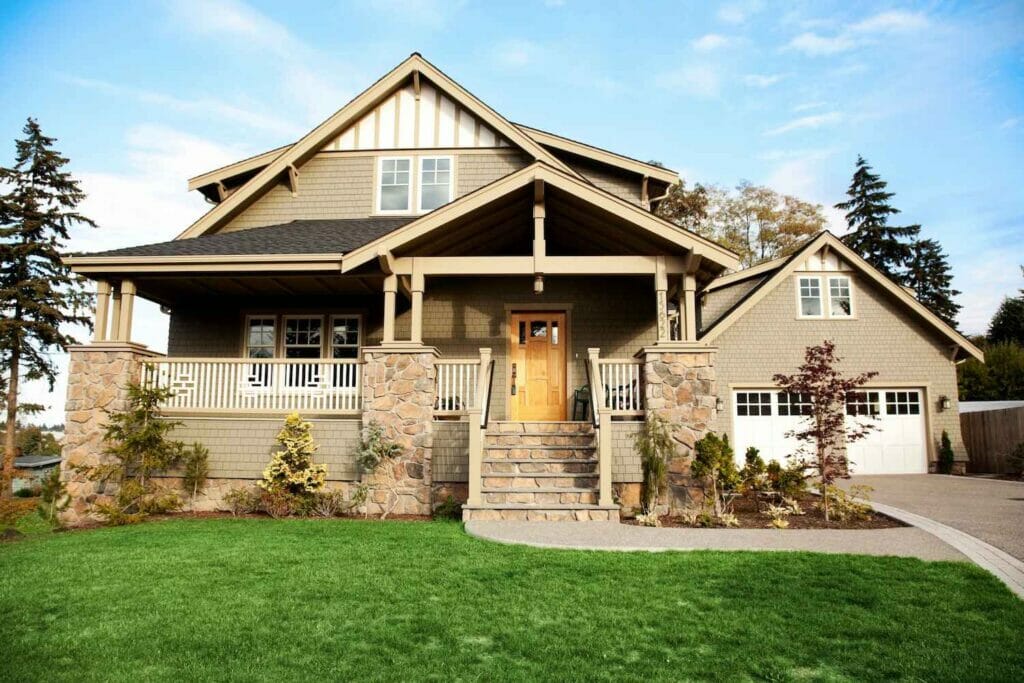
Gable roofing, hip roofs, and dormer roofs are the types of roofs most popular among craftsman style homes. These structures typically have several levels and design elements on their roof, which is where a combination of different types of roofing can give it a unique appeal.

FARMHOUSE

roof types farmhouse

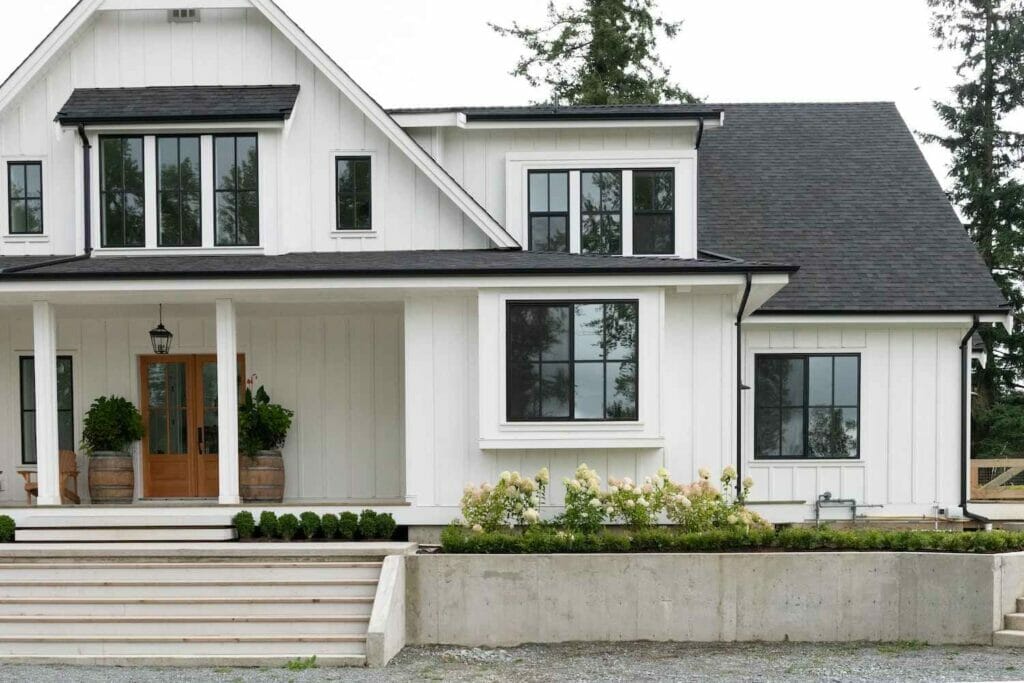
The gambrel roof is typical of a farmhouse. It’s the most common barn or farmhouse roof, or you may have just a simple gable roof with some dormers in the attic space.

MID-CENTURY MODERN

roof types mid century modern

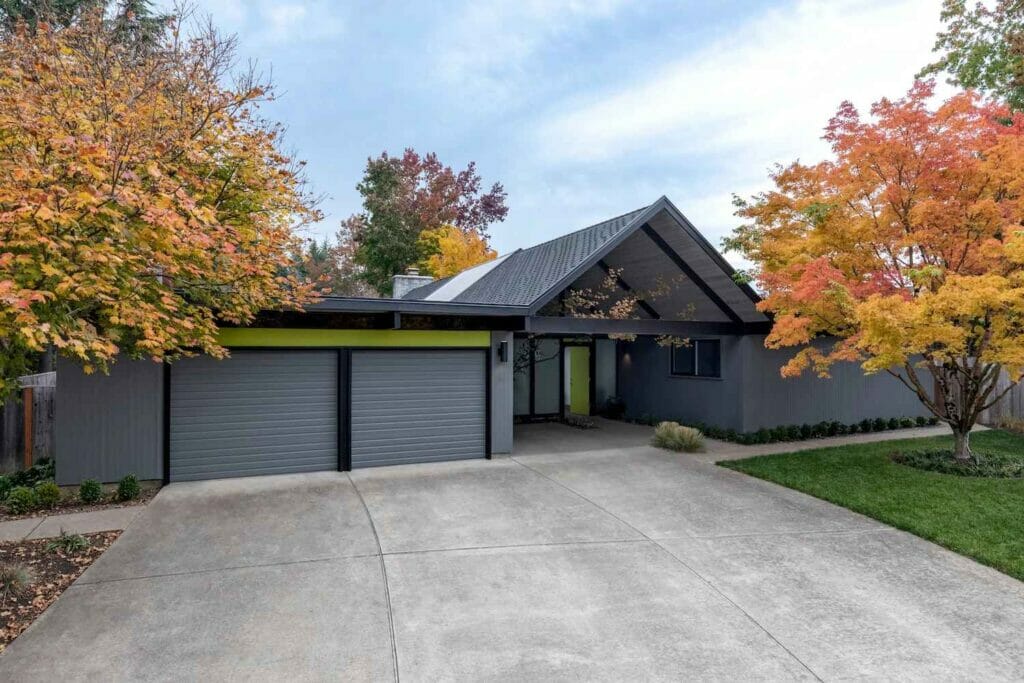
Mid-century modern homes are often one floor and they work great with shed, flat, hip, and even saltbox roofs. The uniqueness of this home style lends itself plenty of opportunity to use out-of-the-ordinary designs from the roof to the interior to fully embrace that mid-century modern feel.

TUDOR

roof types tudor

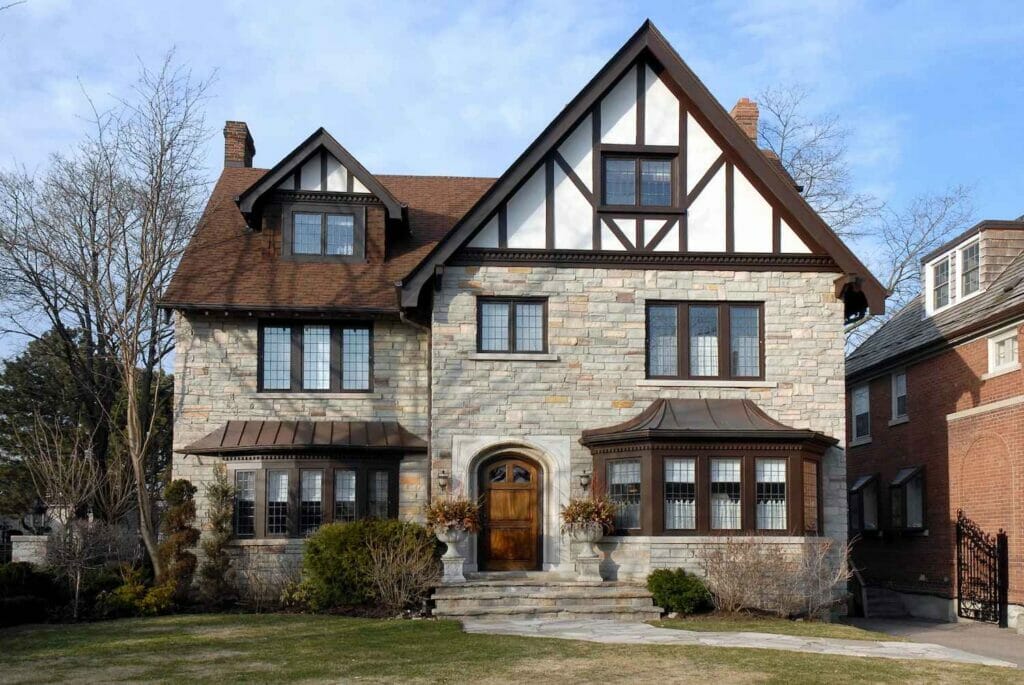
Tudor homes are often characterized by their steeply pitched gable roof, particularly on the front where the front door is. The steep pitch helps tudors utilize the open space and include design elements such as a half brick wall with timberings and other embellishments throughout the home’s exterior.

HOW TO GET A PROPER ROOF INSTALLED ON YOUR HOME

Now that you know all about roof types, styles, and which one is right for your home’s style— it’s time to get the roofing process started. Schedule a roofing inspection from a reputable roofing contractor like MARS Roofing.

We will be able to assess the condition of your roof and give you a better idea of what type of roofing system you need. We can’t wait to help you get the dream roof you always wanted. Let’s chat!